EN
EN

Introduction
Vacuum packaging bags are widely used by food manufacturers, meat processors, seafood suppliers, cheese producers, coffee companies, and other businesses that need reliable product protection. By removing air before sealing, vacuum packaging can help reduce exposure to oxygen and support product quality during storage and transportation.
However, vacuum packaging bags are not only functional packaging tools. They can also serve as an important branding asset. With the right customization, businesses can use vacuum bags to communicate product value, strengthen brand recognition, improve shelf presentation, and create a more consistent customer experience.
For B2B buyers, customized vacuum packaging should balance branding, product protection, production efficiency, and total cost. The packaging must not only look attractive but also remain compatible with vacuum equipment, sealing processes, storage conditions, and transportation requirements.
1. Why Branding Matters for Vacuum Packaging
Vacuum packaging is often associated with practical product protection. Many businesses use plain transparent or printed bags to package meat, seafood, cheese, prepared foods, and other products.
A customized bag can provide additional commercial value by helping products stand out in competitive markets.
Effective branding on vacuum packaging can help businesses:
- Improve brand recognition
- Create a consistent product appearance
- Communicate product information
- Support private-label sales
- Strengthen retail presentation
- Differentiate product categories
- Improve customer trust
- Support premium positioning
- Make products easier to identify in storage
- Create a professional export-ready appearance
For manufacturers and distributors, packaging can be one of the most visible brand touchpoints. A well-designed vacuum bag allows the brand to remain visible during storage, display, transportation, and customer use.
2. Custom Printed Vacuum Packaging Bags
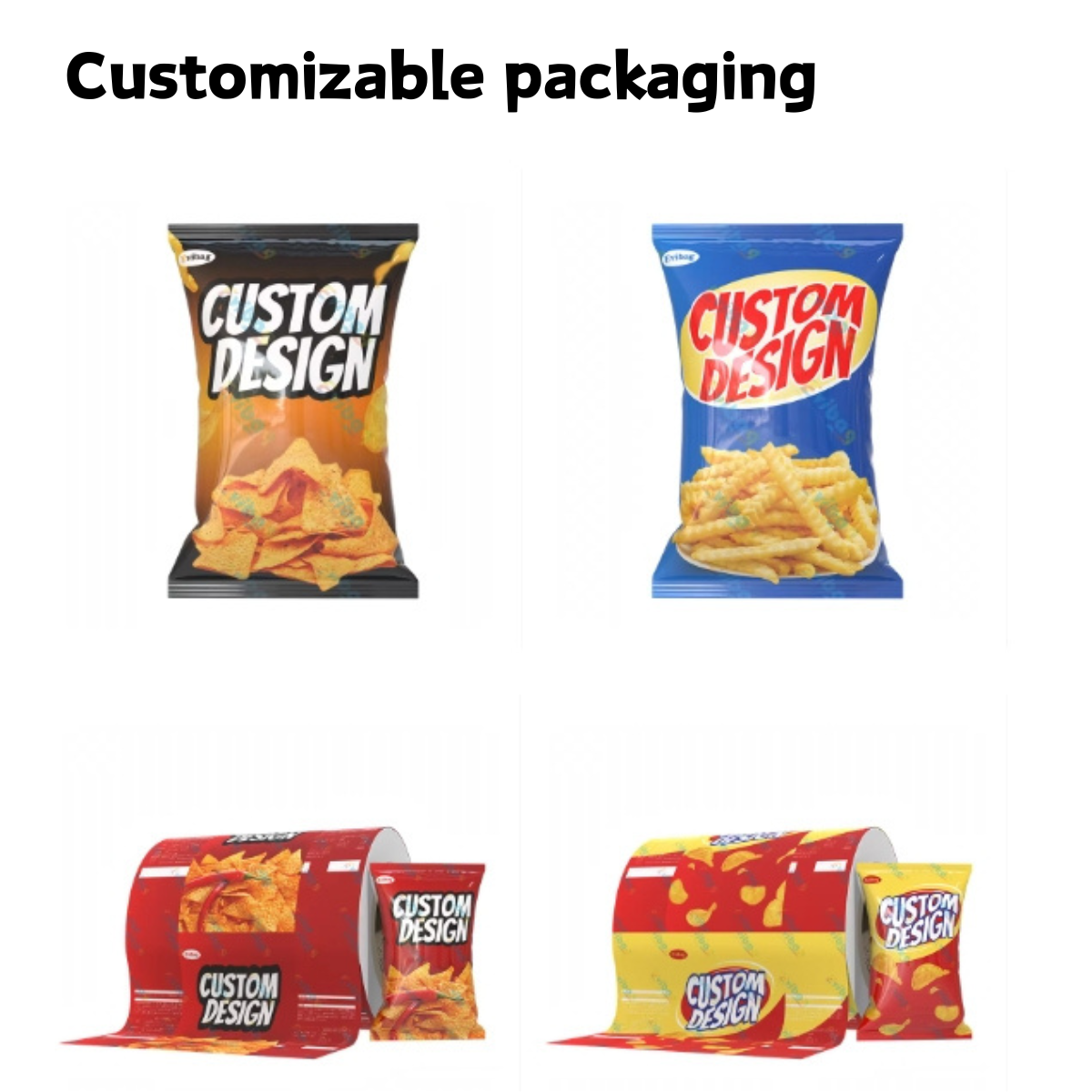
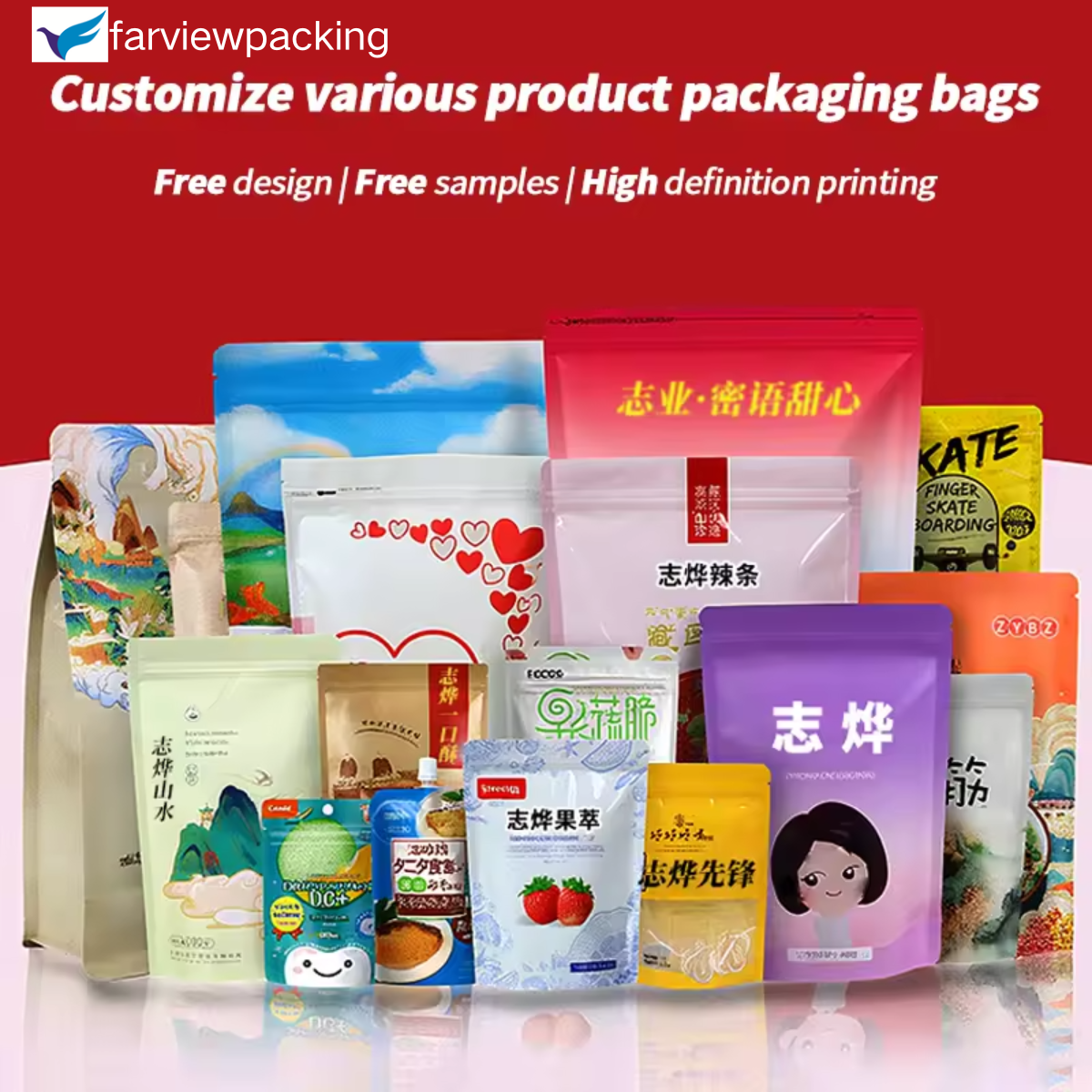
One of the most common branding options is custom printing. Businesses can print their logo, brand name, product information, and visual identity directly onto the vacuum bag.
Common printed elements include:
- Company logo
- Brand name
- Product name
- Product category
- Product image
- Product description
- Country of origin
- Storage instructions
- Preparation instructions
- Barcode
- QR code
- Contact information
- Website address
- Social media details where appropriate
The printing design should be clear and easy to read. Since vacuum bags may be tightly compressed around the product, the artwork should be planned according to the final package shape rather than the flat artwork alone.
A professional packaging supplier can help determine the best printing area and ensure that important information remains visible after vacuum sealing.
3. Choosing the Right Printing Method
Different printing methods may be suitable for customized vacuum packaging bags. The best option depends on order quantity, design complexity, color requirements, and production budget.
Flexographic Printing
Flexographic printing is often used for high-volume packaging production. It can be suitable for businesses that require consistent printing across large orders.
Potential advantages include:
- Efficient large-scale production
- Consistent color reproduction
- Suitable production speed
- Competitive unit cost for larger quantities
Gravure Printing
Gravure printing may be selected for packaging that requires detailed graphics, strong color performance, and premium visual quality.
It may be suitable for:
- Retail food brands
- Premium meat products
- Seafood packaging
- Private-label products
- Large-volume branded packaging
Digital Printing
Digital printing may be useful for smaller batches, multiple product designs, or businesses testing a new brand identity.
Potential advantages include:
- Lower setup requirements for some projects
- Easier design changes
- Support for multiple product versions
- Suitability for market testing
The appropriate printing method should be evaluated according to the required quantity, artwork, lead time, and total production cost.
4. Using Brand Colors Consistently
Color is an important part of brand recognition. Businesses can use customized vacuum packaging bags to maintain consistent brand colors across product lines.
For example, a company may use:
- One main color for its corporate identity
- Different secondary colors for product categories
- A consistent logo placement
- Matching colors across bags, cartons, labels, and shipping materials
Color consistency is particularly important for businesses with several product categories. A clear visual system can help customers quickly identify different products while still recognizing the same brand.
However, printing colors may appear differently on transparent, white, metallized, or foil-based films. Buyers should request printed samples or color proofs before mass production.
The final appearance may also be affected by:
- Film transparency
- Surface gloss
- Matte finish
- Printing ink
- Vacuum compression
- Product color behind the film
- Lighting conditions
5. Transparent Windows and Product Visibility
Transparent vacuum packaging can allow customers to see the product inside. This may be valuable for meat, seafood, cheese, prepared foods, and other products where appearance influences purchasing decisions.
A transparent area can help communicate:
- Product freshness
- Product shape
- Product quantity
- Product color
- Cut quality
- Product consistency
Businesses can combine printed branding with a transparent window to balance product visibility and brand presentation.
For example, a vacuum bag may include a printed top section with the logo and product information while leaving part of the package transparent.
However, transparent packaging may provide less protection from light than opaque or foil-based structures. If the product is light-sensitive, the design should prioritize the required barrier performance.
6. Matte and Glossy Finishes
Surface finish can influence how customers perceive a brand.
Glossy Finish
Glossy vacuum packaging may provide:
- Bright color appearance
- Strong visual impact
- A smooth surface
- Good visibility under retail lighting
- A clean and polished look
Glossy finishes may be suitable for mainstream food products, promotional packaging, and brands that want a vivid appearance.
Matte Finish
Matte vacuum packaging may create:
- A premium appearance
- A softer visual effect
- Reduced surface reflection
- A modern brand image
- Better readability under certain lighting conditions
Matte finishes may be suitable for premium food brands, specialty products, and businesses seeking a more understated appearance.
The choice between matte and glossy should be consistent with the brand’s positioning and product category.
7. Custom Bag Shapes and Formats
Branding is not limited to printing. The physical format of the vacuum bag can also support product differentiation.
Common customization options include:
- Flat vacuum bags
- Three-side-seal bags
- Side-gusset bags
- Bottom-gusset bags
- Shrink vacuum bags
- Embossed vacuum bags
- Puncture-resistant bags
- Rollstock for automatic packaging lines
- Bags with tear notches
- Bags with hanging holes
- Bags with custom dimensions
A distinctive format can help a product stand out while improving packaging efficiency.
For example, a custom-sized bag can reduce excess material around the product and create a more professional appearance. A bag designed for automatic filling may also improve production consistency.
The bag format should be selected based on the product dimensions, vacuum machine, sealing method, and expected transportation conditions.
8. Embossed Vacuum Bags for Texture and Function
Embossed vacuum bags contain a textured surface that may help air move through the bag during certain vacuum packaging processes.
In addition to functional benefits, embossing can create a distinctive surface appearance. Businesses may use texture to support a professional or technical brand image.
Embossed bags may be suitable for:
- Home vacuum sealing systems
- Food processing applications
- Meat packaging
- Seafood packaging
- Cheese packaging
- Small-batch commercial production
However, embossing should not be selected only for appearance. Buyers should confirm that the bag is compatible with the intended vacuum equipment and sealing process.
For industrial or commercial applications, the supplier should provide information about:
- Bag thickness
- Embossing structure
- Vacuum performance
- Seal strength
- Puncture resistance
- Temperature resistance
- Machine compatibility
9. Private Label Vacuum Packaging
Private-label packaging allows businesses to sell products manufactured or processed by another company under their own brand.
Customized vacuum bags are commonly used for private-label programs because they can be produced with the buyer’s branding and product information.
Private-label buyers may request:
- Custom logo printing
- Brand-specific colors
- Product-specific artwork
- Different bag sizes
- Multiple product designs
- Barcode placement
- Customized product descriptions
- Retail-ready packaging
- Matching outer cartons
- Small-batch trial orders
Private-label packaging can help distributors, wholesalers, supermarket suppliers, and food brands develop a consistent market identity without investing in their own packaging production equipment.
Before placing an order, buyers should confirm artwork ownership, printing approval procedures, minimum order quantities, and storage arrangements for printed packaging.
10. Using QR Codes and Digital Brand Information
QR codes can provide additional product information without overcrowding the front of the vacuum bag.
A QR code may link to:
- Product details
- Cooking instructions
- Storage guidance
- Brand website
- Product traceability information
- Certification documents where applicable
- Customer service information
- Promotional campaigns
- Recipe content
- Company contact details
The QR code should be tested on the final printed packaging. It must remain readable after printing, cutting, sealing, and vacuum compression.
Businesses should also consider whether the QR code will be scanned under retail lighting, warehouse conditions, or customer-use environments.
11. Custom Packaging for Different Product Categories
Different product categories may require different branding and packaging strategies.
Meat Products
Meat packaging may prioritize:
- Clear product visibility
- Strong puncture resistance
- Reliable vacuum performance
- Product name and cut information
- Weight and storage details
- Brand recognition
Seafood Products
Seafood packaging may require:
- Moisture resistance
- Strong seals
- Cold-temperature performance
- Clear product identification
- Transportation durability
Cheese Products
Cheese packaging may focus on:
- Aroma and moisture control
- Product visibility
- Premium branding
- Product variety identification
- Resealing or secondary packaging where needed
Prepared Foods
Prepared food packaging may require:
- Clear cooking or reheating instructions
- Product photography
- Brand colors
- Ingredient information
- Storage instructions
- Retail-friendly presentation
Industrial Products
Vacuum bags for industrial products may prioritize:
- Product protection
- Technical labeling
- Batch identification
- Part numbers
- Barcode or QR code information
- Strong packaging materials
Branding should support the product’s commercial purpose without reducing required protection or technical performance.
12. Combining Branding with High-Barrier Materials
A customized vacuum bag must still provide the required level of product protection.
Depending on the application, businesses may choose structures that provide:
- Oxygen resistance
- Moisture resistance
- Light protection
- Puncture resistance
- Heat-sealing performance
- Low-temperature flexibility
- Shrink performance
- Product-contact suitability
A printed design should not be developed separately from the technical film structure. The inks, adhesives, outer film, barrier layer, and inner sealant must work together.
For example, a product requiring strong light protection may need an opaque or foil-based structure. A product that benefits from visual inspection may require a transparent structure instead.
The final material selection should be based on product sensitivity, storage conditions, transportation distance, and required shelf life.
13. Branding Through Packaging Size and Product Organization
Different package sizes can help businesses organize product lines and serve different customer groups.
Possible sizes may include:
- Single-serving packs
- Small retail packs
- Family-size packs
- Foodservice packs
- Wholesale packs
- Bulk commercial packs
A consistent design system across different sizes can make the product range easier to recognize.
Businesses may use size-specific color coding or label layouts to distinguish:
- Product varieties
- Weight ranges
- Quality grades
- Customer segments
- Foodservice and retail products
- Domestic and export versions
Custom dimensions can also help reduce unused packaging space and improve pallet utilization.
14. Quality Control for Customized Vacuum Bags
Branding quality and packaging performance should both be inspected before shipment.
Important quality control checks may include:
- Film thickness
- Bag dimensions
- Printing position
- Color consistency
- Logo accuracy
- Barcode readability
- Seal strength
- Leakage resistance
- Puncture resistance
- Vacuum performance
- Surface defects
- Ink adhesion
- Batch consistency
For large orders, buyers should approve a production sample or pre-production proof before mass manufacturing.
A supplier should also maintain clear records of the approved artwork, material structure, bag dimensions, and production specifications. This can help reduce inconsistencies between different production batches.
15. How to Control the Cost of Custom Branding
Customized vacuum packaging can improve brand value, but printing and special structures may increase production costs.
Businesses can control costs by:
- Using a consistent bag structure across several products
- Limiting unnecessary artwork changes
- Selecting an appropriate printing method
- Standardizing bag dimensions where possible
- Combining orders for similar designs
- Planning artwork before production
- Reducing excessive color complexity
- Choosing the right finish for the target market
- Confirming order quantities in advance
- Avoiding last-minute design changes
The cheapest packaging option is not always the most cost-effective. Businesses should consider the total value created by better branding, improved product presentation, reduced packaging failures, and more efficient production.
A well-designed packaging program can support stronger brand recognition while keeping procurement and manufacturing manageable.
16. Questions to Ask a Vacuum Packaging Supplier
Before selecting a supplier, B2B buyers should ask:
- What film structures are available for the product?
- Can the supplier provide custom printing?
- Which printing method is recommended for the order quantity?
- Can the supplier provide printed samples?
- Is the bag compatible with the buyer’s vacuum equipment?
- What are the available thicknesses and sizes?
- What is the seal strength?
- Is the bag suitable for refrigerated or frozen storage?
- Can the supplier support private-label packaging?
- What are the minimum order requirements?
- What is the production lead time?
- Can the supplier maintain consistent color and dimensions?
- What quality control procedures are used?
- Can the supplier provide relevant technical documents?
- How are artwork changes and approvals managed?
Clear communication at the beginning of the project can prevent costly mistakes during mass production.
Conclusion
Businesses can customize vacuum packaging bags for branding through custom printing, logo placement, color systems, transparent windows, matte or glossy finishes, special bag formats, QR codes, and private-label designs.
However, branding should always be developed together with packaging performance. The bag must remain suitable for vacuum sealing, product protection, storage conditions, transportation, and the buyer’s production equipment.
For B2B procurement, the best approach is to work with a packaging manufacturer that can provide customized film structures, reliable printing, accurate dimensions, consistent quality, sample approval, and technical support.
When functional protection and brand presentation are carefully combined, customized vacuum packaging bags can help businesses improve product recognition, support premium positioning, strengthen customer trust, and build a more professional product portfolio.
.
Table of Contents
- Introduction
- 1. Why Branding Matters for Vacuum Packaging
- 2. Custom Printed Vacuum Packaging Bags
- 3. Choosing the Right Printing Method
- 4. Using Brand Colors Consistently
- 5. Transparent Windows and Product Visibility
- 6. Matte and Glossy Finishes
- 7. Custom Bag Shapes and Formats
- 8. Embossed Vacuum Bags for Texture and Function
- 9. Private Label Vacuum Packaging
- 10. Using QR Codes and Digital Brand Information
- 11. Custom Packaging for Different Product Categories
- 12. Combining Branding with High-Barrier Materials
- 13. Branding Through Packaging Size and Product Organization
- 14. Quality Control for Customized Vacuum Bags
- 15. How to Control the Cost of Custom Branding
- 16. Questions to Ask a Vacuum Packaging Supplier
- Conclusion