EN
EN

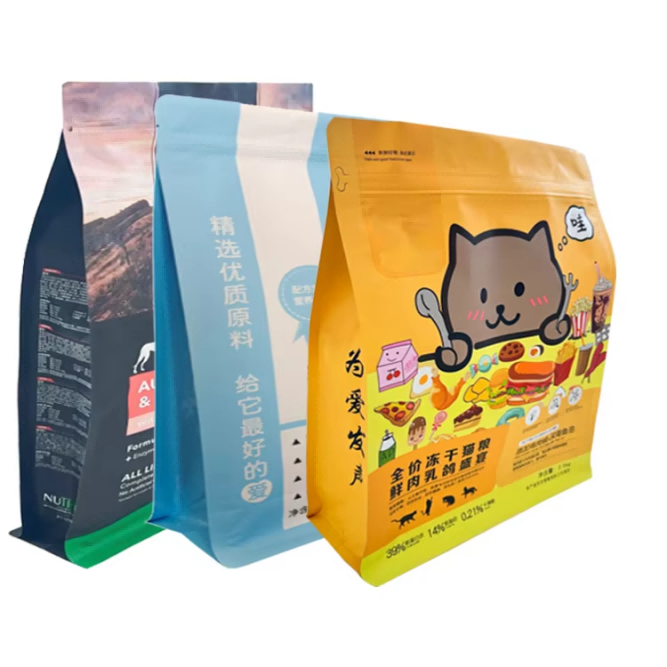
In today's competitive packaging landscape, businesses across industries are constantly seeking reliable solutions to preserve product quality and extend shelf life. Mylar bags have emerged as one of the most effective barrier packaging options, offering superior protection against environmental factors that can compromise product integrity. These specialized bags utilize advanced polymer technology to create an impermeable shield against moisture, oxygen, light, and other damaging elements. Understanding how mylar bags function and their protective capabilities is essential for manufacturers, distributors, and retailers who prioritize product preservation and customer satisfaction.
Understanding Mylar Bag Construction and Materials
Polyester Film Technology
Mylar bags are constructed from biaxially oriented polyethylene terephthalate, commonly known as BoPET or polyester film. This material undergoes a specialized stretching process in two directions, creating a molecular structure that exhibits exceptional strength and barrier properties. The biaxial orientation process aligns polymer chains in both machine and transverse directions, resulting in enhanced tensile strength, dimensional stability, and resistance to punctures. This construction method makes mylar bags significantly more durable than conventional plastic packaging materials while maintaining flexibility and ease of use.
The thickness of mylar film typically ranges from 0.5 to 14 mils, with different applications requiring specific thickness levels for optimal protection. Thicker films provide enhanced barrier properties but may reduce flexibility, while thinner films offer better conformability but with slightly reduced protective capabilities. The molecular structure of polyester creates a dense barrier that effectively blocks the passage of gases, moisture vapor, and light wavelengths that can degrade sensitive products.
Multi-Layer Barrier Systems
Advanced mylar bags often incorporate multi-layer construction systems that combine different materials to achieve superior protective performance. These laminated structures may include aluminum foil layers, additional polymer films, or specialized coatings that enhance specific barrier properties. The aluminum foil layer, when present, provides exceptional light blocking capabilities and further reduces oxygen and moisture transmission rates. This multi-layer approach allows manufacturers to customize barrier properties based on specific product requirements and storage conditions.
The adhesive systems used in multi-layer mylar bags are specially formulated to maintain strong bonds under various temperature and humidity conditions. These adhesives must not only provide structural integrity but also avoid any chemical migration that could affect packaged products. The careful selection and application of adhesive systems ensure that the barrier properties of individual layers work synergistically to provide maximum protection throughout the product's intended shelf life.
Moisture Protection Mechanisms
Water Vapor Transmission Prevention
The primary mechanism by which mylar bags protect against moisture involves the creation of an extremely low water vapor transmission rate barrier. The dense molecular structure of polyester film restricts the movement of water molecules through the packaging material, maintaining controlled humidity levels within the sealed environment. This protection is measured in grams per square meter per day, with high-quality mylar bags achieving transmission rates as low as 0.1 g/m²/day under standard testing conditions.
Moisture protection becomes critical for products that are hygroscopic or sensitive to humidity changes, including pharmaceuticals, electronics, food products, and chemical compounds. Even minimal moisture exposure can lead to product degradation, microbial growth, chemical reactions, or physical property changes that render products unusable or unsafe. Mylar bags create a stable microenvironment that prevents these moisture-related issues from occurring during storage and transportation.
Seal Integrity and Closure Systems
The effectiveness of moisture protection in mylar bags depends heavily on proper sealing techniques and closure systems. Heat sealing creates a molecular bond between bag surfaces, forming an airtight barrier that prevents moisture ingress at closure points. The sealing process must be carefully controlled in terms of temperature, pressure, and dwell time to ensure optimal seal strength without damaging the film material. Proper heat sealing techniques can achieve seal strengths that exceed the tensile strength of the base film material.
Additional closure options include zip-lock mechanisms, adhesive strips, and mechanical closures that provide resealable functionality while maintaining moisture barrier properties. These closure systems must be designed to maintain seal integrity through multiple opening and closing cycles while preserving the overall barrier performance of the mylar bag. The selection of appropriate closure systems depends on the intended use pattern and the level of moisture protection required for specific applications.
Light Barrier Properties and UV Protection
Electromagnetic Radiation Blocking
Mylar bags provide effective protection against harmful electromagnetic radiation, including ultraviolet light, visible light, and near-infrared radiation that can cause photodegradation in sensitive products. The molecular structure of polyester film naturally absorbs and reflects specific wavelengths of light, while metalized or aluminum foil layers provide complete light blocking across the entire electromagnetic spectrum. This comprehensive light protection prevents photochemical reactions that can lead to color changes, nutrient loss, flavor degradation, or structural breakdown in packaged products.
Photosensitive products such as pharmaceuticals, vitamins, essential oils, and certain food ingredients require complete protection from light exposure to maintain their potency and quality. Even brief exposure to light during storage or handling can initiate degradation processes that continue even after the product is returned to dark conditions. Mylar bags provide this critical protection by creating a completely opaque barrier that prevents any light penetration.
Wavelength-Specific Protection
Different products exhibit varying sensitivities to specific wavelengths of light, requiring customized protection strategies. UV radiation in the 280-400 nanometer range is particularly damaging to many organic compounds, causing bond breakage and free radical formation that leads to product degradation. Visible light in the 400-700 nanometer range can affect color stability and initiate photochemical reactions in pigments and dyes. Near-infrared radiation can cause thermal effects that accelerate chemical reactions and physical changes in temperature-sensitive products.
Specialized mylar bag formulations can be tailored to provide targeted protection against specific wavelength ranges while allowing transmission of other wavelengths when necessary. This selective filtering capability enables manufacturers to optimize product protection while maintaining desired visual or functional characteristics. The ability to customize light barrier properties makes mylar bags suitable for a wide range of applications with varying light sensitivity requirements.
Oxygen Barrier Performance
Preventing Oxidative Degradation
Oxygen exposure represents one of the most significant threats to product stability across numerous industries, causing oxidative degradation that affects flavor, nutritional content, color, and overall product quality. Mylar bags create an effective oxygen barrier that significantly reduces oxygen transmission rates compared to conventional packaging materials. The low oxygen permeability of polyester film, combined with proper sealing techniques, maintains low-oxygen environments that preserve product integrity throughout extended storage periods.
The oxygen barrier performance of mylar bags is measured in cubic centimeters per square meter per day per atmosphere of pressure difference. High-quality mylar bags can achieve oxygen transmission rates below 1 cc/m²/day, providing exceptional protection for oxygen-sensitive products. This level of protection is particularly important for applications involving pharmaceuticals, nutraceuticals, specialty chemicals, and high-value food products where oxidative degradation can result in significant economic losses.
Extended Shelf Life Benefits
The combination of moisture, light, and oxygen protection provided by mylar bags enables significant extensions in product shelf life compared to conventional packaging alternatives. This extended shelf life translates to reduced waste, improved inventory management, enhanced product distribution capabilities, and increased customer satisfaction. The ability to maintain product quality over extended periods allows manufacturers to expand their market reach and reduce the frequency of product replacements.
Shelf life extension benefits are particularly valuable for products with high manufacturing costs, complex distribution networks, or seasonal availability constraints. The protective capabilities of mylar bags enable businesses to optimize their supply chain operations while ensuring that end users receive products with maximum potency and quality. This reliability factor has made mylar bags the preferred choice for critical applications where product failure is not acceptable.
Industrial Applications and Performance Standards
Regulatory Compliance and Testing
Mylar bags used in regulated industries must meet stringent performance standards and undergo rigorous testing to ensure compliance with relevant regulations and guidelines. Testing protocols evaluate barrier properties, seal strength, chemical compatibility, migration resistance, and long-term stability under various environmental conditions. These comprehensive testing programs provide documented evidence of protective performance and ensure that mylar bags meet the specific requirements of different industries and applications.
Regulatory agencies such as the FDA, USDA, and various international organizations have established specific criteria for packaging materials used in food, pharmaceutical, and medical device applications. Mylar bags manufactured for these applications must demonstrate compliance with applicable regulations through extensive documentation and testing data. This regulatory compliance ensures that products packaged in mylar bags meet safety and quality standards required for commercial distribution.
Quality Assurance and Manufacturing Controls
The production of high-quality mylar bags requires sophisticated manufacturing controls and quality assurance programs that monitor critical parameters throughout the production process. These controls include raw material testing, process parameter monitoring, finished product inspection, and statistical process control methods that ensure consistent barrier performance. Manufacturing facilities typically operate under ISO quality management systems that provide documented procedures and continuous improvement processes.
Quality assurance programs for mylar bags include regular testing of barrier properties, seal strength evaluation, visual inspection protocols, and batch tracking systems that enable rapid identification and resolution of any quality issues. These comprehensive quality systems ensure that each mylar bag meets specified performance criteria and provides reliable protection for packaged products. The implementation of robust quality assurance programs has established mylar bags as a trusted packaging solution across multiple industries.
FAQ
How long do mylar bags maintain their protective properties
High-quality mylar bags can maintain their barrier properties for many years when stored under appropriate conditions. The polyester film material exhibits excellent aging resistance and stability, with minimal degradation of barrier performance over time. However, factors such as temperature exposure, mechanical stress, and chemical exposure can affect long-term performance. Under normal storage conditions, mylar bags typically retain their protective capabilities for 10-20 years or more, making them suitable for long-term storage applications and emergency preparedness uses.
Can mylar bags be recycled after use
The recyclability of mylar bags depends on their construction and local recycling capabilities. Single-layer polyester film bags can often be recycled through specialized plastic recycling programs, while multi-layer bags containing aluminum foil may require different disposal methods. Some manufacturers have developed recyclable mylar bag formulations that maintain barrier performance while enabling end-of-life recycling. It is important to check with local recycling facilities to determine the appropriate disposal method for specific mylar bag types in your area.
What temperature ranges can mylar bags withstand
Mylar bags exhibit excellent temperature resistance across a wide range of operating conditions. Standard polyester film maintains its properties from approximately -70°C to +150°C, making it suitable for frozen storage, ambient conditions, and moderate heat applications. Some specialized formulations can withstand even higher temperatures for specific applications. The temperature resistance of mylar bags enables their use in various storage and transportation environments without compromising barrier performance or structural integrity.
How do mylar bags compare to other barrier packaging options
Mylar bags offer superior barrier performance compared to most conventional packaging materials, including polyethylene, polypropylene, and paper-based options. While glass and metal containers may provide equivalent or superior barrier properties, mylar bags offer significant advantages in terms of weight, cost, flexibility, and ease of use. The combination of excellent barrier performance, mechanical strength, and cost-effectiveness makes mylar bags the preferred choice for many applications where rigid containers are not practical or economical.