EN
EN

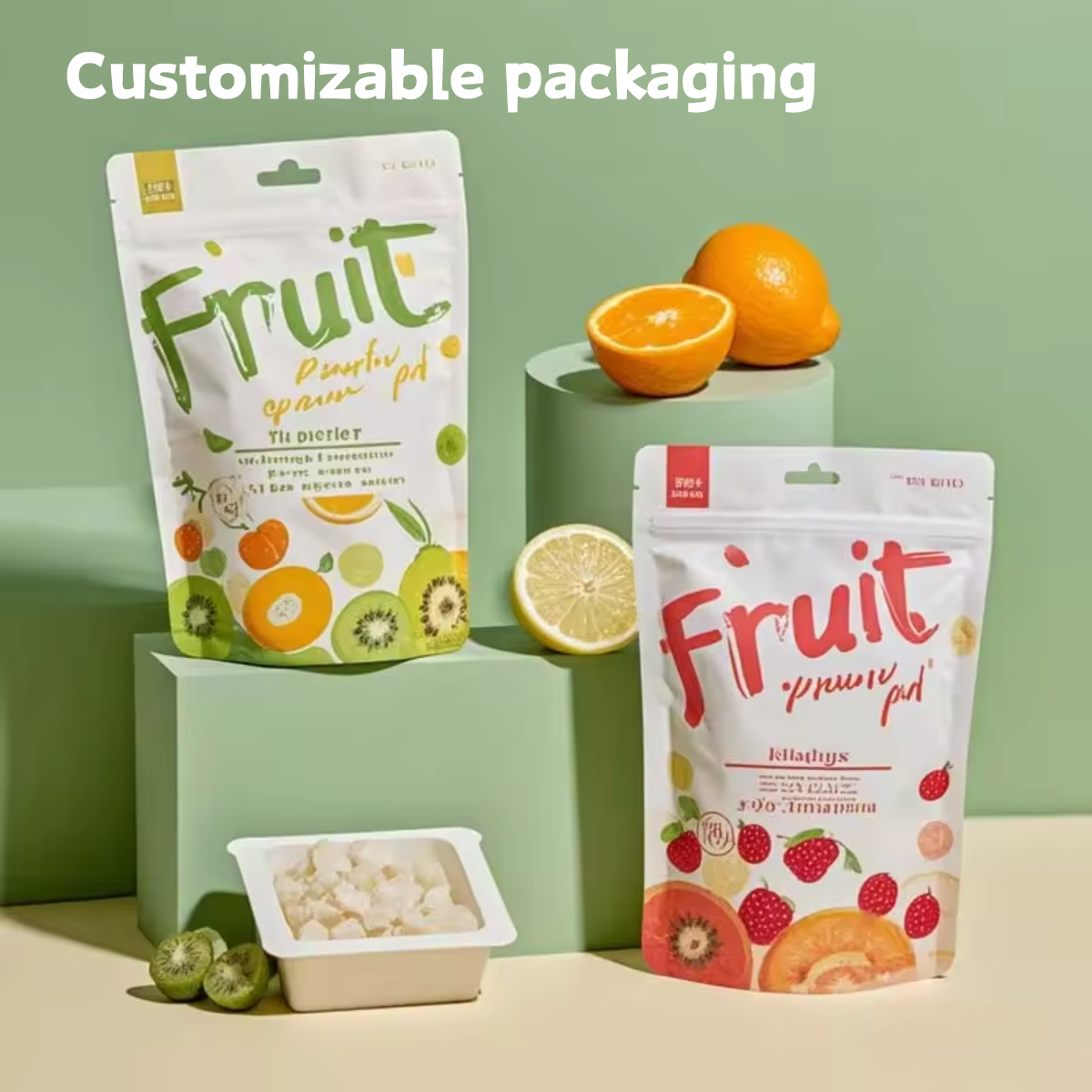
Reusable bags have become an essential business asset for retailers and distributors seeking competitive advantage in today's market. Beyond their environmental appeal, reusable bags deliver measurable financial benefits, enhance brand recognition, and strengthen customer loyalty. For distribution centers managing high-volume operations, reusable bags reduce packaging waste while improving operational efficiency. Retailers gain a powerful marketing tool that travels with customers long after the initial purchase, creating lasting brand exposure at minimal ongoing cost.
The case for reusable bags extends beyond environmental responsibility. Today's consumers actively choose businesses that align with their sustainability values, and reusable bags signal that commitment clearly. For retailers and distributors, implementing reusable bags opens doors to customer segments that prioritize eco-conscious shopping. The transition to reusable bags demonstrates forward-thinking leadership while addressing real operational and financial pressures that every distribution business faces daily.
Cost Efficiency and Long-Term Savings with Reusable Bags
Reducing Packaging Expenses Over Time
Reusable bags offer substantial cost advantages compared to single-use alternatives when analyzed across multiple customer transactions. While initial investment in reusable bags may appear higher, the per-use cost drops dramatically as bags cycle through repeated shipments. Retailers moving high-volume orders benefit immediately from reduced packaging material purchases. Distributors managing thousands of shipments monthly discover that reusable bags eliminate recurring expenses for disposable packaging, creating compounding savings that directly improve profit margins. When reusable bags are properly maintained and tracked, organizations achieve cost parity within the first few months of deployment.
Operational Efficiency and Labor Reduction
Reusable bags streamline warehouse and fulfillment operations by reducing packaging preparation time. Workers spend less time assembling, taping, and labeling single-use containers when reusable bags are pre-manufactured to specification. For retailers, reusable bags that are pre-branded require minimal additional handling at checkout or during order fulfillment. Distributors benefit from standardized reusable bags that fit predictably into sorting systems, shipping containers, and delivery vehicles. This operational simplification reduces labor hours dedicated to packaging tasks, allowing staff to focus on higher-value activities. Systematic use of reusable bags creates measurable productivity gains that multiply across a large distribution network.
Brand Visibility and Customer Loyalty Through Reusable Bags
Extending Marketing Reach Beyond the Sale
Reusable bags function as mobile billboards that carry brand identity into customers' homes, workplaces, and communities. Every time a customer carries a branded reusable bag, the retailer or distributor receives free marketing exposure. Unlike single-use packaging that ends in landfills within days, reusable bags remain active marketing assets for months or years. Studies demonstrate that customers using branded reusable bags unconsciously reinforce their connection to the brand through repeated exposure. For retailers, this extended visibility translates into increased brand recall and word-of-mouth recommendations. Distributors strengthen supplier relationships when their reusable bags become part of customers' daily routines, making reusable bags an investment in sustained brand presence.
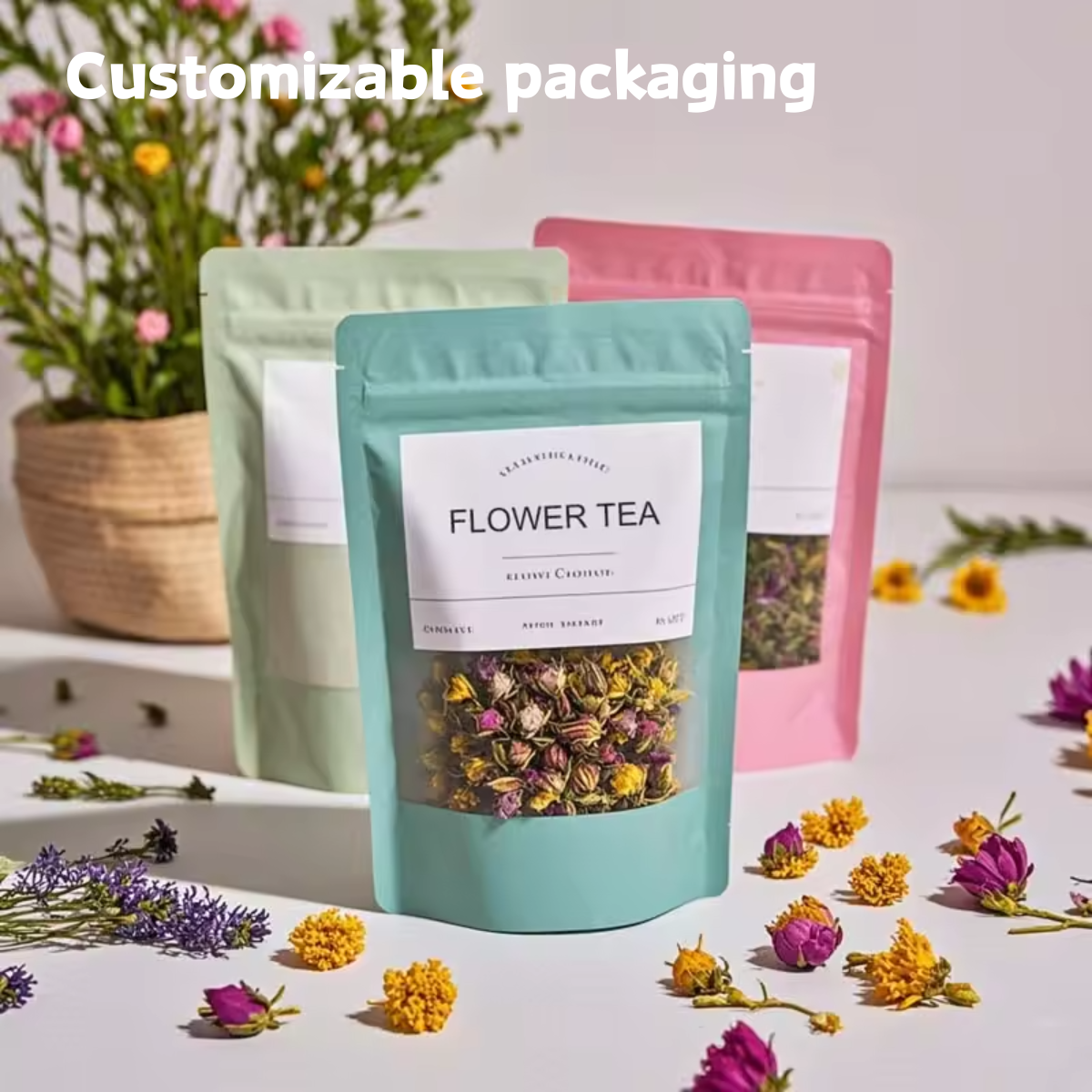
Building Customer Loyalty and Repeat Business
Reusable bags create emotional connections between customers and brands by demonstrating corporate responsibility. Customers who receive high-quality reusable bags perceive retailers and distributors as trustworthy, forward-thinking partners. This positive perception encourages repeat purchases and increases customer lifetime value. When distributors provide custom reusable bags to business clients, they signal investment in the partnership and respect for shared sustainability goals. Retailers offering reusable bags attract environmentally conscious shoppers who become more loyal customers. Research shows that reusable bags increase average transaction frequency among eco-minded consumers, making reusable bags a direct revenue driver rather than merely a cost center.
Environmental Impact and Market Positioning
Meeting Regulatory Trends and Consumer Expectations
Regulatory pressure on single-use plastics continues escalating globally, making reusable bags a proactive compliance strategy. Retailers and distributors that adopt reusable bags ahead of mandatory regulations gain competitive positioning and avoid sudden transition costs. Municipalities increasingly restrict or tax single-use bags, creating direct cost incentives for reusable bags. Consumer surveys consistently show that reusable bags influence purchase decisions, with significant percentages of shoppers actively preferring businesses using sustainable packaging. Distributors serving corporate clients find that reusable bags align with ESG commitments that many companies now require from suppliers. By implementing reusable bags voluntarily, retailers and distributors demonstrate environmental leadership that resonates with stakeholders and employees.
Differentiating Through Sustainable Practices
In crowded retail and distribution markets, reusable bags provide tangible differentiation that competitors cannot quickly replicate. Custom reusable bags bearing company branding create distinctive brand experiences that single-use alternatives cannot achieve. Distributors using reusable bags establish credibility in sustainability-focused supply chains, opening partnerships with environmentally committed enterprises. Retailers featuring reusable bags in marketing campaigns strengthen brand identity and attract media coverage around sustainability initiatives. The combination of practical benefits—reduced costs, enhanced logistics, extended brand exposure—plus environmental credibility makes reusable bags a comprehensive competitive advantage. Organizations that position reusable bags as core to their business philosophy attract talent, investment, and customer loyalty simultaneously.
FAQ
How durable are reusable bags compared to single-use options?
Quality reusable bags typically withstand 50 to 200 uses or more, depending on material and construction. This durability far exceeds single-use bags that serve only one purpose. Reusable bags made from reinforced fabrics or specialized polymers maintain structural integrity through repeated washing, handling, and transport. Retailers and distributors should select reusable bags engineered for their specific use case to maximize lifespan and return on investment. Over their lifetime, reusable bags prove exponentially more cost-effective than purchasing endless quantities of single-use alternatives.
What types of products work best with reusable bags?
Reusable bags excel for clothing, groceries, books, dry goods, pet food, and non-perishable items where repeated customer use is likely. Retailers benefit most when reusable bags contain products customers carry regularly, maximizing brand exposure. Distributors find reusable bags particularly effective for items shipped to businesses that retain packaging for repeated use. Custom reusable bags designed with specific product dimensions and weight capacities ensure optimal performance. Avoid extremely heavy items or sharp-edged products that might compromise bag integrity, unless specialized reusable bags are engineered for those applications.
How should retailers and distributors implement reusable bags successfully?
Begin implementation by selecting reusable bags that match your product specifications and brand aesthetic. Train staff on proper usage, care, and inventory tracking to maximize bag utilization rates. Consider offering reusable bags as optional upgrades initially, then phase toward default use as customers embrace them. Communicate the environmental and brand value of reusable bags through signage, marketing, and staff education. Establish tracking systems to monitor reusable bag usage, durability, and customer feedback, allowing continuous improvement. Partner with suppliers who specialize in custom reusable bags to ensure quality, consistency, and long-term reliability across your distribution network.