EN
EN

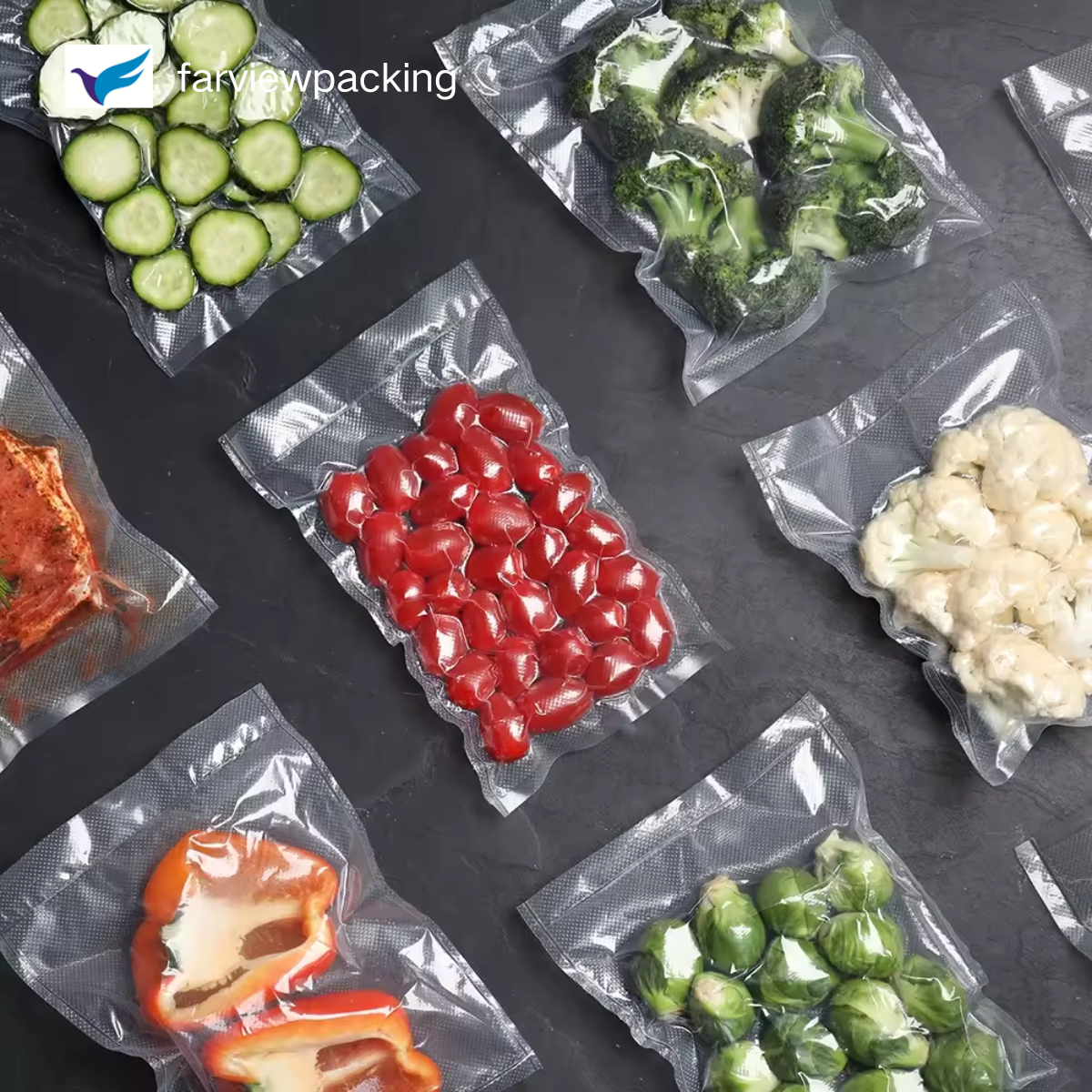
Food safety during distribution remains one of the most critical challenges facing manufacturers, logistics providers, and retailers across the global supply chain. When products move from production facilities through warehouses, transportation networks, and retail environments, they face constant exposure to environmental contaminants, temperature fluctuations, and moisture that can compromise quality and safety. Aluminum foil vacuum packaging bags have emerged as a cornerstone solution for protecting perishable goods throughout this entire journey, providing both physical barrier protection and extended shelf life that conventional packaging cannot match.
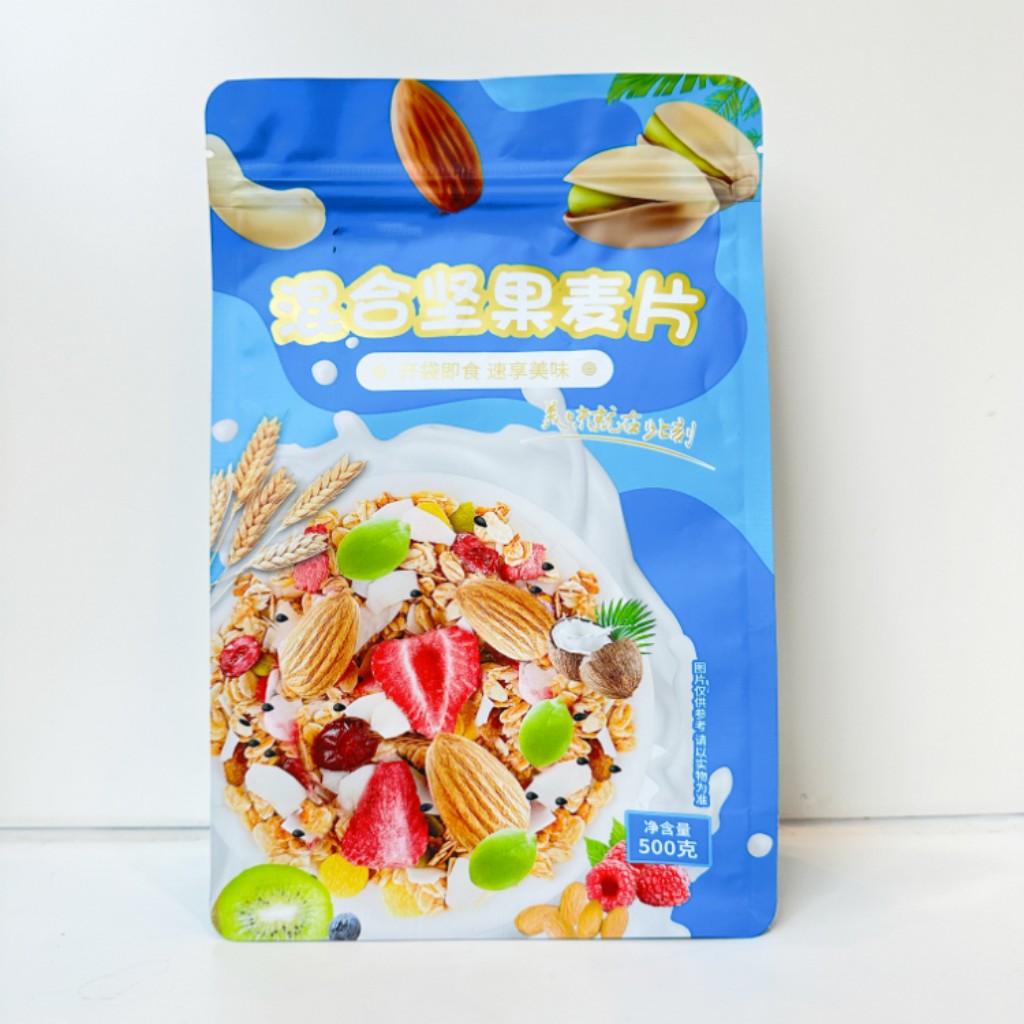
The relationship between packaging integrity and food safety is direct and measurable. Aluminum foil vacuum packaging bags create a hermetic seal that eliminates oxygen, moisture, and external pathogens from reaching the product inside. This multi-layer defense system ensures that food maintains its nutritional value, organoleptic properties, and microbiological safety across the entire distribution pipeline. Understanding why aluminum foil vacuum packaging bags matter so profoundly requires examining their protective mechanisms, regulatory compliance role, and practical impact on supply chain efficiency.
The Oxygen and Moisture Protection Mechanism
How Aluminum Foil Creates a Barrier Environment
Aluminum foil vacuum packaging bags function through layered material construction that blocks both atmospheric gases and water vapor. The aluminum layer itself provides oxygen barrier properties that are superior to standard polyethylene or polypropylene films alone. When aluminum foil vacuum packaging bags are properly sealed around a product, they create an anaerobic environment that prevents oxidation, microbial growth that requires oxygen, and moisture-based degradation. This barrier is not merely protective; it is the foundation upon which food safety compliance is built in modern distribution networks.
The vacuum process removes air before sealing, meaning aluminum foil vacuum packaging bags trap minimal residual oxygen inside the package. This combination of physical air removal and aluminum's inherent oxygen impermeability creates redundant protection layers. Products packaged in aluminum foil vacuum packaging bags experience dramatically slower deterioration rates compared to products in conventional flexible packaging. The moisture barrier is equally critical, as water vapor transmission rates through aluminum foil vacuum packaging bags are measured in milligrams per square meter per day—far below the permeation rates that would trigger mold, bacterial proliferation, or surface degradation.
Extended Distribution Timeline and Shelf Life
When manufacturers use aluminum foil vacuum packaging bags, they gain the ability to extend distribution windows without refrigeration or preservatives. This extension is particularly valuable for nuts, dried fruits, spices, coffee, and specialized food ingredients that represent significant value per unit weight. Aluminum foil vacuum packaging bags allow these products to remain shelf-stable and safe for weeks or months longer than comparable packaging solutions. The extended timeline creates opportunities for broader geographic distribution, reduced need for cold chain logistics, and lower overall spoilage rates that directly impact profitability and sustainability metrics.
Regulatory Compliance and Safety Standards
Meeting Food Grade and Food Safety Requirements
Food safety regulations across North America, Europe, and Asia require packaging materials to meet specific contact and migration standards. Aluminum foil vacuum packaging bags manufactured for food use must comply with FDA regulations, EC Regulation 10/2011, and equivalent standards in other jurisdictions. These regulations mandate that materials used in aluminum foil vacuum packaging bags cannot transfer harmful substances to food products. Manufacturers who specify aluminum foil vacuum packaging bags from compliant suppliers gain documented evidence that their packaging meets these stringent requirements, reducing regulatory risk and liability exposure.
The testing protocols for aluminum foil vacuum packaging bags include migration studies, sensory evaluations, and chemical analysis to ensure no off-flavors or contaminants transfer to packaged goods. Regulatory bodies recognize aluminum foil vacuum packaging bags as a validated technology for pathogen prevention and contamination control. When food safety incidents occur in supply chains, companies using aluminum foil vacuum packaging bags can demonstrate they employed industry-standard protective measures. This documentation becomes critical in liability scenarios, recall situations, and regulatory audits where packaging specification and compliance become central questions.
Preventing Cross-Contamination in Distribution
Distribution environments present multiple contamination vectors: dust, dirt, pest droppings, chemical residues, and cross-contact from other product categories. Aluminum foil vacuum packaging bags provide complete isolation from these environmental hazards. The hermetic seal prevents allergens and foreign particles from migrating into the package, protecting consumers with allergies and sensitivities. This protection is particularly important for facilities that process multiple product categories, where aluminum foil vacuum packaging bags serve as the critical barrier preventing allergenic cross-contact that could trigger serious health incidents.
Practical Supply Chain Benefits and Cost Considerations
Reduced Spoilage and Waste in Multi-Tier Distribution
Distribution chains typically involve multiple handling stages: manufacturing facility storage, regional warehouse storage, retail warehouse processing, and retail shelf positioning. Each stage introduces time delays and environmental stress. Products in aluminum foil vacuum packaging bags experience minimal degradation across these stages because the package environment remains stable regardless of external warehouse conditions. This means spoilage rates decline significantly, reducing the percentage of finished goods that must be written off or returned to suppliers. For perishable items where spoilage represents 5-15% of production, switching to aluminum foil vacuum packaging bags can directly improve gross margins and reduce waste disposal costs.
Retailers also benefit from reduced in-store spoilage. When products arrive in aluminum foil vacuum packaging bags, they maintain their appearance, aroma, and texture on the shelf longer than conventional packaging. This extended retail shelf life means products sell before quality degradation becomes visible to consumers, reducing markdown pressure and improving sell-through rates. The cumulative impact across a supply chain of aluminum foil vacuum packaging bags can mean the difference between profitability and loss for value-sensitive product categories.
Transportation and Handling Resilience
Aluminum foil vacuum packaging bags also provide mechanical protection during distribution. The sealed, rigid structure resists punctures better than standard flexible film, protecting contents from impacts and rough handling that occur in automated sorting facilities and transport vehicles. When aluminum foil vacuum packaging bags are used for bulk distribution, they can be stacked efficiently without crushing or damaging lower packages, reducing physical space requirements and transport costs. The durability of aluminum foil vacuum packaging bags means fewer damaged units arrive at retail, reducing customer complaints and return logistics.
Implementation Considerations for Food Manufacturers
Selecting and Qualifying Aluminum Foil Vacuum Packaging Bags
Manufacturers must evaluate aluminum foil vacuum packaging bags based on multiple criteria: thickness and layer composition, seal strength, oxygen transmission rate, moisture vapor transmission rate, and cost per unit. Different product types require different specifications; aluminum foil vacuum packaging bags for nuts may differ from those for coffee or spices based on oil content, moisture levels, and target shelf life. Establishing relationships with packaging suppliers who can provide detailed technical specifications and testing data for aluminum foil vacuum packaging bags is essential for consistent quality.
Testing aluminum foil vacuum packaging bags before full production rollout is a best practice. Manufacturers should conduct accelerated shelf-life studies, seal strength validation tests, and sensory panels to confirm that aluminum foil vacuum packaging bags maintain product quality throughout the intended distribution timeline. Once qualified, aluminum foil vacuum packaging bags should be locked into supply agreements with reliable delivery schedules, as packaging disruptions directly impact production continuity.
Integration with Quality Management Systems
Aluminum foil vacuum packaging bags must be incorporated into formal quality management and food safety protocols. Documentation should specify the grade, dimensions, seal parameters, and supplier information for aluminum foil vacuum packaging bags used in production. Staff training should emphasize proper sealing techniques, temperature settings, and quality checkpoints that ensure every unit of aluminum foil vacuum packaging bags is sealed correctly. Regular audits should confirm that seal integrity is maintained and that aluminum foil vacuum packaging bags are stored in conditions that prevent degradation before use.
FAQ
Why choose aluminum foil vacuum packaging bags over standard plastic film for food distribution?
Aluminum foil vacuum packaging bags provide superior oxygen and moisture barriers compared to standard plastic films, extending shelf life and preventing oxidation and microbial growth. They meet strict food safety regulations, reduce spoilage rates across distribution channels, and provide mechanical protection during handling. For manufacturers distributing perishable goods across multiple geographic regions, aluminum foil vacuum packaging bags represent the industry standard for maintaining safety and quality throughout the entire supply chain.
How long can food products remain safe and stable in aluminum foil vacuum packaging bags?
The shelf life of products in aluminum foil vacuum packaging bags depends on the specific product, initial moisture content, storage temperature, and light exposure. Properly sealed aluminum foil vacuum packaging bags typically extend shelf life by 50-300% compared to conventional packaging, with some products remaining shelf-stable for 12-24 months or longer. Storage in cool, dry environments away from direct sunlight maximizes the protective benefits of aluminum foil vacuum packaging bags.
Are aluminum foil vacuum packaging bags compliant with international food safety regulations?
Yes, aluminum foil vacuum packaging bags manufactured to food-grade standards comply with FDA regulations, EC Regulation 10/2011, and equivalent food contact material requirements in other jurisdictions. Reputable suppliers of aluminum foil vacuum packaging bags provide certificates of compliance and migration test data confirming that their products meet these regulatory requirements. Manufacturers should verify that their aluminum foil vacuum packaging bags come with complete documentation before incorporating them into their supply chain.