EN
EN

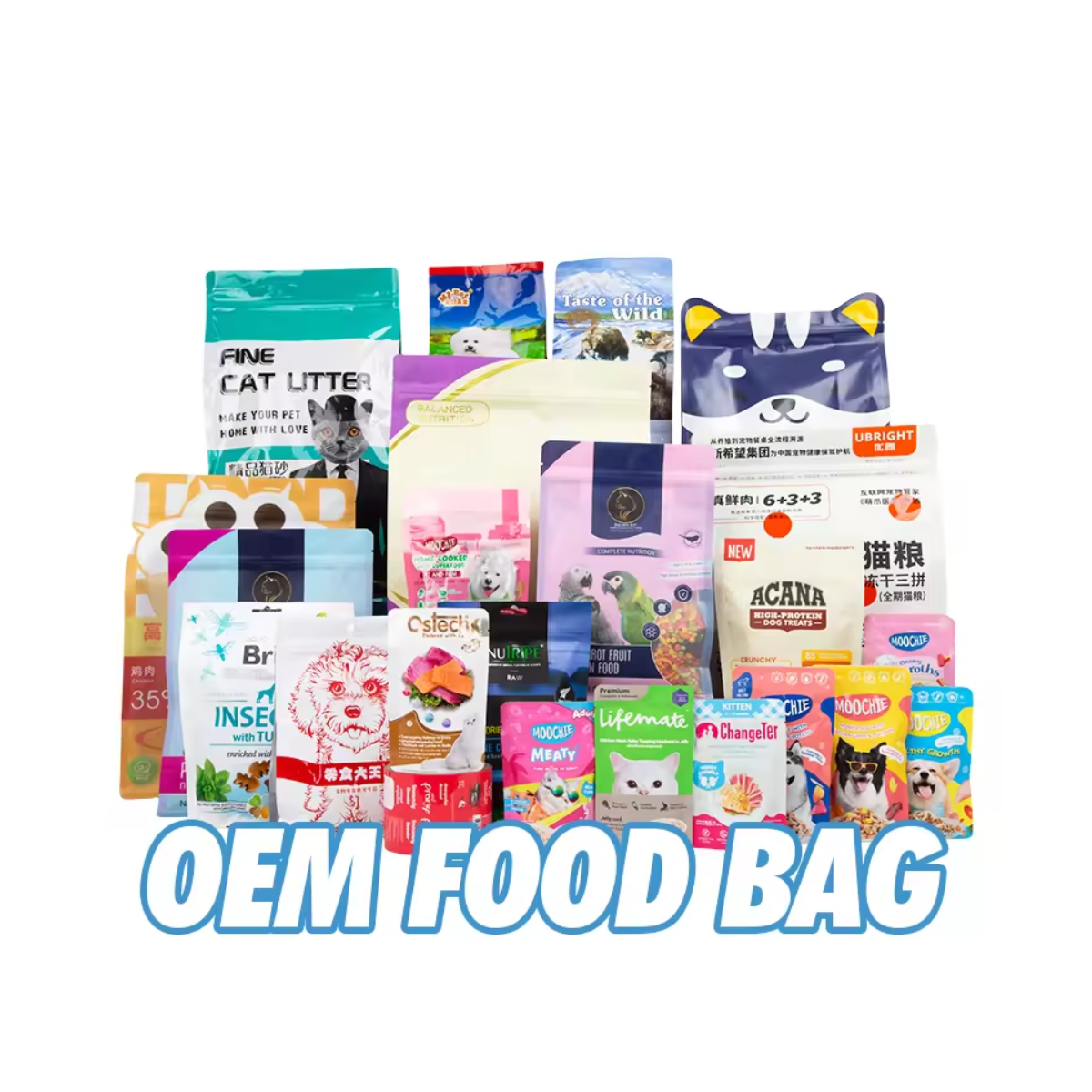
As a packaging procurement manager, I understand that selecting packaging for large-scale operations is not simply a matter of comparing unit prices or choosing an attractive design. The packaging must protect the product, support production efficiency, meet applicable market requirements, and remain consistent throughout repeated purchasing cycles. When evaluating aluminum foil packaging bags, I focus on material performance, sealing reliability, production compatibility, supplier quality management, and long-term supply stability. A packaging decision that appears economical at the quotation stage can become expensive if it leads to product deterioration, production downtime, rejected shipments, or repeated quality complaints.
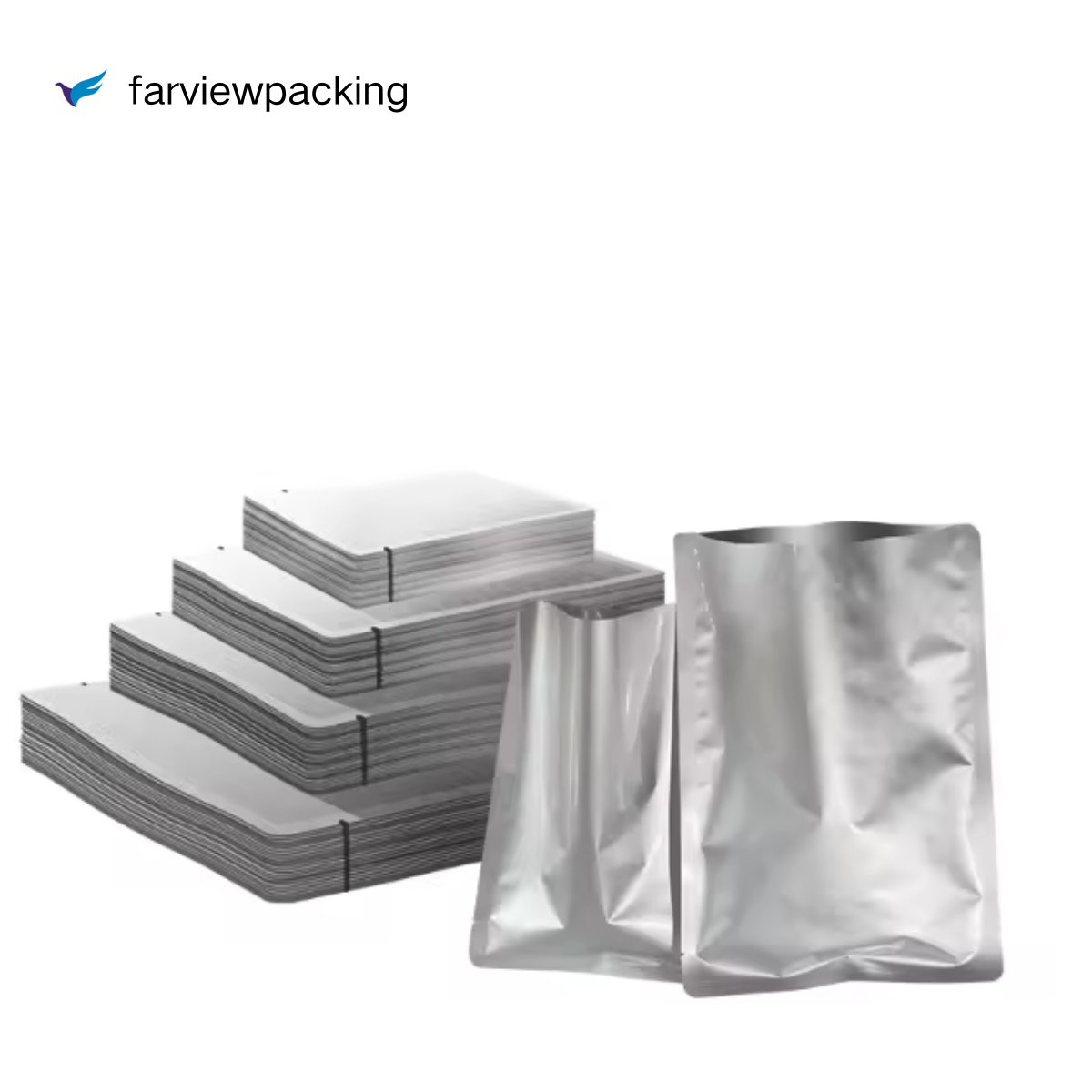
1. Why Aluminum Foil Packaging Bags Matter in Large-Scale Operations
Large-scale manufacturing and distribution operations face challenges that are different from those of small-batch packaging. A business may purchase tens of thousands or even millions of bags over a period of time. At this volume, small differences in material quality, dimensions, sealing performance, or delivery consistency can create significant operational consequences.
Aluminum foil is commonly used as a barrier layer in flexible packaging structures. When properly combined with suitable plastic films and other materials, it can help protect packaged products from light, moisture, oxygen, and external environmental conditions. The actual protection provided depends on the complete laminate structure, manufacturing quality, and intended application.
For example, coffee, tea, powdered foods, and selected industrial products may require packaging with strong barrier properties. However, the best packaging structure for one product may not be appropriate for another. A moisture-sensitive powder, a roasted coffee product, and a heat-processed food product have different requirements.
As a procurement manager, I therefore begin with the product rather than the packaging format. Before requesting a quotation, I need to understand the contents, expected shelf life, filling process, storage environment, transportation conditions, and final market.
2. Key Factors to Consider When Choosing Aluminum Foil Packaging Bags
Material Structure and Barrier Performance
The first consideration is the material structure. A typical aluminum foil laminate may combine PET, aluminum foil, and PE or CPP, depending on the required properties. Other structures may be used for applications requiring additional mechanical strength, special sealing performance, or heat resistance.
Each layer has a purpose. The aluminum layer contributes barrier performance and light protection. The outer layer may provide printability, strength, and resistance to handling. The inner layer is selected for product compatibility and heat sealing.
I would not select a structure based only on the phrase “high barrier.” I would ask the supplier for material specifications, thickness information, and relevant performance data. Where appropriate, oxygen transmission rate and water vapor transmission rate should be evaluated under suitable test conditions.
The correct question is not whether a bag has the highest barrier performance in general. It is whether the selected structure provides the protection required by the specific product throughout its intended storage and distribution period.
Bag Type and Production Line Compatibility
The bag format is equally important. Stand-up pouches, flat bags, side-gusset bags, three-side-seal bags, and other formats may serve different applications.
For large-scale operations, the bag must also work with the existing filling, sealing, and inspection equipment. A bag that performs well in a sample review may still create problems when used on an automated production line.
Before approving a design, I would confirm:
- Bag dimensions and dimensional tolerances
- Opening size and filling requirements
- Seal configuration and sealing method
- Material thickness and flexibility
- Filling equipment and sealing equipment
- Product weight and filling speed
- Storage and transportation conditions
A practical supplier should be willing to discuss these requirements before production. Sample testing under actual or representative operating conditions is more valuable than relying only on a catalogue description.
Printing and Brand Presentation
For branded food, pet food, and consumer product packaging, appearance matters. However, printing quality should be considered together with production requirements.
Important details include color consistency, artwork accuracy, registration, surface finish, and the ability to reproduce the approved design across different production batches.
As a procurement manager, I prefer a documented approval process. The supplier should confirm the artwork, material structure, dimensions, and sample specifications before starting mass production.
This helps reduce misunderstandings between the buyer and manufacturer and creates a reference for future repeat orders.
3. Common Problems in Large-Scale Packaging Procurement
Even when a packaging bag looks acceptable during a visual inspection, problems may emerge during production, storage, or transportation.
Inconsistent Sealing Performance
Weak or inconsistent seals can lead to leakage, product exposure, and packaging waste. For operations using automated filling and sealing equipment, unstable sealing performance may also interrupt production.
The solution is to select a suitable heat-sealing layer and verify seal performance under the intended processing conditions. Seal strength testing and production-line trials can help identify problems before a large order is released.
Delamination and Material Damage
Flexible packaging is a multilayer structure. Poorly controlled lamination, unsuitable material combinations, or rough handling may contribute to delamination or damage.
A procurement manager should request information about the laminate structure, quality control procedures, and relevant testing. Packaging should also be evaluated for the mechanical stresses expected during filling, stacking, transport, and storage.
Dimensional Variation
Small differences in bag dimensions can create difficulties for automated equipment. Inconsistent opening sizes, bag lengths, or seal positions may increase waste or require adjustments.
Clear dimensional specifications and agreed tolerances help reduce this risk. A supplier that can maintain consistent specifications across repeated orders is particularly valuable for large-scale operations.
Incomplete Compliance Documentation
Another common concern is incomplete or overly general certification information. A supplier may provide a document labelled “food grade” or “FDA approved” without explaining which material structure, production site, or intended use it covers.
This is not sufficient for responsible procurement. Compliance documentation should be relevant to the actual finished packaging and its intended application.
4. Food Contact Compliance and Export Requirements
When packaging is intended to come into contact with food, regulatory compliance becomes an essential part of supplier evaluation.
United States: FDA Requirements
For products exported to the United States, food contact materials must comply with applicable FDA requirements. The FDA regulates substances that come into contact with food, including components used in packaging. Depending on the materials and their intended use, compliance may involve applicable regulations or an appropriate food contact notification.
A supplier should be able to provide relevant material information and supporting documentation for the specific packaging structure. A generic statement such as “FDA certified” should not replace verification of the actual materials and intended conditions of use.
European Union: Food Contact Material Requirements
For the European Union, food contact materials must comply with the applicable framework requirements, including Regulation (EC) No 1935/2004. The regulation establishes general safety requirements for materials intended to contact food.
Food contact materials must also be manufactured according to Good Manufacturing Practices under Commission Regulation (EC) No 2023/2006. Where plastic materials are used, Regulation (EU) No 10/2011 may also apply to the relevant plastic components.
Depending on the packaging structure and intended application, buyers may request:
- Food contact compliance documentation
- Declaration of Compliance, where applicable
- Migration test reports
- Material specifications
- Traceability records
- Relevant quality management certificates
The European Commission explains that food contact materials should not release substances into food at levels that could endanger health or cause unacceptable changes to food composition, taste, or smell. These requirements make material selection and manufacturing control important parts of packaging procurement.
Other Export Markets
For Canada, the United Kingdom, Australia, the Middle East, and other markets, requirements should be checked according to the destination country, product category, and intended use.
There is no single certificate that automatically guarantees compliance in every export market. The appropriate documentation depends on the packaging materials, the product being packed, and the regulations applicable to the destination.
For this reason, I would ask the supplier to confirm the target market before selecting the material structure.
5. What Certificates Should a Packaging Supplier Provide?
From a procurement perspective, certificates should be evaluated according to their relevance, validity, and scope.
ISO 9001 Quality Management System
ISO 9001 may demonstrate that a company operates a quality management system. It can be useful when evaluating manufacturing processes, documentation, corrective actions, and continuous improvement.
However, ISO 9001 alone does not prove that a particular packaging bag is suitable for food contact.
BRCGS Packaging Materials
BRCGS Packaging Materials is a packaging safety and quality standard that may be relevant to suppliers serving food and other sensitive industries. Where a supplier holds this certification, buyers should verify the certificate’s validity, certified site, and scope.
HACCP or ISO 22000
HACCP and ISO 22000 may be relevant where packaging production is managed within a food safety framework. Their relevance depends on the company’s operations and the buyer’s requirements.
Food Contact Testing and Declarations
For food packaging, material-specific testing and declarations are often more directly relevant than general company certificates.
I would request documentation that matches the actual packaging structure, including the applicable food contact requirements, material specifications, and test conditions.
A responsible supplier should be able to explain what each document proves and what it does not prove.
6. An Illustrative Procurement Case: Solving a Large-Scale Packaging Problem
Case status: Illustrative scenario for procurement planning, not a verified Farview Packing customer case.
Date and Location
October 15, 2026 — Los Angeles, California, United States
Customer Situation
A hypothetical food packaging distributor in Los Angeles is preparing a large-scale supply program for powdered food products. The procurement team has experienced repeated difficulties with packaging consistency from different suppliers. Some samples appear suitable, but the team is concerned about sealing performance, material documentation, and repeat-order consistency.
The procurement manager needs a packaging solution that can support large-volume purchasing while reducing the risk of production interruptions and rejected packaging.
Procurement Approach
The manager begins by reviewing the product characteristics, required storage conditions, bag dimensions, filling process, and target market.
Instead of selecting the lowest-priced quotation, the team asks shortlisted suppliers to provide:
- Material structure and thickness specifications.
- Bag dimensions and tolerance information.
- Relevant sealing and performance data.
- Food contact compliance documentation, where applicable.
- Production samples for evaluation.
- Information about quality control and repeat-order consistency.
The team then compares the samples against the agreed requirements. The selected structure is approved only after the packaging has been evaluated for its intended application.
Solution Outcome
In this illustrative scenario, the successful procurement outcome is achieved through a controlled specification and approval process rather than through a single product feature.
The packaging supplier supports the buyer by clarifying the material structure, confirming the bag dimensions, providing relevant documentation, and coordinating sample approval before mass production.
The procurement manager gains a clearer basis for comparing suppliers and reducing uncertainty before committing to a large order.
The lesson is important: a successful packaging program depends on cooperation between the buyer and manufacturer. The packaging must be suitable for the product, production process, and market requirements.
7. How to Evaluate a Reliable Packaging Manufacturer
When selecting a long-term packaging supplier, I would evaluate five areas.
Manufacturing Capability
Can the supplier produce the required bag types, material structures, sizes, and printing specifications? Does the production process support the expected order volume?
Quality Control
Does the supplier have documented procedures for material inspection, printing, lamination, sealing, and finished-product inspection?
Compliance Support
Can the supplier provide relevant documentation for the destination market and intended use? Are the documents current and applicable to the actual packaging?
Customization and Communication
Can the supplier discuss specifications clearly, provide samples, and confirm production details before mass production?
Supply Stability
Can the supplier support repeat orders with consistent quality, reasonable production planning, and clear communication about lead times?
These factors help me evaluate the total procurement risk rather than focusing only on the initial unit price.
8. Why Choose Farview Packing for Your Packaging Requirements?
Farview Packing presents itself as a China-based packaging supplier serving international customers with flexible packaging products and customized packaging solutions.
For buyers considering a packaging manufacturer, the relevant evaluation areas include product range, customization capability, quality management, material specifications, and export support.
The company’s product offering includes flexible packaging categories such as plastic packaging bags, food wrapping paper, PE film, and disposable tablecloths. Buyers interested in aluminum foil packaging should confirm the exact available structures, bag types, thickness ranges, and applicable compliance documents with the company.
For a large-scale operation, the most useful next step is to provide the supplier with clear purchasing requirements:
- Product type and contents
- Bag dimensions and preferred format
- Required material structure
- Expected order quantity
- Filling and sealing equipment
- Destination market
- Required certificates and test reports
- Delivery schedule
This information enables the supplier to evaluate the application and provide a more relevant quotation.
Conclusion
Choosing packaging for large-scale operations requires a structured approach. Material structure, barrier performance, sealing reliability, equipment compatibility, quality consistency, and regulatory compliance all influence the final purchasing decision.
As a packaging procurement manager, I would not choose a supplier based solely on a low price or attractive sample. I would look for a manufacturer that can understand the application, clarify specifications, provide relevant documentation, and support consistent production over time.
The right aluminum foil packaging bags should be selected according to the product’s protection requirements, the production environment, and the applicable market regulations. By combining technical evaluation with responsible supplier selection, businesses can reduce procurement risks and build a more reliable packaging supply chain.
If you are planning a large-volume packaging project, contact Farview Packing to discuss your product requirements, customization options, and applicable compliance documentation before placing an order.
Table of Contents
- 1. Why Aluminum Foil Packaging Bags Matter in Large-Scale Operations
- 2. Key Factors to Consider When Choosing Aluminum Foil Packaging Bags
- 3. Common Problems in Large-Scale Packaging Procurement
- 4. Food Contact Compliance and Export Requirements
- 5. What Certificates Should a Packaging Supplier Provide?
- 6. An Illustrative Procurement Case: Solving a Large-Scale Packaging Problem
- 7. How to Evaluate a Reliable Packaging Manufacturer
- 8. Why Choose Farview Packing for Your Packaging Requirements?
- Conclusion