EN
EN

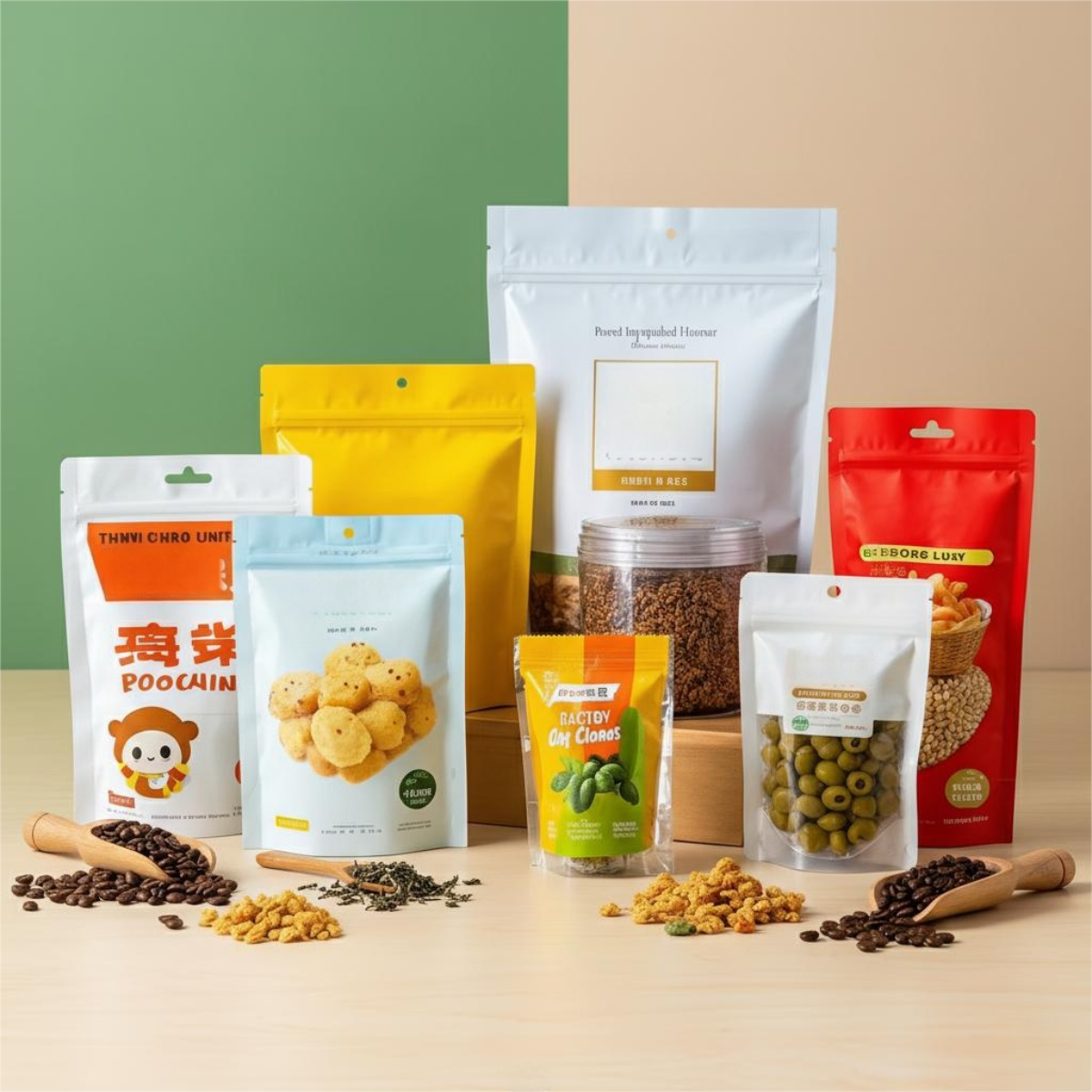
Food distribution is becoming more complex as manufacturers, wholesalers, retailers, and foodservice suppliers manage longer supply chains, changing consumer preferences, rising logistics costs, and stricter packaging requirements. For snack producers, packaging is no longer only a way to contain products. It is an important tool for protecting food quality, improving transportation efficiency, supporting brand growth, and reducing operational waste.
Snack pack innovations can help businesses respond to these challenges through improved materials, smarter package formats, resealable designs, portion control, better barrier performance, and more efficient production processes. When packaging is developed according to the needs of the entire distribution system, it can create value from manufacturing to final consumption.
1. Improve Product Protection During Transportation
Snacks are often distributed through multiple channels before reaching the final customer. Products may be transported from a factory to a regional warehouse, then to wholesalers, retailers, convenience stores, vending operators, or online customers.
During this process, snack packaging may be exposed to:
- Vibration
- Compression
- Stacking pressure
- Temperature changes
- Humidity
- Rough handling
- Long-distance transportation
- Repeated loading and unloading
A suitable snack pack should protect the product against physical damage and environmental exposure.
For fragile snacks such as potato chips, crackers, cookies, and puffed snacks, packaging must help reduce crushing and breakage. For nuts, dried fruit, and roasted seeds, the package may need stronger protection against oxygen and moisture.
Innovative packaging structures can improve durability while maintaining a practical weight and material cost. Stronger seals, improved film performance, and better package dimensions can reduce leakage and product loss during distribution.
2. Extend Product Freshness and Shelf Stability
Many snack products are sensitive to oxygen, moisture, light, and odor transfer. These factors can affect taste, texture, aroma, and overall product quality.
For example:
- Chips may lose their crisp texture when exposed to moisture.
- Nuts may develop an unpleasant flavor through oxidation.
- Cookies may become soft in humid conditions.
- Dried fruit may absorb moisture during storage.
- Seasoned snacks may lose aroma if the packaging barrier is insufficient.
High-performance packaging materials can help protect snacks throughout the supply chain. Depending on the product, businesses may consider multilayer films, metallized films, aluminum foil laminates, or other barrier structures.
The right material should be selected according to:
- Product moisture level
- Oxygen sensitivity
- Fat content
- Light sensitivity
- Expected shelf-life target
- Storage temperature
- Distribution distance
- Packaging equipment
Improved barrier performance can help reduce quality complaints and support more reliable distribution to distant markets.
3. Reduce Product Breakage and Packaging Waste
Snack distribution often involves a balance between product protection and packaging efficiency. Excessively weak packaging may lead to product damage, while unnecessarily heavy packaging can increase material use and shipping costs.
Innovative snack packs can address this issue through:
- Better film strength
- Optimized bag dimensions
- Improved sealing areas
- Protective internal space
- Flexible but durable structures
- More suitable package shapes
- Better carton and pallet compatibility
For fragile products, the package should provide enough internal protection without creating excessive empty space.
A well-designed package can also improve carton utilization. If bags are easier to stack and arrange, businesses may be able to load more products per carton or pallet. This can reduce the number of shipments required and improve warehouse efficiency.
4. Improve Logistics and Storage Efficiency
Packaging design has a direct impact on transportation and warehouse operations. Snack products are often distributed in large volumes, so small improvements in package dimensions can create significant savings.
Businesses should consider how the packaging performs during:
- Carton packing
- Pallet stacking
- Warehouse storage
- Container loading
- Retail shelf placement
- E-commerce fulfillment
Flexible snack bags may require less storage space than rigid containers, depending on the product and package format. Stand-up pouches can improve shelf presentation while using a relatively efficient structure.
Flat bags, gusseted bags, pillow bags, and stand-up pouches may all be suitable for different snack applications. The best choice depends on product shape, fill weight, distribution channel, and equipment.
For large-scale food distribution, packaging engineers should evaluate the complete logistics process instead of focusing only on the individual bag.
5. Support Portion Control and Multiple Sales Channels
Snack consumption is becoming more varied. Products may be sold through supermarkets, convenience stores, vending machines, schools, offices, foodservice suppliers, subscription boxes, and online platforms.
Different channels require different package sizes.
Common options include:
- Single-serving packs
- Small trial packs
- Family-size bags
- Multi-packs
- Foodservice packs
- Bulk distribution bags
- Variety packs
- Subscription packages
Portion-sized packaging can help businesses serve different customer groups while supporting inventory management.
For retail, smaller packs may be suitable for impulse purchases and convenience. For wholesalers and foodservice distributors, larger packs may reduce handling and improve shipping efficiency.
A flexible packaging supplier can help businesses develop several sizes using a consistent material structure and brand design.
6. Add Resealable and Easy-Open Features
Convenience is an important part of modern snack packaging. Consumers may not finish a package in one sitting, especially when buying larger portions.
Resealable features can help improve usability and support product protection after opening.
Potential options include:
- Zipper closures
- Tear notches
- Easy-open seals
- Slider closures
- Resealable adhesive systems
- Handle openings
- Controlled dispensing features
A zipper may be useful for nuts, dried fruit, granola, cookies, and family-size snacks. A tear notch can make the package easier to open without scissors.
However, functional features should be selected according to the product and distribution requirements. Additional components may affect production costs, package dimensions, sealing performance, and minimum order quantities.
7. Improve Brand Visibility Across Distribution Channels
Packaging is an important communication tool for snack brands. A clear and recognizable package can help products stand out in crowded retail environments and improve brand consistency across different markets.
Snack pack innovations can include:
- High-quality custom printing
- Matte or gloss finishes
- Clear product windows
- Special color systems
- Embossed logos
- Foil effects
- Spot finishes
- QR codes
- Product storytelling
- Multi-language information
For businesses with several snack varieties, packaging can use a consistent visual identity while distinguishing products through color, flavor, size, or ingredient information.
For example, a brand may use different colors for:
- Barbecue flavor
- Cheese flavor
- Sea salt flavor
- Spicy flavor
- Sweet flavor
- Organic product lines
A consistent packaging system can make it easier for distributors and retailers to organize products while helping customers identify the brand.
8. Improve Inventory and Product Identification
Packaging innovation can also support warehouse and distribution management.
Businesses may add:
- Barcodes
- QR codes
- Batch numbers
- Production dates
- Expiration dates
- Product codes
- Case labels
- Pallet identification
- Traceability information
These details can improve inventory control and support more accurate product tracking.
For large B2B distribution operations, packaging should be designed with both consumer information and warehouse handling in mind. The information should be clear, durable, and positioned so that it can be scanned or checked efficiently.
Accurate batch identification can also support product recalls, quality investigations, and stock rotation when necessary.
9. Support E-Commerce and Direct-to-Consumer Distribution
Online food sales create additional packaging challenges. Snack products shipped through e-commerce may experience more handling than products delivered directly to a retail store.
Packaging should therefore consider:
- Parcel transportation
- Multiple handling points
- Outer-carton protection
- Product breakage
- Package appearance upon arrival
- Shipping weight
- Storage duration
- Customer convenience
For fragile snacks, the primary bag may need additional protection inside the shipping carton. Strong seals and suitable film performance can help reduce leakage and damage.
Packaging design should also consider whether the product will be sold individually, in bundles, or as part of a subscription service.
A package that performs well on a retail shelf may require additional testing before being used for direct shipping.
10. Reduce Total Distribution Costs
Packaging innovation should create measurable commercial value. A new package may have a higher unit price but still reduce total costs through improved performance.
Potential cost savings may come from:
- Lower product breakage
- Fewer leakage complaints
- Reduced material waste
- Better carton utilization
- Lower shipping weight
- More efficient pallet loading
- Faster packing speed
- Improved warehouse handling
- Longer product stability
- Fewer product returns
For example, a better-sized snack bag may use less film while improving carton capacity. A stronger seal may reduce product loss during transportation. A higher-barrier structure may help reduce quality complaints in overseas markets.
Procurement teams should evaluate total cost of ownership rather than comparing only the price per bag.
11. Consider Sustainable Packaging Options
Sustainability is becoming an important consideration for food manufacturers and distributors. However, packaging changes should be evaluated carefully to ensure that environmental goals do not reduce food protection.
Potential approaches include:
- Lightweighting
- Reducing unnecessary layers
- Optimizing bag dimensions
- Using recyclable structures where suitable
- Increasing recycled content where permitted
- Reducing production waste
- Improving carton efficiency
- Using packaging materials with clearer end-of-life options
The most suitable solution depends on the local recycling system, food-contact requirements, product sensitivity, and available packaging technology.
A thinner package is not automatically more sustainable if it causes product damage or food waste. The packaging strategy should consider both material use and the value of the food being protected.
12. Confirm Food-Contact Compliance
Snack packaging must be suitable for its intended food-contact application and destination market.
Businesses should request relevant documentation, such as:
- Food-contact compliance statements
- Material specification sheets
- Migration test reports
- Declaration of Compliance
- Certificate of Analysis
- Batch traceability records
- Factory audit reports
- Quality management certificates
For the U.S. market, packaging components that contact food must meet applicable food-contact requirements. This may include films, adhesives, inks, coatings, and other components.
For the European market, applicable requirements may include Regulation EC 1935/2004 and Good Manufacturing Practice Regulation EC 2023/2006. Plastic materials may also be subject to Regulation EU 10/2011.
Depending on customer requirements, additional certifications may include:
- ISO 9001
- BRCGS Packaging Materials
- ISO 22000
- HACCP-based food safety documentation
Buyers should verify the certificate scope, validity period, issuing organization, covered factory, and applicable product range.
13. Test Packaging Under Real Distribution Conditions
Before launching a new snack pack, businesses should complete practical testing.
Testing may include:
- Drop testing
- Compression testing
- Seal strength testing
- Puncture testing
- Leakage testing
- Moisture barrier testing
- Oxygen barrier testing
- Temperature testing
- Vibration testing
- Shelf-life testing
- Machine compatibility testing
The package should be tested with the actual snack product and under realistic storage and transportation conditions.
For export orders, testing should consider the complete journey from the factory to the destination warehouse. A package that performs well during local delivery may require additional protection for international transportation.
14. Choose a Supplier With B2B Production Capability
A reliable snack packaging supplier should be able to support both customization and long-term supply.
Important supplier capabilities include:
- Material structure development
- Custom bag sizes
- Multi-color printing
- Functional feature integration
- Sample production
- Food-contact documentation
- Production capacity
- Quality inspection
- Batch consistency
- Export packing
- Replenishment support
Before placing a large order, buyers should confirm:
- Minimum order quantity
- Production lead time
- Printing setup fees
- Sample approval process
- Material availability
- Quality tolerance
- Inspection standards
- Shipping method
- Carton specifications
- After-sales support
For long-term distribution programs, consistent quality and reliable delivery are as important as the initial sample.
Conclusion
Snack pack innovations can improve food distribution by protecting product quality, reducing breakage, extending freshness, improving storage efficiency, supporting brand recognition, and lowering total logistics costs.
The most effective packaging solution combines suitable materials, practical bag formats, reliable sealing, convenient features, accurate labeling, and strong quality control. It should also match the product’s storage conditions, distribution channel, and target market.
For snack manufacturers, wholesalers, and distributors, packaging should be treated as part of the complete supply chain rather than a simple container. By working with an experienced packaging manufacturer and testing designs under real operating conditions, businesses can develop snack packs that improve efficiency, reduce risk, and support sustainable long-term growth.
Table of Contents
- 1. Improve Product Protection During Transportation
- 2. Extend Product Freshness and Shelf Stability
- 3. Reduce Product Breakage and Packaging Waste
- 4. Improve Logistics and Storage Efficiency
- 5. Support Portion Control and Multiple Sales Channels
- 6. Add Resealable and Easy-Open Features
- 7. Improve Brand Visibility Across Distribution Channels
- 8. Improve Inventory and Product Identification
- 9. Support E-Commerce and Direct-to-Consumer Distribution
- 10. Reduce Total Distribution Costs
- 11. Consider Sustainable Packaging Options
- 12. Confirm Food-Contact Compliance
- 13. Test Packaging Under Real Distribution Conditions
- 14. Choose a Supplier With B2B Production Capability
- Conclusion