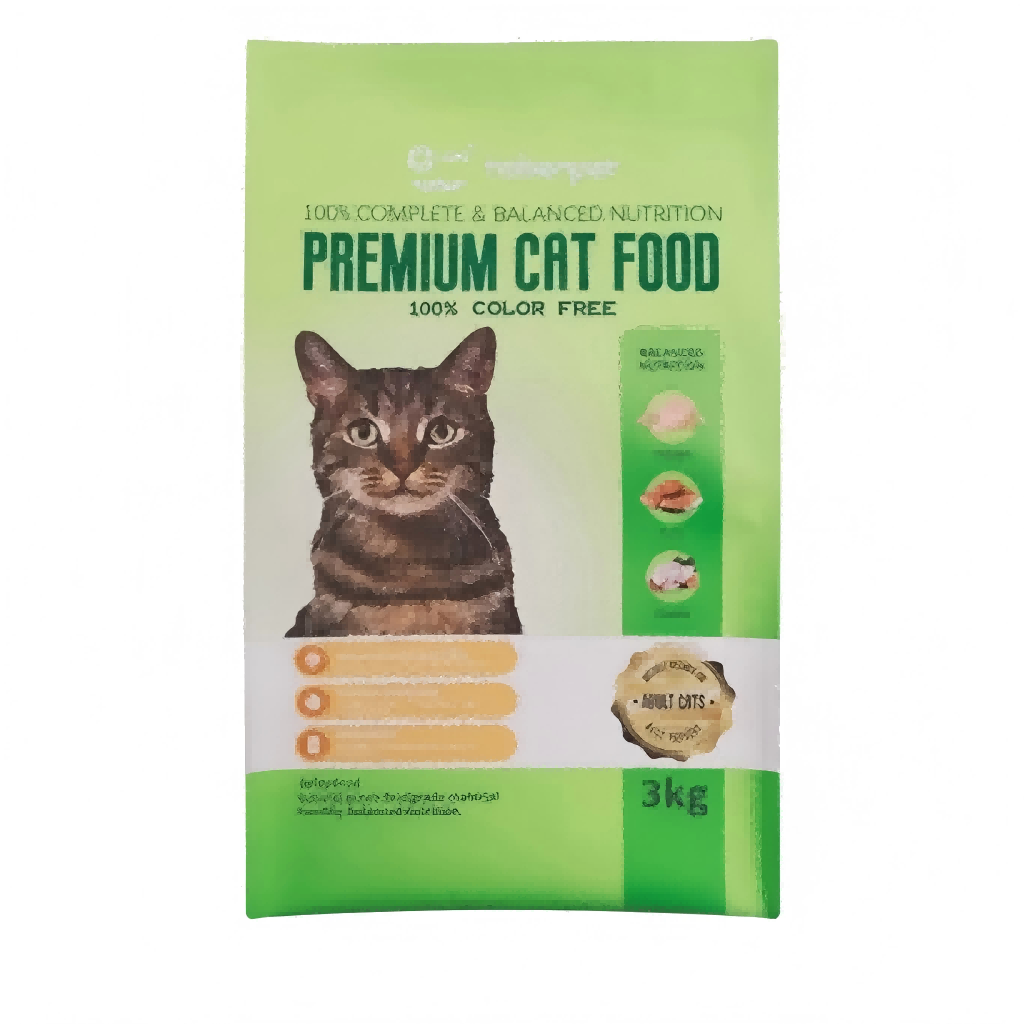
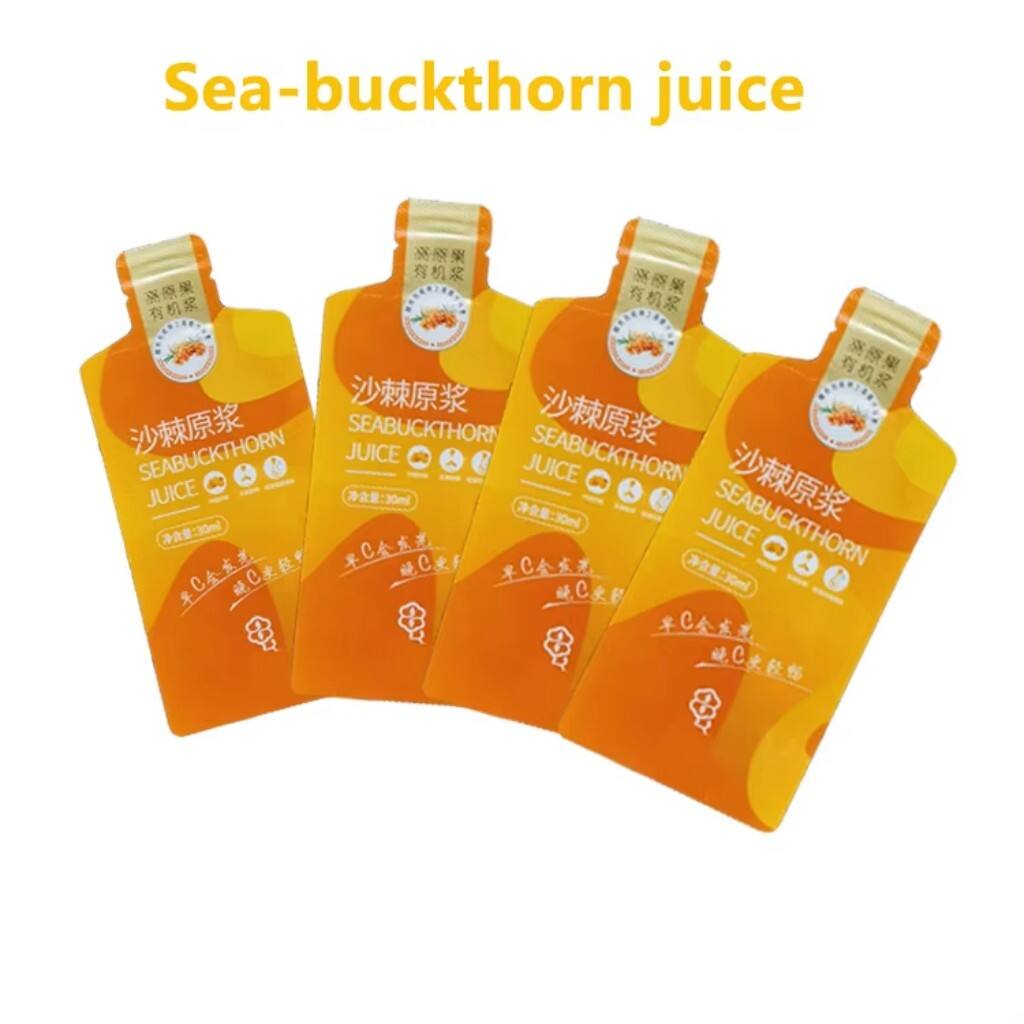
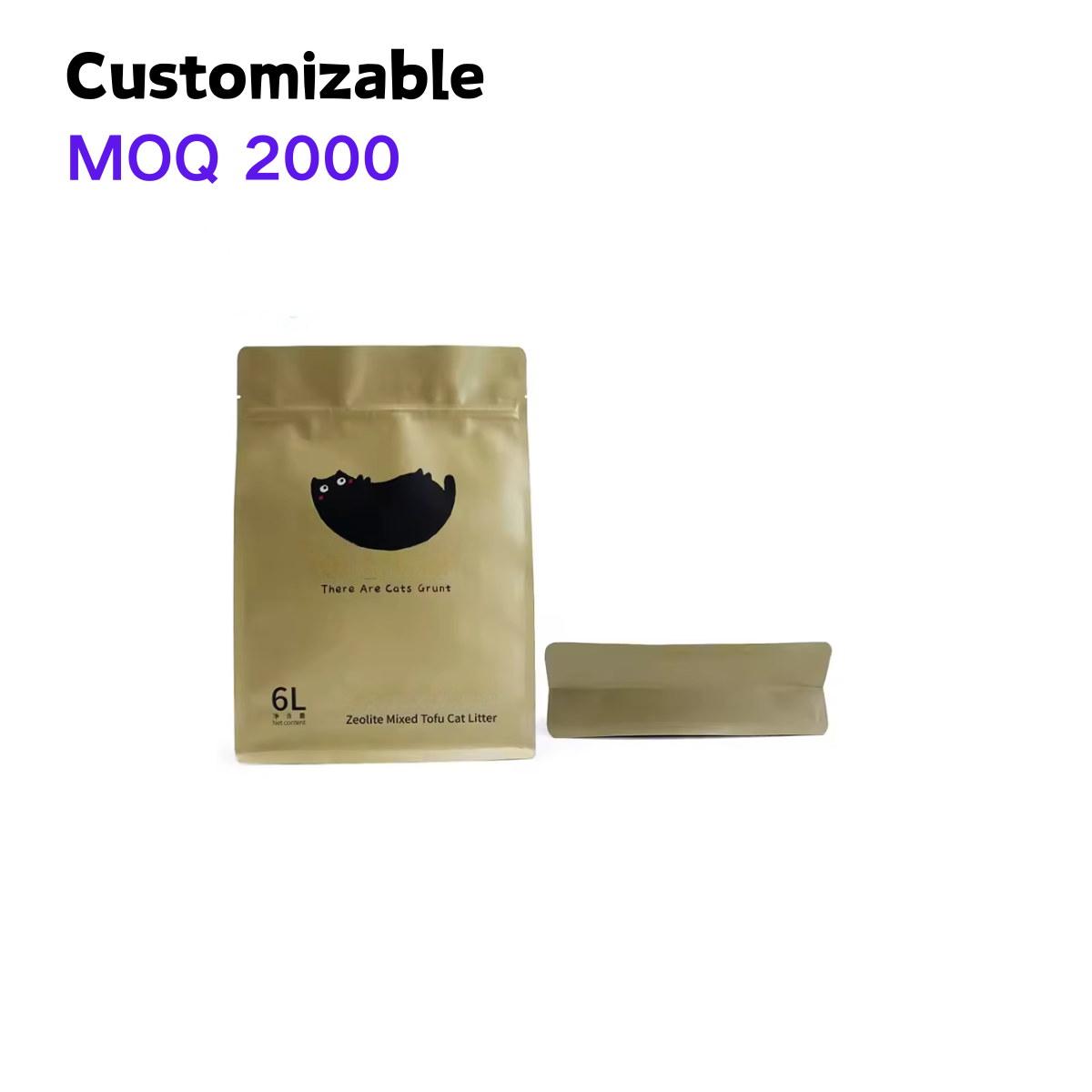
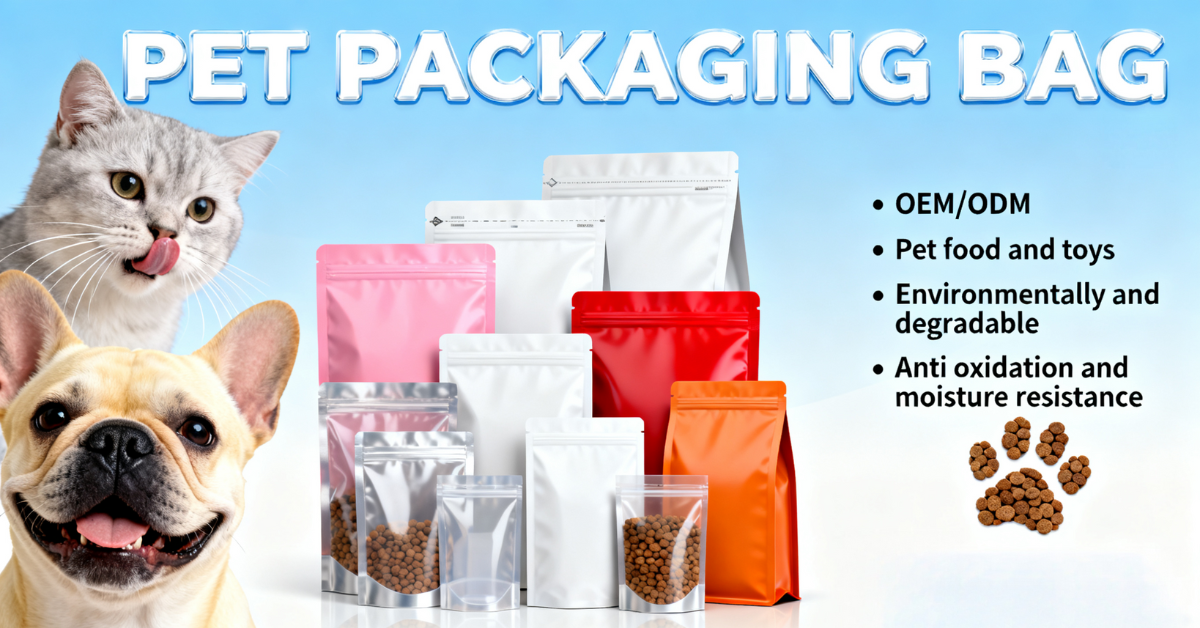
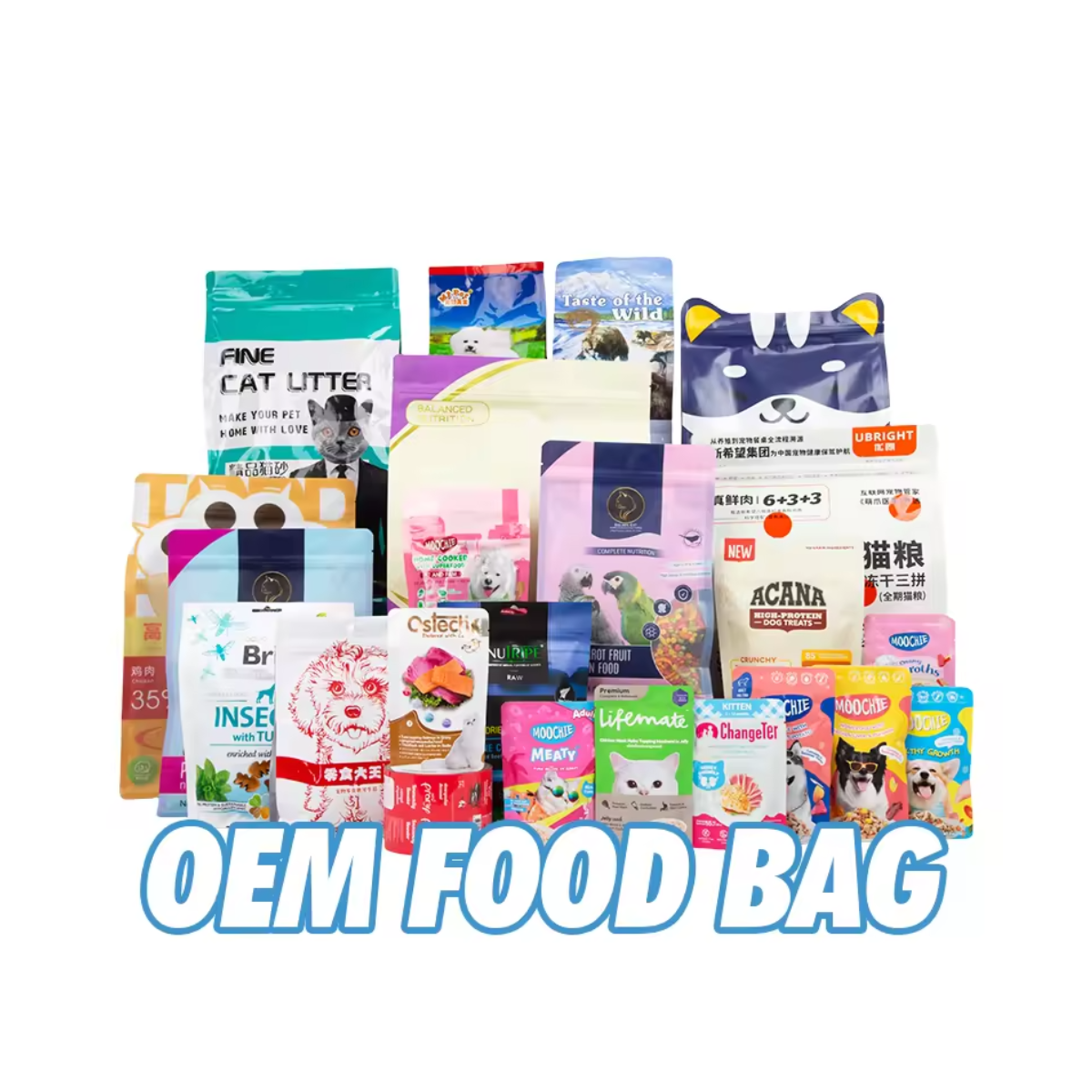
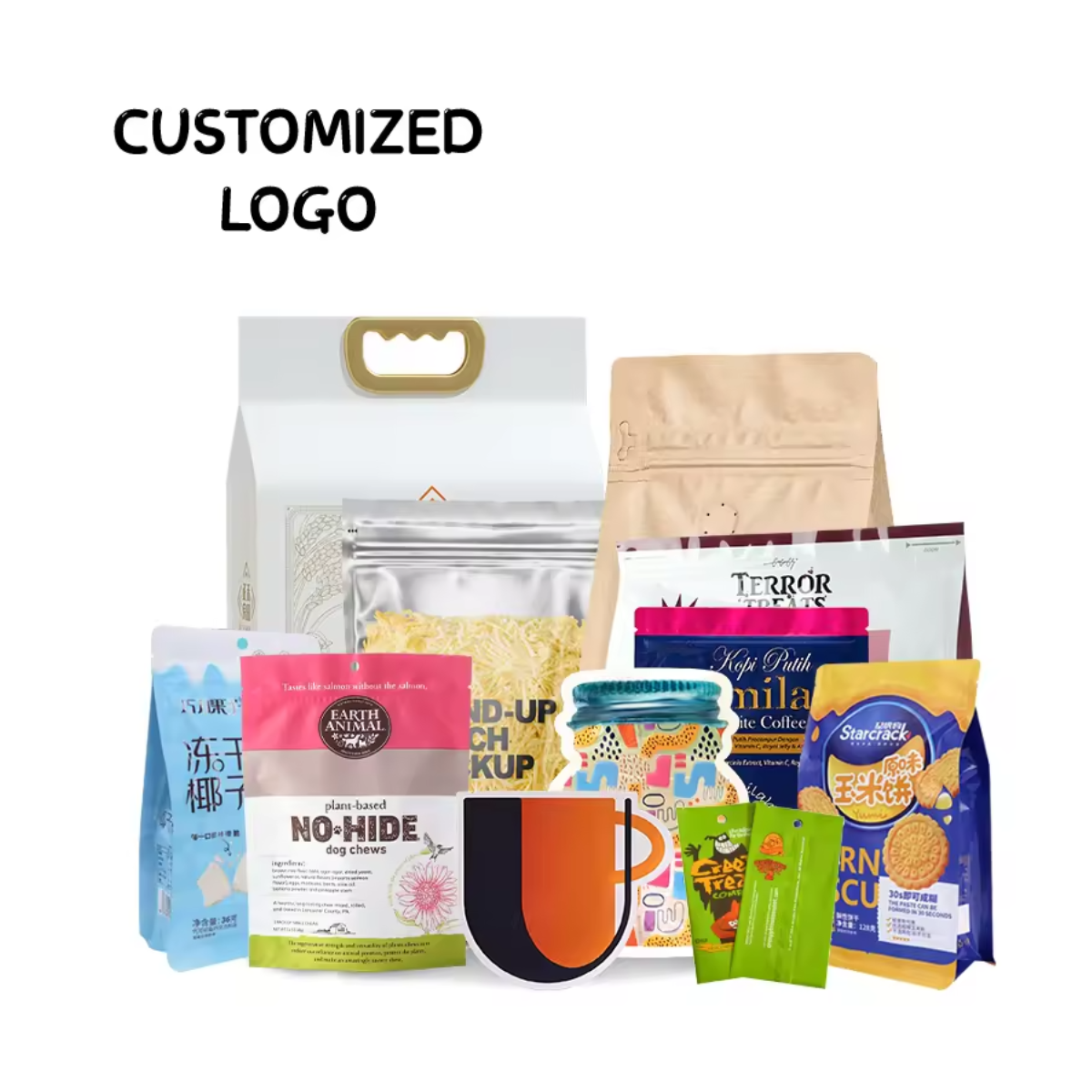
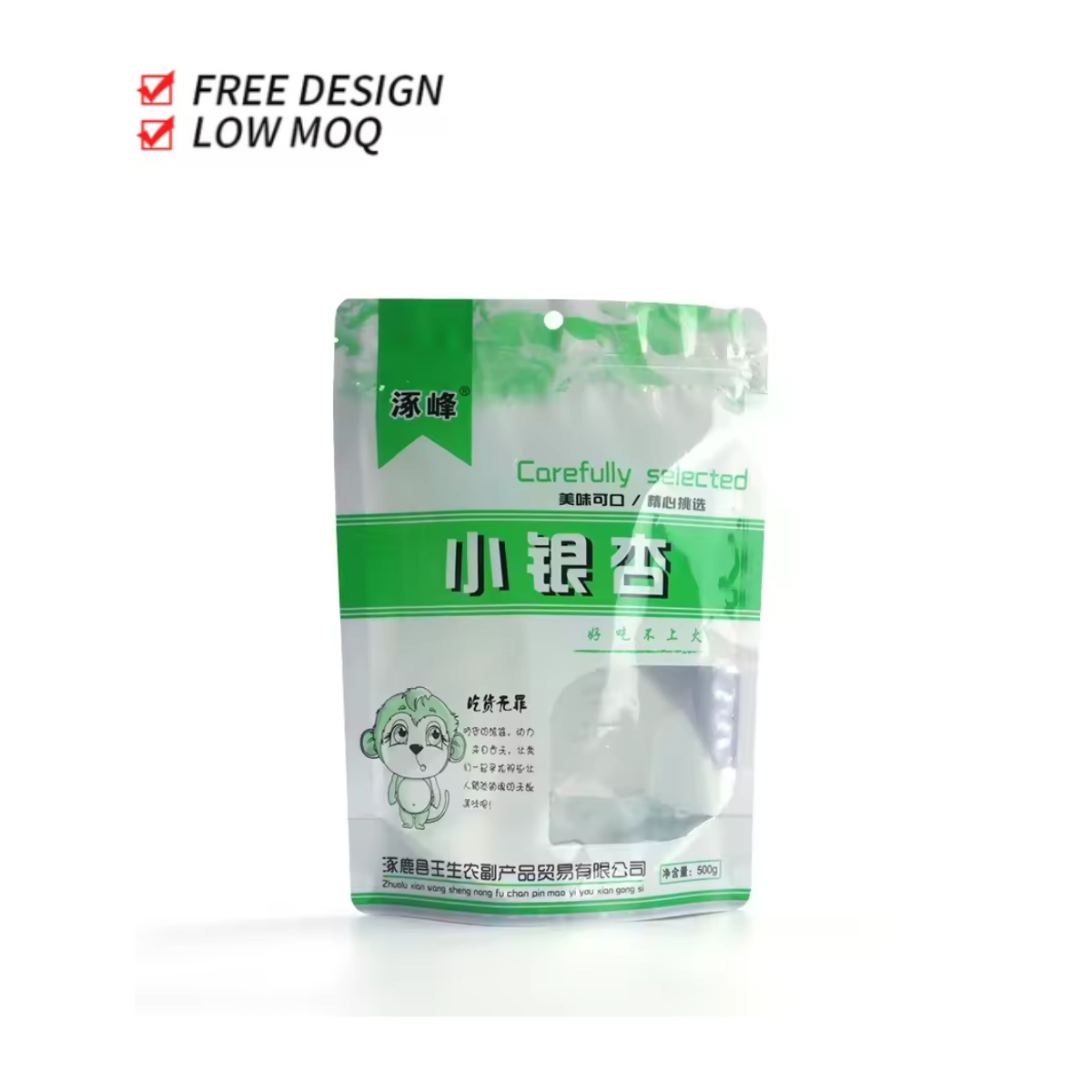
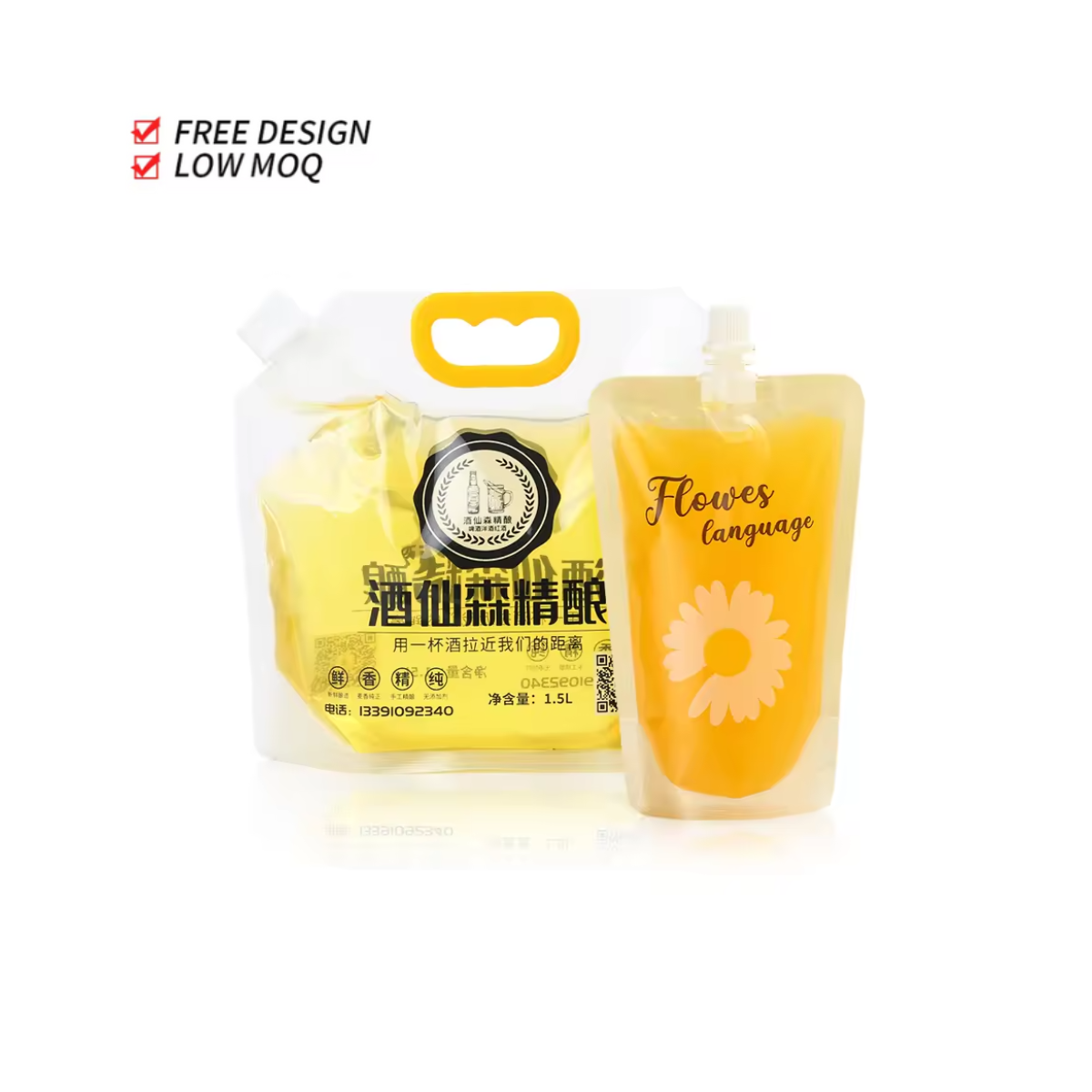
Comprehensive Integrated Packaging Solutions - Streamlined Operations & Advanced Technology

Get a Free Quote

Our representative will contact you soon.
Email
Mobile
Name
Company Name
Message
0/1000

integrated packaging solutions

Integrated packaging solutions represent a comprehensive approach to modern packaging challenges, combining multiple packaging functions into unified systems that streamline operations and enhance efficiency. These advanced solutions encompass design, manufacturing, fulfillment, and logistics coordination within a single framework, eliminating the need for businesses to manage multiple vendors and processes separately. The core functionality of integrated packaging solutions centers on consolidating various packaging requirements under one umbrella, including primary packaging, secondary packaging, protective materials, labeling, and distribution preparation. This holistic approach enables companies to achieve seamless coordination between different packaging stages while maintaining quality control throughout the entire process. Technologically, integrated packaging solutions leverage cutting-edge automation systems, advanced materials science, and intelligent tracking mechanisms to deliver superior performance. Smart sensors monitor package integrity during transit, while automated packaging lines ensure consistent quality and speed. Radio frequency identification technology and barcode systems provide real-time visibility into package location and status, enabling precise inventory management and supply chain optimization. Machine learning algorithms analyze packaging performance data to continuously improve processes and reduce waste. The applications of integrated packaging solutions span numerous industries, from e-commerce and retail to pharmaceuticals and food processing. Online retailers utilize these systems to handle high-volume order fulfillment with customized packaging requirements, while pharmaceutical companies rely on them to maintain strict compliance with regulatory standards. Food manufacturers benefit from integrated temperature-controlled packaging that preserves product quality from production to consumer delivery. Electronics companies use specialized protective packaging integrated with anti-static materials and shock absorption features. Manufacturing facilities implement these solutions to reduce operational complexity, minimize handling errors, and accelerate time-to-market for new products, making integrated packaging solutions essential for competitive advantage in today's fast-paced business environment.

New Products

Integrated packaging solutions deliver substantial cost savings by eliminating redundancies and reducing vendor management overhead. Companies typically reduce packaging costs by twenty to thirty percent when switching from fragmented approaches to comprehensive integrated systems. This reduction stems from bulk purchasing power, streamlined negotiations with single suppliers, and elimination of duplicate administrative processes. Labor efficiency improves dramatically as workers no longer need to coordinate between multiple packaging stages or handle material transfers between different stations. Quality control becomes more consistent and reliable when integrated packaging solutions manage the entire process under unified standards and protocols. This consistency reduces product damage rates, customer complaints, and costly returns that drain profitability. Speed to market accelerates significantly because integrated systems eliminate bottlenecks and delays that occur when coordinating between separate packaging vendors and processes. Companies report thirty to fifty percent faster packaging throughput when implementing comprehensive integrated solutions. Inventory management becomes simpler and more accurate as businesses track fewer supplier relationships and maintain clearer visibility into packaging material usage and availability. Risk mitigation improves substantially because integrated packaging solutions provide backup capabilities and redundant systems that prevent single points of failure from disrupting operations. Supply chain visibility increases through centralized tracking and reporting systems that provide real-time insights into packaging performance and logistics coordination. Environmental sustainability enhances as integrated systems optimize material usage, reduce waste generation, and implement recycling programs more effectively than fragmented approaches. Scalability becomes effortless because integrated packaging solutions adapt to changing volume requirements without requiring extensive vendor renegotiations or system reconfigurations. Customer satisfaction increases through more consistent packaging quality, faster delivery times, and reduced damage rates that result from professionally managed integrated processes. Regulatory compliance becomes easier to maintain and audit when working with specialized integrated packaging providers who understand industry requirements and maintain current certifications. Technology adoption accelerates as integrated providers invest in advanced systems that individual companies might find too expensive to implement independently. These comprehensive advantages make integrated packaging solutions essential investments for businesses seeking sustainable competitive advantages in increasingly demanding markets.

Practical Tips

How Do Seal Bags Enhance Food Safety and Product Protection

24

Mar

How Do Seal Bags Enhance Food Safety and Product Protection

Seal bags represent a cornerstone technology in modern food packaging, delivering critical protection that extends far beyond simple containment. These specialized packaging solutions create controlled barriers against contamination, moisture, oxygen...
View More
How to Maintain Product Freshness in Pet Food Packaging

23

Apr

How to Maintain Product Freshness in Pet Food Packaging

Maintaining product freshness in pet food packaging is a critical challenge that directly impacts pet health, product quality, and brand reputation. The degradation of nutritional value, flavor, and safety can occur rapidly when pet food is exposed t...
View More
Choosing the Right Aluminum Foil Packaging Bags for Large-Scale Operations

23

Apr

Choosing the Right Aluminum Foil Packaging Bags for Large-Scale Operations

Large-scale manufacturing and distribution operations face critical packaging decisions that directly impact product quality, operational efficiency, and bottom-line profitability. When handling thousands or millions of units daily, the choice of alu...
View More
How Coffee Packaging Can Help Businesses Maintain Freshness in Bulk Orders

23

Apr

How Coffee Packaging Can Help Businesses Maintain Freshness in Bulk Orders

Maintaining coffee freshness in bulk orders presents a critical challenge for businesses in the coffee industry, from roasters to distributors to commercial buyers. The quality deterioration that occurs when coffee is exposed to oxygen, moisture, lig...
View More

Get a Free Quote

Our representative will contact you soon.
Email
Mobile
Name
Company Name
Message
0/1000

integrated packaging solutions

Seamless Multi-Channel Distribution Coordination

Seamless Multi-Channel Distribution Coordination

Modern businesses face unprecedented complexity in managing distribution across multiple sales channels, from direct-to-consumer e-commerce platforms to traditional retail partnerships and wholesale operations. Integrated packaging solutions address this challenge by providing sophisticated coordination capabilities that automatically adjust packaging specifications, labeling requirements, and shipping preparations based on destination channel requirements. This intelligent system eliminates manual intervention and reduces errors that commonly occur when managing diverse packaging needs through separate processes. The technology behind seamless distribution coordination includes advanced order management systems that interface directly with inventory management, customer relationship management, and warehouse management platforms to ensure accurate package preparation for each unique channel requirement. For e-commerce orders, the system automatically selects appropriate protective materials and branded packaging elements while generating shipping labels with correct carrier information and tracking codes. Retail partnerships receive packages formatted according to specific planogram requirements, barcode specifications, and display-ready configurations that reduce receiving time and improve shelf presentation. Wholesale orders benefit from bulk packaging optimization that maximizes trailer utilization while ensuring product protection during extended transportation periods. The value proposition extends beyond simple packaging coordination to encompass comprehensive logistics optimization that reduces shipping costs through intelligent carrier selection, zone skipping strategies, and consolidation opportunities. Real-time visibility dashboards provide stakeholders with complete transparency into packaging status, shipping progress, and delivery confirmation across all channels simultaneously. This visibility enables proactive issue resolution and customer communication that enhances satisfaction and reduces support costs. Quality assurance protocols ensure consistent packaging standards regardless of destination channel, protecting brand reputation and reducing return rates that can significantly impact profitability. The system's adaptability allows businesses to easily add new sales channels or modify existing requirements without disrupting established processes or requiring extensive system modifications. Performance analytics provide insights into channel-specific packaging efficiency, cost optimization opportunities, and customer preference trends that inform strategic decision-making and continuous improvement initiatives.
Advanced Material Optimization and Sustainability Integration

Advanced Material Optimization and Sustainability Integration

Environmental responsibility and cost efficiency converge through advanced material optimization capabilities that represent a cornerstone benefit of integrated packaging solutions. This sophisticated approach analyzes product characteristics, shipping distances, handling requirements, and environmental conditions to select optimal packaging materials that minimize waste while ensuring adequate protection throughout the entire supply chain journey. The system maintains extensive databases of material properties, including strength characteristics, environmental impact metrics, recyclability ratings, and cost factors that enable intelligent decision-making for each packaging application. Machine learning algorithms continuously analyze packaging performance data to identify opportunities for material reduction without compromising protection levels, often achieving fifteen to twenty-five percent material savings compared to traditional approaches. Sustainability integration encompasses comprehensive lifecycle assessment capabilities that track carbon footprint, renewable content percentages, and end-of-life disposal options for all packaging materials used in the integrated system. This tracking enables businesses to generate detailed sustainability reports that support corporate environmental initiatives and meet increasingly stringent regulatory requirements. The solution includes partnerships with certified sustainable material suppliers who provide innovative packaging options made from recycled content, biodegradable materials, and renewable resources that align with corporate sustainability goals without sacrificing performance or cost-effectiveness. Right-sizing technology ensures packages match product dimensions precisely, eliminating unnecessary void space that increases shipping costs and material consumption. This optimization reduces dimensional weight charges from carriers while improving shipping efficiency and reducing environmental impact through better vehicle utilization. The system also implements intelligent material substitution capabilities that automatically recommend alternative materials when primary choices become unavailable or when cost fluctuations make substitutions economically advantageous. Quality testing protocols verify that material optimizations maintain or improve protection levels, ensuring that cost savings and sustainability improvements never compromise product integrity or customer satisfaction. Supplier diversity programs integrated into the material optimization process support local and minority-owned businesses while reducing transportation-related emissions through shortened supply chains. These comprehensive material management capabilities position businesses as environmental leaders while delivering measurable cost savings and operational efficiency improvements.
Real-Time Analytics and Predictive Performance Management

Real-Time Analytics and Predictive Performance Management

Data-driven decision making becomes reality through comprehensive real-time analytics and predictive performance management capabilities embedded within integrated packaging solutions. This sophisticated system continuously monitors packaging performance across all operational aspects, from material usage efficiency and labor productivity to shipping damage rates and customer satisfaction metrics. Advanced sensors throughout packaging facilities collect granular data on equipment performance, environmental conditions, and process efficiency that feeds into centralized analytics platforms capable of identifying optimization opportunities and potential issues before they impact operations. Predictive algorithms analyze historical performance patterns, seasonal trends, and external factors to forecast packaging demand, material requirements, and capacity needs with remarkable accuracy. This forecasting capability enables proactive resource planning that prevents stockouts, reduces rush shipping costs, and ensures consistent service levels during peak demand periods. Machine learning models identify correlations between packaging variables and performance outcomes, revealing insights that human analysis might overlook and enabling continuous process refinement that drives operational excellence. Real-time dashboards provide stakeholders with immediate visibility into key performance indicators, including packaging throughput, quality metrics, cost per package, and delivery performance statistics. These dashboards enable rapid response to emerging issues and facilitate data-driven discussions about operational improvements and strategic initiatives. Automated alerting systems notify relevant personnel when performance metrics deviate from established thresholds, enabling immediate corrective action that prevents minor issues from escalating into major problems. The analytics platform integrates seamlessly with enterprise resource planning systems, customer relationship management platforms, and supply chain management tools to provide holistic visibility across all business functions affected by packaging operations. Comparative analysis capabilities enable benchmarking against industry standards and historical performance to identify competitive advantages and improvement opportunities. Cost modeling tools help evaluate the financial impact of packaging changes, material substitutions, and process modifications before implementation, reducing risk and ensuring positive return on investment. Customer feedback integration allows correlation of packaging decisions with satisfaction scores, return rates, and repeat purchase behavior to optimize packaging from the customer experience perspective. These comprehensive analytics capabilities transform packaging from a necessary cost center into a strategic advantage that drives business growth and competitive differentiation.
Comprehensive Integrated Packaging Solutions - Streamlined Operations & Advanced Technology

Get a Free Quote

Our representative will contact you soon.
Email
Mobile
Name
Company Name
Message
0/1000