מאז 2026, תעשיית אריזות הפלסטיות עוברת התמרה מעמיקה ומורכבת. תהליך זה נגרם בשל שלושת הכוחות הבאים: שחרור ביקוש מתמשך, חידוד התקנות הסביבתיות ומערכת יישומים סופיים משופרת; ובהתאם לכך, תעשיית אריזות הפלסטיות בסין מתחילה לנטוש את דרכו של הרחבה מוגזמת, ומעבירה את מיקודה למסלול פיתוח באיכות גבוהה, המאופיין בדפוס ייצור ירוק ונמוך פחמן, בשימוש חוזר מחזורי וביעילות אינטליגנטית. המבנה התעשייתי ממשיך להתעדכן, והכוח המניע החדשנות משתחרר באופן מתמיד.
1. טרנספורמציה יציבה: מהנעה על ידי מדיניות ליישום תעשייתי
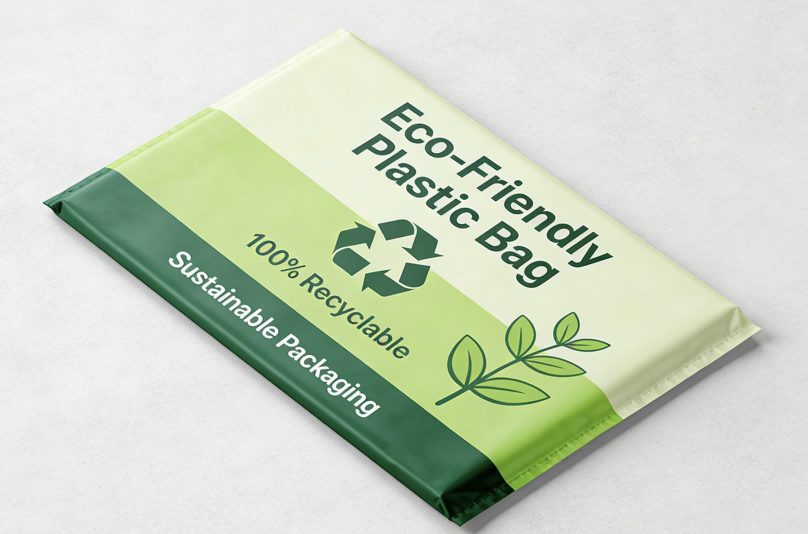
ב-2026, ממשלות ברחבי העולם התחילו להטיל מגוון גובר של הגבלות ואיסורים על מוצרים פלסטיים חד-פעמיים, מה שגרם להשפעות מסוימות על תעשיית אריזות הפלסטיק. יש לארגונים להתאים את עיצוב המוצרים ובחר החומרים כדי לעמוד בדרישות הרגולטוריות המחמירות יותר ויותר. ההתפתחות המהירה של חלופות כגון חומרים דרואים ביולוגית, חומרים מתחדשים ואריזות נייר יצרה אף היא לחץ תחרותי על אריזות הפלסטיק המסורתית. חלק מצרכנים וארגונים מעדיפים לבחור בחלופות ידידותיות לסביבה, דרואים ביולוגית או ניתנות למחזור. ההמרה לאריזות ברת-קיימא מתמודדת עם אתגרים טכנולוגיים כגון עלות גבוהה של חומרים דרואים ביולוגית, חוסר מספיק בבניית מערכות מחזור ויציבות איכות לא אחידה בחומרים מוחזרים.
2. חדשנות טכנולוגית: שדרוג תהליכים הנובע משלושה תרחישים עיקריים ליישום
השדרוג הטכנולוגי של אריזות פלסטיק מפגין מאפיינים של פיתוח מבוסס תרחישים ומערכת. שלושת תחומי היישום העיקריים – בטיחות המזון, כימיקלים יומיומיים וטיפוח יופי, ולוגיסטיקה של מסחר אלקטרוני – הפכו לנקודות מרכז מפתח שמדחיקות את החדשנות הטכנולוגית בתעשייה.
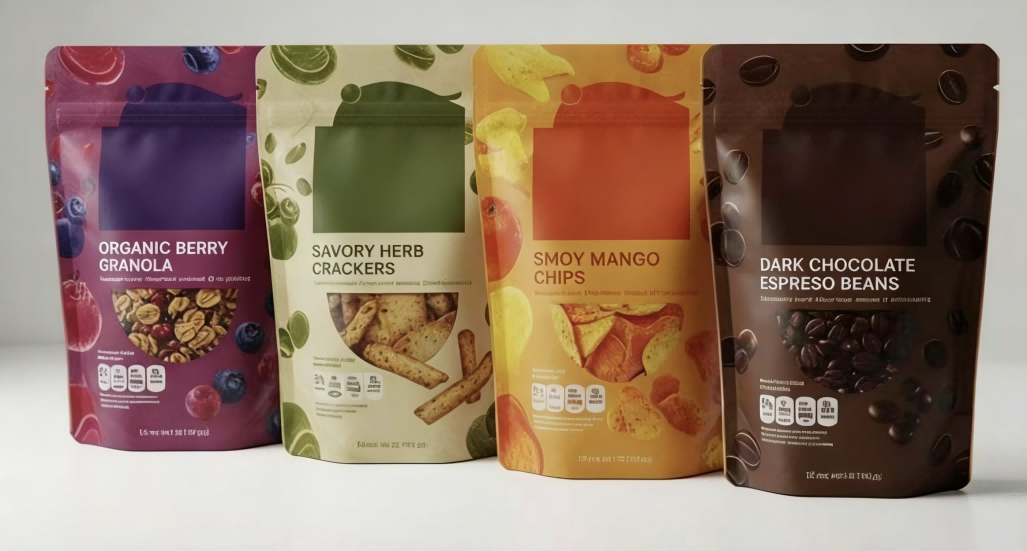
בתחום אריזות המזון, טכנולוגיות מחסום גבוה ושימור טרי הפכו למסלול המרכזי. אריזות אטמוספירה معدلת ומבנים רב-שכבותיים עם מחסום גבוה הפכו לפתרונות הנפוצים בתעשייה. מבנה רב-שכבותי מורכב המשלב מגוון חומרים מיוחדים יוצר מחסום שימור טרי עם מחסום גבוה, המאריך באופן משמעותי את תקופת ההישרדות של מוצרי המזון.
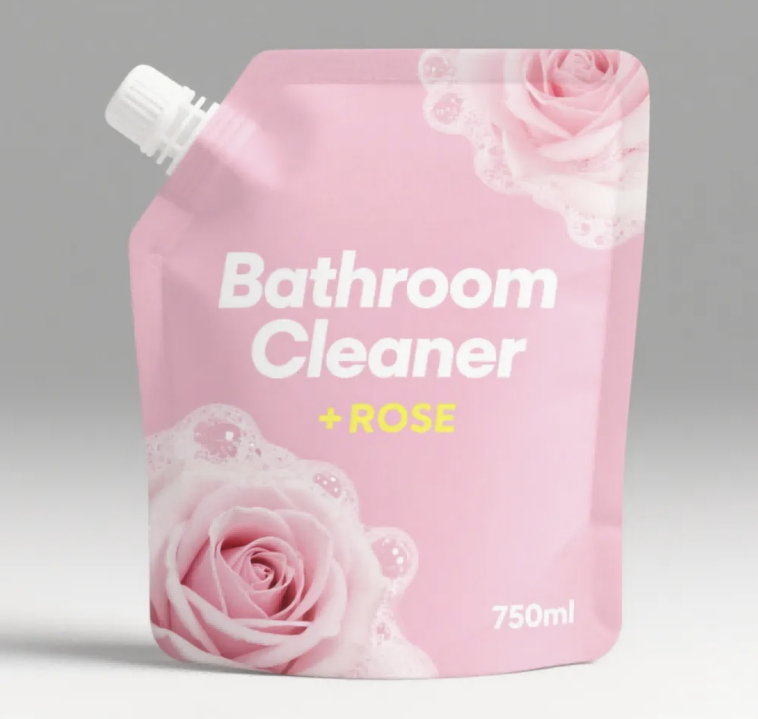
אריזות למוצרי כימיה יומיומית מתפתחות במקביל בכיוון של הגנת הסביבה, אסתטיקה והפיכתן לאישיות. עליית רשתות התקשורת החברתית הפכה את האריזות בעלות ערך גבוה וקלות ההתפשטות שלהן לכלי חשוב להבחנה בין המותגים. אריזות פלסטיק לא רק מבטיחות אחסון ותפעול בטוחים של מוצרי הכימיה היומיומית, אלא גם משפרות את נוחיות השימוש בהם, ומספקות תמיכה חזקה למחזור ולצריכה של מוצרים אלו. במקביל, טכנולוגיית ההדפסה הדיגיטלית מאיצה את חדירתה, ומאפשרת למותגים לייצר לפי דרישה ולהגשים במהרה אריזות מוגבלות באישיות.
בתחום אריזת הלוגיסטיקה לסחר אלקטרוני, הפחתה ואופטימיזציה של יעילות המחזור הפכו לכיווני הפיתוח העיקריים. נתונים מהסוכנות הממלכתית לדואר מראים שכרך שירותי הדואר המהיר בסין עלה באופן חם, ובלא זה גם הלחץ על צריכת האריזות ועל מחזורן. דקיקת סרטים, יציקת פלסטיק בדפנות דקיקות וטכנולוגיית מיקרו-תנופה הפכו לכיווני הפיתוח העיקריים בטכנולוגיות הקלות.

חברת Farview International Trade Co., Ltd. בייג'ינג מחזיקה ברוח של שיפור מתמיד ועיקשון, ומשלבת טכנולוגיות אריזה מסורתיות עם מושגים מודרניים של אריזה ירוקה.

 EN
EN