Etter hvert som kjæledyrøkonomien fortsetter å blomstre, har det blomstrende dyrefôrmarkedet direkte drevet den iterative oppgraderingen av oppstrømsindustrien for plastemballasjeposer til kjæledyrfôr. I den senere tid, drevet av flere faktorer som fordypningen av det globale konseptet om bærekraftig utvikling og oppgraderingen av forbrukernes etterspørsel, bryter plastemballasjeposeindustrien til kjæledyrfôr med den tradisjonelle omfattende utviklingsmodellen og akselererer sin transformasjon mot samsvar, funksjonalitet og grønn utvikling.
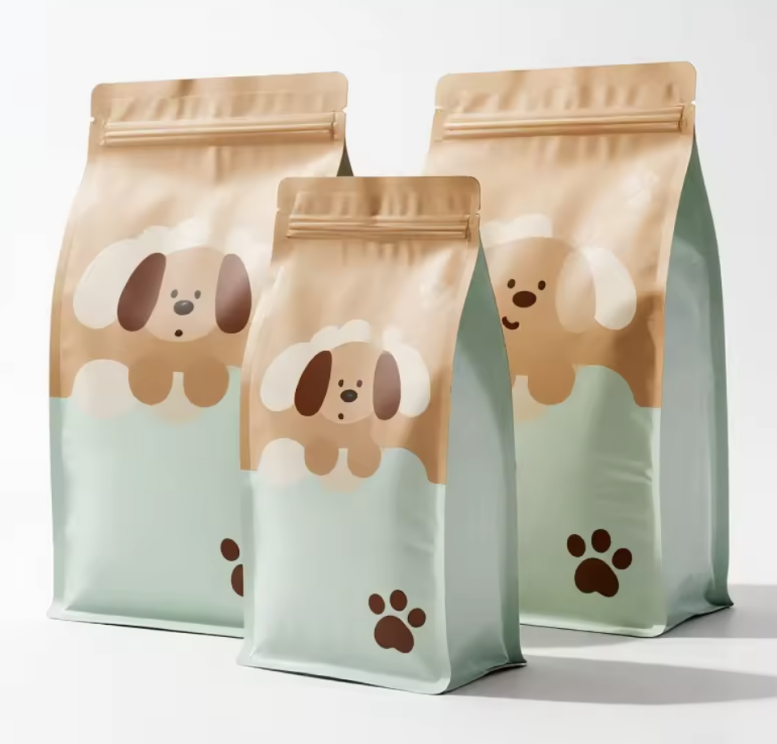
Som den «første beskyttende barrieren» for dyremat er plastemballasjeposer for dyremat ikke bare ansvarlige for de grunnleggende funksjonene som å beskytte produktets ferskhet og hindre skade og lekkasje, men de har også blitt en viktig bærer av merkevarens differensierende konkurranse og etterlevelse av regelverket. Med fordeler som lav vekt, sterke barriereregenskaper og kontrollerbare kostnader har plastemballasjeposer for dyremat blitt den foretrukne emballasjeformen for ulike typer dyremat, som tørrmat, snacks og våtmat, med en jevn økning i markedsetterspørselen.
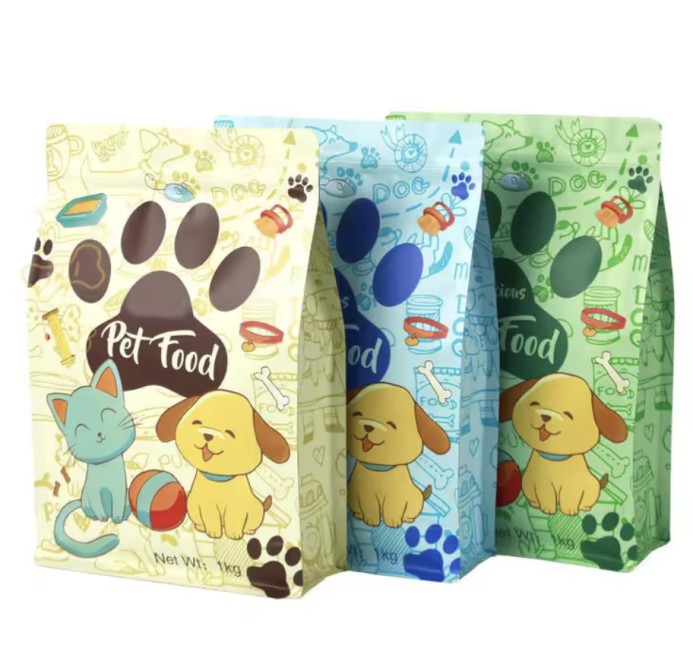
Teknologisk innovasjon har blitt den sentrale støtten for å løse bransjens smertepunkter og forbedre produktets konkurranseevne. Tradisjonelle plastemballasjer for dyremat lider av utilstrekkelige barriersegenskaper, er lett skadelidende og vanskelige å resirkulere, og oppfyller dermed ikke behovet for ferskhetsbevaring av high-end-dyremat eller kravene til miljøvern. I dag har bedrifter i bransjen økt sin forsknings- og utviklingsinnsats for å fremme innovative gjennombrudd innen plastemballasjematerialer og -prosesser. Når det gjelder materialer, har BOPE-filmer oppnådd bred anvendelse, og deres enkeltmaterialestruktur gjør dem fullt resirkulerbare i hele prosessen; bruken av PCR-plast har også gradvis blitt mer utbredt, noe som skaper en balanse mellom miljøvern og kostnadseffektivitet.
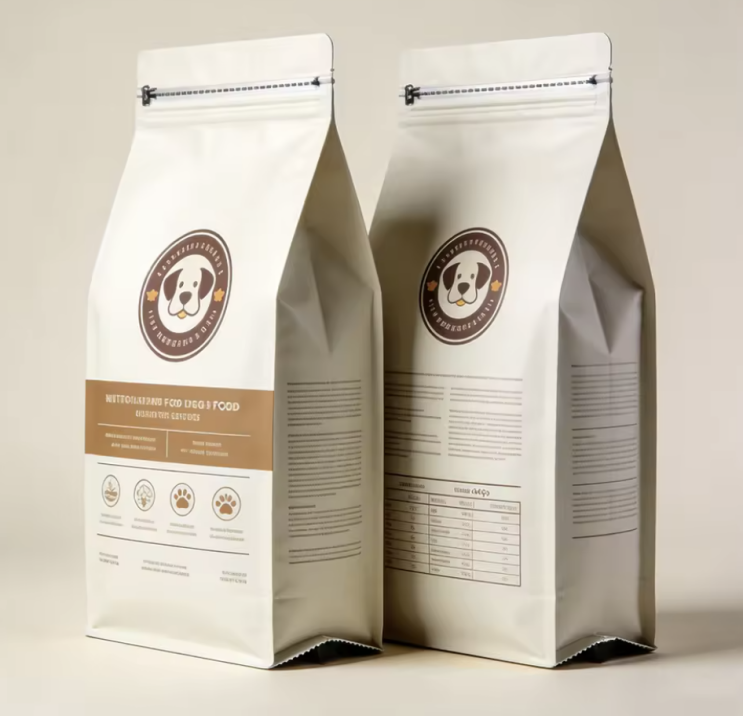
Oppgraderingen av markedets etterspørsel har ytterligare fremmet bransjesegmentering og differentiert utvikling. Med den økende tendensen til humanisering av kjæledyr har eierne av kjæledyr stadig høyere krav til kvaliteten på kjæledymat, noe som igjen driver omstillingen av plastemballasje for kjæledymat mot en mer eksklusiv og personlig utvikling. Premiummerker av kjæledymat foretrekker å bruke plastemballasje med høy barrierfunktion og miljøvennlig materiale samt tilpassede trykkdesigner for å understreke merkevarens tonalitet; for segmenterte grupper som små kjæledyr og eldre kjæledyr har bedrifter lansert plastemballasje i mindre størrelser med lettåpning for å oppfylle nøyaktige fôringsbehov; den kraftige utviklingen av e-handelskanaler har også fremmet optimaliseringen av plastemballasje for kjæledymat mot lavere vekt og økt skadeforhold for å tilpasse seg behovet for langtransport. For tiden har salgsomsetningen av plastemballasje for kjæledymat i e-handelskanaler oppnådd en årlig vekst på 45 %.
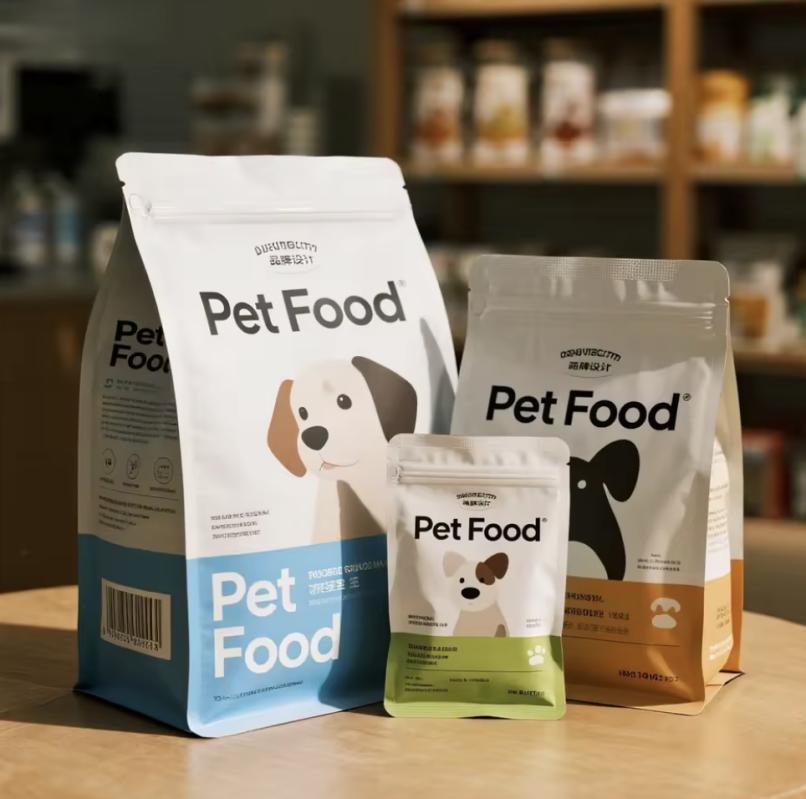
For tiden befinner petfood-plastemballasjeindustrien seg i en tredelt mulighetsperiode som styres av politikk, drevet av teknologisk innovasjon og etterspørsel. Den står imidlertid også overfor utfordringer som svingninger i råvarepriser, lav gjenvinningseffektivitet og økende etterlevelseskostnader. Framover vil konkurranse i bransjen fokusere på hastigheten på teknologisk iterasjon og evnen til karbonstyring over hele livssyklusen. Bedrifter må styrke samarbeid mellom industri, universitet og forskning, fremme dyp integrering av miljøvennlige materialer og intelligente teknologier, og strengt overholde bransjeregler for å oppnå etterlevelse. Det forventes at andelen gjenvinnbare plastemballasjer for petfood vil øke fra 12 % i 2023 til 35 % i 2027, og andelen intelligent emballasje vil fortsette å utvides. Petfood-plastemballasjeindustrien vil gradvis oppnå høykvalitativ og bærekraftig utvikling og gi sterk støtte til den jevne veksten i dyreøkonomien.

Farview International Trade Co., Ltd. Beijing står for en ånd preget av kontinuerlig forbedring og utholdenhet, og kombinerer tradisjonelle emballeringsteknologier med moderne grønne emballeringskonsepter.

 EN
EN