Advanced Composite Packaging Bag Materials: Multi-Layer Protection Solutions for Enhanced Product Safety

Get a Free Quote

Our representative will contact you soon.
Email
Mobile
Name
Company Name
Message
0/1000

composite packaging bag materials

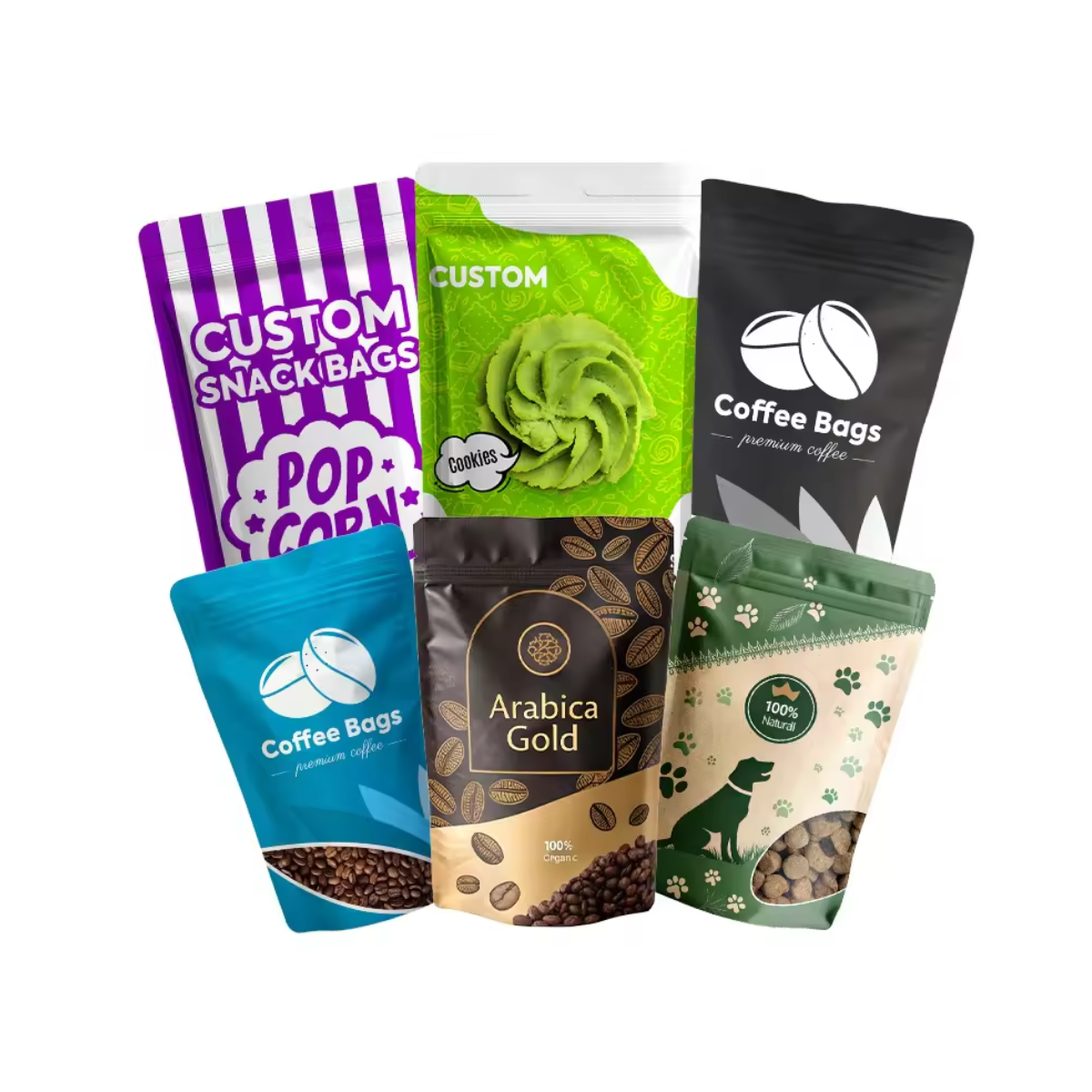
Composite packaging bag materials represent a revolutionary advancement in modern packaging technology, combining multiple layers of different materials to create superior protective solutions for diverse industries. These sophisticated packaging systems integrate various polymer films, barrier coatings, and specialized substrates to deliver enhanced performance characteristics that single-material packages cannot achieve. The primary function of composite packaging bag materials centers on providing exceptional protection against moisture, oxygen, light, and physical damage while maintaining product freshness and extending shelf life. These multi-layer structures typically incorporate materials such as polyethylene, polypropylene, polyester, nylon, and aluminum foil, each contributing specific properties to the overall packaging performance. The technological features of composite packaging bag materials include advanced lamination techniques, precise thickness control, and customizable barrier properties that can be tailored to specific product requirements. Modern manufacturing processes employ solvent-based and solventless adhesive systems to bond different layers seamlessly, creating packaging solutions with superior mechanical strength and chemical resistance. The applications for composite packaging bag materials span numerous industries including food and beverage, pharmaceuticals, cosmetics, agricultural products, and industrial goods. In the food sector, these materials protect perishable items like snacks, coffee, frozen foods, and ready-to-eat meals from environmental factors that cause spoilage. Pharmaceutical applications rely on composite packaging bag materials to maintain drug efficacy by preventing moisture ingress and light exposure. The versatility of these packaging solutions enables manufacturers to create custom designs with specific barrier requirements, printability options, and functional features such as resealable closures, easy-tear perforations, and tamper-evident seals. Environmental considerations have also driven innovations in composite packaging bag materials, with manufacturers developing recyclable and biodegradable options that reduce environmental impact while maintaining performance standards.

New Product Recommendations

Composite packaging bag materials offer substantial advantages that make them the preferred choice for businesses seeking reliable and cost-effective packaging solutions. The primary benefit lies in their superior barrier protection, which significantly extends product shelf life and reduces waste throughout the supply chain. Unlike single-layer materials, composite packaging bag materials create multiple defense barriers that prevent moisture, oxygen, and contaminants from reaching packaged products, ensuring optimal quality retention during storage and transportation. This enhanced protection translates directly into reduced product spoilage, lower return rates, and increased customer satisfaction. The flexibility and customization options available with composite packaging bag materials allow manufacturers to design packaging that meets specific product requirements without compromising on performance. Companies can select appropriate combinations of materials, thicknesses, and treatments to achieve desired barrier properties, mechanical strength, and visual appeal. This customization capability enables businesses to optimize packaging costs by using only the necessary protection levels for each product category. The manufacturing efficiency of composite packaging bag materials provides significant operational advantages for packaging companies. These materials can be processed on high-speed packaging lines, reducing production time and labor costs while increasing output capacity. The consistent quality and dimensional stability of composite packaging bag materials minimize machine downtime and reject rates, contributing to overall operational efficiency. The lightweight nature of composite packaging bag materials reduces transportation costs and environmental impact compared to rigid packaging alternatives. Despite their lightweight construction, these materials maintain excellent puncture resistance and tensile strength, ensuring product integrity during handling and distribution. The printability of composite packaging bag materials enables high-quality graphics and branding opportunities that enhance product appeal and marketing effectiveness. Advanced printing technologies can produce vibrant colors, sharp images, and precise text on these surfaces, supporting brand differentiation and consumer engagement. The cost-effectiveness of composite packaging bag materials becomes evident when considering their performance-to-price ratio. While initial material costs may be higher than basic packaging options, the overall value proposition includes reduced product loss, improved shelf life, enhanced brand presentation, and operational efficiencies that provide substantial return on investment. The versatility of composite packaging bag materials allows businesses to consolidate their packaging supply chain by using fewer material types across multiple product lines, simplifying inventory management and reducing procurement complexity.

Practical Tips

Why Are Zipper Snack Bags Popular Among Retailers

25

Feb

Why Are Zipper Snack Bags Popular Among Retailers

The retail landscape has witnessed a remarkable transformation in packaging solutions over the past decade, with zipper snack bags emerging as one of the most sought-after packaging options for retailers across various industries. These versatile con...
View More
Aluminum Foil Packaging Bags: A Guide for Food Manufacturers and Suppliers

23

Apr

Aluminum Foil Packaging Bags: A Guide for Food Manufacturers and Suppliers

Food manufacturers and suppliers face increasing demands for packaging solutions that preserve product quality while meeting stringent safety standards and consumer expectations. Among the various packaging options available today, aluminum foil pack...
View More
Best Coffee Packaging Solutions for Roasters and Wholesale Suppliers

23

Apr

Best Coffee Packaging Solutions for Roasters and Wholesale Suppliers

Coffee roasters and wholesale suppliers face unique challenges when selecting packaging that preserves freshness, enhances brand visibility, and meets diverse distribution requirements. The right coffee packaging solutions can make the difference bet...
View More
How Businesses Can Customize Coffee Packaging for Large Orders

23

Apr

How Businesses Can Customize Coffee Packaging for Large Orders

Businesses ordering coffee in large quantities face unique packaging challenges that require strategic customization to maintain product freshness, enhance brand visibility, and optimize storage efficiency. Custom coffee packaging for bulk orders dif...
View More

Get a Free Quote

Our representative will contact you soon.
Email
Mobile
Name
Company Name
Message
0/1000

composite packaging bag materials

Multi-Layer Barrier Technology Delivers Unmatched Product Protection

Multi-Layer Barrier Technology Delivers Unmatched Product Protection

The multi-layer barrier technology incorporated in composite packaging bag materials represents the pinnacle of packaging engineering, providing unparalleled protection that single-material solutions simply cannot match. This sophisticated approach combines different polymer layers, each engineered to block specific environmental threats that can compromise product quality and safety. The outer layers typically consist of durable materials like polyester or nylon that provide mechanical strength and puncture resistance, while inner barrier layers made from specialized films prevent gas transmission and moisture ingress. Between these layers, manufacturers often incorporate aluminum foil or metalized films that create an impermeable barrier against light and oxygen, two primary causes of product degradation. The synergistic effect of these combined layers creates a packaging solution where the whole is greater than the sum of its parts. For food products, this technology extends shelf life by preventing oxidation, moisture migration, and flavor loss that commonly occur with inferior packaging materials. Pharmaceutical products benefit from the precise humidity control and light protection that maintains drug stability and potency throughout the product lifecycle. The barrier properties can be engineered to meet specific permeation requirements, with manufacturers able to adjust layer compositions and thicknesses to achieve target transmission rates for oxygen, water vapor, and other gases. This precision engineering ensures that products receive exactly the protection they need without over-packaging or unnecessary material usage. The manufacturing process for these multi-layer structures employs advanced lamination technologies that create permanent bonds between layers without compromising individual material properties. Specialized adhesive systems ensure that layers remain intact under various stress conditions, including temperature fluctuations, mechanical handling, and extended storage periods. Quality control systems monitor layer adhesion, barrier performance, and overall package integrity to guarantee consistent protection levels across production runs. This technology also enables the incorporation of functional additives such as UV stabilizers, antioxidants, and antimicrobial agents that provide additional protection mechanisms. The result is a packaging solution that actively protects products rather than simply containing them, delivering superior performance that justifies the investment in composite packaging bag materials for quality-conscious manufacturers.
Cost-Effective Solution That Reduces Total Packaging Expenses

Cost-Effective Solution That Reduces Total Packaging Expenses

Composite packaging bag materials deliver exceptional cost-effectiveness by reducing total packaging expenses through multiple value-creation mechanisms that benefit manufacturers, distributors, and consumers throughout the supply chain. While the initial material cost of composite packaging bag materials may appear higher than basic alternatives, the comprehensive cost analysis reveals significant savings that make these materials the economically superior choice for most applications. The primary cost advantage stems from reduced product loss due to superior protection capabilities, with studies showing that improved barrier properties can decrease spoilage rates by up to 60 percent compared to conventional packaging. This reduction in product loss directly translates to increased profitability, as manufacturers avoid the costs associated with producing, storing, and disposing of damaged goods. The extended shelf life enabled by composite packaging bag materials allows for more flexible distribution strategies, reducing the pressure for rapid product turnover and enabling manufacturers to reach broader markets without compromising quality. The lightweight nature of composite packaging bag materials provides substantial savings in transportation costs, particularly for companies shipping large volumes or operating in geographically dispersed markets. Weight reduction of 20-40 percent compared to rigid packaging alternatives results in lower fuel consumption, reduced shipping fees, and increased payload capacity that improves logistics efficiency. The durability and puncture resistance of these materials minimize package failures during handling and transportation, reducing costs associated with product damage claims, customer complaints, and brand reputation issues. Manufacturing efficiency gains contribute significantly to overall cost-effectiveness, as composite packaging bag materials can be processed on high-speed packaging lines with minimal setup time and waste generation. The consistent quality and dimensional stability of these materials reduce machine downtime, maintenance requirements, and operator intervention, leading to improved production throughput and lower labor costs per unit packaged. Inventory management benefits arise from the longer shelf life and improved stability of products packaged in composite materials, allowing for larger production runs, reduced changeover frequency, and better inventory turnover ratios. The versatility of composite packaging bag materials enables manufacturers to standardize on fewer packaging types while still meeting diverse product requirements, simplifying procurement processes and achieving better volume pricing from suppliers. Environmental cost savings become increasingly important as regulations tighten and consumers demand sustainable practices, with modern composite packaging bag materials offering recyclable options that reduce waste disposal fees and enhance corporate sustainability profiles.
Versatile Applications Across Multiple Industries and Product Categories

Versatile Applications Across Multiple Industries and Product Categories

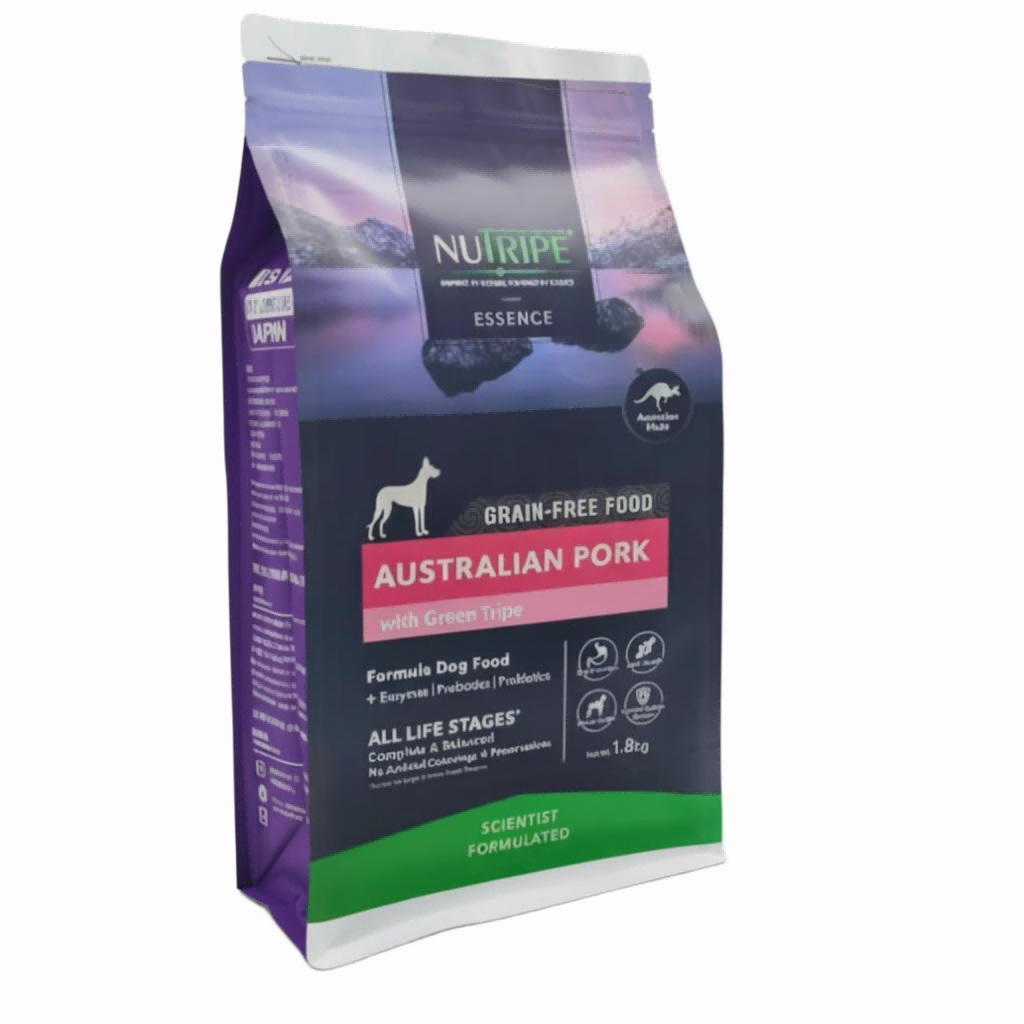
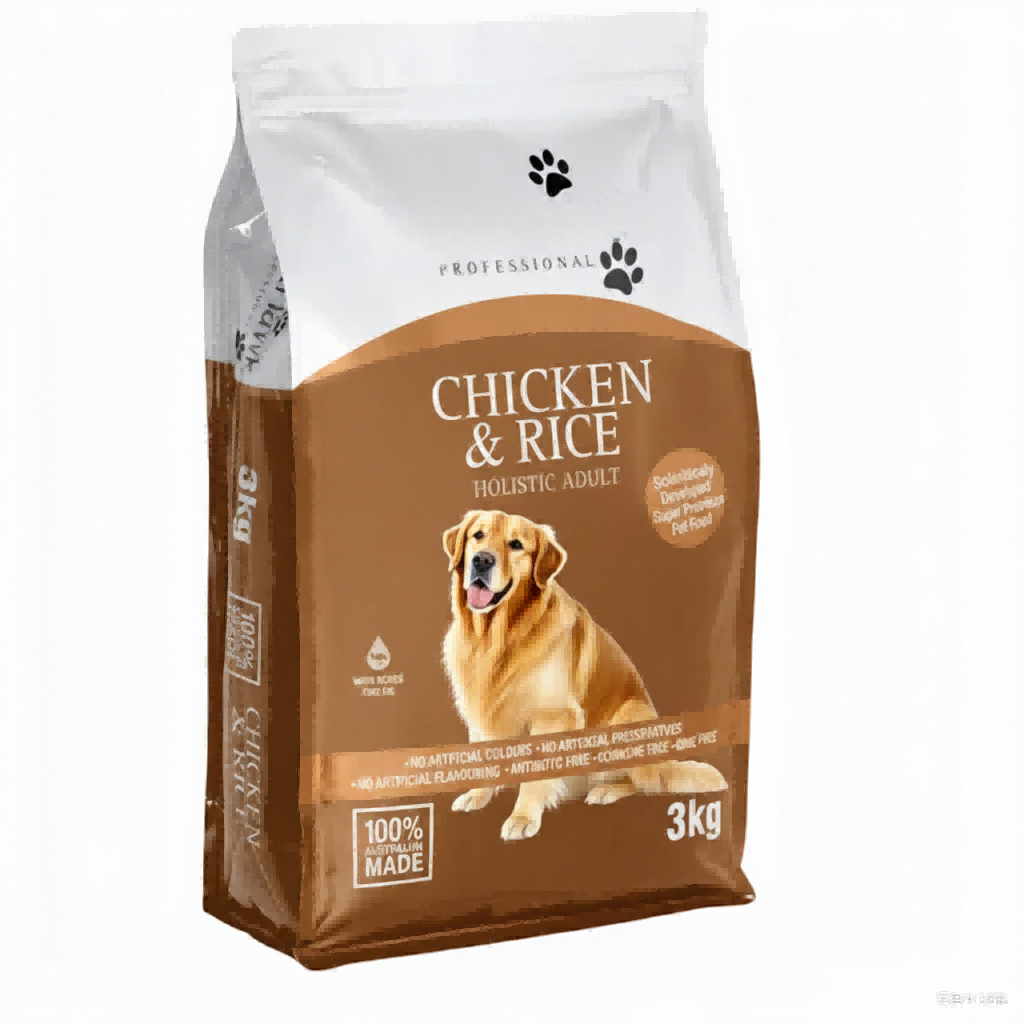
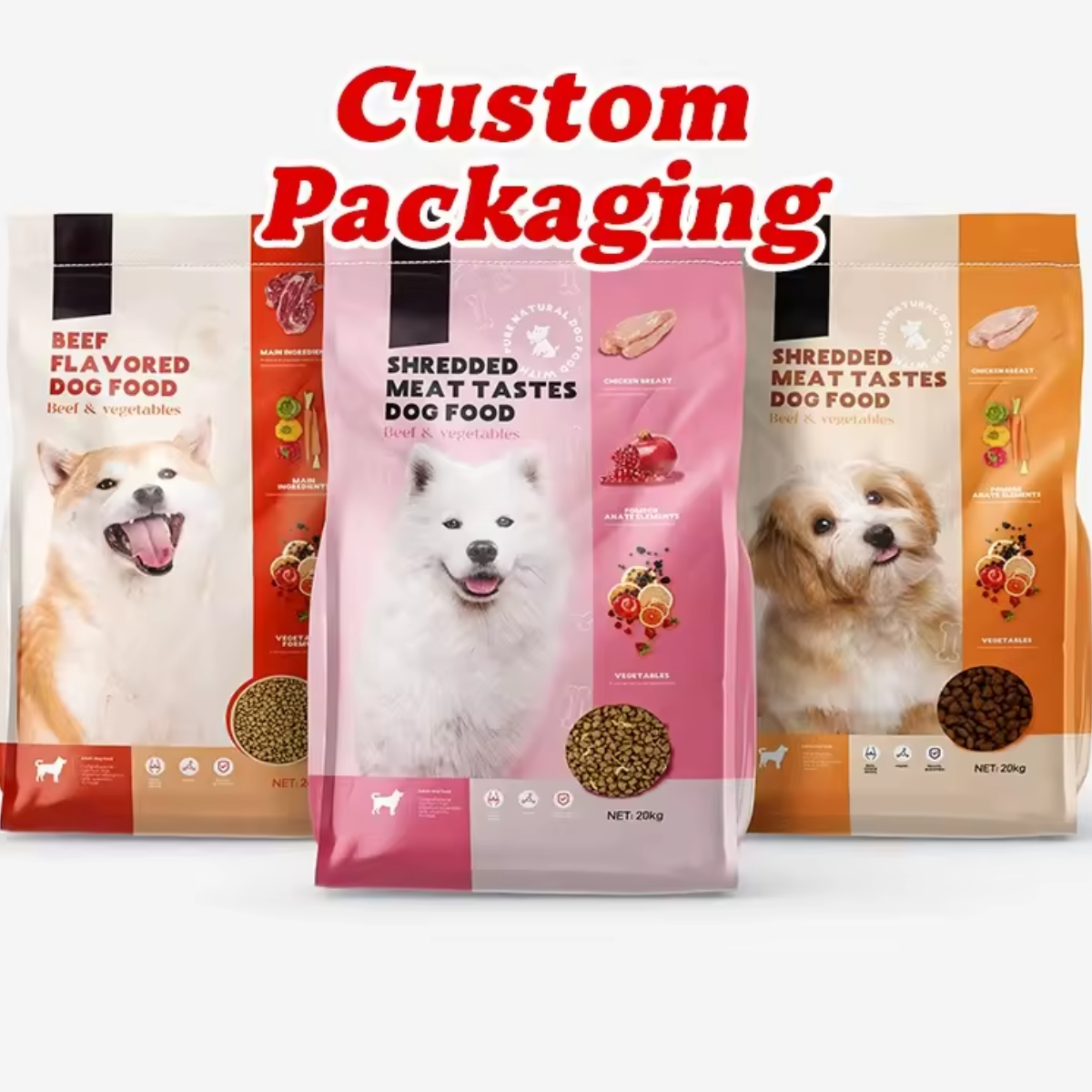
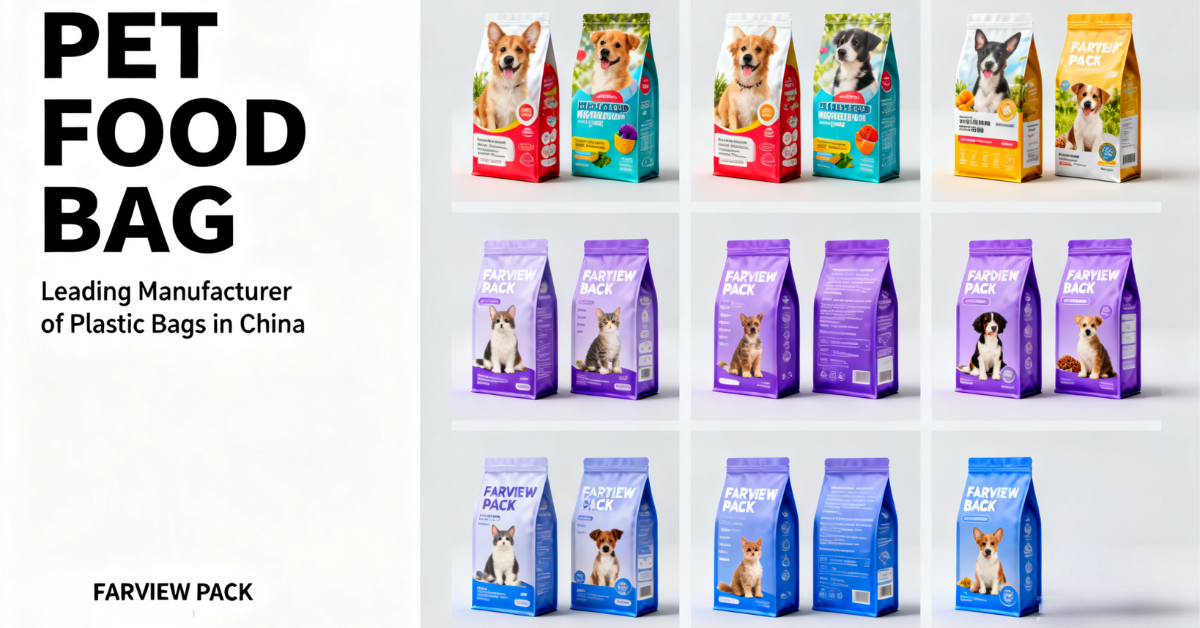
The remarkable versatility of composite packaging bag materials makes them indispensable across diverse industries and product categories, demonstrating adaptability that few other packaging solutions can match. This flexibility stems from the ability to engineer specific material combinations and structures that address unique requirements for different applications while maintaining consistent performance standards. In the food and beverage industry, composite packaging bag materials serve everything from delicate snack foods requiring moisture protection to acidic beverages needing chemical resistance and barrier properties. Fresh produce packaging utilizes these materials with controlled permeability features that regulate gas exchange, extending freshness while preventing anaerobic conditions that lead to spoilage. Frozen food applications benefit from the low-temperature performance and moisture barrier properties that prevent ice crystal formation and freezer burn. Coffee and tea packaging relies on the exceptional aroma barrier properties and valve integration capabilities that maintain product quality while allowing degassing of freshly roasted products. The pharmaceutical industry depends on composite packaging bag materials for critical applications where product integrity directly impacts patient safety and treatment efficacy. Unit dose packaging for medications requires precise barrier properties that prevent moisture ingress while maintaining tamper-evidence and child-resistance features. Bulk pharmaceutical powders and granules benefit from the electrostatic dissipation properties and contamination prevention capabilities of specialized composite formulations. Medical device packaging utilizes these materials for sterile barrier systems that maintain product sterility while providing easy opening features for healthcare professionals. Personal care and cosmetic applications showcase the aesthetic versatility of composite packaging bag materials, with high-quality printing capabilities enabling premium brand presentation while delivering functional benefits such as UV protection for light-sensitive formulations. Industrial applications span chemical packaging, agricultural products, and specialty goods where specific chemical resistance, puncture protection, or environmental barrier properties are required. The agricultural sector utilizes composite packaging bag materials for seed packaging, fertilizer containment, and crop protection products where moisture control and UV resistance are critical for product effectiveness. Pet food packaging demonstrates the materials' ability to handle high-fat content products while maintaining freshness and preventing rancidity through superior oxygen barrier properties. E-commerce applications have driven innovation in composite packaging bag materials designed for direct-to-consumer shipping, incorporating features such as tear-resistant construction, water resistance, and integrated cushioning that protect products during handling by multiple carriers. The automotive industry employs these materials for component packaging where contamination prevention and long-term storage stability are essential for maintaining manufacturing quality standards.
Advanced Composite Packaging Bag Materials: Multi-Layer Protection Solutions for Enhanced Product Safety

Get a Free Quote

Our representative will contact you soon.
Email
Mobile
Name
Company Name
Message
0/1000