maaaring I-sela na mga Zipper
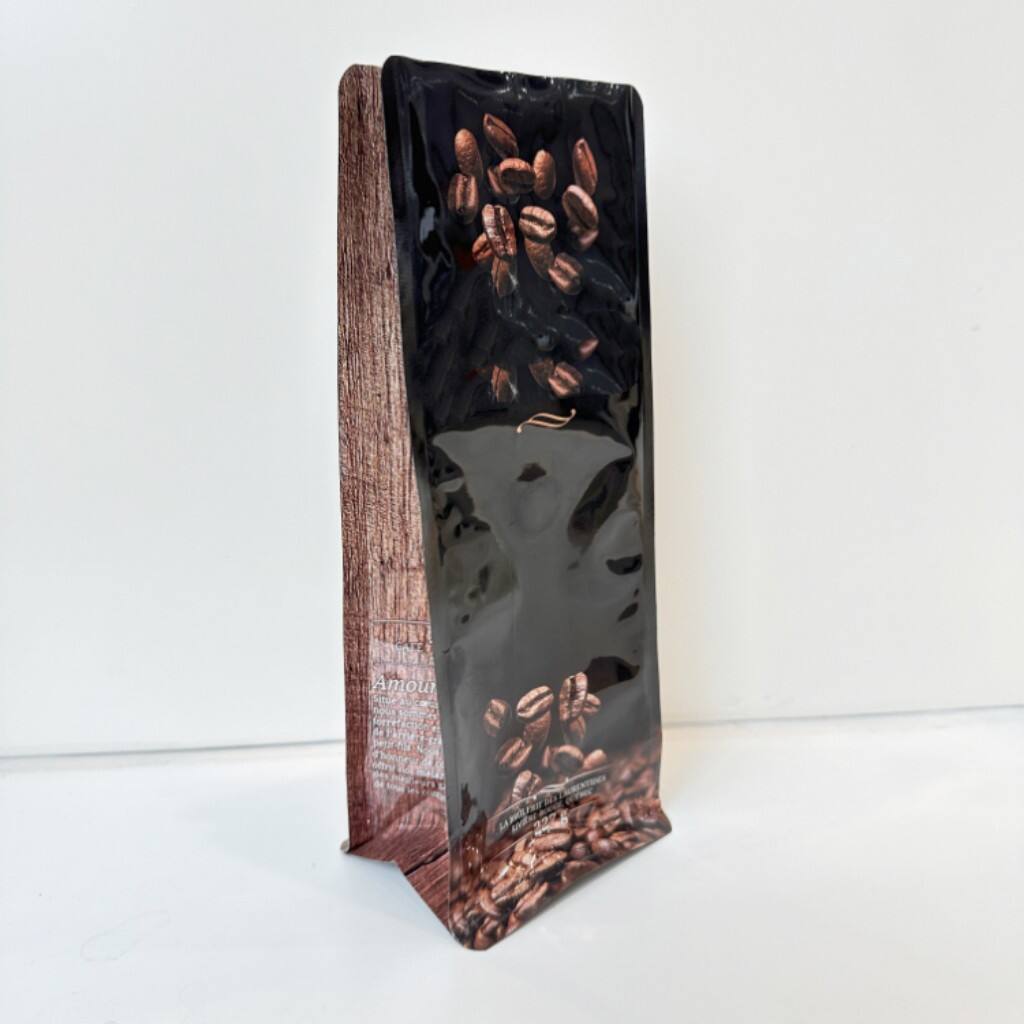
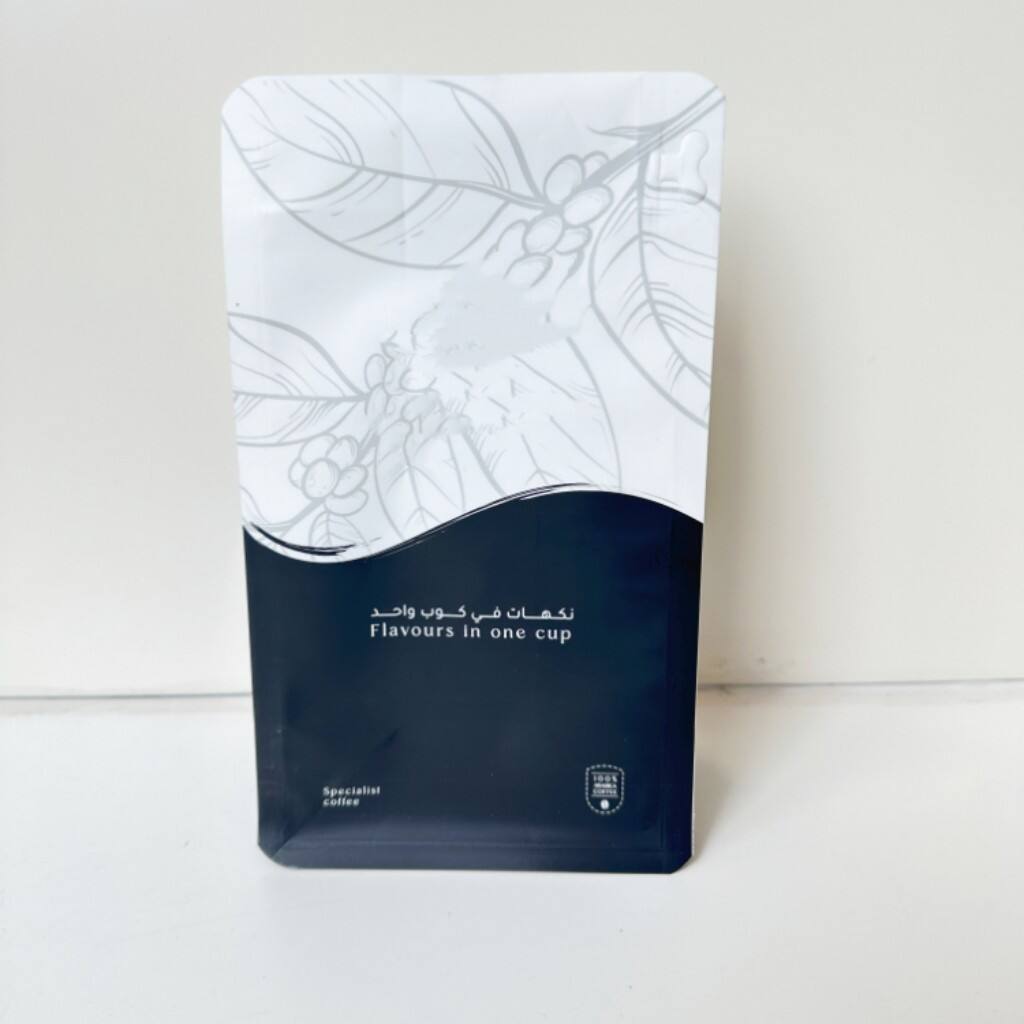
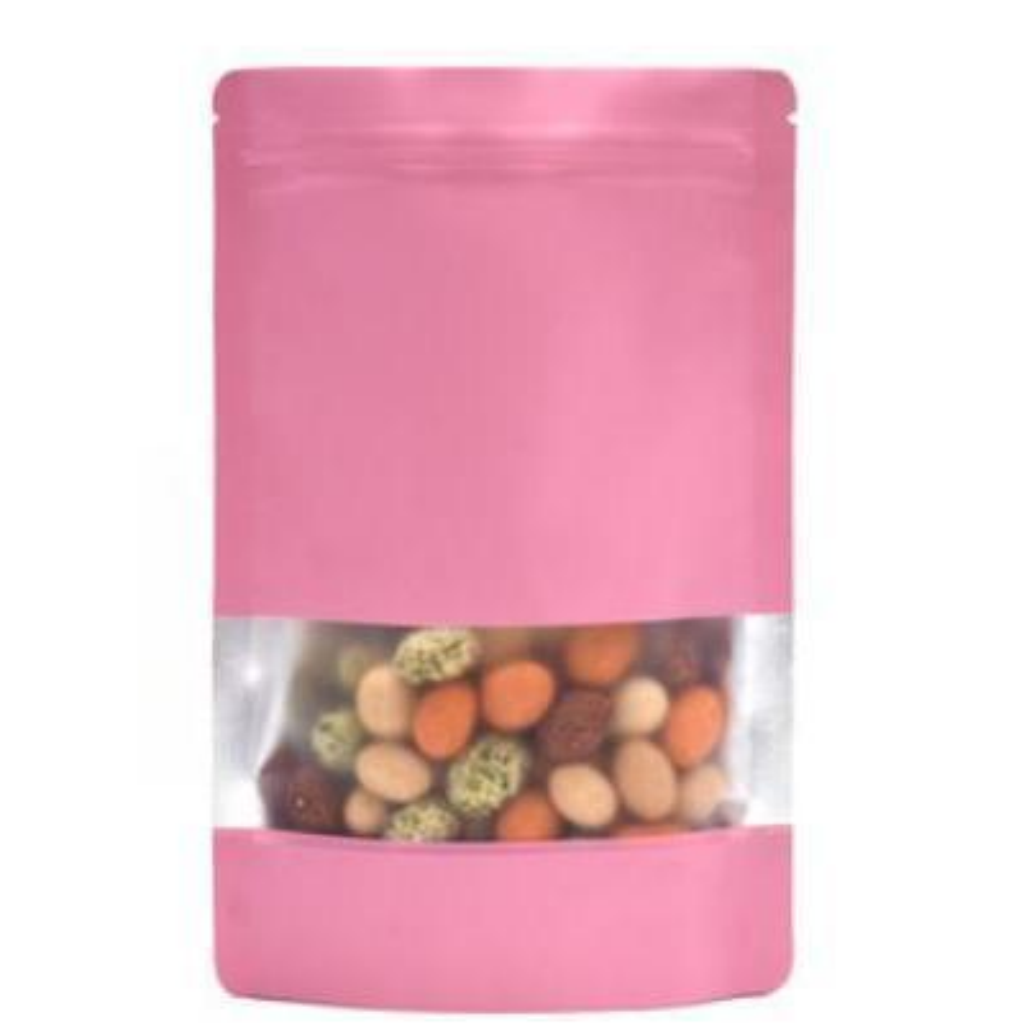
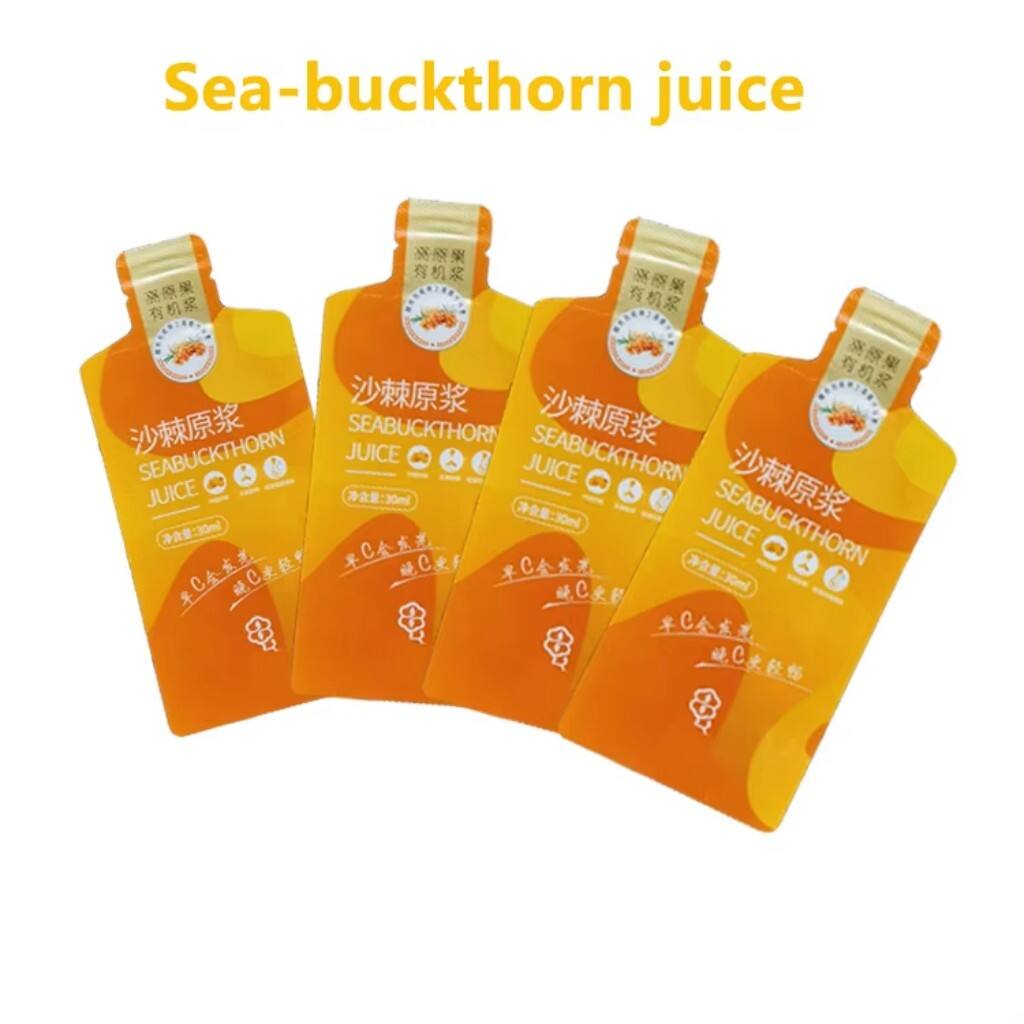
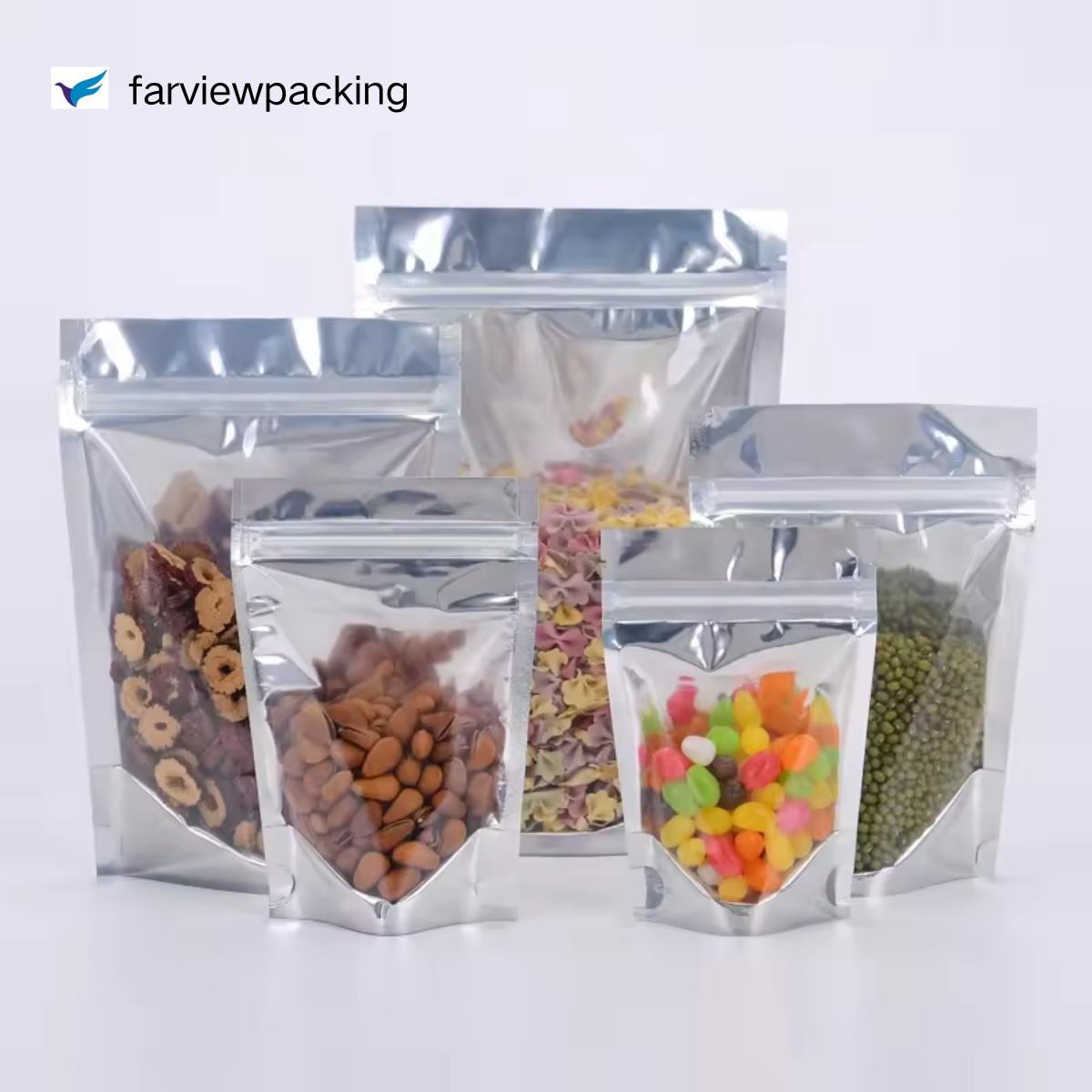
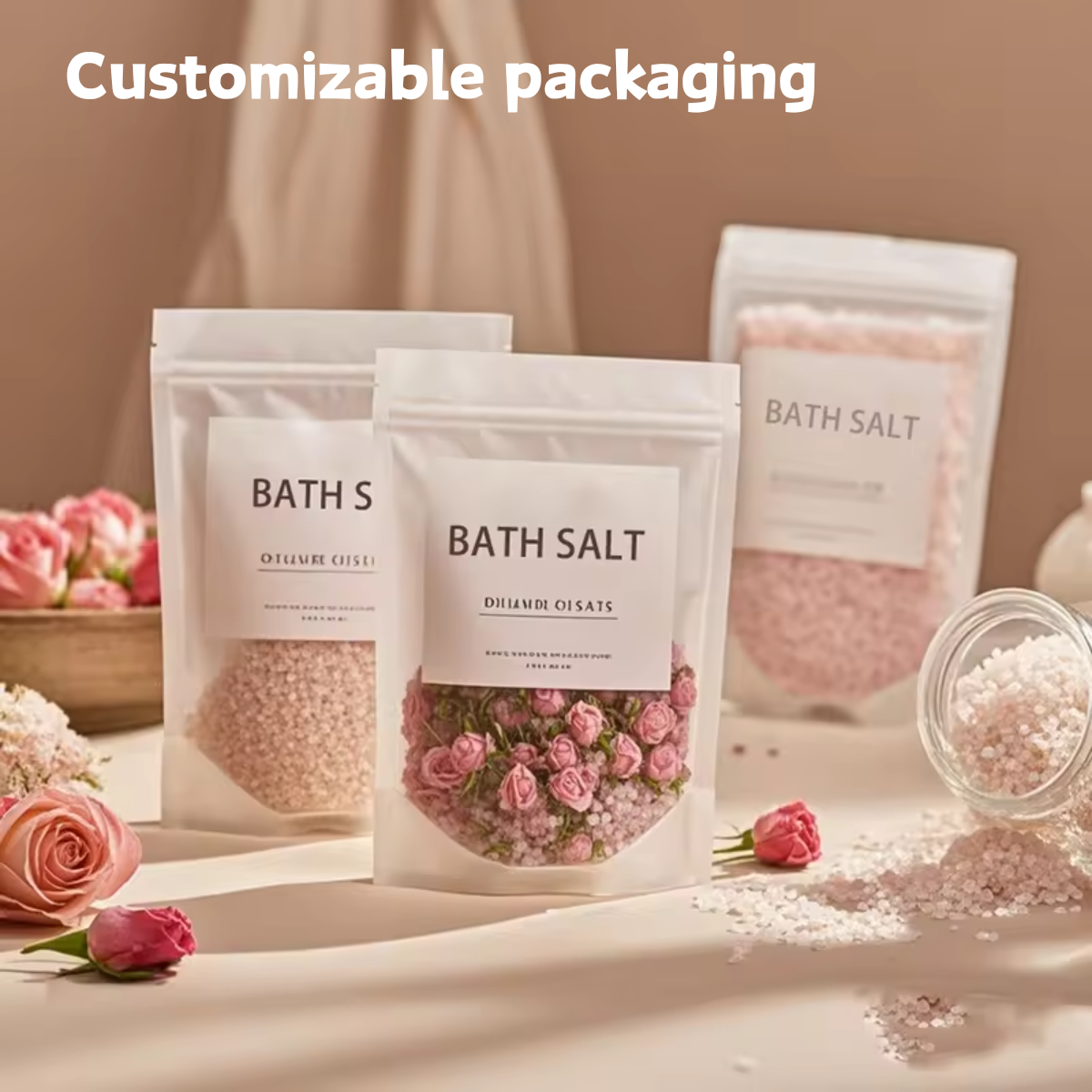
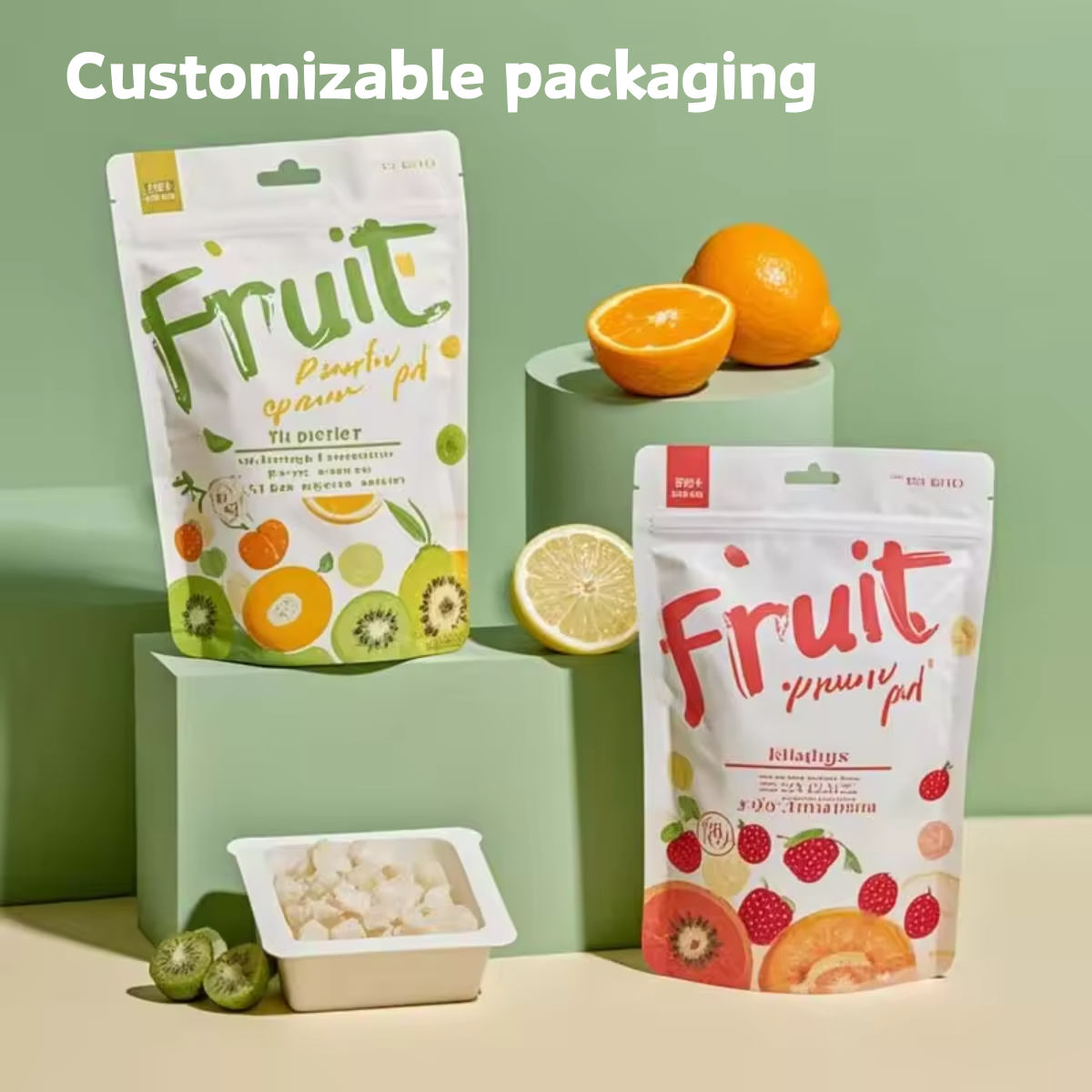
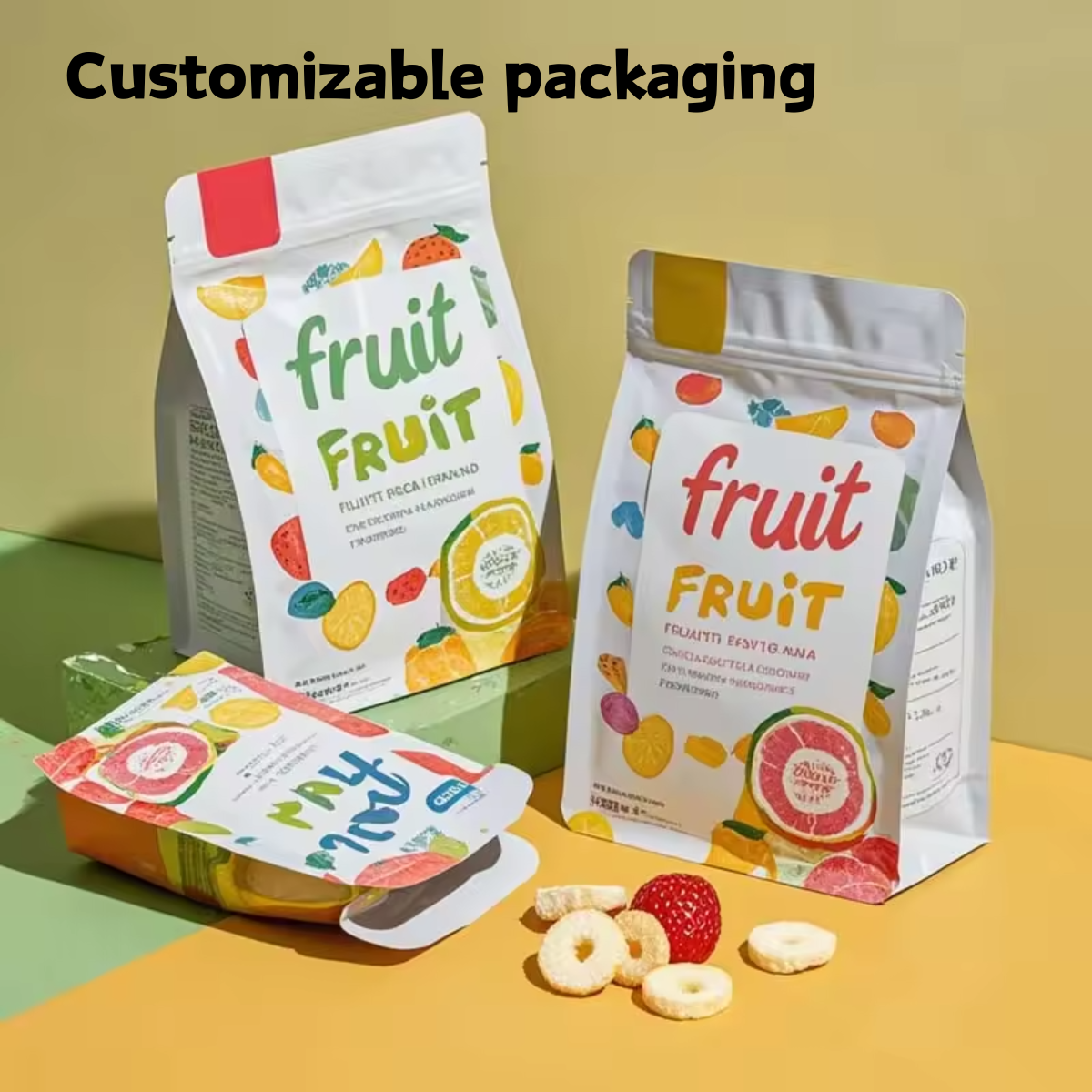
Ang mga zip na maaaring isara muli ay kumakatawan sa isang rebolusyonaryong pag-unlad sa mga solusyon ng flexible packaging, na nag-aalok ng hindi pa nakikita noong kapanahunan na kaginhawahan at kakayahan sa pagpanatili ng kalidad ng produkto para sa mga konsyumer at mga tagagawa. Ang mga inobatibong sistema ng pagsasara na ito ay pinauunlad ang tibay ng tradisyonal na zipper kasama ang mga espesyalisadong mekanismo ng pagsasara na panatilihin ang mga airtight barrier, na epektibong protektado ang laman laban sa kahalumigan, hangin, at mga kontaminante. Ang pangunahing pagganap ng mga zip na maaaring isara muli ay nakasentro sa kanilang kakayahang buksan at isara nang maraming beses habang pinapanatili ang istruktural na integridad at ang pagganap ng pagsasara sa buong kanilang buhay. Ang mga modernong zip na maaaring isara muli ay gumagamit ng mga advanced na polymer technology, na may mga eksaktong disenyo ng track na kumakabit nang ligtas kapag pinindot nang magkasama. Ang mekanismo ng zipper ay gumagamit ng dalawang track na disenyo kung saan ang magkabilang plastic ribs ay lumilikha ng mekanikal na interlocking na bumubuo ng hermetic seals. Ang teknolohikal na pamamaraang ito ay nagpapatiyak na mananatiling bago, tuyo, at protektado ang laman laban sa mga panlabas na kadahilanan ng kapaligiran. Ang mga proseso sa paggawa ay gumagamit ng mataas na antas ng polyethylene at polypropylene na materyales, na pinili dahil sa kanilang resistance sa kemikal, flexibility, at pangmatagalang tibay. Ang proseso ng integrasyon ay kasali ang heat-sealing o adhesive bonding techniques na palagiang nakakabit sa sistema ng zipper sa mga package films, na lumilikha ng seamless na koneksyon na tumutugon sa paulit-ulit na paggamit nang hindi nawawala ang integridad ng seal. Ang mga aplikasyon ng mga zip na maaaring isara muli ay sumasaklaw sa maraming industriya, mula sa food packaging kung saan ito ay nagpapanatili ng kakahutanan sa mga snack foods, cereals, at frozen products, hanggang sa mga pharmaceutical application na nangangailangan ng tamper-evident closures para sa mga gamot. Ginagamit ng mga sektor ng industriya ang mga sistemang ito para sa chemical storage, proteksyon ng electronic component, at pagpanatili ng dokumento. Ang mga consumer goods ay kumikinabang mula sa mga zip na maaaring isara muli sa mga household storage bags, cosmetic packaging, at mga lalagyan ng pet food. Ang versatility nito ay umaabot sa mga espesyalisadong aplikasyon tulad ng medical device packaging, laboratory sample storage, at agricultural seed preservation. Ang mga kamakailang inobasyon ay nag-introduce ng antimicrobial coatings, child-resistant mechanisms, at temperature-resistant formulations na pinalawig ang mga posibilidad ng aplikasyon sa iba’t ibang segment ng merkado na nangangailangan ng maaasahang at user-friendly na mga solusyon sa pagsasara.
 EN
EN