EN
EN


Food manufacturers and suppliers face increasing demands for packaging solutions that preserve product quality while meeting stringent safety standards and consumer expectations. Among the various packaging options available today, aluminum foil packaging bags have emerged as a critical component in modern food distribution networks. These specialized containers offer unique barrier properties that traditional plastic packaging cannot match, making them essential for manufacturers dealing with sensitive food products, extended shelf life requirements, and challenging storage conditions.
Understanding the comprehensive landscape of aluminum foil packaging bags requires examining their construction, applications, and strategic implementation within food manufacturing operations. This guide addresses the critical considerations that food manufacturers and suppliers must evaluate when selecting, sourcing, and implementing aluminum foil packaging solutions. From barrier performance characteristics to regulatory compliance requirements, the decision to incorporate these packaging systems impacts product integrity, market positioning, and operational efficiency across the entire supply chain.
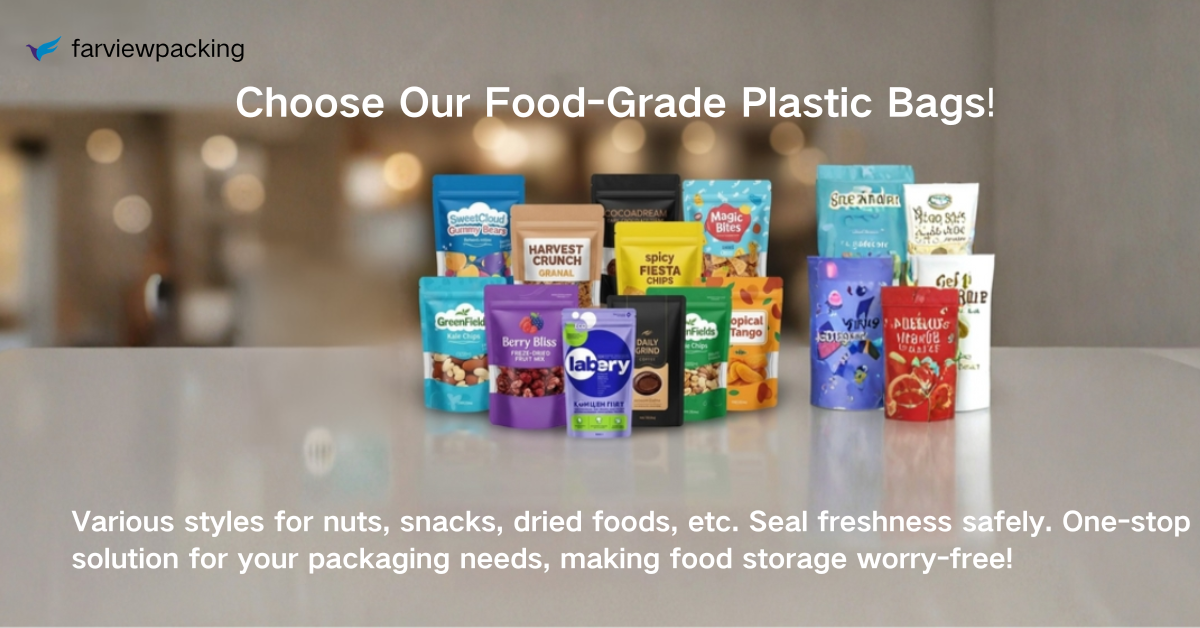
Understanding Aluminum Foil Packaging Technology
Multi-Layer Construction and Barrier Properties
Aluminum foil packaging bags utilize sophisticated multi-layer construction that combines aluminum foil with various polymer films to create superior barrier protection. The aluminum layer provides complete impermeability to light, oxygen, and moisture, while polymer layers contribute flexibility, heat-sealability, and puncture resistance. This combination ensures that sensitive food products maintain their nutritional value, flavor profile, and textural characteristics throughout extended storage periods.
The effectiveness of aluminum foil packaging bags depends heavily on the precise engineering of each layer within the laminated structure. Manufacturers typically employ polyethylene, polypropylene, or polyester films alongside the aluminum core, with each material contributing specific protective properties. The bonding between these layers must withstand thermal processing, mechanical handling, and environmental stresses without delamination or barrier compromise.
Modern aluminum foil packaging bags often incorporate additional functional layers, including tie layers that improve adhesion between dissimilar materials and specialized coatings that enhance heat resistance or provide anti-static properties. These advanced constructions enable food manufacturers to package products that require retort processing, high-temperature filling, or extended ambient storage without refrigeration.
Oxygen and Moisture Barrier Performance
The exceptional barrier performance of aluminum foil packaging bags stems from the aluminum layer's complete impermeability to gases and vapors. Unlike polymer-only packaging materials that allow some molecular transmission, aluminum creates an absolute barrier that prevents oxygen ingress and moisture migration. This characteristic makes aluminum foil packaging bags particularly valuable for products susceptible to oxidative rancidity, moisture-induced texture changes, or flavor degradation.
Food manufacturers working with high-fat content products, dehydrated ingredients, or oxygen-sensitive compounds benefit significantly from the zero-transmission rates achieved by properly constructed aluminum foil packaging bags. The elimination of oxygen exposure prevents lipid oxidation, vitamin degradation, and enzymatic browning that can compromise product quality and reduce shelf life expectations.
Moisture barrier performance becomes equally critical for products requiring specific water activity levels or those sensitive to humidity-induced changes. Aluminum foil packaging bags maintain consistent internal moisture levels regardless of external environmental conditions, ensuring product stability across diverse storage and distribution environments.
Applications in Food Manufacturing Operations
Ready-to-Eat Meal Packaging
Ready-to-eat meal manufacturers increasingly rely on aluminum foil packaging bags for products requiring extended shelf stability without refrigeration. These packaging solutions enable the production of shelf-stable meals that maintain food safety standards while preserving organoleptic qualities that consumers expect. The combination of barrier protection and thermal processing compatibility makes aluminum foil packaging bags ideal for retort processing applications.
The flexibility of aluminum foil packaging bags allows manufacturers to create portion-controlled meal packages that fit efficiently within distribution systems while maximizing product visibility and consumer appeal. Unlike rigid containers, these flexible packages reduce shipping volumes and storage requirements, contributing to improved logistics efficiency and reduced environmental impact through optimized transportation.
Manufacturers producing military rations, emergency food supplies, or outdoor recreational meals particularly value the durability and protection offered by aluminum foil packaging bags. These applications demand packaging that withstands extreme temperature variations, mechanical stress, and extended storage periods while maintaining nutritional integrity and palatability.
Liquid and Semi-Liquid Product Containment
Aluminum foil packaging bags excel in containing liquid and semi-liquid food products, including sauces, soups, beverages, and dairy products. The combination of barrier properties and flexible construction enables manufacturers to create packages that protect product quality while offering convenient dispensing options through integrated spouts or fitments.
Sauce manufacturers benefit from aluminum foil packaging bags' ability to prevent flavor migration and maintain product consistency over extended periods. The light barrier properties preserve color stability in products containing natural colorants or photosensitive ingredients, while the oxygen barrier prevents oxidative changes that could affect taste, aroma, or nutritional content.
Liquid packaging applications using aluminum foil packaging bags often incorporate specialized closure systems and dispensing mechanisms that maintain package integrity throughout the product's usage cycle. These systems must balance ease of opening with tamper evidence and reclosure functionality, requiring careful consideration of consumer convenience and product safety requirements.
Specialty Ingredient and Additive Protection
Food manufacturers handling specialty ingredients, flavor compounds, nutritional additives, or processing aids often require the superior protection provided by aluminum foil packaging bags. These materials frequently exhibit high sensitivity to environmental factors, requiring absolute barrier protection to maintain potency and prevent degradation during storage and handling.
Vitamin and mineral supplement manufacturers utilize aluminum foil packaging bags to prevent oxidative degradation of sensitive compounds while maintaining accurate dosing and product efficacy. The moisture barrier properties become particularly important for hygroscopic materials that could clump, cake, or lose flowability when exposed to ambient humidity.
Flavor and fragrance compounds packaged in aluminum foil packaging bags retain their intended sensory characteristics without cross-contamination or intensity loss. The impermeability of the aluminum layer prevents volatile compound migration, ensuring that manufacturers can deliver consistent product performance to their customers.
Selection Criteria for Manufacturers and Suppliers
Material Specifications and Quality Standards
Selecting appropriate aluminum foil packaging bags requires careful evaluation of material specifications that align with specific product requirements and processing conditions. Food manufacturers must consider the thickness of the aluminum layer, polymer film grades, adhesive systems, and overall laminate construction to ensure compatibility with their products and processing equipment.
Quality standards for aluminum foil packaging bags encompass multiple performance criteria, including barrier effectiveness, seal integrity, puncture resistance, and thermal stability. Manufacturers should establish testing protocols that verify these properties under conditions that simulate actual storage, handling, and distribution environments to ensure reliable performance throughout the product lifecycle.
Regulatory compliance represents a critical selection criterion, as aluminum foil packaging bags must meet food contact regulations in all target markets. This includes verification of raw material approvals, migration testing results, and adherence to specific requirements for different food categories or processing methods such as retort sterilization or hot-fill applications.
Supplier Evaluation and Partnership Considerations
Establishing successful partnerships with aluminum foil packaging bags suppliers requires comprehensive evaluation of technical capabilities, quality management systems, and supply chain reliability. Food manufacturers should assess suppliers' ability to provide consistent material properties, maintain traceability systems, and respond to changing production requirements or emergency situations.
Technical support capabilities become particularly important when implementing aluminum foil packaging bags in new applications or optimizing existing packaging systems. Suppliers should offer expertise in package design, material selection, processing optimization, and troubleshooting to ensure successful integration and ongoing performance improvement.
Supply chain considerations include evaluation of supplier geographic coverage, production capacity, inventory management capabilities, and risk mitigation strategies. The critical nature of packaging materials in food production requires suppliers who can maintain consistent availability while providing flexibility to accommodate seasonal demand variations or market expansion initiatives.
Cost-Benefit Analysis and Total Cost of Ownership
Evaluating aluminum foil packaging bags requires comprehensive cost-benefit analysis that extends beyond initial material costs to include total cost of ownership considerations. Food manufacturers must assess the impact of packaging performance on product shelf life, waste reduction, transportation efficiency, and market positioning to determine true economic value.
Extended shelf life enabled by superior barrier properties can significantly reduce product losses due to spoilage or quality degradation, offsetting higher material costs through improved product utilization and reduced waste disposal expenses. This becomes particularly valuable for high-value products or those with complex supply chain requirements.
Market positioning benefits derived from aluminum foil packaging bags may include premium product positioning, expanded distribution opportunities, and enhanced consumer perception of product quality. These factors can contribute to improved profit margins and market share growth that justify investment in advanced packaging technologies.
Implementation and Processing Considerations
Equipment Compatibility and Processing Parameters
Successful implementation of aluminum foil packaging bags requires careful evaluation of existing processing equipment and potential modifications needed to accommodate these materials. Filling equipment, sealing systems, and handling mechanisms must be compatible with the physical properties and dimensional requirements of aluminum foil packaging bags to ensure reliable operation and package integrity.
Sealing parameters require precise optimization to achieve consistent, reliable closures without compromising barrier properties or package appearance. Temperature, pressure, and dwell time settings must be tailored to the specific laminate construction and product characteristics to prevent seal failures or package damage during processing.
Quality control procedures must be established to monitor package integrity throughout the production process, including seal strength testing, barrier verification, and visual inspection protocols. These systems ensure that aluminum foil packaging bags maintain their protective properties and meet quality standards throughout the manufacturing operation.
Storage and Handling Requirements
Proper storage and handling of aluminum foil packaging bags before and during processing are essential to maintain material properties and prevent damage that could compromise barrier performance. Environmental conditions, including temperature, humidity, and exposure to sharp objects or excessive pressure, must be controlled to prevent delamination or perforation.
Inventory management systems should incorporate first-in-first-out rotation principles and storage condition monitoring to ensure that aluminum foil packaging bags maintain optimal performance characteristics throughout their shelf life. Material handling procedures must minimize mechanical stress and prevent contamination that could affect food safety or package integrity.
Training programs for production personnel should address proper handling techniques, quality indicators to monitor, and troubleshooting procedures to address common issues that may arise during processing. This ensures consistent implementation and optimal performance of aluminum foil packaging bags across all production shifts and operational conditions.
FAQ
What shelf life extension can food manufacturers expect when switching to aluminum foil packaging bags?
Shelf life extension depends on the specific product and storage conditions, but aluminum foil packaging bags typically provide 2-5 times longer shelf life compared to traditional plastic packaging. Products sensitive to oxygen and light, such as snack foods, coffee, or dried fruits, often experience the most significant improvements due to the complete barrier protection. Manufacturers should conduct accelerated shelf life testing to determine specific extension periods for their products.
Are aluminum foil packaging bags suitable for microwave heating applications?
Standard aluminum foil packaging bags are not suitable for microwave heating due to the metal content, which can cause arcing and equipment damage. However, specialized aluminum foil packaging bags with microwave-transparent windows or modified constructions are available for applications requiring microwave compatibility. Manufacturers should clearly specify microwave requirements when selecting packaging materials and provide appropriate consumer guidance.
How do aluminum foil packaging bags compare to other barrier packaging options in terms of recyclability?
Aluminum foil packaging bags present recycling challenges due to their multi-layer construction combining metal and plastic components. However, aluminum has high inherent recyclability value, and specialized recycling programs can recover the aluminum content. Some manufacturers are developing more easily separable constructions or mono-material alternatives to improve end-of-life recyclability while maintaining barrier performance.
What testing should food manufacturers perform to validate aluminum foil packaging bags for their specific applications?
Essential testing includes oxygen transmission rate measurement, water vapor transmission rate testing, seal strength evaluation, and accelerated shelf life studies under relevant storage conditions. Additional testing may include puncture resistance, flex-crack resistance for products requiring handling durability, and migration testing to ensure food contact safety. Manufacturers should also conduct compatibility testing with their specific filling and sealing equipment to optimize processing parameters.
Table of Contents
- Understanding Aluminum Foil Packaging Technology
- Applications in Food Manufacturing Operations
- Selection Criteria for Manufacturers and Suppliers
- Implementation and Processing Considerations
-
FAQ
- What shelf life extension can food manufacturers expect when switching to aluminum foil packaging bags?
- Are aluminum foil packaging bags suitable for microwave heating applications?
- How do aluminum foil packaging bags compare to other barrier packaging options in terms of recyclability?
- What testing should food manufacturers perform to validate aluminum foil packaging bags for their specific applications?