EN
EN

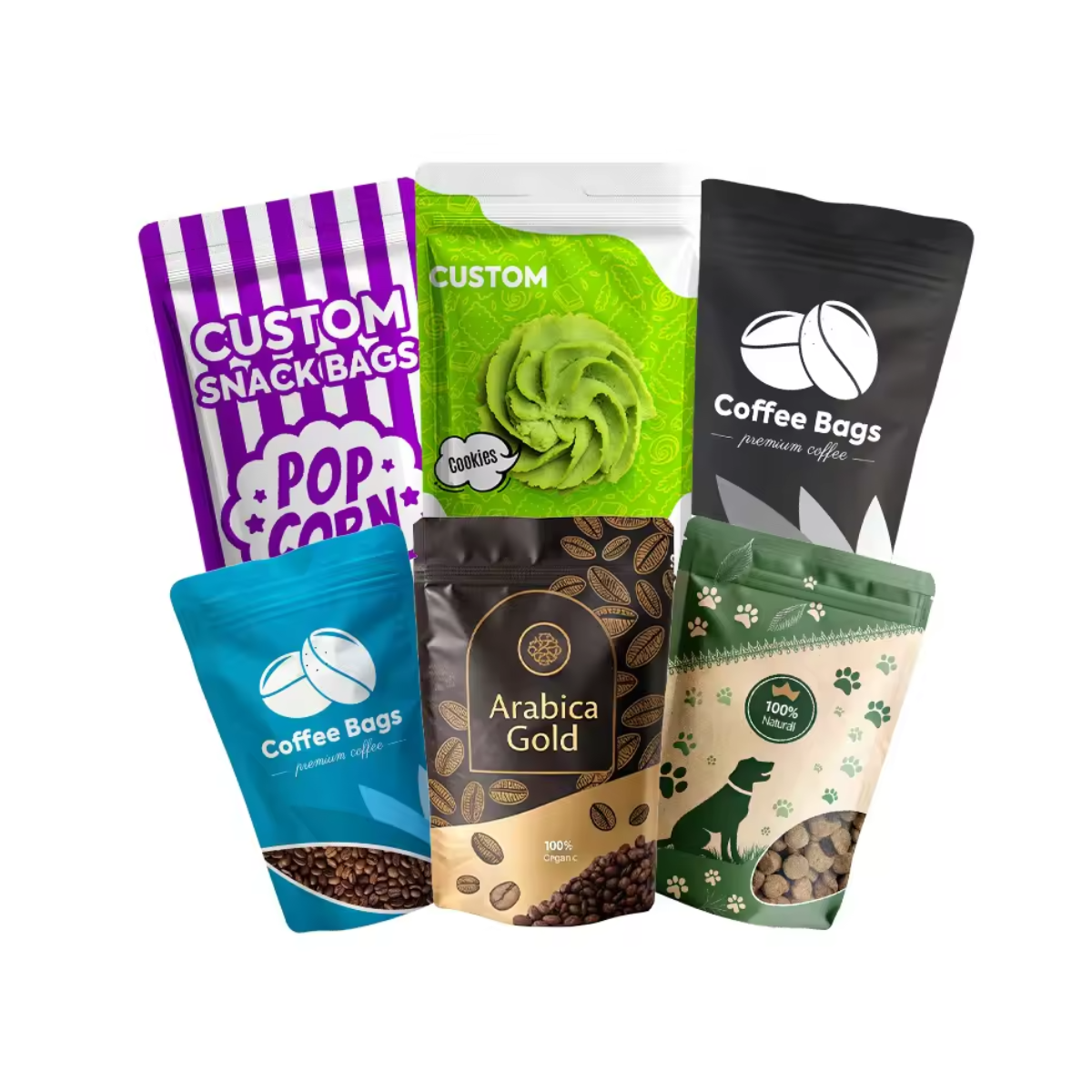
Coffee roasters and wholesale suppliers face unique challenges when selecting packaging that preserves freshness, enhances brand visibility, and meets diverse distribution requirements. The right coffee packaging solutions can make the difference between a product that maintains its optimal flavor profile throughout its shelf life and one that disappoints customers with stale or compromised quality. Understanding the specific needs of your business model, whether you're a small-batch artisan roaster or a large-scale wholesale operation, is crucial for making packaging decisions that support both product integrity and profitability.
Modern coffee packaging solutions have evolved significantly beyond basic barrier protection, incorporating advanced valve systems, sustainable materials, and customizable branding options that cater to the sophisticated demands of today's coffee market. From flat-bottom bags with one-way valves to specialized wholesale packaging formats, the landscape of coffee packaging solutions offers numerous options designed to address specific storage, transportation, and presentation needs. This comprehensive guide explores the most effective packaging approaches for different business scales and market segments, helping you identify the optimal coffee packaging solutions that align with your operational requirements and quality standards.
Essential Features of Premium Coffee Packaging Solutions
Barrier Protection and Material Selection
The foundation of effective coffee packaging solutions lies in selecting materials that provide superior barrier protection against oxygen, moisture, light, and external odors. Multi-layer laminated films incorporating aluminum foil or metallized polyester create the necessary barrier properties to maintain coffee freshness for extended periods. These advanced coffee packaging solutions typically feature a combination of polyethylene (PE) inner layers for heat sealing, barrier layers for protection, and outer layers for durability and printability. The material thickness and composition directly impact the shelf life extension capabilities, with premium coffee packaging solutions offering barrier properties that can preserve coffee quality for 12-24 months when properly stored.
Modern coffee packaging solutions also incorporate sustainable material options without compromising protective performance. Recyclable mono-materials, compostable films, and bio-based polymers are increasingly available as environmentally conscious coffee packaging solutions. These sustainable options maintain the essential barrier properties while addressing growing consumer and regulatory demands for eco-friendly packaging approaches. The selection between traditional high-barrier materials and sustainable alternatives often depends on the specific distribution timeline, storage conditions, and market positioning of your coffee products.
Valve Technology and Gas Management
One-way degassing valves represent a critical component of professional coffee packaging solutions, allowing freshly roasted coffee to release CO2 while preventing oxygen ingress. These valves are particularly essential for coffee packaging solutions targeting the specialty and premium segments, where maintaining optimal flavor profiles is paramount. The valve technology enables packaging immediately after roasting without waiting for complete degassing, significantly improving operational efficiency and product freshness retention.
Advanced coffee packaging solutions incorporate precision-engineered valves that maintain their functionality throughout the product's shelf life, ensuring consistent gas exchange management. The valve placement and design can vary depending on the packaging format, with some coffee packaging solutions featuring multiple valve configurations for enhanced performance. Understanding the relationship between valve specifications and your specific coffee roast profiles helps optimize the effectiveness of these critical components in your packaging system.
Structural Design and Functionality
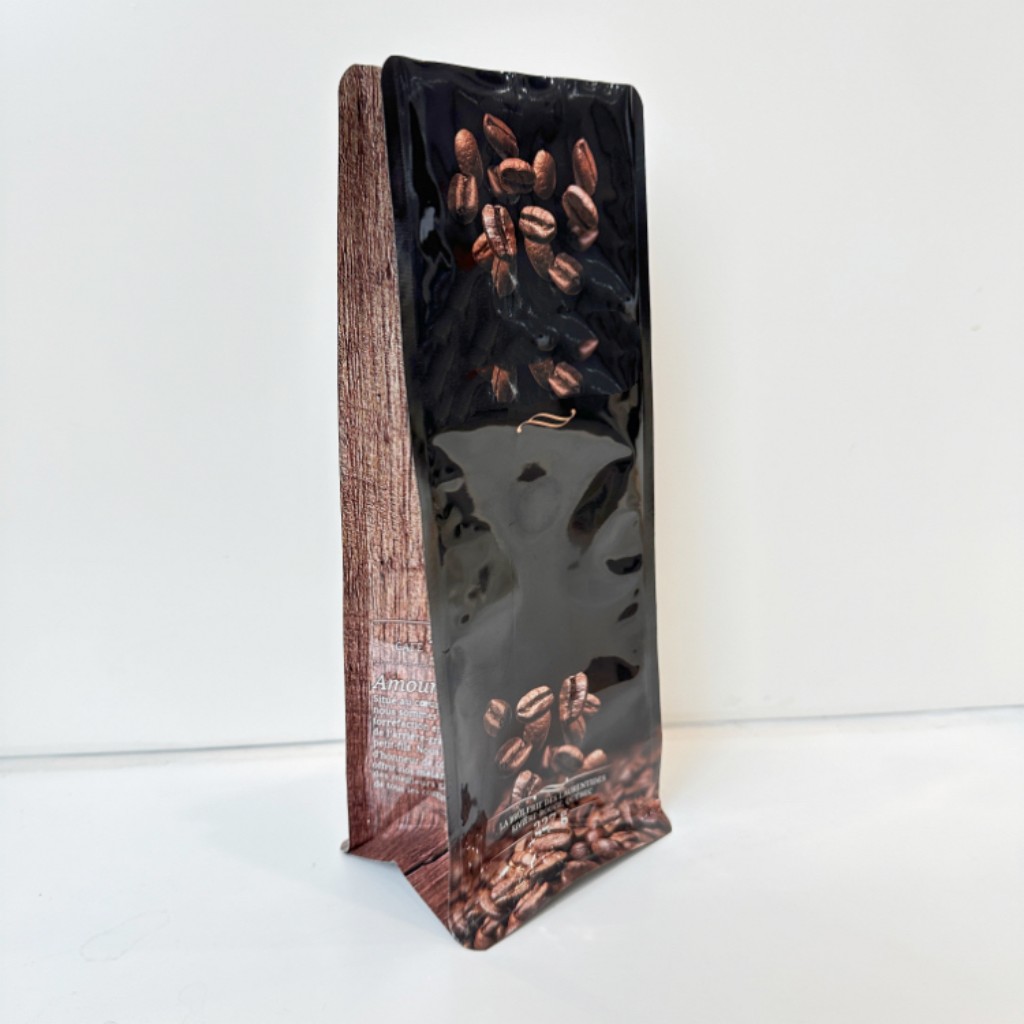
The structural design of coffee packaging solutions significantly impacts both functionality and market appeal. Flat-bottom bags, side-gusseted pouches, and stand-up formats each offer distinct advantages for different applications and market segments. Flat-bottom coffee packaging solutions provide excellent shelf stability and maximum surface area for branding, making them ideal for retail environments and premium product positioning. The structural integrity of these designs supports consistent product presentation while facilitating efficient filling and sealing operations.
Professional coffee packaging solutions also incorporate user-friendly features such as resealable closures, tear notches, and pour spouts that enhance the consumer experience. These functional elements contribute to customer satisfaction and brand loyalty while providing practical benefits for both retail and foodservice applications. The integration of these features requires careful consideration of manufacturing processes and cost implications to ensure that enhanced functionality aligns with business objectives and market positioning.
Optimized Solutions for Different Business Models
Small-Batch Artisan Roaster Requirements
Small-batch artisan roasters require coffee packaging solutions that emphasize quality preservation, brand differentiation, and operational flexibility. These businesses typically benefit from coffee packaging solutions that offer lower minimum order quantities, customizable design options, and premium material specifications that reflect their artisanal positioning. The packaging must effectively communicate the craftsmanship and quality associated with small-batch roasting while providing practical protection for limited production runs.
For artisan roasters, coffee packaging solutions often prioritize visual impact and tactile quality to justify premium pricing and build brand recognition. Materials with enhanced printability, special finishes, and unique structural designs help distinguish products in competitive retail environments. The flexibility to modify packaging designs for seasonal offerings, limited editions, or experimental roasts makes adaptable coffee packaging solutions particularly valuable for this market segment. Efficient sealing and filling compatibility with smaller-scale equipment also influences the selection criteria for artisan-focused packaging options.
Medium-Scale Commercial Operations
Medium-scale commercial roasters need coffee packaging solutions that balance quality, efficiency, and cost-effectiveness across moderate production volumes. These operations typically require standardized packaging formats that can accommodate multiple product lines while maintaining consistent quality and operational efficiency. The ideal coffee packaging solutions for this segment provide reliable performance across varied storage and distribution conditions while supporting reasonable inventory investment levels.
Medium-scale operations benefit from coffee packaging solutions that offer standardized specifications with customization flexibility for different product categories or market channels. The packaging must support efficient automated or semi-automated filling processes while maintaining the quality standards expected in competitive commercial markets. Cost optimization becomes increasingly important at this scale, making material efficiency and production compatibility key factors in selecting appropriate coffee packaging solutions for sustained business growth and profitability.
Large-Scale Wholesale and Distribution
Large-scale wholesale operations require coffee packaging solutions optimized for high-volume production, extended distribution networks, and diverse storage conditions. These applications demand packaging that maintains product integrity throughout complex supply chains while supporting efficient handling, transportation, and storage operations. Wholesale coffee packaging solutions typically emphasize durability, space efficiency, and compatibility with automated handling systems used in large-scale distribution facilities.
The specifications for wholesale coffee packaging solutions often include enhanced puncture resistance, superior barrier properties for extended shelf life, and design features that facilitate efficient palletizing and shipping operations. These packaging formats must perform reliably across varied climate conditions and handling practices encountered in extensive distribution networks. Cost efficiency at scale becomes a primary consideration, with wholesale coffee packaging solutions needing to deliver optimal protection and functionality while maintaining competitive unit costs that support profitable large-volume operations.
Technical Considerations for Implementation
Equipment Compatibility and Production Integration
Successful implementation of coffee packaging solutions requires careful consideration of equipment compatibility and production integration requirements. The selected packaging materials and formats must align with existing filling, sealing, and handling equipment capabilities or justify investment in upgraded systems. Modern coffee packaging solutions are designed to accommodate various production scales and equipment types, from manual operations to fully automated high-speed lines, but specific compatibility verification remains essential for optimal performance.
Production efficiency considerations for coffee packaging solutions include sealing temperature requirements, film feeding characteristics, and dimensional tolerances that affect equipment performance. Advanced coffee packaging solutions incorporate design features that enhance manufacturing efficiency, such as improved film tracking, consistent sealing surfaces, and optimized material properties for high-speed operations. The integration process should account for quality control requirements, waste reduction opportunities, and maintenance considerations that impact overall operational effectiveness.
Quality Control and Testing Protocols
Effective quality control protocols are essential for maintaining the performance standards of coffee packaging solutions throughout production and distribution cycles. These protocols typically include barrier property testing, seal integrity verification, valve functionality assessment, and shelf life validation studies. Regular testing ensures that coffee packaging solutions continue to meet specifications and performance expectations under actual operating conditions and storage environments.
Comprehensive quality control for coffee packaging solutions also encompasses incoming material inspection, in-process monitoring, and finished product validation procedures. These systematic approaches help identify potential issues before they impact product quality or customer satisfaction. The testing protocols should address both immediate performance requirements and long-term stability characteristics that affect the effectiveness of coffee packaging solutions throughout their intended service life.
Storage and Handling Optimization
Proper storage and handling practices significantly impact the performance of coffee packaging solutions throughout the supply chain. Environmental factors such as temperature fluctuations, humidity levels, and light exposure can affect packaging integrity and product protection capabilities. Understanding these environmental impacts helps optimize storage conditions and handling procedures that preserve the effectiveness of coffee packaging solutions from production through consumer use.
Handling optimization for coffee packaging solutions includes considerations for transportation methods, warehouse storage systems, and retail display requirements. The packaging must maintain its protective properties and structural integrity throughout these varied handling scenarios while supporting efficient logistics operations. Training programs for handling personnel and clear guidelines for storage conditions help ensure that coffee packaging solutions perform as intended throughout their intended application lifecycle.
Market Positioning and Brand Integration
Premium Segment Differentiation
Premium coffee markets require packaging solutions that effectively communicate quality, authenticity, and value proposition through visual design and material selection. These coffee packaging solutions typically feature high-quality printing, special finishes, and structural designs that reinforce premium positioning and justify higher price points. The packaging becomes an integral part of the brand experience, influencing customer perception and purchase decisions in competitive premium segments.
Successful premium coffee packaging solutions balance aesthetic appeal with functional performance to create compelling product presentations that resonate with discerning consumers. Material selection, printing techniques, and finishing options contribute to the overall perceived value while maintaining the practical protection and functionality requirements. The investment in premium coffee packaging solutions must align with market expectations and competitive positioning to support successful brand differentiation and customer loyalty development.
Sustainability and Environmental Considerations
Environmental sustainability has become increasingly important in coffee packaging solutions selection, driven by consumer awareness, regulatory requirements, and corporate responsibility initiatives. Sustainable coffee packaging solutions encompass recyclable materials, reduced environmental impact manufacturing processes, and end-of-life disposal considerations. These factors influence both material selection and design approaches for environmentally conscious coffee packaging solutions.
The implementation of sustainable coffee packaging solutions requires balancing environmental objectives with performance requirements and cost considerations. Advanced sustainable materials and manufacturing processes continue to improve, offering coffee packaging solutions that meet both environmental goals and functional specifications. Market communication of sustainability initiatives can enhance brand positioning and customer engagement, making environmental considerations an important factor in overall packaging strategy development.
Regulatory Compliance and Food Safety
Coffee packaging solutions must comply with applicable food safety regulations and industry standards across all intended markets and distribution channels. These requirements encompass material safety, migration testing, labeling compliance, and manufacturing standards that ensure product safety and regulatory acceptance. Understanding regulatory requirements helps guide the selection and implementation of appropriate coffee packaging solutions for specific market applications.
Compliance considerations for coffee packaging solutions also include documentation requirements, traceability systems, and quality assurance protocols that support regulatory approval and market acceptance. These requirements may vary by geographic market, product category, and distribution channel, making comprehensive regulatory assessment an important component of packaging selection and implementation processes. Maintaining compliance throughout the product lifecycle requires ongoing monitoring and documentation of coffee packaging solutions performance and specifications.
FAQ
What are the most important factors when choosing coffee packaging solutions for a new roasting business?
The most critical factors include barrier protection capabilities to preserve coffee freshness, compatibility with your production equipment and volumes, one-way valve functionality for proper degassing, and cost-effectiveness that aligns with your business model. Additionally, consider the packaging's ability to support your brand positioning, minimum order quantities that match your production scale, and storage requirements that fit your facility capabilities. Quality coffee packaging solutions should also provide flexibility for future growth and product line expansion while maintaining consistent performance standards.
How do one-way valves in coffee packaging solutions affect product freshness and shelf life?
One-way valves are essential components of professional coffee packaging solutions that allow freshly roasted coffee to release CO2 gas while preventing oxygen from entering the package. This functionality enables immediate packaging after roasting without waiting for complete degassing, which can take several days and compromise freshness. The valves help maintain optimal flavor profiles by preventing oxidation while accommodating the natural gas release process, typically extending shelf life by 6-12 months compared to packaging without valve systems when stored under proper conditions.
What packaging formats work best for wholesale coffee distribution versus retail sales?
Wholesale coffee packaging solutions typically emphasize durability, space efficiency, and handling convenience for large-volume distribution, often featuring larger sizes, enhanced puncture resistance, and designs optimized for palletizing and automated handling systems. Retail coffee packaging solutions focus more on shelf appeal, consumer convenience features, and brand presentation, typically using smaller sizes with premium printing, resealable closures, and structural designs that maximize shelf presence. Many successful operations use different packaging formats for wholesale and retail channels to optimize performance for each distribution method.
How can sustainable coffee packaging solutions maintain product quality while meeting environmental goals?
Modern sustainable coffee packaging solutions utilize advanced recyclable mono-materials, compostable films, and bio-based polymers that maintain essential barrier properties for coffee protection while reducing environmental impact. These materials undergo extensive testing to ensure they provide comparable freshness preservation to traditional packaging options. Successful implementation requires careful material selection, appropriate storage and handling practices, and clear communication with customers about proper disposal methods. The key is balancing sustainability objectives with performance requirements through materials and designs specifically engineered for coffee applications.
Table of Contents
- Essential Features of Premium Coffee Packaging Solutions
- Optimized Solutions for Different Business Models
- Technical Considerations for Implementation
- Market Positioning and Brand Integration
-
FAQ
- What are the most important factors when choosing coffee packaging solutions for a new roasting business?
- How do one-way valves in coffee packaging solutions affect product freshness and shelf life?
- What packaging formats work best for wholesale coffee distribution versus retail sales?
- How can sustainable coffee packaging solutions maintain product quality while meeting environmental goals?