EN
EN

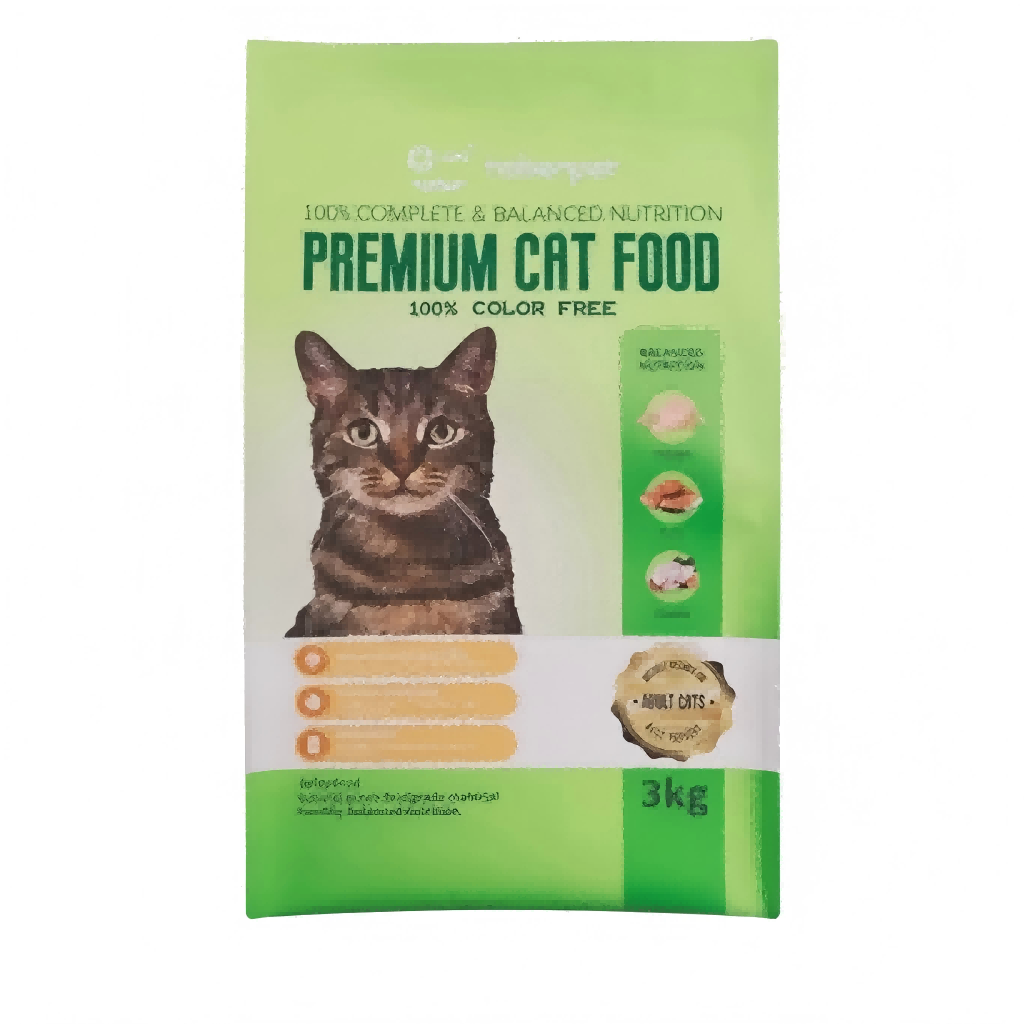
The pet supply industry has witnessed remarkable growth in recent years, with cat ownership reaching unprecedented levels across North America and Europe. As pet retailers and distributors navigate this expanding market, the importance of reliable, high-quality cat litter packaging bags has become increasingly evident. Leading suppliers understand that packaging plays a crucial role in product integrity, brand recognition, and customer satisfaction. The choice of packaging material and design directly impacts product freshness, storage efficiency, and overall consumer experience.
Modern pet supply chains demand packaging solutions that balance functionality with environmental responsibility. Biodegradable options have emerged as the preferred choice for forward-thinking businesses that recognize the importance of sustainable practices. These innovative packaging solutions maintain the durability and moisture resistance essential for cat litter products while offering end-of-life biodegradability that appeals to environmentally conscious consumers. The transition toward eco-friendly packaging represents both a business opportunity and a responsibility that leading suppliers embrace.
Advanced Material Engineering for Pet Product Packaging
Biodegradable Film Technology
The development of biodegradable films for pet product packaging represents a significant advancement in sustainable packaging technology. These materials undergo rigorous testing to ensure they meet the demanding requirements of cat litter storage and transportation. Unlike traditional plastic films, biodegradable alternatives break down naturally under specific environmental conditions while maintaining structural integrity during their intended use period. The molecular structure of these films allows for controlled decomposition rates, ensuring that packaging remains functional throughout the product lifecycle.
Manufacturing processes for biodegradable packaging films incorporate advanced polymer chemistry and precision extrusion techniques. The resulting materials exhibit excellent barrier properties against moisture and oxygen, critical factors for maintaining cat litter quality. Quality control protocols ensure consistent film thickness, tensile strength, and biodegradation characteristics across production batches. These technical specifications directly translate to improved product protection and enhanced shelf life for retail applications.
Structural Design Optimization
Flat-bottom bag configurations offer superior stability and space utilization compared to traditional gusseted designs. This structural approach maximizes storage efficiency in warehouse environments while providing enhanced product presentation on retail shelves. The flat-bottom design distributes weight evenly, reducing stress concentrations that could lead to packaging failure during handling and transportation. Engineering calculations demonstrate that this configuration can increase pallet efficiency by up to 15% compared to conventional bag designs.
Handle integration represents another critical design element that impacts both functionality and user experience. Reinforced handle construction ensures reliable carrying capacity for heavy cat litter products while maintaining comfort during consumer use. The positioning and attachment methods for handles require careful consideration of load distribution and ergonomic factors. Advanced testing protocols evaluate handle strength under various loading conditions to guarantee performance consistency across different product weights and usage scenarios.
Manufacturing Excellence and Quality Control
Production Process Standards
State-of-the-art manufacturing facilities employ multi-layer film extrusion technology to create high-performance packaging materials. This process allows for the combination of different polymer layers, each contributing specific properties such as barrier protection, strength, or printability. Temperature control, pressure regulation, and cooling rate management are precisely monitored throughout the extrusion process to ensure optimal film characteristics. Quality management systems track these parameters continuously, maintaining statistical process control to minimize variation and maximize product consistency.
Bag formation and sealing operations utilize advanced heat-sealing technology that creates reliable, leak-resistant closures. Ultrasonic welding techniques provide superior seal strength compared to traditional thermal sealing methods, particularly important for heavy-duty applications like cat litter packaging bags. Automated quality inspection systems examine seal integrity using pressure testing and visual inspection protocols. These systems can detect microscopic defects that might compromise package integrity during storage or transportation phases.
Custom Printing Capabilities
High-resolution printing systems enable detailed graphics reproduction and vibrant color presentation that enhances brand recognition and consumer appeal. Digital printing technology allows for cost-effective short runs and rapid prototype development, essential capabilities for businesses testing new product lines or seasonal variations. Color management systems ensure consistency across production batches, maintaining brand identity standards that retailers and consumers expect from premium pet products.
Variable data printing capabilities enable unique product coding, batch tracking, and regulatory compliance marking on individual packages. This technology supports supply chain transparency and quality traceability requirements that are increasingly important in the pet food and supplies industry. Integration with inventory management systems allows for real-time tracking of production batches and distribution channels, providing valuable data for business optimization and quality assurance programs.
Market Advantages and Business Benefits
Cost Efficiency Through Bulk Ordering
Bulk purchasing strategies deliver substantial cost savings through economies of scale in both material procurement and manufacturing operations. Large-volume orders allow for optimized production scheduling, reducing setup costs and increasing manufacturing efficiency. Raw material purchasing power increases significantly with larger order quantities, enabling suppliers to negotiate better pricing with polymer and additive manufacturers. These savings cascade through the supply chain, providing competitive advantages for retailers and distributors.
Inventory management benefits extend beyond simple cost reduction to include improved supply chain reliability and reduced administrative overhead. Consolidated shipments reduce transportation costs per unit while minimizing packaging waste from multiple smaller deliveries. Warehouse efficiency improves through standardized pallet configurations and reduced handling complexity. Long-term supply agreements provide price stability and guaranteed availability, critical factors for businesses planning seasonal inventory buildups or promotional campaigns.
Brand Enhancement Opportunities
Custom packaging design creates powerful branding opportunities that differentiate products in competitive retail environments. High-quality graphics and premium materials communicate product value and brand positioning to consumers making purchase decisions. Packaging serves as a silent salesperson, conveying quality messages and building consumer confidence in product selection. Research indicates that packaging quality significantly influences consumer perception of product quality, particularly in the pet supplies category where owners prioritize their pets' wellbeing.
Sustainability messaging integrated into packaging design appeals to environmentally conscious consumers who increasingly consider environmental impact in purchasing decisions. Clear communication of biodegradable properties and responsible manufacturing practices builds brand loyalty among eco-minded pet owners. This positioning strategy creates competitive advantages in markets where sustainability concerns influence buying behavior, particularly in urban areas with high environmental awareness levels.
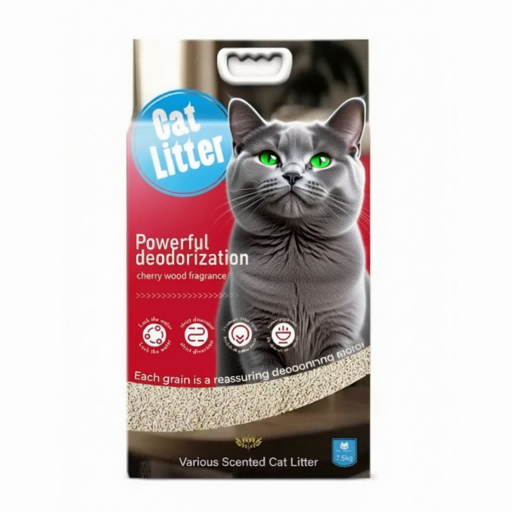
Environmental Impact and Sustainability
Lifecycle Assessment Benefits
Comprehensive lifecycle assessment studies demonstrate significant environmental advantages of biodegradable packaging compared to traditional plastic alternatives. These assessments evaluate environmental impact from raw material extraction through end-of-life disposal, providing quantitative data for sustainability reporting and marketing communications. Carbon footprint reduction varies depending on specific material compositions and disposal methods, but studies consistently show lower overall environmental impact for biodegradable options.
End-of-life disposal options for biodegradable packaging include commercial composting facilities and controlled landfill environments where appropriate microbial conditions support natural decomposition. Unlike conventional plastics that persist in the environment for decades, biodegradable materials break down into harmless natural compounds within months under proper conditions. This characteristic addresses growing consumer concerns about plastic waste accumulation and supports corporate sustainability initiatives that increasingly influence business decision-making.
Regulatory Compliance and Certification
International certification standards such as ASTM D6400 and EN 13432 provide verification of biodegradable properties and compostability characteristics. These certifications require extensive testing and validation procedures that ensure packaging materials meet strict performance criteria for biodegradation rates and eco-toxicity levels. Compliance with these standards enables market access in regions with specific environmental regulations and supports sustainability claims that resonate with environmentally conscious consumers.
Regulatory landscape evolution continues to favor sustainable packaging solutions through extended producer responsibility programs and plastic waste reduction initiatives. Proactive adoption of biodegradable packaging positions businesses ahead of regulatory changes while demonstrating corporate environmental leadership. This strategic approach provides competitive advantages and risk mitigation as governments worldwide implement increasingly stringent environmental regulations affecting packaging materials and waste management practices.
Technical Specifications and Performance Standards
Physical Property Requirements
Tensile strength specifications for cat litter packaging must accommodate the substantial weight and abrasive nature of typical clay and crystal litters. Standard testing protocols evaluate puncture resistance, tear propagation strength, and impact resistance under various temperature and humidity conditions. Performance requirements vary based on package size, with 5kg and 10kg configurations requiring different strength characteristics to ensure reliable performance throughout distribution and retail handling processes.
Barrier properties play a crucial role in maintaining product quality during extended storage periods common in retail supply chains. Moisture vapor transmission rates must remain below specified limits to prevent clumping and quality degradation in hygroscopic litter materials. Oxygen barrier properties protect against oxidation processes that can affect odor control additives and fragrances commonly incorporated in premium cat litter formulations. These technical requirements drive material selection and processing decisions that directly impact packaging performance and cost considerations.
Quality Assurance Protocols
Comprehensive quality assurance programs incorporate incoming material inspection, in-process monitoring, and finished product validation to ensure consistent performance standards. Statistical sampling procedures follow internationally recognized protocols for package integrity testing, including seal strength evaluation and burst testing under simulated handling conditions. Data collection and analysis systems track quality metrics continuously, enabling rapid identification and correction of process variations that could affect product performance.
Customer feedback integration systems capture real-world performance data that supplements laboratory testing protocols. This information enables continuous improvement programs that enhance packaging design and manufacturing processes based on actual usage conditions and customer requirements. Collaboration with major retailers and distributors provides valuable insights into handling challenges and performance expectations that guide ongoing product development initiatives.
FAQ
What makes biodegradable cat litter packaging more cost-effective than traditional options
Biodegradable cat litter packaging bags offer long-term cost advantages through reduced waste management fees and potential regulatory compliance savings. While initial material costs may be slightly higher, bulk ordering significantly reduces per-unit pricing, and many regions offer tax incentives for sustainable packaging adoption. The enhanced brand value and consumer appeal often justify the investment through increased sales and customer loyalty.
How do flat-bottom designs improve warehouse and retail operations
Flat-bottom bag configurations provide superior stacking stability and space utilization efficiency compared to traditional gusseted designs. This structural advantage translates to approximately 15% better pallet efficiency and reduced product damage during transportation and storage. Retail presentation benefits include improved shelf stability and enhanced product visibility that can positively impact sales performance.
What custom printing options are available for bulk orders
Advanced digital printing capabilities enable full-color graphics reproduction with precise color matching and variable data printing for batch tracking and regulatory compliance. Minimum order quantities for custom printing vary based on complexity, but bulk orders typically qualify for premium printing options including metallic inks, specialty finishes, and multiple design variations within single production runs.
How long does the biodegradation process take under normal conditions
Biodegradation timeframes depend on environmental conditions such as temperature, humidity, and microbial activity levels. Under optimal composting conditions, properly certified biodegradable packaging materials typically decompose within 90-180 days. In landfill environments, the process may take longer but still results in complete breakdown into natural compounds without persistent microplastic formation that characterizes traditional plastic packaging materials.