EN
EN

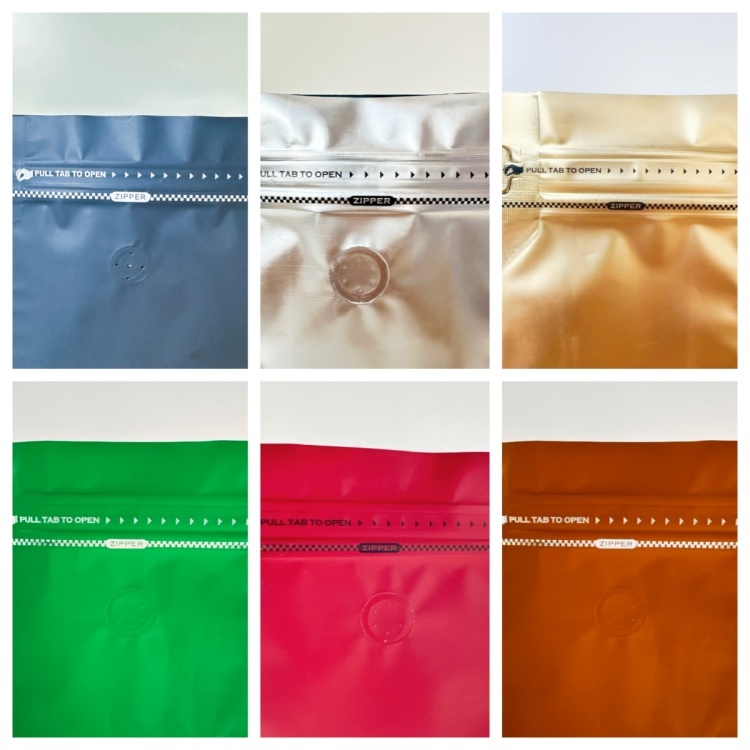
Long-term food storage has become increasingly important for households and businesses seeking to preserve nutritional value, extend shelf life, and maintain food quality over extended periods. Among the various packaging solutions available today, mylar bags have emerged as the superior choice for individuals and organizations prioritizing effective food preservation. These specialized barrier films offer exceptional protection against moisture, oxygen, light, and other environmental factors that can compromise food integrity. The unique properties of mylar bags make them indispensable for emergency preparedness, bulk food storage, and commercial food packaging applications.
Understanding Mylar Bag Construction and Materials
Advanced Polyester Film Technology
Mylar bags are manufactured using biaxially oriented polyethylene terephthalate, commonly known as BoPET or polyester film. This advanced material undergoes a specialized stretching process that creates molecular alignment in two directions, resulting in enhanced strength, clarity, and barrier properties. The manufacturing process involves heating polyester resin to precise temperatures and then stretching the film both longitudinally and transversely. This dual-orientation technique creates a uniform molecular structure that provides exceptional tensile strength and dimensional stability under various storage conditions.
The molecular structure of mylar film creates an extremely dense barrier that effectively blocks gas transmission, moisture penetration, and light exposure. The polymer chains form a crystalline structure that minimizes free volume, creating pathways that are too small for most gas molecules to pass through. This barrier performance is further enhanced through the application of metallic coatings, typically aluminum, which are vacuum-deposited onto the polyester substrate. These metallized layers provide additional protection against oxygen transmission and create an effective light barrier that prevents photodegradation of stored contents.
Multi-Layer Barrier Construction
Modern mylar bags for food storage typically feature multi-layer construction that combines different materials to optimize barrier performance and mechanical properties. The standard configuration includes an outer polyester layer for printability and durability, a middle metallized barrier layer for gas and moisture protection, and an inner sealable layer for heat sealing compatibility. This laminated structure provides superior performance compared to single-layer films while maintaining flexibility and processability required for bag manufacturing.
The inner sealable layer is carefully selected based on the intended application and sealing requirements. Common materials include polyethylene, polypropylene, and specialized sealant polymers that provide reliable heat seal strength while maintaining food contact safety. The thickness of each layer is precisely controlled during manufacturing to achieve optimal barrier performance while maintaining cost-effectiveness. This multi-layer approach allows manufacturers to customize mylar bags for specific storage requirements, whether for dry goods, freeze-dried foods, or moisture-sensitive products.
Superior Barrier Properties for Food Preservation
Oxygen Transmission Resistance
One of the most critical factors in long-term food storage is preventing oxygen exposure, which causes oxidation reactions that lead to rancidity, nutrient loss, and spoilage. Mylar bags provide exceptional oxygen barrier properties, with transmission rates significantly lower than conventional plastic films. The metallized polyester construction can achieve oxygen transmission rates as low as 0.01 cubic centimeters per square meter per day, compared to standard polyethylene films that may allow 1000 times more oxygen permeation.
This superior oxygen barrier performance enables mylar bags to maintain anaerobic conditions essential for preventing aerobic bacterial growth and oxidative degradation. When properly sealed with oxygen absorbers, mylar bags can create storage environments with oxygen levels below 0.1 percent, effectively halting most spoilage processes. This oxygen barrier capability is particularly important for storing oils, nuts, grains, and other foods susceptible to rancidity from lipid oxidation.
Moisture Vapor Protection
Moisture control is equally important for long-term food storage, as excessive humidity can promote microbial growth, texture degradation, and chemical reactions that reduce food quality. Mylar bags demonstrate excellent moisture vapor transmission resistance, preventing both moisture ingress from external environments and moisture loss from stored foods. The water vapor transmission rate of metallized mylar films typically ranges from 0.01 to 0.1 grams per square meter per day, providing exceptional protection for moisture-sensitive products.
This moisture barrier performance enables mylar bags to maintain optimal humidity levels within the package, preserving texture, flavor, and nutritional content of stored foods. The protection is bidirectional, preventing both dehydration of naturally moist foods and moisture absorption by dry products. This characteristic makes mylar bags particularly effective for storing dehydrated vegetables, powdered foods, cereals, and other products that must maintain specific moisture content for quality preservation.
Light Protection and UV Resistance
Photodegradation Prevention
Light exposure, particularly ultraviolet radiation, can cause significant degradation of food nutrients, colors, and flavors through photochemical reactions. Mylar bags with metallized surfaces provide complete light barrier properties, blocking both visible light and UV radiation that can damage stored foods. The aluminum coating reflects light wavelengths across the spectrum, creating an opaque barrier that maintains dark storage conditions essential for preserving light-sensitive compounds such as vitamins, natural colors, and aromatic compounds.
This light protection capability is especially valuable for storing foods containing photosensitive nutrients like riboflavin, vitamin B6, and vitamin C, which can degrade rapidly under light exposure. The complete light barrier also prevents color fading in naturally pigmented foods and maintains the visual appeal of stored products. Unlike transparent or translucent packaging materials that require secondary light protection, mylar bags provide inherent light barrier properties that eliminate the need for additional protective measures.
Extended Shelf Life Benefits
The combination of light protection and barrier properties significantly extends the shelf life of foods stored in mylar bags compared to conventional packaging methods. Studies have demonstrated that foods packaged in metallized mylar films can maintain nutritional value and sensory quality for periods ranging from several months to multiple years, depending on the specific product and storage conditions. This extended shelf life capability reduces food waste, improves inventory management, and provides greater flexibility for meal planning and emergency preparedness.
The light barrier properties of mylar bags also help maintain the natural appearance and color of stored foods, which is important for consumer acceptance and perceived quality. Foods that would typically fade or discolor under normal storage conditions retain their original appearance when protected by metallized mylar packaging. This visual quality preservation, combined with nutritional and flavor retention, makes mylar bags the preferred choice for discerning consumers and commercial food storage operations.
Temperature Stability and Durability
Wide Temperature Range Performance
Mylar bags demonstrate exceptional performance across a wide range of storage temperatures, from freezer conditions to ambient warehouse environments. The polyester film substrate maintains its mechanical properties and barrier performance at temperatures ranging from -40°F to 150°F, making it suitable for various storage scenarios including frozen food packaging, room temperature storage, and elevated temperature applications. This temperature stability ensures consistent protection regardless of seasonal temperature variations or storage location changes.
The dimensional stability of mylar bags under temperature fluctuations prevents package deformation and seal failure that can compromise barrier properties. Unlike some plastic films that become brittle at low temperatures or soften excessively at elevated temperatures, mylar maintains its structural integrity across the entire usable temperature range. This characteristic is particularly important for long-term storage applications where temperature control may be limited or variable over extended periods.
Puncture and Tear Resistance
The biaxial orientation process used in mylar film manufacturing creates exceptional mechanical strength properties, including high puncture resistance and tear propagation resistance. These mechanical properties protect stored foods from contamination due to package failures and maintain barrier integrity under handling stress. The oriented molecular structure distributes stress forces across the film surface, preventing localized failures that could compromise the entire package.
This durability advantage is particularly important for bulk storage applications where packages may be subjected to stacking loads, handling stress, or contact with sharp edges. Mylar bags can withstand mechanical stress that would puncture or tear conventional plastic films, providing reliable protection throughout the storage period. The combination of flexibility and strength allows mylar bags to conform to product shapes while maintaining protective barrier properties.
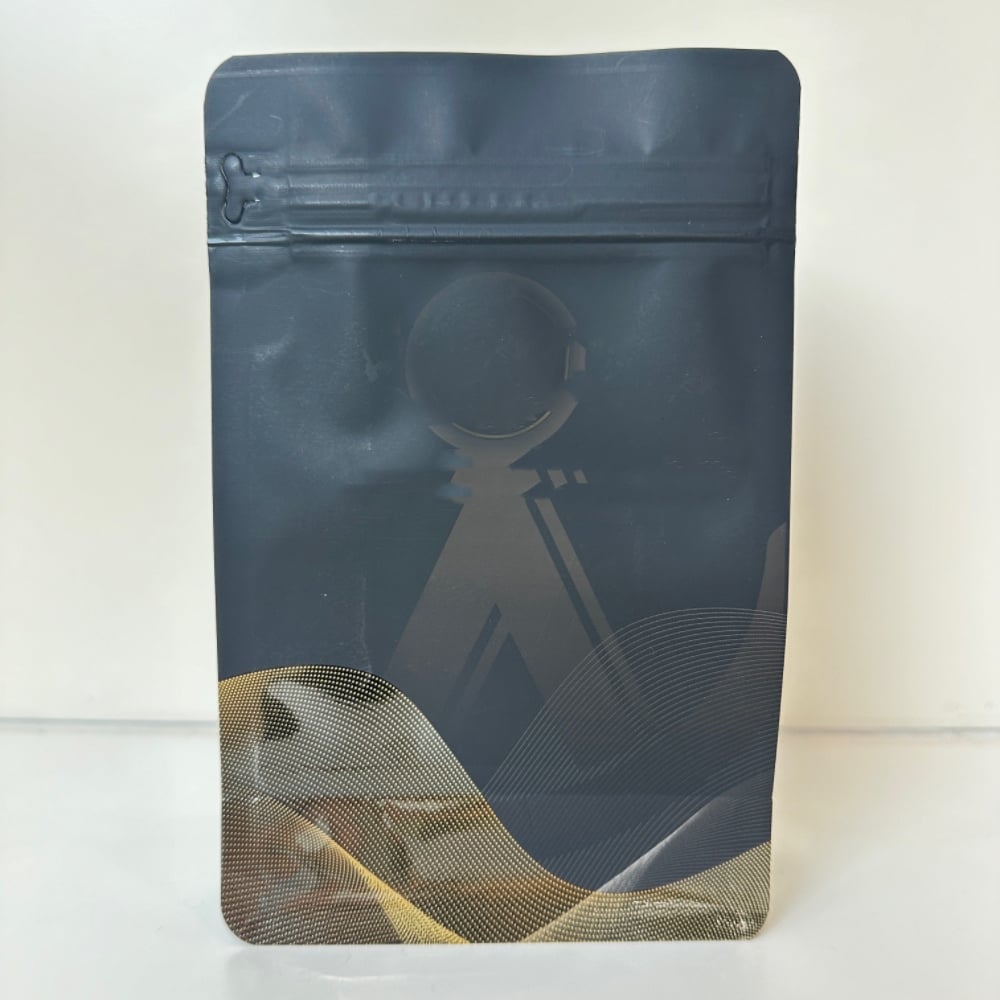
Versatility in Food Storage Applications
Emergency Preparedness and Survival Storage
Mylar bags have become the gold standard for emergency food storage and survival preparedness due to their exceptional preservation capabilities and long-term reliability. Preparedness enthusiasts and emergency management professionals rely on mylar bags to store staple foods like rice, beans, wheat, and dehydrated meals that must maintain nutritional value and palatability for extended periods. The ability to create oxygen-free environments when combined with oxygen absorbers makes mylar bags ideal for preventing insect infestation and microbial growth in stored grains and legumes.
The lightweight and space-efficient nature of mylar bags makes them practical for emergency kits and bug-out bags where weight and volume constraints are critical considerations. Unlike rigid containers that consume significant storage space, mylar bags conform to available spaces and can be efficiently packed in emergency supply containers. The excellent barrier properties ensure that emergency food supplies remain viable for consumption even after years of storage, providing peace of mind for individuals and families preparing for uncertain situations.
Commercial Food Processing and Packaging
Food manufacturers and processors increasingly utilize mylar bags for packaging products that require extended shelf life and premium barrier protection. The compatibility with various sealing technologies, including heat sealing, ultrasonic welding, and impulse sealing, makes mylar bags adaptable to existing packaging equipment and production lines. The excellent printability of the outer polyester surface allows for high-quality graphics and product information that enhance brand presentation and consumer appeal.
The cost-effectiveness of mylar bags compared to rigid packaging alternatives makes them attractive for manufacturers seeking to reduce packaging costs while maintaining product quality. The lightweight nature of mylar packaging also reduces shipping costs and environmental impact compared to heavier packaging materials. These economic advantages, combined with superior barrier performance, have led to widespread adoption of mylar bags across various food industry segments including snack foods, coffee, tea, spices, and nutritional supplements.
Proper Usage Techniques for Maximum Effectiveness
Sealing Methods and Best Practices
Achieving optimal performance from mylar bags requires proper sealing techniques that create hermetic barriers capable of maintaining integrity throughout the storage period. Heat sealing is the most common and effective method for closing mylar bags, requiring careful temperature control and dwell time to achieve proper seal strength without damaging the film. The sealing temperature should be adjusted based on the specific sealant layer material, typically ranging from 250°F to 350°F depending on the bag construction and sealing equipment used.
Proper preparation of the sealing area is essential for achieving reliable seals that prevent air and moisture infiltration. The sealing surfaces must be clean, dry, and free from food particles or contamination that could prevent intimate contact between the sealant layers. Creating multiple seal lines or using wider seal areas can provide additional security against seal failure, particularly for long-term storage applications where seal integrity is critical for maintaining product quality.
Oxygen Absorber Integration
The combination of mylar bags with oxygen absorbers creates the ultimate protection against oxidative degradation and aerobic spoilage organisms. Oxygen absorbers should be sized appropriately for the package volume and expected residual air content, typically requiring 100-300cc oxygen absorption capacity per quart of package volume. The timing of oxygen absorber placement and bag sealing is critical, as exposure time should be minimized to preserve absorber effectiveness.
Storage conditions for oxygen absorbers before use are equally important, as exposure to air will reduce their effectiveness. Unused oxygen absorbers should be stored in airtight containers and used promptly after opening to ensure maximum absorption capacity. The synergistic effect of mylar bag barrier properties and oxygen absorber chemical activity creates storage environments with oxygen levels below those achievable by either technology alone, maximizing preservation effectiveness for stored foods.
FAQ
How long can food be stored in mylar bags
Food storage duration in mylar bags varies depending on the type of food, storage conditions, and use of oxygen absorbers. Properly packaged dry goods like rice, wheat, and beans can maintain quality for 10-30 years when stored in mylar bags with oxygen absorbers in cool, dry conditions. Dehydrated foods and freeze-dried meals typically maintain nutritional value and palatability for 5-15 years. The key factors affecting storage life include initial food quality, moisture content, storage temperature, and proper sealing techniques. Regular monitoring and rotation of stored foods ensures optimal quality and safety.
Are mylar bags safe for food contact
Yes, mylar bags designed for food storage are manufactured using food-grade materials that comply with FDA regulations for direct food contact. The polyester film substrate and sealant layers undergo rigorous testing to ensure they do not transfer harmful substances to food products. Reputable manufacturers provide certification confirming compliance with food safety standards including migration testing and heavy metal content verification. Always purchase mylar bags from established suppliers who provide food-grade certification and avoid using industrial-grade films not intended for food contact applications.
Can mylar bags be reused for food storage
Mylar bags can potentially be reused if they remain intact and can be properly cleaned and resealed. However, reuse requires careful inspection for punctures, seal integrity, and contamination that could compromise barrier properties. The sealing area may be shortened with each reuse as damaged portions are trimmed away, eventually making the bag too small for effective use. For critical long-term storage applications, using new mylar bags ensures optimal barrier performance and eliminates risks associated with compromised packaging. Reuse is more practical for short-term storage where maximum barrier performance is less critical.
What thickness of mylar bags is best for food storage
Mylar bag thickness for food storage typically ranges from 3.5 to 7 mils, with thicker films providing better puncture resistance and durability. For most food storage applications, 5-mil thickness provides an excellent balance of barrier properties, mechanical strength, and cost-effectiveness. Thicker 7-mil bags offer superior puncture resistance for sharp or heavy products but may be more difficult to seal and handle. Thinner 3.5-mil bags are suitable for lightweight products with smooth surfaces but may require more careful handling to prevent damage. The optimal thickness depends on the specific food product, storage duration, and handling requirements of your application.