EN
EN

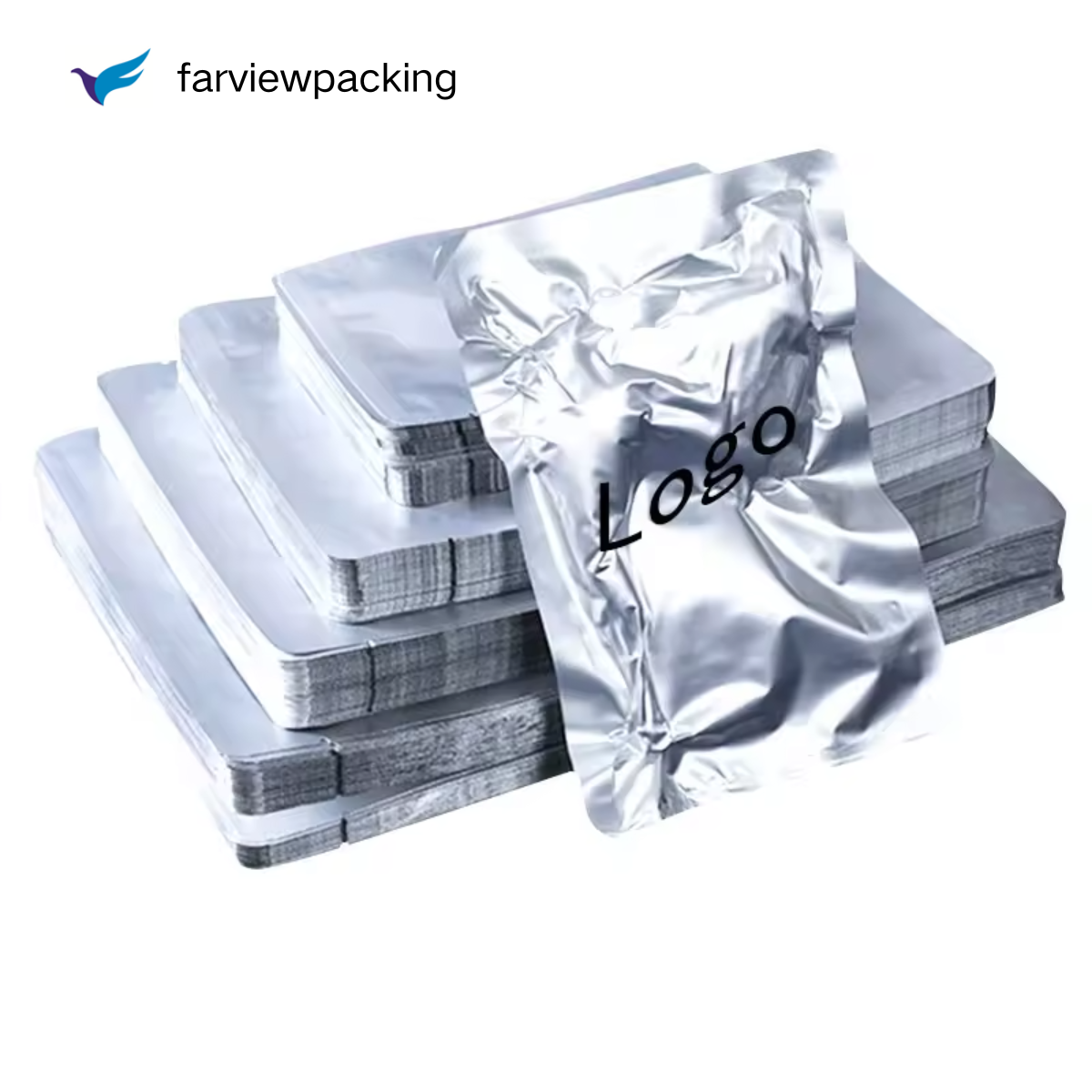
When it comes to preserving large quantities of food in commercial or industrial settings, the choice of container material can make or break your storage outcomes. vacuum packaging bags have become one of the most trusted solutions for bulk food storage across industries ranging from grain processing and flour milling to rice distribution and wholesale food supply. Selecting the right type, however, requires a clear understanding of what separates a high-performing bag from one that fails under real storage conditions.
Bulk food storage introduces challenges that simply do not exist at the retail scale. Weight loads, extended shelf life requirements, moisture exposure, and the need for consistent sealing integrity all demand that your vacuum packaging bags be evaluated with precision. This article walks through the most critical selection criteria, helping procurement managers, food manufacturers, and distribution professionals make confident, cost-effective decisions when sourcing packaging for large-format food products.
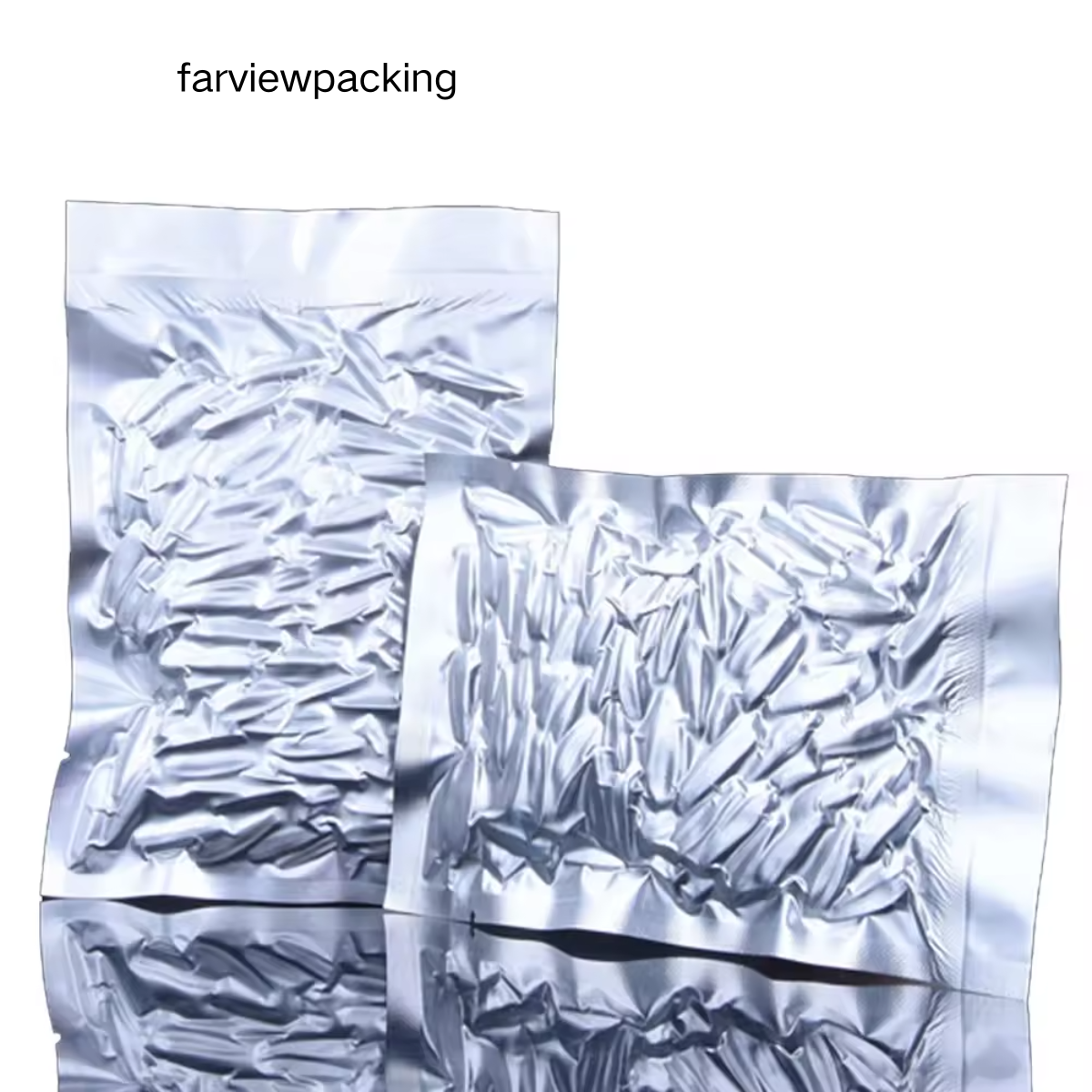
Understanding the Core Function of Vacuum Packaging Bags in Bulk Storage
How Oxygen Removal Extends Shelf Life
The primary mechanism behind vacuum packaging bags is the removal of oxygen from the interior of the sealed package. Oxygen is the key enabler of aerobic bacterial growth, mold proliferation, and oxidative rancidity in food products. When oxygen is eliminated or significantly reduced, these spoilage pathways are effectively blocked, dramatically extending the usable shelf life of bulk commodities such as wheat flour, rice, dried legumes, and powdered food ingredients.
For bulk storage, this function becomes even more critical because larger quantities of product are at stake per package. A failure in the oxygen barrier of standard bags would result in waste at scale, whereas properly selected vacuum packaging bags maintain the internal atmosphere reliably over weeks or months. The oxygen transmission rate of the bag material is therefore one of the first technical specifications to evaluate.
It is worth noting that not all vacuum packaging bags offer the same level of oxygen barrier performance. Multi-layer laminated structures combining materials such as nylon, polyethylene, and foil layers deliver superior barrier properties compared to single-layer alternatives. For bulk food storage where extended timelines are expected, multi-layer vacuum packaging bags are almost always the more appropriate choice.
Moisture Resistance as a Non-Negotiable Property
Beyond oxygen, moisture is the second major threat to bulk stored food. Flour, rice, grains, and similar dry products are hygroscopic by nature, meaning they readily absorb ambient moisture when not properly sealed. Vacuum packaging bags with high moisture vapor transmission resistance prevent this absorption, keeping products dry and free-flowing throughout the storage and distribution cycle.
In humid climates or temperature-fluctuating warehouse environments, moisture ingress can cause caking, clumping, microbial growth, and accelerated spoilage even in products that appear visually intact. Selecting vacuum packaging bags with certified moisture-proof construction is not a premium upgrade but a baseline requirement for responsible bulk food storage.
Flat bottom gusset bag designs, for example, are engineered not only for structural stability but also for enhanced seal integrity along the base and sides, providing additional protection against moisture penetration at seam points, which are traditionally the weakest areas in any food packaging format.
Key Material and Construction Criteria for Bulk Food Applications
Film Thickness and Puncture Resistance
Bulk food products often have irregular textures, sharp edges in the case of certain grains, or high fill weights that place considerable mechanical stress on packaging materials. Vacuum packaging bags designed for bulk applications must offer adequate film thickness and puncture resistance to survive the rigors of filling, sealing, palletizing, and transport without compromising the vacuum seal.
Thinner films may reduce material costs at face value, but they introduce unacceptable risk of microperforations or seal failure when subjected to the weight and friction conditions of bulk storage. Industry-standard vacuum packaging bags used for products in the 1 kg to 25 kg range typically utilize co-extruded or laminated films with specific thickness specifications that balance flexibility for sealing with durability for structural integrity.
Procurement teams should request technical data sheets specifying film gauge, tensile strength, and drop-test performance before committing to a packaging supplier. These specifications directly correlate with how reliably the vacuum packaging bags will perform under real logistics and warehousing conditions.
Seal Type and Geometry for Stable Storage
The structural design of a vacuum bag determines both how it stands on shelves and how it handles the stresses of stacking and transportation. Flat bottom gusset bags have become a popular configuration in bulk food packaging because they offer a stable base footprint, upright standing capability, and greater volume efficiency compared to pillow-style formats. For bulk vacuum packaging bags, these structural advantages translate to better warehouse space utilization and reduced product damage during storage.
Side gusset and bottom gusset constructions also allow vacuum packaging bags to accommodate higher fill weights without placing undue stress on the seams. This is especially relevant for products like rice or flour sold in 5 kg, 10 kg, or 25 kg units, where the combined weight demands robust seam architecture. A well-engineered gusset design distributes pressure more evenly across the bag structure, reducing the likelihood of seal failure under load.
The heat seal width and consistency are equally important parameters. Narrow or inconsistent heat seals are a leading cause of premature vacuum loss, particularly in bulk packaging where internal gas pressure from product outgassing can stress seal areas over time. Ensuring that your vacuum packaging bags are produced with verified heat seal parameters gives you the assurance of long-term vacuum retention.
Food Safety and Regulatory Compliance Considerations
Food Grade Material Requirements
All vacuum packaging bags used for food storage must be manufactured from food-grade materials that comply with applicable food contact regulations. This means the inner layers of the film that come into direct contact with food products must be free from harmful plasticizers, heavy metals, and other regulated substances. For bulk food packaging, where products like wheat flour, rice, and grain may be in contact with packaging material for extended periods, compliance is not optional.
Food-grade polyethylene is the most commonly used inner layer material for vacuum packaging bags due to its excellent chemical inertness, flexibility, and sealability. When combined with outer barrier layers such as nylon or EVOH, it creates a packaging structure that is both safe for food contact and effective at maintaining the vacuum environment necessary for extended shelf life.
Buyers sourcing vacuum packaging bags for commercial food distribution should request documentation confirming food contact compliance, including material safety data sheets and relevant certification references. This documentation also supports traceability requirements in regulated supply chains and provides protection in the event of a product audit or quality dispute.
Printing and Labeling Compatibility
In commercial bulk food distribution, product identification, nutritional information, lot tracking, and branding all need to be communicated on the packaging surface. Vacuum packaging bags must be compatible with the printing methods used in your operation, whether that involves pre-printed film supplied by the packaging manufacturer or in-house thermal transfer or inkjet coding applied during the packing process.
Pre-printed vacuum packaging bags offer brand consistency and high-resolution graphics but require minimum order volumes and lead time planning. Custom-printed bags for wheat flour, rice, and similar bulk staples commonly include product weight declarations, ingredient disclosures, and brand imagery, all of which must remain legible and stable throughout the product's shelf life without peeling, fading, or transferring to the food surface.
When selecting vacuum packaging bags for bulk applications, confirm that the print layer is reverse-printed between laminate layers rather than surface-printed, as this construction protects the ink from abrasion during handling and eliminates any risk of ink migration into the packaged food product.
Matching Bag Format to Product Type and Fill Process
Weight Ranges and Bag Sizing Logic
Bulk food products span a wide range of package sizes, from compact 1 kg retail-adjacent packs to large 25 kg industrial bags used in wholesale and food service distribution. Choosing vacuum packaging bags that are appropriately sized for your specific product weight is critical not only for aesthetic and functional reasons but also for ensuring that the vacuum sealing process is effective and consistent.
Oversized vacuum packaging bags relative to the product fill create excess headspace that is difficult to evacuate fully, potentially leaving residual oxygen that accelerates spoilage. Undersized bags create overfill conditions that stress seams and can interfere with heat sealing. A correctly dimensioned bag matched to the product's bulk density and target fill weight produces the most reliable vacuum seal and the most efficient use of packaging material.
Working with a packaging supplier who can advise on correct bag dimensions based on your product's bulk density measurements is a valuable step in the selection process. For wheat flour and rice specifically, bulk density values are well-established and can be used to calculate optimal bag dimensions that minimize material waste while maximizing fill consistency across production runs.
Compatibility with Vacuum Sealing Equipment
Vacuum packaging bags do not operate in isolation — they must interface reliably with the vacuum sealing equipment used in your facility. Whether you operate chamber vacuum machines, external nozzle sealers, or fully automated form-fill-seal lines, the bags you select must be dimensionally and materially compatible with your equipment specifications.
Film stiffness, surface coefficient of friction, and heat seal temperature ranges all affect how vacuum packaging bags perform on automated sealing lines. Bags that are too stiff may feed inconsistently, while those with incorrect surface friction can cause mis-tracking on conveyor systems. Requesting film samples and running equipment compatibility tests before placing large production orders is standard practice in professional food manufacturing operations.
For operations using rotary or linear form-fill-seal machines to produce bags for 5 kg or 25 kg flour and rice products, the reel format of the film and the specific sealant layer formulation are particularly important. These parameters directly affect seal cycle times, machine uptime, and the consistency of the vacuum level achieved across every package in the production run.
Long-Term Storage Performance and Supply Chain Durability
Vacuum Retention Over Extended Storage Periods
One of the defining performance metrics for vacuum packaging bags in bulk food storage is how well they maintain their vacuum seal over time. Even a well-executed initial vacuum seal can degrade if the film's oxygen barrier properties are insufficient or if micro-leaks develop at seam points under storage conditions. This vacuum retention performance is typically measured through accelerated shelf life testing and oxygen transmission rate analysis.
For bulk food commodities with target shelf lives of six months to two years, vacuum packaging bags must demonstrate consistently low oxygen transmission rates throughout the intended storage period. Products like rice and flour are particularly sensitive to oxidative degradation of lipid components, which can result in off-flavors and odors that make the product unmarketable even if it remains microbiologically safe.
Specifying vacuum packaging bags with documented barrier performance data aligned to your product's target shelf life ensures that your packaging investment delivers tangible commercial value by protecting product quality from manufacture through to end-consumer use.
Resistance to Physical Stress During Distribution
Bulk food packages travel through complex supply chains involving loading, unloading, stacking, and often temperature variation between refrigerated and ambient environments. Vacuum packaging bags must maintain their physical integrity and seal performance throughout this journey. Drop resistance, abrasion resistance, and flex-crack resistance are properties that differentiate packaging designed for supply chain durability from those optimized only for static storage conditions.
Nylon-based outer layers in vacuum packaging bags provide excellent flex-crack resistance, making them well-suited to applications where packages undergo repeated bending or flexing during handling. This is particularly relevant for gusseted bulk bags that are handled manually during stacking and retrieval in warehouse environments.
Investing in vacuum packaging bags with verified supply chain durability properties ultimately reduces claims, returns, and product losses that erode margin across distribution networks. For bulk food distributors and processors, packaging durability is a direct contributor to operational profitability and customer satisfaction.
FAQ
What is the most important property to look for in vacuum packaging bags for bulk flour and rice storage?
For bulk flour and rice storage, moisture resistance and oxygen barrier performance are the two most critical properties. These commodities are hygroscopic and susceptible to oxidative rancidity, so vacuum packaging bags must reliably prevent moisture ingress and maintain low internal oxygen levels throughout the intended storage period. Multi-layer laminated film constructions with verified barrier ratings are strongly recommended for these applications.
How do flat bottom gusset bags differ from standard pillow bags for bulk food vacuum packaging?
Flat bottom gusset bags provide a stable standing base, greater volume capacity relative to seam length, and improved structural integrity under fill weight compared to pillow-style vacuum packaging bags. For bulk applications in the 1 kg to 25 kg range, gusset bag formats are preferred because they stack more efficiently in warehouses, present better on retail and wholesale shelves, and distribute mechanical stress more evenly across the bag structure, reducing seal failure risk.
How can I verify that vacuum packaging bags are food-grade compliant for commercial use?
Request material safety data sheets and food contact compliance documentation from your packaging supplier before purchasing vacuum packaging bags for commercial food use. Compliant bags should use food-grade polyethylene or equivalent materials for inner layers that contact the food product. Documentation should reference applicable food contact standards and confirm freedom from restricted substances including heavy metals and harmful plasticizers.
What causes premature vacuum loss in bulk food packaging bags?
Premature vacuum loss in vacuum packaging bags is most commonly caused by inadequate heat seal width or inconsistency, microperforations in the film from puncture during filling or handling, insufficient film barrier properties relative to the storage duration, or dimensional mismatch between bag size and fill weight that stresses seam areas. Selecting bags with appropriate film thickness, verified seal parameters, and correct sizing for your specific product significantly reduces the incidence of early vacuum failure.
Table of Contents
- Understanding the Core Function of Vacuum Packaging Bags in Bulk Storage
- Key Material and Construction Criteria for Bulk Food Applications
- Food Safety and Regulatory Compliance Considerations
- Matching Bag Format to Product Type and Fill Process
- Long-Term Storage Performance and Supply Chain Durability
-
FAQ
- What is the most important property to look for in vacuum packaging bags for bulk flour and rice storage?
- How do flat bottom gusset bags differ from standard pillow bags for bulk food vacuum packaging?
- How can I verify that vacuum packaging bags are food-grade compliant for commercial use?
- What causes premature vacuum loss in bulk food packaging bags?