EN
EN

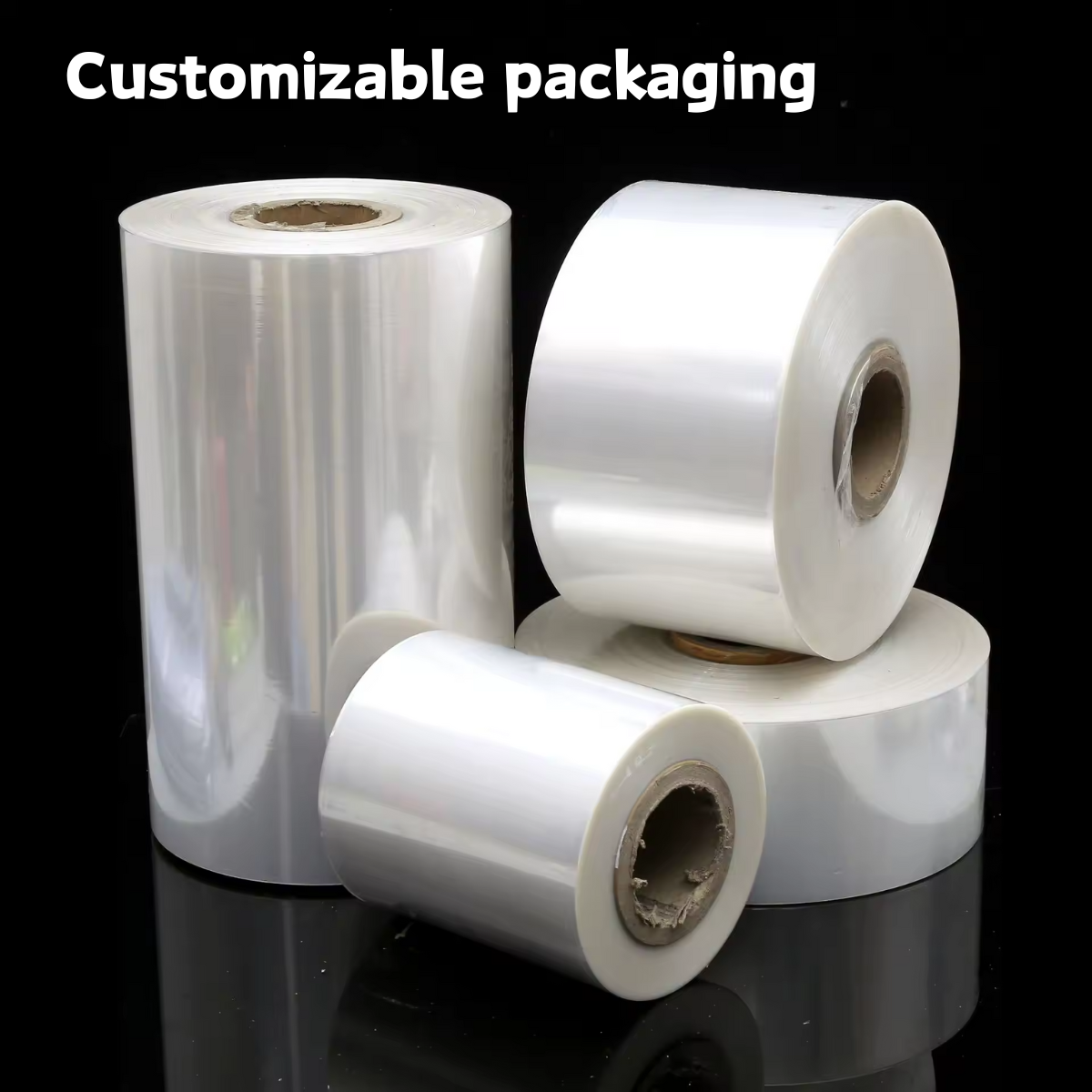
When it comes to protecting large quantities of goods during storage, transit, and distribution, plastic roll film has established itself as one of the most versatile and cost-effective materials in both food-grade and industrial environments. Whether you are wrapping pallets in a cold storage warehouse, bundling raw materials on a factory floor, or protecting sensitive components during long-haul shipping, the right plastic roll film solution can make a measurable difference in product integrity, labor efficiency, and material waste. Understanding what these films offer — and how to choose among them — is essential for any procurement or operations professional working at scale.
The global packaging industry has seen a strong and continued demand for high-performance plastic roll film across multiple sectors. From bulk food processors who need hygienic, moisture-resistant wrapping to industrial manufacturers who require puncture-resistant protection for palletized loads, plastic roll film delivers a broad range of functional properties that few other materials can match at equivalent cost. This article explores the core applications, material considerations, and decision criteria that define effective plastic roll film selection for high-volume operations.
What Plastic Roll Film Actually Is and Why It Matters
Defining Plastic Roll Film in an Industrial Context
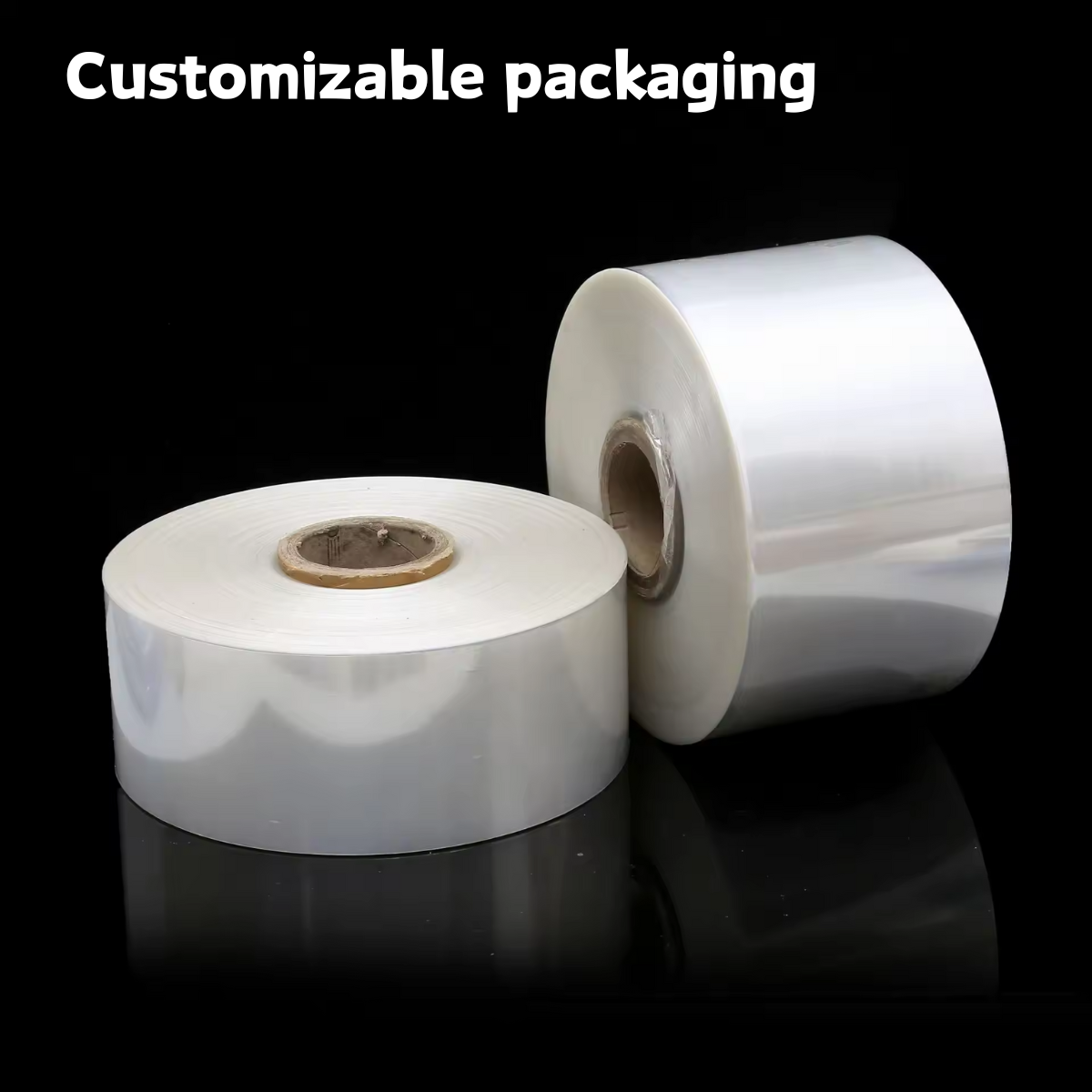
Plastic roll film refers to a continuous, flexible polymer sheet wound onto a core roll and supplied in large quantities for use across automated and manual packaging lines. Unlike pre-formed bags or rigid containers, roll film allows packaging operations to cut and seal material to the precise dimensions needed for each application, reducing both material waste and storage space requirements. This format is especially valuable in high-throughput environments where packaging speed and consistency are non-negotiable.
The most commonly used polymer bases for plastic roll film include low-density polyethylene (LDPE), linear low-density polyethylene (LLDPE), and high-density polyethylene (HDPE), each offering distinct mechanical and barrier properties suited to different use cases. LLDPE, in particular, has become a dominant choice for stretch and shrink applications because of its superior elongation characteristics and resistance to tearing under load stress. Industrial buyers should understand these distinctions before committing to a specification.
The roll format itself offers significant operational advantages. Large core rolls can feed directly into automated form-fill-seal machines, shrink tunnels, stretch wrappers, and similar equipment, enabling continuous operation without frequent material changeovers. For operations running multiple shifts, this continuity translates directly into measurable productivity gains. Choosing the correct roll width, thickness, and tensile profile is therefore a strategic decision, not merely a procurement detail.
Key Functional Properties That Drive Selection
When evaluating plastic roll film, the primary functional properties that buyers assess include tensile strength, elongation at break, puncture resistance, moisture vapor transmission rate (MVTR), clarity, and heat seal performance. Each of these properties connects directly to either product protection or processing performance. A film with high elongation is better suited for stretch wrapping irregular loads, while a film with low MVTR is preferred when moisture control is critical, such as in food packaging or electronics protection.
Clarity and print receptivity matter more in consumer-facing food applications, where the plastic roll film serves both protective and marketing purposes. In contrast, industrial wrapping applications often prioritize mechanical performance over appearance, favoring thicker gauges and higher puncture resistance over optical quality. Understanding the end-use environment — temperature ranges, handling conditions, regulatory requirements — allows procurement teams to narrow the specification effectively and avoid over-engineering or under-specifying the solution.
Plastic Roll Film in Bulk Food Packaging Applications
Hygienic Standards and Food Contact Compliance
For food processors, bakeries, meat packing facilities, fresh produce distributors, and frozen goods manufacturers, plastic roll film must meet strict food contact safety standards. In major markets, this means compliance with regulations such as FDA 21 CFR in the United States or EU Regulation 10/2011 for plastic materials intended to contact food. Buyers sourcing plastic roll film for food applications must verify that the film's base resin, additives, and colorants are all approved for direct or indirect food contact as applicable to their specific product category.
Beyond regulatory compliance, food-grade plastic roll film must also deliver consistent barrier performance throughout the supply chain. For refrigerated and frozen food products, films must maintain flexibility at low temperatures without cracking or delaminating. For dry bulk goods such as grains, flour, or snack products, the focus shifts to moisture vapor barrier and seal integrity to prevent humidity ingress during transit and storage. Getting these parameters right directly impacts shelf life, food safety, and consumer satisfaction.
Efficiency Gains in High-Volume Food Packaging Lines
Modern food processing facilities operate at throughput levels that demand packaging materials engineered for machine compatibility as much as product protection. Plastic roll film used on form-fill-seal (FFS) lines must offer consistent gauge uniformity, stable unwind tension, and reliable heat seal response across thousands of cycles per hour. Variations in film thickness or surface energy can cause seal defects, line stoppages, and product rejections — all of which have direct financial consequences in a high-volume environment.
Choosing plastic roll film with consistent physical tolerances and verified machine compatibility is therefore as important as selecting the correct resin type. Many food processors work closely with film suppliers to conduct line trials before committing to a large-volume specification, verifying that the film runs cleanly through their specific equipment settings. This upfront investment in qualification typically pays back quickly through reduced downtime, fewer rejected packs, and improved overall equipment effectiveness (OEE).
Portion control and secondary packaging are additional areas where plastic roll film adds value in food operations. Bundling multi-unit packs, over-wrapping trays, and securing retail-ready cases all rely on reliable plastic roll film performance. When film quality is consistent, these downstream packaging steps run smoothly and require less operator intervention, freeing up labor for higher-value tasks on the production floor.
Plastic Roll Film in Industrial and Pallet Packaging
Pallet Wrapping and Load Stabilization
One of the most widely recognized industrial applications for plastic roll film is pallet stretch wrapping — the process of securing stacked goods on a pallet by wrapping them with an elastic, self-clinging film that holds the load together during storage and transportation. LLDPE-based stretch wrap is the dominant film type in this segment because of its high elongation, strong cling properties, and ability to recover after stretching without losing containment force. plastic roll film engineered for pallet applications typically ranges from 17 to 30 microns in thickness, with pre-stretched variants offering significant material savings per pallet wrapped.
Proper pallet wrapping requires selecting plastic roll film with the appropriate pre-stretch ratio for the wrapping equipment in use. Automated rotary arm wrappers and turntable wrappers apply film at controlled tension, and the film must be capable of stretching consistently to the machine's specified ratio — often 150% to 300% — without necking down excessively or breaking mid-wrap. Films that perform reliably at high pre-stretch ratios reduce material consumption per pallet by delivering more coverage per kilogram of film purchased.
Surface Protection and Component Bundling in Manufacturing
Beyond pallet unitizing, plastic roll film plays an important role in protecting finished surfaces, machined components, and fabricated assemblies during in-plant handling and outbound shipment. Protective polyethylene films with low-tack or medium-tack adhesive layers are commonly applied to glass, metal panels, polished surfaces, and plastic profiles to prevent scratches, abrasion, and contamination from the point of manufacture through to final installation or use by the end customer.
In metal fabrication, construction materials, and electronics manufacturing, the selection of plastic roll film for surface protection requires careful attention to adhesion level, UV stability, and residue-free removal. A film that leaves adhesive residue on a polished aluminum extrusion or a high-gloss panel surface creates a quality problem that can be costly to rectify. Specifying the correct adhesion category and testing removal performance under real-world conditions — including exposure to temperature variation and storage duration — is essential before committing to a production specification.
Component bundling applications use plastic roll film to group multiple parts together for shipping or kitting operations, replacing the need for bags, boxes, or additional void fill materials in many cases. The flexibility of roll-format film means it can be adapted to a wide range of component sizes and shapes, making it a practical choice for job shops and contract manufacturers handling diverse product lines without the lead time required for custom-formed packaging.
Selecting the Right Plastic Roll Film for Your Application
Matching Film Specification to Operational Requirements
Selecting the right plastic roll film starts with a clear understanding of what the film must accomplish at each stage of the packaging and supply chain process. Buyers should document the load profile (weight, dimensions, fragility), the handling environment (temperature extremes, humidity, exposure to chemicals), the processing equipment in use, and any regulatory requirements that apply to the end product. With this information in hand, the selection process becomes a structured matching exercise rather than a trial-and-error procurement effort.
Gauge (thickness) is often the first variable adjusted to balance protection against material cost, but it should not be treated as the primary lever in isolation. A thinner film with optimized resin formulation may outperform a thicker film made from a less refined base polymer in both mechanical performance and cost per unit of protection delivered. This is why evaluating plastic roll film on a cost-per-pallet or cost-per-unit-wrapped basis — rather than simply on price per kilogram — gives a more accurate picture of true value.
Sustainability Considerations in Plastic Roll Film Procurement
Sustainability has become a significant factor in plastic roll film procurement decisions for both food and industrial sectors. Buyers are increasingly seeking films that incorporate recycled content (post-consumer or post-industrial recycle), are compatible with existing recycling streams, or offer improved downgauging potential that reduces total plastic consumption per packaging unit. These requirements are being driven by corporate sustainability commitments, customer expectations, and evolving regulatory frameworks in many major markets.
Downgauging — reducing film thickness without sacrificing performance — is one of the most practical near-term sustainability strategies for buyers working with plastic roll film. Advances in LLDPE and metallocene PE resin technologies have made it possible to achieve the same or better mechanical performance at significantly reduced gauge compared to films manufactured just a decade ago. Buyers willing to qualify new formulations and conduct line trials can often reduce their total plastic usage by 20% to 30% without any reduction in packaging effectiveness.
For food applications, mono-material structures — where all layers of the plastic roll film are made from the same polymer family — are gaining traction as they are more easily processed through mechanical recycling streams than multi-layer laminates combining different polymer types. While not every application can be served by a mono-material film, the category of products for which this is achievable is expanding as material science advances, making it worth exploring during each product development or reformulation cycle.
FAQ
What is the difference between stretch film and shrink film in plastic roll film applications?
Stretch film is applied under tension and relies on the elastic memory of the plastic roll film to maintain cling and containment force — no heat is required. Shrink film is applied loosely around a product and then passed through a heat tunnel, where it contracts tightly to conform to the shape of the item being wrapped. Each type serves distinct packaging purposes: stretch film is primarily used for pallet unitizing and load stabilization, while shrink film is commonly used for retail-ready bundling, tamper evidence, and consumer product overwrapping.
How thick should plastic roll film be for heavy industrial pallet wrapping?
For standard pallet wrapping of uniformly shaped, moderate-weight loads, a plastic roll film in the 20 to 23 micron range is typically sufficient when used with a pre-stretch wrapping system. Heavier loads, irregular shapes, or loads with sharp edges generally call for thicker gauges in the 25 to 30 micron range, or for a specialized high-puncture-resistance formulation. The appropriate specification should always be validated through load containment testing under the actual conditions the wrapped pallet will encounter during transit and storage.
Can plastic roll film be used for direct food contact applications?
Yes, provided the specific plastic roll film has been formulated and certified for food contact use in accordance with the applicable regulatory standards in the target market. Food-contact films must use approved resins and additives, and the supplier should be able to provide a Declaration of Compliance or equivalent documentation confirming regulatory conformity. Not all commodity plastic roll film products are suitable for direct food contact, so it is essential to verify compliance documentation before using any film in a food-facing application.
What factors most affect the cost efficiency of plastic roll film in bulk packaging?
The most significant factors affecting cost efficiency when using plastic roll film at scale are film gauge, pre-stretch ratio (for stretch applications), roll yield (meters of film per kilogram), machine compatibility, and the frequency of film breaks or line stoppages. A slightly higher-cost plastic roll film that runs reliably at high pre-stretch ratios, produces fewer breaks, and delivers more coverage per kilogram will almost always deliver better total cost of ownership than a cheaper film that causes frequent downtime, waste, and rework. Total cost modeling — rather than unit price comparison — is the most reliable way to evaluate plastic roll film procurement options.
Table of Contents
- What Plastic Roll Film Actually Is and Why It Matters
- Plastic Roll Film in Bulk Food Packaging Applications
- Plastic Roll Film in Industrial and Pallet Packaging
- Selecting the Right Plastic Roll Film for Your Application
-
FAQ
- What is the difference between stretch film and shrink film in plastic roll film applications?
- How thick should plastic roll film be for heavy industrial pallet wrapping?
- Can plastic roll film be used for direct food contact applications?
- What factors most affect the cost efficiency of plastic roll film in bulk packaging?