EN
EN

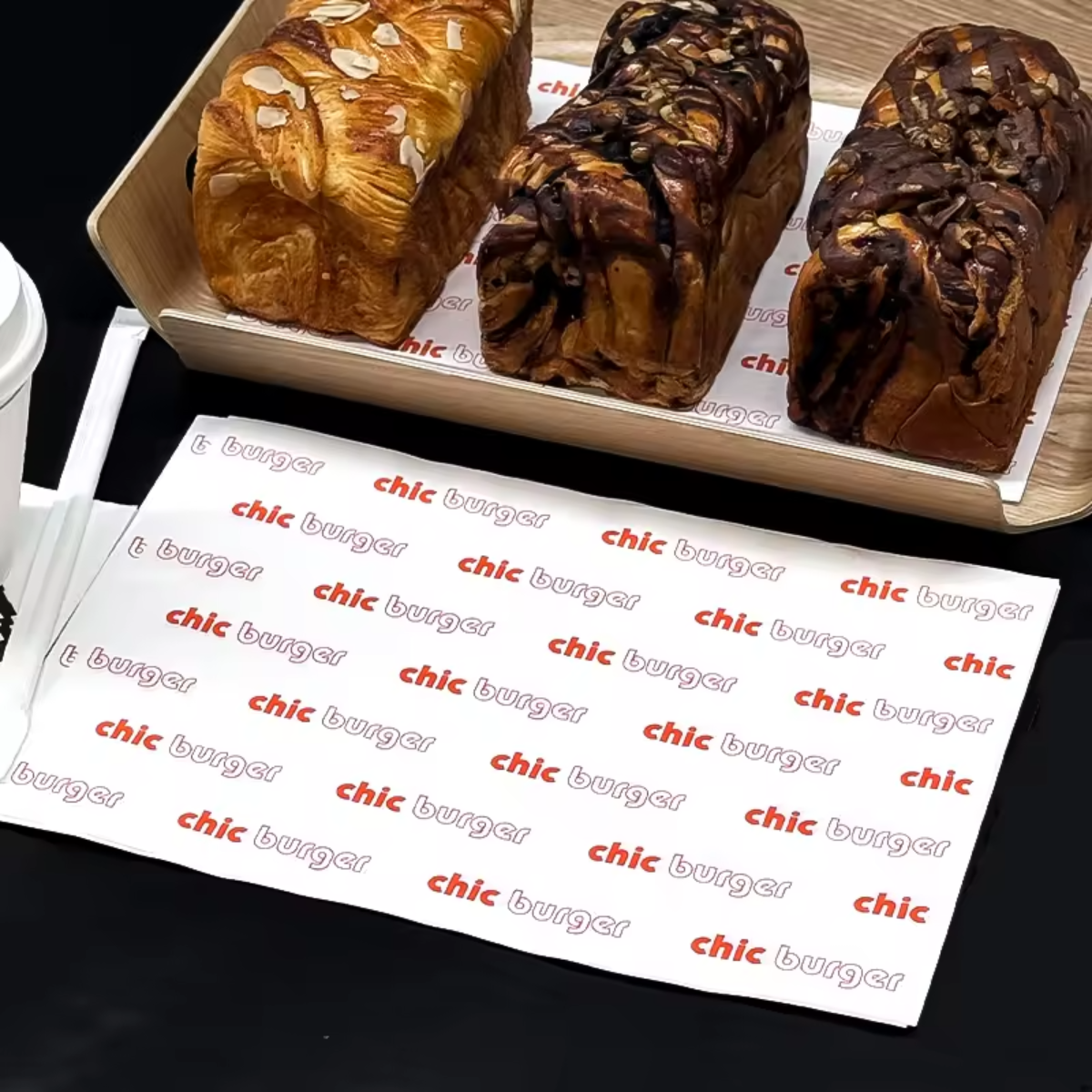
When food businesses scale up their operations, maintaining consistent hygiene and product freshness across every single order becomes a serious operational challenge. greaseproof wrappers have emerged as one of the most reliable solutions for this exact problem, offering a practical barrier between food products and external contamination while preserving the texture, moisture, and integrity of items from the moment they are wrapped to the moment they reach the customer.
In large-scale food service, catering, and retail environments, the stakes are especially high. A single lapse in packaging quality can compromise entire batches, trigger customer complaints, and damage brand reputation. Understanding how greaseproof wrappers function, what makes them effective at scale, and how to select the right format for your operation is essential for any business serious about food quality and presentation standards.
The Hygiene Role of Greaseproof Wrappers in Food Handling
Creating a Protective Barrier Against Contamination
One of the primary functions of greaseproof wrappers is to act as a physical barrier between food items and potentially contaminated surfaces. In busy commercial kitchens, food preparation counters, conveyor belts, and packing stations are high-contact zones where bacteria, dust, and cross-contamination risks are ever present. Wrapping food items immediately after preparation significantly reduces the window during which contamination can occur.
Greaseproof wrappers made with coated materials, such as single-sided PE-coated pulp paper, offer an especially strong barrier because the coating prevents grease and moisture from migrating through the wrapper surface. This two-directional protection keeps external contaminants out while preventing internal oils and moisture from degrading the wrapper itself. The result is a more hygienic contact surface that holds up reliably throughout handling and transport.
For large orders involving burgers, sandwiches, fried foods, or deli items, this barrier function is not just a convenience — it is a food safety necessity. Maintaining wrapper integrity across hundreds or thousands of units per service period requires materials that resist tearing, soaking, and structural failure under real operational conditions.
Supporting Compliance with Food Safety Standards
Commercial food operations are subject to hygiene and food contact material regulations that require packaging to meet specific safety standards. Greaseproof wrappers used in direct food contact applications must be manufactured from food-grade materials that do not transfer harmful substances to the food. PE-coated pulp paper is widely used in this context because the polyethylene layer provides a chemically inert, grease-resistant surface that complies with food contact safety requirements in most markets.
For businesses managing large orders — whether through central production, franchise networks, or catering supply chains — using standardized greaseproof wrappers across all outlets simplifies compliance documentation and quality assurance audits. A consistent, certified wrapper material removes one variable from the hygiene equation and makes it easier to demonstrate food safety due diligence to inspectors and clients.
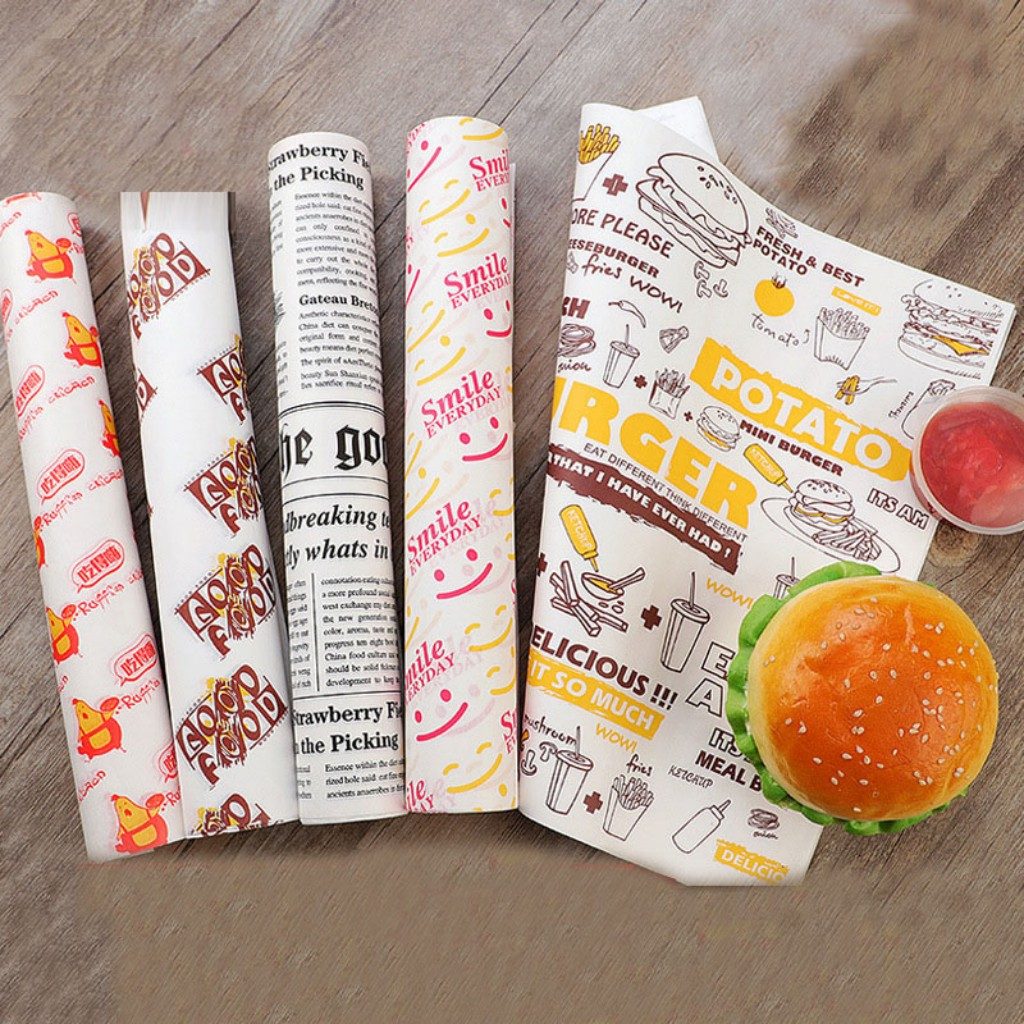
Printed greaseproof wrappers add another layer of operational control, as branded packaging is easier to track through the supply chain and helps staff identify the correct wrapper format for each product type, reducing misuse and contamination risks caused by incorrect packaging choices.
How Greaseproof Wrappers Preserve Freshness During Large Order Fulfillment
Moisture and Grease Management at Scale
Freshness in wrapped food products is directly tied to moisture and grease management. When hot or freshly prepared food is wrapped, it releases steam and oils that, if not properly managed, will soften the food, create soggy textures, and accelerate bacterial growth. Greaseproof wrappers are specifically engineered to handle this moisture-grease dynamic without failing structurally or allowing unwanted migration.
The single-sided PE coating found on high-performance greaseproof wrappers creates a smooth, non-porous surface on the food-contact side that resists oil absorption. This keeps the wrapper dry and firm even when wrapping items with high fat content such as bacon cheeseburgers, fried chicken sandwiches, or pastries. At the same time, the pulp base layer provides enough breathability to prevent the kind of condensation buildup that makes food feel steamed and limp.
For large order environments — think stadium food vendors, fast-casual chains during peak hours, or corporate catering events — maintaining this balance across every wrapped unit is what separates a well-executed service from one that delivers inconsistent quality. Greaseproof wrappers that perform reliably under high-volume conditions are therefore a direct contributor to freshness consistency, not just a passive packaging material.
Temperature and Transit Performance
Large orders frequently involve a gap between preparation and consumption. Whether food is being transported to an off-site event, held in warming drawers, or assembled in batches for delivery services, the wrapper must preserve quality across that time gap. Greaseproof wrappers with robust coating provide thermal insulation value and help retain heat by forming a snug wrap that minimizes air exposure.
The physical snugness of a well-designed greaseproof wrapper also reduces oxidation at the food surface, slowing the rate at which fats turn rancid and cut surfaces brown. For sandwiches and burgers in particular, this can make a meaningful difference to the eating experience when there is a 15 to 30-minute delay between wrapping and consumption — a very common scenario in high-volume food service.
Businesses that source greaseproof wrappers with consistent caliper weight and coating uniformity get more predictable transit performance. Variation in wrapper thickness across a bulk order can lead to some units arriving in excellent condition while others show signs of grease bleed or wrapper collapse, creating quality inconsistencies that are difficult to explain to clients or customers.
Selecting the Right Greaseproof Wrappers for High-Volume Operations
Matching Wrapper Format to Product Type
Not all greaseproof wrappers are interchangeable. The right format depends on the specific food products being wrapped, the speed of the packing operation, and whether the wrapper needs to carry branding. For burgers and sandwiches, pre-cut sheets in standard sizes allow for fast, consistent wrapping without requiring staff to measure or tear. Sheets with printed branding reinforce the customer experience and reduce the risk of wrapping errors during rush periods.
Coated pulp greaseproof wrappers offer a good balance of stiffness and flexibility, making them suitable for hand-wrapping techniques as well as light mechanical wrapping in semi-automated assembly lines. The stiffness of the pulp base prevents the wrapper from collapsing during wrapping, while the PE coating ensures the food-contact surface remains clean and grease-resistant throughout the process.
For operations dealing with particularly greasy or saucy items, a heavier-gauge wrapper with a thicker coating layer is worth the marginal cost increase, as it significantly reduces the rate of wrapper failure and the associated quality complaints. Conversely, lighter-weight greaseproof wrappers are well-suited for pastries, croissants, and items with lower fat content where the main concern is presentation rather than heavy grease containment.
Bulk Ordering Considerations for Consistent Quality
When ordering greaseproof wrappers in large volumes, consistency between batches is a critical procurement criterion. Variations in coating weight, paper caliper, or print registration between production runs can affect both the functional performance and the visual consistency of the final product. Requesting detailed product specifications and requesting sample batches before committing to a full production run helps prevent costly surprises.
Storage conditions for greaseproof wrappers also affect their performance in service. Paper-based wrappers absorb ambient moisture if stored improperly, which can compromise the coating integrity and cause sheets to stick together or deform. High-volume operations should ensure wrapper stock is stored in dry, temperature-stable environments and that first-in, first-out rotation is maintained to prevent older stock from degrading before use.
Printed greaseproof wrappers ordered in bulk for branded food service operations require lead time planning for print production. Working with a supplier who can offer consistent print quality across large print runs ensures that every wrapper in a large order looks and performs identically, which is important for both customer perception and internal quality control.
Practical Applications of Greaseproof Wrappers Across Food Service Segments
Fast Food and Quick Service Restaurants
Quick service restaurants represent the highest-volume application environment for greaseproof wrappers. At peak periods, a single location might wrap hundreds of burgers or sandwiches per hour. In this context, greaseproof wrappers must combine speed-of-use with reliable hygiene and freshness performance. Pre-cut, pre-printed sheets that staff can grab and wrap in a single fluid motion are the dominant format in this segment.
The hygienic benefits of greaseproof wrappers are particularly visible in quick service environments because the alternative — direct handling of food items without a wrapper barrier — is simply not acceptable from a food safety perspective. The wrapper creates a handled surface that staff interact with, keeping direct skin contact away from the food itself. For large orders placed through delivery apps or drive-through channels, the wrapper also serves as a tamper-evident seal of sorts, since a properly wrapped item shows visible signs if it has been opened or disturbed.
Catering, Events, and Institutional Food Service
In catering and event food service, large orders are often prepared well in advance and transported to venues in bulk before being distributed to guests. This extended timeline between preparation and consumption makes freshness preservation an even more critical function of the wrapper. Greaseproof wrappers in this context need to maintain their barrier properties for longer periods, often in variable temperature and humidity conditions encountered during transport.
Institutional food service operations — schools, hospitals, corporate cafeterias — deal with consistent daily volumes that require reliable, cost-effective wrapper solutions. The hygiene requirements in these environments are often subject to strict oversight, making food-grade certified greaseproof wrappers a non-negotiable specification rather than a preference. Bulk purchasing in standardized formats simplifies stock management and ensures staff always have the correct wrapper on hand.
For catered events where presentation matters as much as hygiene, printed greaseproof wrappers allow operators to deliver a polished, branded food experience even in informal or outdoor settings where plated presentation is not practical. The wrapper itself becomes part of the guest experience, communicating quality and care through its design and material feel.
FAQ
What makes a wrapper 'greaseproof' compared to standard paper?
Greaseproof wrappers are manufactured with a surface treatment — either through supercalendering during paper production or by applying a coating such as PE — that closes the pores of the paper and prevents oils and fats from migrating through. Standard uncoated paper absorbs grease readily, becoming saturated and structurally weak. Greaseproof wrappers maintain their integrity even when in direct contact with fatty, moist food items for extended periods.
Can greaseproof wrappers be used for hot food items?
Yes, greaseproof wrappers are commonly used for hot food items including burgers, sandwiches, and fried products. PE-coated pulp paper is heat-tolerant within the temperature ranges typical of freshly prepared food. However, greaseproof wrappers are not designed for use in ovens or microwave reheating unless specifically rated for that purpose. Their primary performance zone is wrapping, holding, and short-distance transport of hot food items.
How do printed greaseproof wrappers affect food hygiene?
Printed greaseproof wrappers use food-safe inks applied to the non-food-contact side of the wrapper, meaning the ink does not come into direct contact with the food. This design keeps the print layer separated from the food surface by the base paper layer. When sourced from reputable manufacturers, printed greaseproof wrappers fully comply with food contact material regulations and do not introduce any additional hygiene risk compared to unprinted versions.
What is the shelf life of greaseproof wrappers in storage?
When stored correctly in dry, cool, and stable conditions away from direct sunlight and strong odors, greaseproof wrappers typically have a practical shelf life of 12 to 24 months. Moisture is the main enemy of stored paper-based wrappers, as it can cause the sheets to absorb humidity, stick together, and lose coating integrity. Proper warehousing practices, including sealed packaging until use and first-in, first-out stock rotation, are the most effective ways to preserve wrapper quality across large inventory holdings.