EN
EN

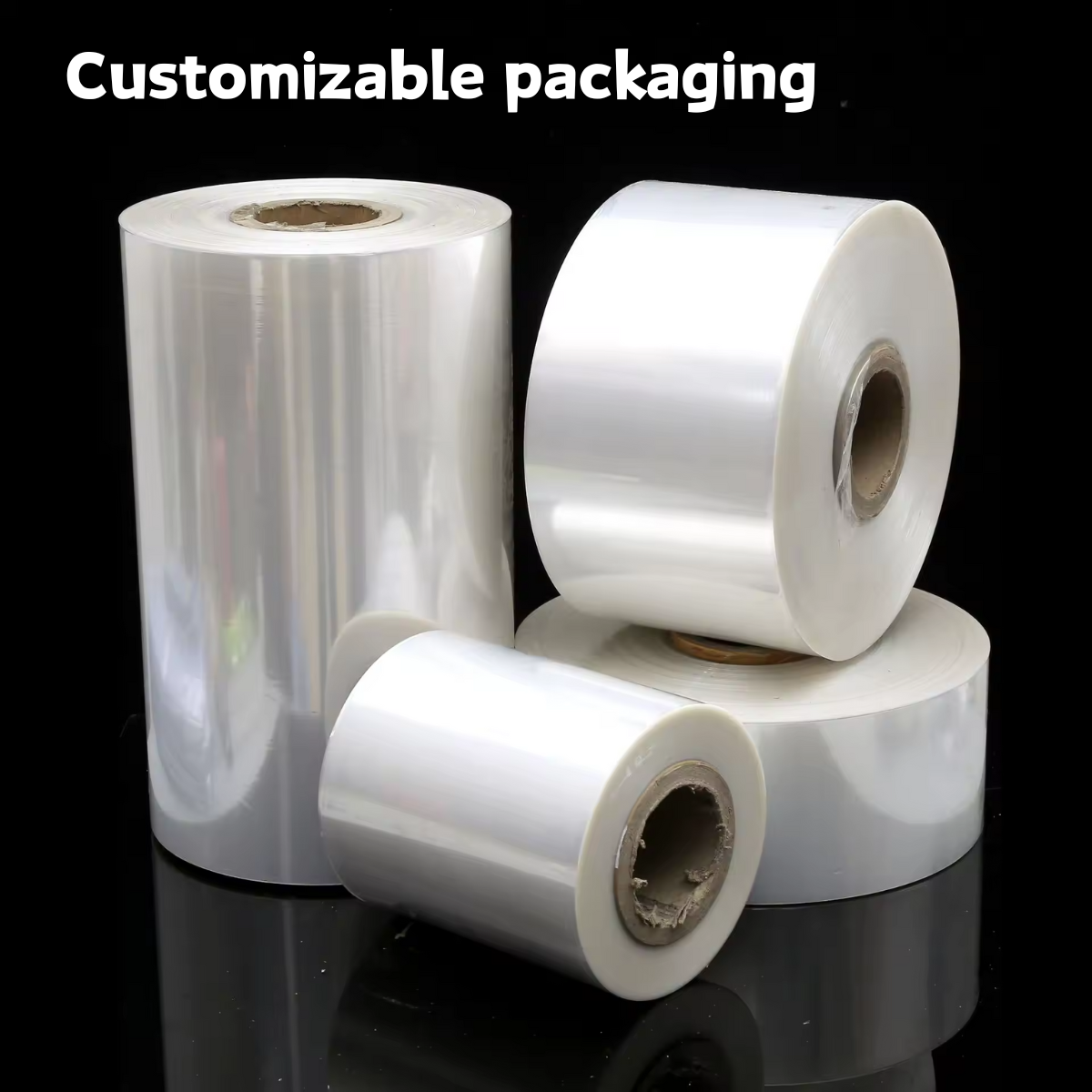
When sourcing packaging materials for industrial or commercial operations, the selection of the right plastic roll film can have a significant impact on operational efficiency, product safety, and overall cost management. With so many options available on the market, businesses often find it challenging to distinguish between films that merely appear adequate and those that genuinely deliver performance under real working conditions. Understanding which features matter most is essential for procurement managers, warehouse supervisors, and operations teams who need reliable, consistent, and cost-effective packaging solutions.
Choosing the right plastic roll film is not simply about picking the cheapest roll or the most familiar brand. It requires a structured evaluation of technical characteristics, application compatibility, environmental considerations, and supplier reliability. This article outlines the key features that every business should examine carefully before committing to a specific plastic roll film for their packaging workflows. Whether you are wrapping pallets, protecting surfaces, or bundling products for transit, these criteria will help you make a smarter, more informed purchasing decision.
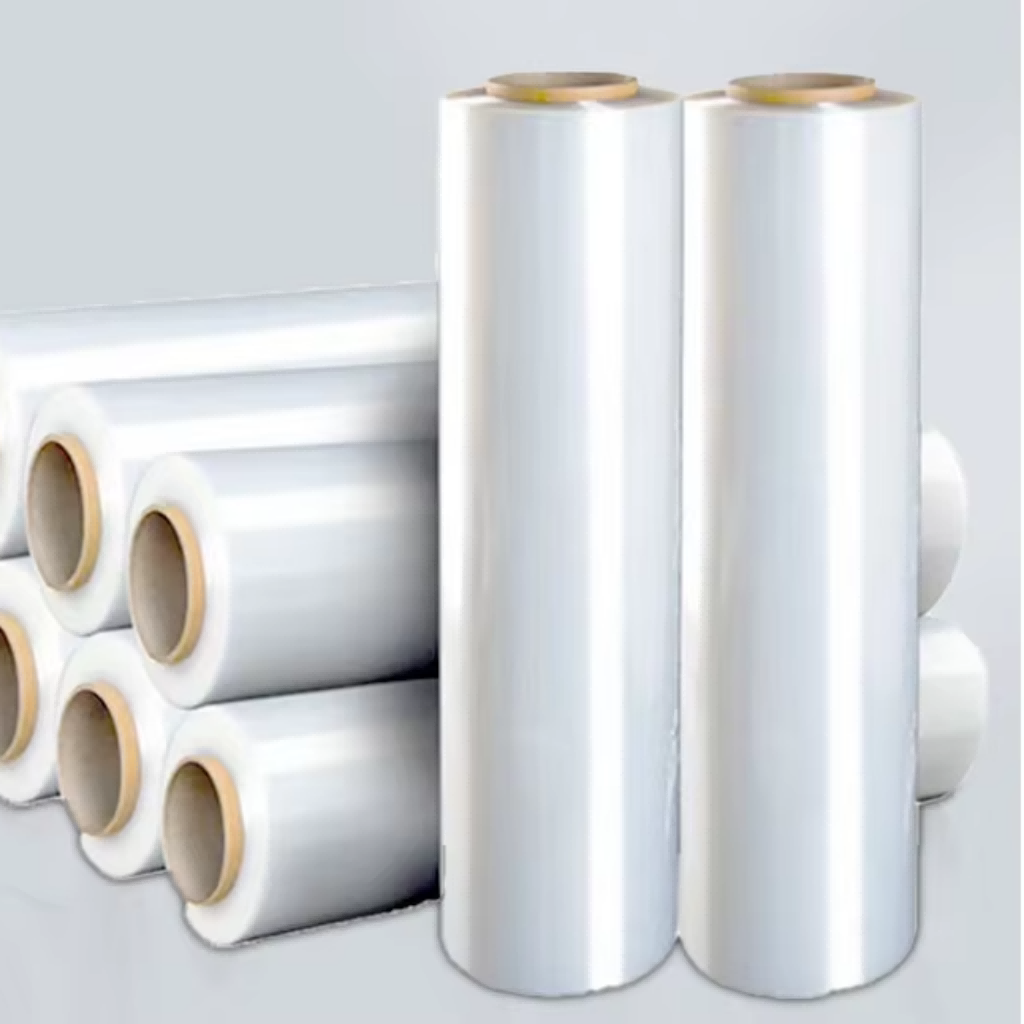
Film Thickness and Gauge Consistency
Why Gauge Matters for Industrial Applications
The thickness, commonly measured in microns or gauge, is one of the most fundamental specifications of any plastic roll film. A film that is too thin may tear during application, fail under load pressure, or allow moisture and contaminants to penetrate. In contrast, a film that is unnecessarily thick will increase material consumption, add weight to shipments, and inflate packaging costs without providing meaningful additional protection.
For industrial pallet wrapping and protective applications, the appropriate gauge depends heavily on the nature of the goods being packaged. Sharp-edged items, heavy machinery components, or irregularly shaped products typically require thicker films with reinforced puncture resistance. Lighter consumer goods or bundled soft products may perform perfectly well with a lighter gauge, provided the film maintains consistent thickness throughout the roll.
Businesses should always request gauge consistency data from their suppliers. Inconsistent thickness across a roll can create weak points that compromise the integrity of the wrap, leading to product damage during transit and increased waste from failed applications. Reliable plastic roll film manufacturers maintain strict quality controls to ensure uniform gauge from the core of the roll to the outer layers.
Balancing Thickness with Stretchability
Gauge and stretch performance are directly related in modern plastic roll film products. Many industrial stretch films are engineered to be applied at a pre-stretched state, which means a thinner film stretched to its full extent can deliver the same holding force as a thicker film applied without tension. This stretch-to-gauge relationship is particularly important when evaluating LLDPE-based films, which are known for their excellent elongation properties.
A business that understands this relationship can optimize material usage by choosing a film with the right combination of gauge and elongation percentage. This approach reduces the total amount of plastic roll film consumed per pallet or product unit, delivering cost savings over time without sacrificing load stability or protection levels. Always verify the elongation-at-break rating when comparing products, as this figure directly reflects how much the film can be stretched before it fails.
Tensile Strength and Puncture Resistance
Tensile Strength as a Load Security Indicator
Tensile strength describes the maximum stress a plastic roll film can withstand before breaking under tension. In warehousing and logistics environments, high tensile strength is critical because wrapped loads are frequently subjected to mechanical stress during forklift handling, truck transport, and stacking operations. A film with insufficient tensile strength may stretch beyond its recovery point, loosening the wrap and allowing load shift or product damage.
Machine-applied plastic roll film is particularly reliant on tensile strength because stretch wrappers apply consistent tension throughout the wrapping cycle. If the film cannot sustain that tension without deforming or breaking, the machinery will experience more film breaks, downtime, and wasted material. For businesses running high-volume packaging lines, selecting a film with verified tensile strength specifications is a non-negotiable quality requirement.
When evaluating tensile strength, businesses should look at both the machine direction (MD) and cross direction (CD) ratings. Balanced MD and CD strength values indicate a well-engineered plastic roll film that resists tearing from multiple directions, which is especially important when loads contain items with protruding edges or uneven surfaces.
Puncture Resistance for Mixed and Irregular Loads
Puncture resistance is a distinct but equally important attribute that measures how well a plastic roll film withstands the force of a sharp object pressing through it. In environments where packaged goods include corrugated boxes with staples, metal components, or wooden pallets with rough surfaces, low puncture resistance can result in film failure at the point of contact, unraveling the entire wrap.
LLDPE-based films are widely preferred in industrial settings precisely because they offer superior puncture resistance compared to LDPE alternatives. The molecular structure of LLDPE allows the film to absorb and distribute impact energy without tearing, maintaining the integrity of the wrap even when it contacts rough or sharp surfaces. This property makes LLDPE plastic roll film a practical choice for industries such as manufacturing, construction materials distribution, and agricultural supply chains.
Cling Performance and Self-Adhesion Quality
One-Sided Versus Two-Sided Cling
Cling refers to the ability of a plastic roll film to bond to itself without the use of adhesives, heat, or fasteners. High-quality cling is what allows a stretch film to remain tightly wound around a pallet or product, preventing the wrap from loosening during handling or storage. Businesses should pay close attention to whether a film offers one-sided or two-sided cling, as this distinction significantly affects performance in different application scenarios.
Two-sided cling films adhere to themselves on both surfaces, which can be advantageous when bundling multiple items together. However, in some applications this can cause the film to cling to the product surface itself, potentially leaving marks or residue on finished goods. One-sided cling films are designed to wrap tightly while only bonding on one face, making them ideal for protecting polished, painted, or sensitive product surfaces where clean removal is essential.
The right cling profile for your business depends entirely on the type of product being wrapped and the conditions of transit and storage. When evaluating plastic roll film options, request sample rolls for hands-on testing under your actual operating conditions before placing large volume orders.
Cling Retention Over Time and Temperature
Cling performance should also be evaluated over time and across temperature ranges. In cold storage environments or during overseas shipping where temperatures fluctuate, some plastic roll film products may lose their cling properties, causing the wrap to loosen and potentially exposing products to environmental risks. Films formulated for stable cling across a wide temperature range are essential for businesses operating in controlled-atmosphere logistics or export packaging.
Similarly, films stored for long periods before use can experience cling degradation if they are not manufactured with appropriate stabilizers. Choosing a plastic roll film from a supplier with documented shelf-life testing and storage recommendations will help businesses avoid the frustrating experience of applying film that no longer grips properly, wasting material and labor time.
Optical Clarity and Film Transparency
Visibility for Inventory and Quality Control
While strength and cling are operational priorities, optical clarity is a feature that directly supports warehouse efficiency and quality control procedures. High-clarity plastic roll film allows warehouse staff, logistics teams, and inspectors to visually identify the contents of a wrapped pallet or package without having to remove the film. This visibility reduces handling time, speeds up inventory verification, and minimizes the risk of errors in fulfillment operations.
For businesses that use barcodes, shipping labels, or product identification stickers on the outside of packaging, a highly transparent plastic roll film ensures that scanning devices and human inspectors can read those labels without obstruction. If the film causes distortion, hazing, or significant light absorption, scanning errors will increase, leading to delays and operational inefficiencies in busy distribution environments.
Clarity is influenced by the polymer formulation, additives used, and manufacturing process of the film. Not all plastic roll film products deliver the same level of optical performance, so requesting haze and gloss specifications from suppliers is a practical step for businesses where load visibility plays a role in their workflow.
Opaque Films for Confidential or Sensitive Cargo
In contrast, some businesses deliberately require opaque or colored plastic roll film to conceal the contents of shipments for security or confidentiality purposes. High-value goods, pharmaceuticals, electronics, and sensitive documents may benefit from film that prevents visual identification of the load during transit. Opaque black or tinted films are available in similar stretch and strength profiles as standard clear films.
The choice between clear and opaque plastic roll film is therefore a strategic decision tied to the nature of the goods, security policies, and customer requirements. Businesses handling multiple product types may need to maintain both options in their inventory to serve different packaging needs effectively.
Environmental Compatibility and Sustainability Attributes
Recyclability and Circular Economy Alignment
As regulatory frameworks and corporate sustainability commitments continue to tighten, the environmental profile of plastic roll film has become an increasingly important purchase criterion for businesses across industries. Buyers are now expected to consider not just the functional performance of the film, but its recyclability, recycled content, and total environmental footprint across the product lifecycle.
LLDPE stretch films are technically recyclable under polyethylene recycling streams, but businesses must verify whether their local recycling infrastructure can process the film effectively. Some suppliers offer take-back programs or supply films certified for compatibility with established recycling systems. Choosing a plastic roll film that aligns with your organization's waste reduction targets signals responsible procurement and can contribute to ESG reporting and supplier sustainability scorecards.
Films manufactured with a percentage of post-consumer recycled content are also available, offering businesses an opportunity to reduce virgin plastic consumption without significantly compromising performance. When considering these options, it is important to verify that the recycled content does not negatively affect the film's mechanical properties or food-safety compliance if the film is used in food-adjacent packaging environments.
Down-Gauging and Material Efficiency
One of the most practical sustainability strategies available for businesses using large volumes of plastic roll film is down-gauging — the practice of switching to a thinner, more advanced film that delivers equivalent or superior performance to the thicker film it replaces. Modern nano-layer and multi-layer co-extrusion technologies have enabled significant down-gauging opportunities in recent years, allowing businesses to reduce plastic consumption per wrapped unit by a meaningful percentage.
Down-gauging requires careful validation to ensure the thinner plastic roll film can sustain the required load containment force, puncture resistance, and cling performance under your specific conditions. Conducting structured trials with controlled load types, application methods, and transit simulations before fully transitioning to a lighter-gauge film is the responsible approach to this strategy.
FAQ
What is the most important feature to evaluate when selecting a plastic roll film for pallet wrapping?
For most industrial pallet wrapping applications, tensile strength and elongation performance are the most critical features to evaluate. These properties determine whether the plastic roll film can maintain consistent load containment force during transit and handling. However, the right combination of features always depends on the specific product being wrapped, the application method, and the conditions of transport and storage.
How does film thickness relate to cost efficiency in industrial packaging?
Thicker plastic roll film is not always more cost-efficient, because advanced films can deliver the same protective performance at a lower gauge through improved resin technology and stretch engineering. Down-gauging to a thinner, higher-performance film often reduces total material consumption per unit, lowering overall packaging costs. Always calculate the cost per wrapped unit rather than the cost per roll to compare options accurately.
Can plastic roll film be used in cold storage or refrigerated logistics environments?
Yes, many plastic roll film products are formulated to perform reliably in cold storage and refrigerated logistics environments. However, businesses should verify that the film maintains its cling performance and tensile properties at low temperatures, as some formulations become brittle or lose adhesion when exposed to cold conditions. Requesting cold-temperature performance data from suppliers is advisable before committing to a specific product for these environments.
What should businesses consider when evaluating the sustainability of plastic roll film products?
Businesses should evaluate recyclability, recycled content percentage, and compatibility with existing waste management infrastructure when assessing the sustainability profile of a plastic roll film. Additionally, selecting films that enable down-gauging without sacrificing performance can meaningfully reduce plastic consumption and support corporate sustainability commitments. Supplier transparency on environmental certifications and lifecycle data is an important indicator of responsible sourcing practices.
Table of Contents
- Film Thickness and Gauge Consistency
- Tensile Strength and Puncture Resistance
- Cling Performance and Self-Adhesion Quality
- Optical Clarity and Film Transparency
- Environmental Compatibility and Sustainability Attributes
-
FAQ
- What is the most important feature to evaluate when selecting a plastic roll film for pallet wrapping?
- How does film thickness relate to cost efficiency in industrial packaging?
- Can plastic roll film be used in cold storage or refrigerated logistics environments?
- What should businesses consider when evaluating the sustainability of plastic roll film products?