EN
EN

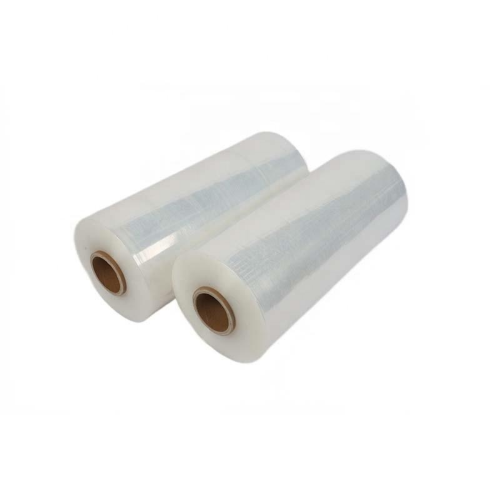
Understanding the Versatility of Polyethylene Film in Modern Packaging
Polyethylene (PE) film has revolutionized the packaging industry, emerging as an indispensable material for both industrial and food packaging applications. This versatile material combines durability, flexibility, and cost-effectiveness, making it the preferred choice for manufacturers worldwide. As sustainability concerns grow and packaging requirements become more sophisticated, PE film continues to evolve and adapt to meet modern challenges.
The remarkable adaptability of PE film stems from its unique molecular structure, which can be manipulated during manufacturing to achieve specific properties. From ultra-thin wraps that preserve food freshness to heavy-duty industrial shrink wrap, PE film serves countless applications across diverse sectors. Its widespread adoption reflects not only its practical benefits but also its continuous technological advancement in response to changing market demands.
Industrial Applications of PE Film
Protection and Containment Solutions
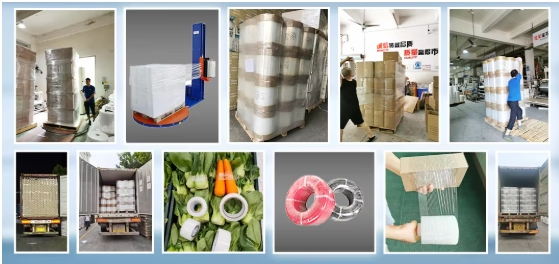
In industrial settings, PE film serves as a crucial barrier against environmental factors that could compromise product integrity. The material's inherent strength and flexibility make it ideal for protecting large equipment, machinery, and bulk materials during storage and transportation. Industrial-grade PE film can be manufactured in various thicknesses and sizes, offering customized solutions for specific packaging needs.
Construction sites frequently utilize PE film for weather protection and dust containment. The material's ability to withstand harsh conditions while maintaining its structural integrity makes it invaluable for protecting building materials and creating temporary enclosures. Additionally, PE film's tear resistance and impact strength ensure reliable performance in demanding industrial environments.
Pallet Wrapping and Storage Solutions
The logistics and warehousing sector heavily relies on PE film for secure pallet wrapping and load stability. Stretch wrap film, a specialized form of PE film, provides excellent load containment while optimizing material usage. Its elastic recovery properties ensure that wrapped goods remain stable during transportation and storage, reducing product damage and associated costs.
Modern automated wrapping systems utilize PE film's consistent performance characteristics to achieve efficient and uniform packaging results. The material's clarity also allows for easy visual inspection of wrapped goods, facilitating inventory management and quality control processes.
Food Packaging Applications
Fresh Produce Protection
PE film plays a vital role in extending the shelf life of fresh produce through modified atmosphere packaging (MAP). The material's controlled permeability to oxygen and moisture helps maintain optimal conditions for fruits and vegetables, slowing down ripening and preventing premature spoilage. This capability significantly reduces food waste and ensures products reach consumers in prime condition.
Manufacturers can adjust the film's thickness and composition to achieve specific preservation requirements for different types of produce. The material's clarity also enhances product presentation, allowing consumers to inspect items before purchase while maintaining protective barriers against contamination.
Meat and Dairy Packaging Solutions
The food industry utilizes specialized PE film formulations for packaging meat, poultry, and dairy products. These films often incorporate multiple layers with different functional properties to provide optimal protection against moisture, oxygen, and bacterial contamination. The material's excellent sealing properties ensure package integrity throughout the distribution chain.
Advanced PE film technologies include antimicrobial properties and enhanced barrier characteristics, further extending product shelf life and maintaining food safety standards. The film's flexibility allows for various packaging formats, from vacuum-sealed portions to modified atmosphere packages for retail display.
Sustainability and Innovation
Eco-Friendly Developments
The packaging industry is actively developing sustainable PE film solutions to address environmental concerns. Recent innovations include biodegradable variants and films made from recycled materials, offering more environmentally responsible packaging options. Manufacturers are also focusing on reducing film thickness without compromising performance, minimizing material usage and environmental impact.
Research continues into bio-based PE films derived from renewable resources, presenting promising alternatives to traditional petroleum-based products. These developments align with global sustainability initiatives while maintaining the material's essential packaging functions.
Technology Advancements
Cutting-edge manufacturing technologies are enhancing PE film performance and versatility. Smart packaging solutions incorporating PE film now feature indicators for freshness, temperature monitoring, and tamper evidence. These innovations improve product safety and consumer confidence while maintaining the material's core protective properties.
The integration of nanotechnology in PE film production has led to improved barrier properties and enhanced mechanical strength, enabling thinner films to perform as effectively as their thicker counterparts. These advancements contribute to resource efficiency and cost reduction in packaging operations.
Frequently Asked Questions
What makes PE film suitable for food packaging?
PE film is ideal for food packaging due to its excellent barrier properties, flexibility, and FDA compliance. It effectively protects against moisture, maintains freshness, and can be manufactured with varying permeability levels to suit different food products. The material is also cost-effective and can be easily processed into various packaging formats.
How does PE film contribute to sustainable packaging?
PE film supports sustainability through recyclability, reduced material usage through downgauging, and the development of bio-based alternatives. Modern manufacturing processes focus on energy efficiency and waste reduction, while ongoing research explores biodegradable options and improved recycling methods.
What are the key considerations when selecting PE film for industrial applications?
When choosing PE film for industrial use, factors to consider include required strength, thickness, clarity, and specific barrier properties. Environmental conditions, handling requirements, and duration of protection needed also influence selection. Additionally, compatibility with automated packaging equipment and cost-effectiveness should be evaluated.