EN
EN

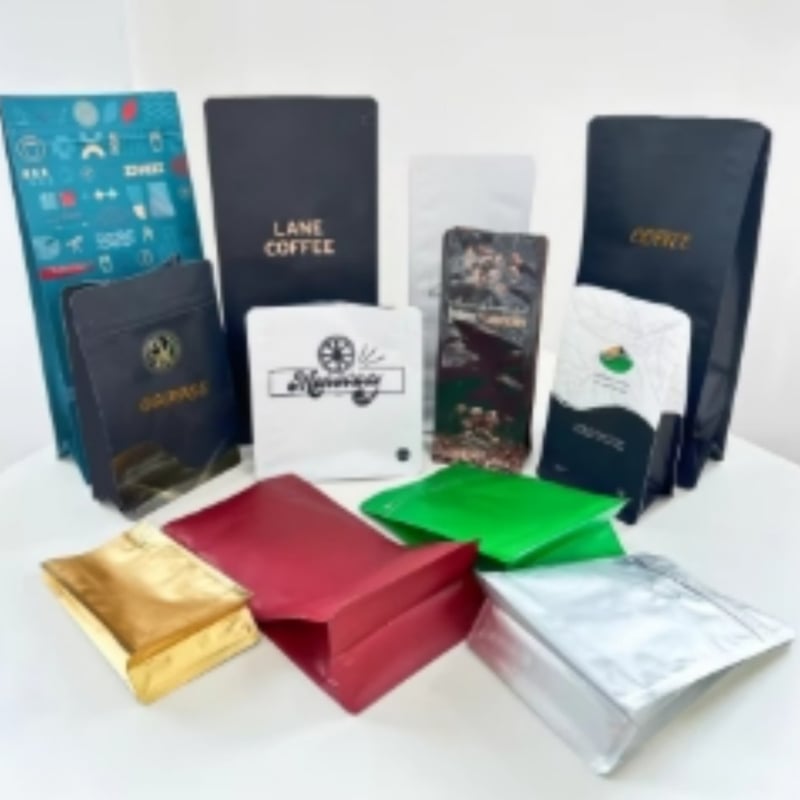
Mastering Food-Grade Packaging Solutions for Manufacturers
In today's competitive food manufacturing landscape, selecting the right plastic packaging bags can make or break your product's success. These essential components not only preserve food quality and extend shelf life but also contribute significantly to brand presentation and consumer trust. Understanding how to source high-quality plastic packaging bags requires deep industry knowledge, technical expertise, and awareness of current market standards.
The global food packaging industry continues to evolve, with plastic packaging bags remaining a cornerstone of efficient food distribution and storage. Manufacturers must navigate various considerations, from material specifications to regulatory compliance, ensuring their packaging solutions meet both practical requirements and consumer expectations.
Essential Quality Parameters for Food-Grade Packaging
Material Composition and Safety Standards
When sourcing plastic packaging bags for food products, material composition stands as the primary consideration. Food-grade plastics must meet strict FDA and other regulatory requirements to ensure zero contamination risk. Polyethylene (PE), polypropylene (PP), and polyethylene terephthalate (PET) are commonly used materials, each offering distinct advantages for different food applications.
Quality plastic packaging bags should demonstrate consistent thickness, proper seal integrity, and appropriate barrier properties. These characteristics protect against moisture, oxygen, and other external factors that could compromise food safety and quality. Manufacturers should request detailed material specifications and certification documents from potential suppliers to verify compliance.
Barrier Properties and Protection Features
Superior barrier properties are crucial for maintaining food freshness and preventing contamination. High-quality plastic packaging bags should offer effective barriers against moisture, oxygen, light, and other environmental factors that could affect product integrity. Multiple-layer films often provide enhanced protection compared to single-layer alternatives.
Consider the specific requirements of your food product when evaluating barrier properties. For instance, products with high fat content need excellent oxygen barriers, while moisture-sensitive items require superior water vapor barriers. Working with suppliers who understand these nuances ensures optimal protection for your specific application.
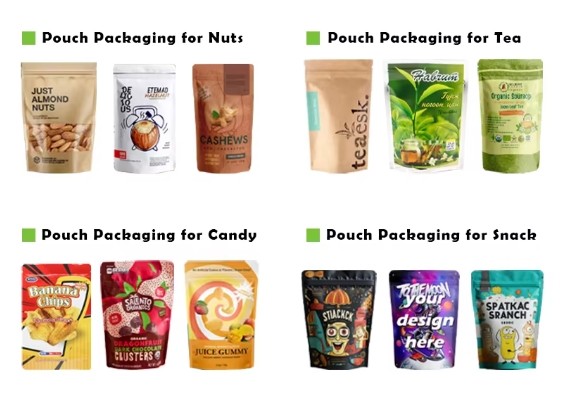
Supplier Evaluation and Selection Process
Manufacturing Capabilities Assessment
A thorough evaluation of potential suppliers' manufacturing capabilities is essential for securing reliable plastic packaging bags. Look for facilities with modern equipment, strict quality control procedures, and proper certifications. The supplier's production capacity should align with your volume requirements, ensuring consistent supply without compromising quality.
Advanced manufacturing technologies, such as multi-layer extrusion and precise temperature control systems, indicate a supplier's commitment to quality. Request facility tours or virtual audits to assess cleanliness, organization, and adherence to good manufacturing practices (GMP).
Quality Control Systems and Certifications
Reputable suppliers maintain robust quality control systems and hold relevant industry certifications. Look for ISO certifications, HACCP compliance, and specific food safety certifications applicable to your region. These credentials demonstrate a supplier's commitment to maintaining high standards and regulatory compliance.
Regular quality testing protocols should be in place, including material testing, seal integrity verification, and contamination prevention measures. Request documentation of quality control procedures and ask about frequency of testing and inspection protocols.
Cost Optimization and Supply Chain Efficiency
Volume Planning and Inventory Management
Strategic volume planning helps optimize costs when sourcing plastic packaging bags. Consider implementing forecasting systems to predict packaging needs accurately. This approach allows for better negotiation of bulk pricing while maintaining appropriate inventory levels.
Develop relationships with multiple qualified suppliers to ensure supply chain resilience. While maintaining a primary supplier relationship, having backup options helps mitigate risks of supply disruption. Consider geographical location and transportation costs when selecting suppliers to optimize overall costs.
Sustainable Options and Cost Impact
The growing demand for sustainable packaging solutions presents both challenges and opportunities in sourcing plastic packaging bags. While eco-friendly options might carry higher initial costs, they can provide long-term benefits through improved brand reputation and market positioning.
Evaluate recyclable materials, reduced material thickness options, and alternative sustainable solutions that maintain product protection while minimizing environmental impact. Consider the total cost of ownership, including potential savings from improved storage efficiency or reduced waste.
Implementation and Quality Monitoring
Testing and Validation Procedures
Implement comprehensive testing procedures for new plastic packaging bags before full-scale adoption. Conduct shelf-life studies, compatibility tests, and performance evaluations under various conditions. This validation process helps identify potential issues before they affect production or product quality.
Regular monitoring of packaging performance through quality metrics and customer feedback ensures continuous improvement. Establish clear communication channels with suppliers for addressing quality concerns and implementing necessary adjustments.
Performance Tracking and Supplier Feedback
Maintain detailed records of packaging performance, including defect rates, delivery reliability, and cost variations. Regular supplier performance reviews help identify areas for improvement and maintain high quality standards. Share performance data with suppliers to facilitate collaborative problem-solving and innovation.
Consider implementing digital tracking systems to monitor key performance indicators (KPIs) and streamline communication with suppliers. This data-driven approach enables proactive quality management and continuous improvement of packaging solutions.
Frequently Asked Questions
What certifications should I look for in a plastic packaging bag supplier?
Look for suppliers with ISO 9001 certification, HACCP compliance, and specific food safety certifications relevant to your region. Additional certifications like BRC Packaging or FSSC 22000 demonstrate commitment to food safety and quality standards.
How can I ensure consistent quality across different batches of packaging materials?
Establish detailed material specifications, implement regular quality testing protocols, and maintain open communication with suppliers. Request certificate of analysis (COA) for each batch and conduct periodic audits of supplier facilities to ensure consistent quality standards.
What are the key considerations for storage and handling of plastic packaging bags?
Store packaging materials in clean, temperature-controlled environments away from direct sunlight and moisture. Implement proper inventory rotation systems, maintain appropriate humidity levels, and follow supplier recommendations for handling and storage conditions to preserve packaging integrity.
How do I determine the right thickness and barrier properties for my specific food product?
Consider factors such as product characteristics (moisture content, fat content, shelf life requirements), storage conditions, and distribution channels. Work with suppliers to conduct product-specific testing and consult industry standards for similar applications to determine optimal specifications.
Table of Contents
- Mastering Food-Grade Packaging Solutions for Manufacturers
- Essential Quality Parameters for Food-Grade Packaging
- Supplier Evaluation and Selection Process
- Cost Optimization and Supply Chain Efficiency
- Implementation and Quality Monitoring
-
Frequently Asked Questions
- What certifications should I look for in a plastic packaging bag supplier?
- How can I ensure consistent quality across different batches of packaging materials?
- What are the key considerations for storage and handling of plastic packaging bags?
- How do I determine the right thickness and barrier properties for my specific food product?