EN
EN

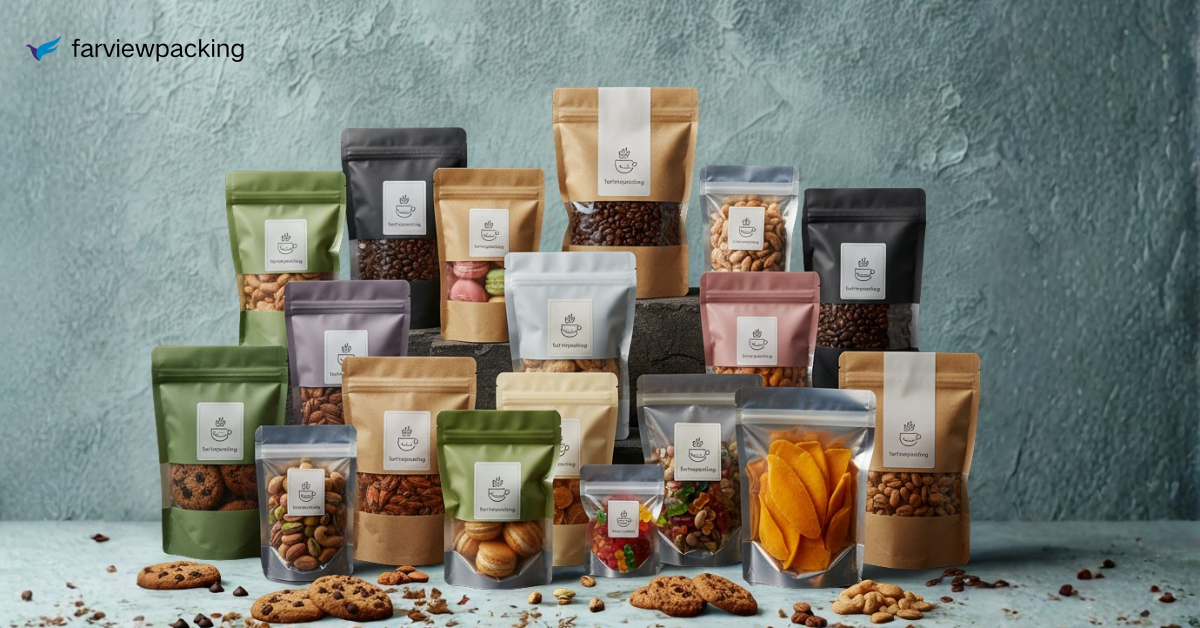
In today's competitive food industry, effective snack packaging serves as the critical bridge between product quality and consumer satisfaction. The design and functionality of snack packaging directly influence purchasing decisions, brand perception, and product shelf life. Modern consumers demand packaging solutions that not only preserve freshness but also communicate brand values through visual appeal and practical convenience. Understanding the fundamental principles of snack packaging design enables food manufacturers to create products that stand out on crowded retail shelves while maintaining optimal product integrity throughout the supply chain.
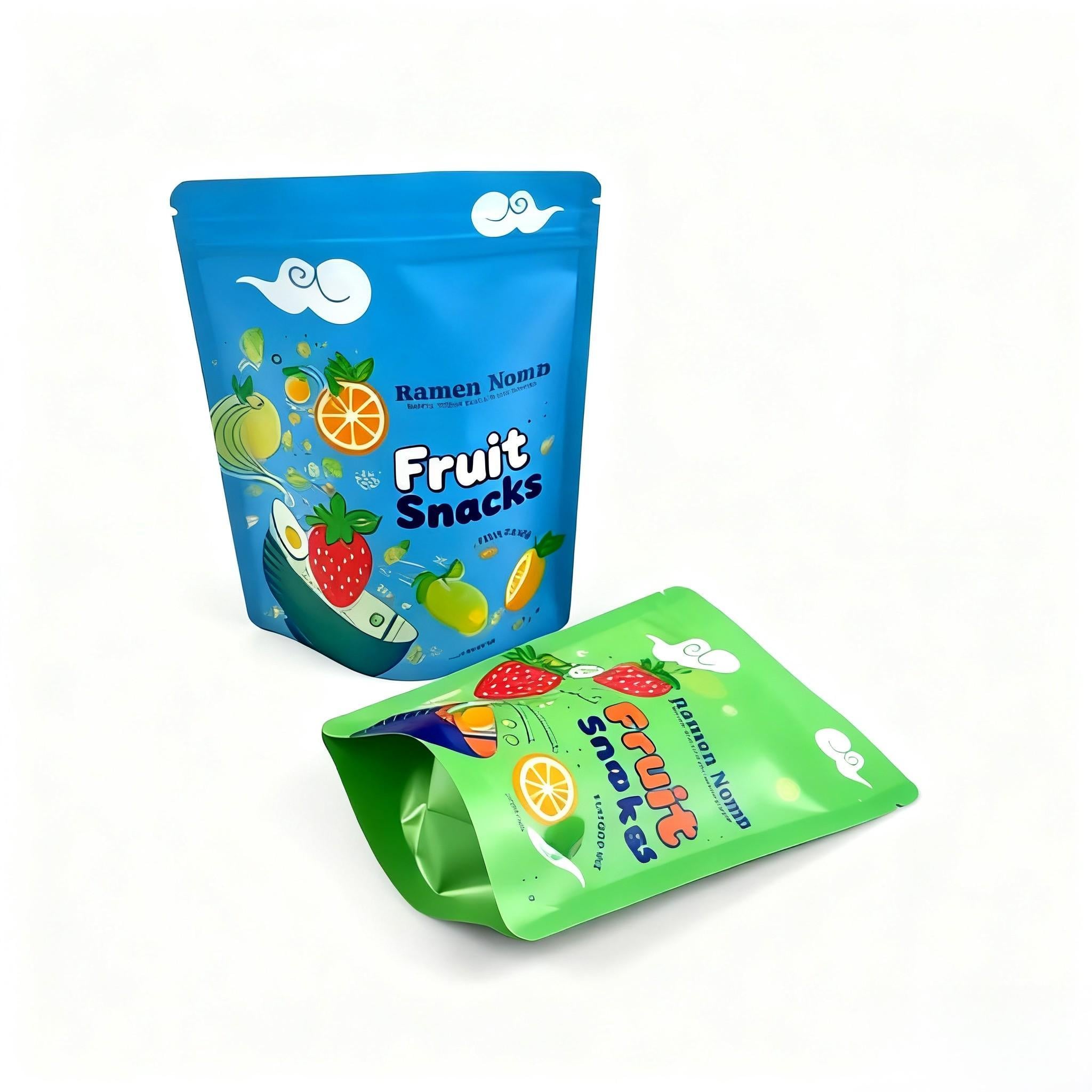
Essential Elements of Consumer-Attractive Snack Packaging Design
Visual Impact and Brand Recognition
The visual elements of snack packaging create the first impression that determines whether consumers will choose your product over competitors. Color psychology plays a crucial role in snack packaging design, with vibrant hues like red and orange stimulating appetite and creating urgency, while earth tones convey natural and healthy product attributes. Typography selection must balance readability with brand personality, ensuring that product names and key benefits remain clearly visible from typical shopping distances. Strategic use of imagery, whether photographic or illustrated, helps consumers immediately understand the product category and expected taste experience.
Brand consistency across all snack packaging elements reinforces consumer recognition and builds trust over time. This includes maintaining consistent logo placement, color schemes, and design motifs that create a cohesive brand family appearance. Premium snack packaging often incorporates subtle textures, metallic accents, or embossed elements that communicate quality through tactile experience. The overall design hierarchy should guide the consumer's eye through essential information in logical order: brand name, product type, key benefits, and secondary details.
Structural Design for Functionality
The physical structure of snack packaging must accommodate both manufacturing efficiency and consumer convenience throughout the product lifecycle. Stand-up pouches have become increasingly popular in snack packaging due to their excellent shelf presence and space-efficient storage capabilities. These structures typically feature gusseted bottoms that allow the package to maintain stability while displaying maximum surface area for branding and product information. Resealable closures, such as zip-lock mechanisms or adhesive strips, extend product freshness after opening while providing consumers with portion control options.
Easy-open features significantly influence consumer satisfaction and repeat purchase behavior in snack packaging applications. Tear notches, perforated edges, and ergonomic grip areas reduce opening frustration and accommodate consumers with varying dexterity levels. The package size and shape must also consider retail display requirements, shipping efficiency, and consumer handling preferences. Optimal snack packaging dimensions balance material efficiency with visual impact, ensuring cost-effective production while maximizing shelf appeal.
Advanced Barrier Technologies for Freshness Extension
Material Selection and Barrier Properties
Modern snack packaging relies on sophisticated barrier materials that protect products from moisture, oxygen, light, and other environmental factors that compromise quality. Multi-layer film constructions combine different polymer properties to create customized barrier profiles tailored to specific snack categories. For example, fatty snacks require superior oxygen barriers to prevent rancidity, while moisture-sensitive products need exceptional water vapor resistance. Metallized films provide excellent barrier properties while maintaining flexibility and printability essential for attractive snack packaging designs.
The selection of appropriate barrier materials depends on the specific snack formulation, target shelf life, and storage conditions throughout distribution. High-barrier snack packaging often incorporates aluminum foil layers or specialized coatings that provide near-perfect protection against permeation. However, these materials must be balanced against cost considerations and environmental sustainability requirements. Recent developments in bio-based barrier coatings offer promising alternatives that maintain protection levels while supporting corporate sustainability initiatives.
Innovative Sealing and Closure Systems
Advanced sealing technologies ensure package integrity while providing consumers with convenient access and reclosure options in snack packaging applications. Heat sealing remains the most common method, but innovations in ultrasonic and impulse sealing offer improved consistency and reduced energy consumption. The seal design must accommodate thermal expansion and contraction during temperature fluctuations while maintaining hermetic barriers against contamination. Pressure-sensitive adhesive systems provide alternative closure solutions that eliminate heat requirements and reduce packaging line complexity.
Resealable snack packaging incorporates various closure mechanisms that maintain product freshness after initial opening. Zipper systems, slider closures, and adhesive strips each offer distinct advantages depending on the target consumer demographic and usage patterns. The closure mechanism must integrate seamlessly with the overall package design while providing reliable functionality throughout the product's intended consumption period. Testing protocols verify closure performance under various environmental conditions and usage scenarios typical of consumer handling.
Sustainability and Environmental Considerations
Eco-Friendly Material Options
Environmental consciousness increasingly influences snack packaging decisions as consumers and regulatory bodies demand more sustainable solutions. Biodegradable and compostable materials offer alternatives to traditional petroleum-based plastics, though they must maintain adequate barrier properties for snack applications. Paper-based laminates with bio-based coatings provide renewable options that support recycling infrastructure while meeting performance requirements. The challenge lies in balancing environmental benefits with the technical performance necessary for effective snack packaging protection.
Recyclable snack packaging designs consider end-of-life disposal while maintaining functionality during use. Mono-material constructions simplify recycling processes compared to complex multi-layer structures that require specialized separation technologies. However, single materials may compromise barrier performance, requiring careful evaluation of trade-offs between sustainability and product protection. Life cycle assessments help manufacturers understand the total environmental impact of different snack packaging options, including raw material extraction, manufacturing, transportation, and disposal phases.
Waste Reduction Strategies
Lightweighting initiatives reduce material usage in snack packaging while maintaining structural integrity and barrier performance. Advanced film technologies enable thinner gauges that provide equivalent protection with reduced environmental footprint and cost savings. Right-sizing strategies ensure package dimensions match product requirements without excess material or void space that wastes resources. Concentrated product formulations can sometimes enable smaller package sizes that reduce material usage and transportation impacts.
Source reduction approaches examine the entire snack packaging system to identify opportunities for material elimination without compromising functionality. This might include optimizing package shapes to reduce trim waste during manufacturing or designing packages that require fewer secondary packaging components. Refillable and reusable snack packaging concepts, while less common in current markets, represent potential future directions that could dramatically reduce per-serving environmental impacts through multiple use cycles.
Market Trends and Consumer Preferences
Premium Positioning Through Packaging
Premium snack packaging communicates quality and justifies higher price points through sophisticated design elements and enhanced functionality. Tactile features such as soft-touch coatings, embossed textures, or unique structural elements create memorable unboxing experiences that reinforce brand positioning. Metallic accents, holographic effects, and premium color palettes distinguish high-end products from value alternatives. The packaging quality often serves as a proxy for product quality in consumer perception, making investment in premium snack packaging materials and printing techniques a strategic brand decision.
Artisanal and craft positioning requires snack packaging designs that convey authenticity and small-batch production values. Hand-drawn illustrations, natural color palettes, and traditional typography styles support these brand narratives. Matte finishes and unbleached substrates can reinforce natural and organic positioning while maintaining professional appearance standards. The challenge lies in achieving craft aesthetics while meeting large-scale production requirements and maintaining consistent quality standards across high-volume manufacturing runs.
Convenience and Portability Features
On-the-go consumption patterns drive demand for snack packaging that accommodates active lifestyles and mobile eating occasions. Single-serving portions eliminate the need for separate containers while providing built-in portion control. Tear-away sections enable easy sharing or portion management without additional tools. Spill-resistant designs accommodate consumption during commuting, exercise, or other activities where traditional packaging might prove challenging.
Multi-compartment snack packaging allows combination products that include different components or flavors within a single package. These designs must maintain separation between components while providing convenient access to each section. Integrated utensils or dispensing mechanisms can enhance convenience for products that benefit from controlled portioning or mixing. The packaging architecture must consider the sequence of consumption and provide intuitive guidance for optimal product enjoyment.
Technology Integration and Smart Packaging
Interactive and Connected Features
Digital integration transforms traditional snack packaging into interactive marketing platforms that engage consumers beyond the initial purchase decision. QR codes and NFC tags enable access to additional product information, preparation instructions, or brand content that enhances the consumption experience. Augmented reality applications can overlay digital content onto physical packages, creating immersive brand experiences that differentiate products in competitive markets. These technologies require minimal additional material while providing significant value-added functionality.
Traceability features embedded in snack packaging support food safety initiatives while building consumer confidence in product quality and origin. Blockchain integration enables transparent supply chain tracking from ingredient sourcing through retail sale. Time-temperature indicators provide visual confirmation of proper handling throughout distribution and storage. These smart features address growing consumer concerns about food safety and authenticity while supporting regulatory compliance requirements in various markets.
Freshness Monitoring Systems
Active and intelligent snack packaging systems actively monitor and respond to environmental conditions that affect product quality. Oxygen scavengers embedded within package structures remove residual oxygen that could cause rancidity or staleness in sensitive snack products. Moisture control systems regulate humidity levels to prevent texture degradation or microbial growth. These active systems extend shelf life beyond what passive barrier materials alone can achieve.
Color-changing indicators provide visual confirmation of package integrity and product freshness throughout the distribution cycle. These systems respond to specific environmental triggers such as temperature abuse, oxygen exposure, or microbial activity. While adding minimal cost to snack packaging, these indicators provide significant value in quality assurance and consumer confidence. Integration with supply chain management systems enables real-time monitoring and automated inventory management based on actual product condition rather than arbitrary expiration dates.
FAQ
What are the most important factors to consider when designing snack packaging
The most critical factors include barrier protection against moisture and oxygen to maintain freshness, visual appeal that attracts consumers and communicates brand values, structural integrity for shipping and handling, and convenience features like resealable closures. Material selection must balance performance requirements with cost considerations and sustainability goals. Consumer research helps identify specific preferences for package size, opening mechanisms, and graphic design elements that influence purchase decisions in target market segments.
How can snack packaging extend product shelf life effectively
Effective shelf life extension requires matching barrier properties to specific product vulnerabilities, such as using high oxygen barriers for fatty snacks prone to rancidity or moisture barriers for crispy products. Multi-layer film constructions combine different polymer properties to create customized protection profiles. Active packaging systems like oxygen scavengers or moisture control agents provide additional protection beyond passive barriers. Proper package sizing minimizes headspace that could contain oxygen or moisture that degrades product quality over time.
What sustainable options exist for snack packaging without compromising quality
Sustainable snack packaging options include recyclable mono-material designs, bio-based barrier coatings, and compostable films that maintain adequate protection for specific applications. Paper-based laminates with renewable coatings offer alternatives to petroleum-based plastics while supporting existing recycling infrastructure. Lightweighting strategies reduce material usage while maintaining performance through advanced film technologies. The key is conducting life cycle assessments to understand total environmental impact while ensuring adequate product protection throughout the supply chain.
How do consumer preferences influence modern snack packaging design
Consumer preferences drive demand for convenience features like resealable closures, easy-open mechanisms, and portion control options that accommodate busy lifestyles. Visual preferences vary by demographic and product category, with younger consumers often preferring bold graphics while health-conscious segments favor clean, natural designs. Sustainability concerns increasingly influence purchasing decisions, creating demand for environmentally responsible snack packaging solutions. Market research and consumer testing help identify specific preferences that guide design decisions and material selection for target audiences.