EN
EN


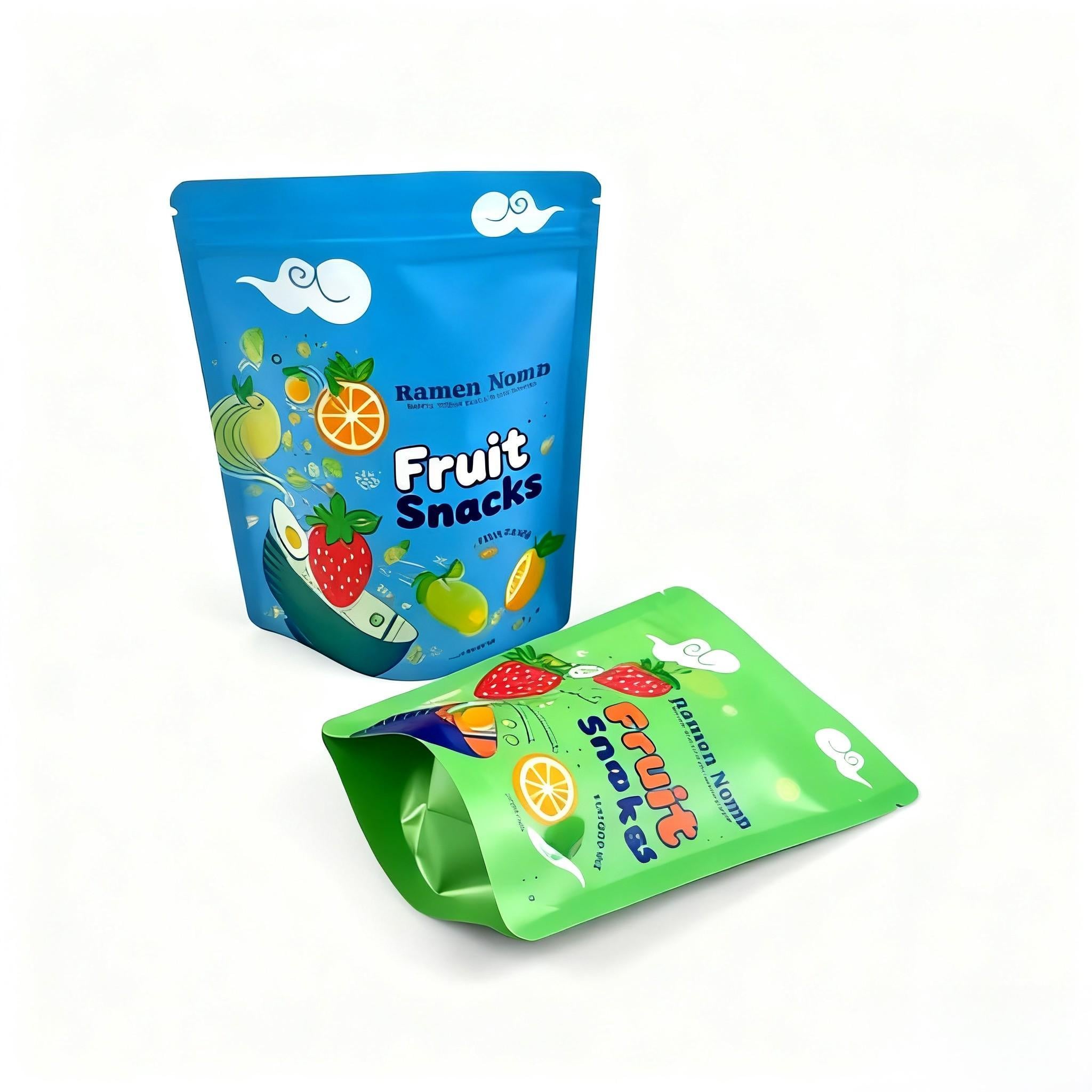
Modern consumer behavior has fundamentally transformed the snack industry, driving manufacturers to prioritize convenience, freshness, and sustainability in their packaging solutions. Resealable snack packs have emerged as a critical innovation that addresses these evolving demands while providing significant advantages for both brands and consumers. These advanced packaging systems not only preserve product quality but also enhance user experience through practical design features that traditional packaging cannot match. The shift toward resealable formats reflects a broader trend in food packaging where functionality meets consumer expectations for convenience and waste reduction.
Enhanced Freshness and Product Protection
Advanced Barrier Technology in Resealable Designs
Resealable snack packs incorporate sophisticated barrier materials that maintain optimal moisture and oxygen levels throughout the product lifecycle. These packaging solutions utilize multiple layer constructions featuring specialized films that prevent external contaminants from compromising snack quality. The resealable mechanism creates an airtight seal that effectively extends shelf life compared to traditional single-use packaging formats. This technology becomes particularly crucial for sensitive products like nuts, crackers, and dried fruits that rapidly lose their crispness when exposed to ambient conditions.
The barrier performance of resealable snack packs directly impacts brand reputation and consumer satisfaction by ensuring consistent product quality from initial opening through final consumption. Advanced zipper technologies and heat-sealable closures provide reliable protection against humidity, light, and atmospheric gases that cause staleness and flavor degradation. Manufacturing processes have evolved to integrate these protective features seamlessly into attractive packaging designs that maintain visual appeal while delivering superior functionality.
Temperature and Environmental Resistance
Temperature fluctuations during transportation and storage present significant challenges for snack product integrity, making resealable packaging essential for maintaining quality standards. These specialized packages demonstrate superior performance across varying environmental conditions, protecting contents from thermal cycling that causes condensation and texture changes. The materials used in resealable snack packs resist deformation and maintain seal integrity even under extreme temperature variations encountered in global distribution networks.
Environmental factors such as altitude changes, humidity variations, and pressure differences during shipping require robust packaging solutions that adapt to diverse conditions. Resealable formats provide consistent protection through their engineered construction that accommodates physical stresses while preserving internal atmosphere composition. This reliability proves particularly valuable for premium snack products where quality consistency directly affects consumer loyalty and repeat purchases.
Consumer Convenience and Lifestyle Integration
Portion Control and Mindful Consumption
The resealable nature of modern snack packaging supports growing consumer awareness around portion control and mindful eating habits. These packages enable users to consume appropriate serving sizes while preserving remaining contents for future occasions, reducing waste and promoting healthier consumption patterns. The psychological impact of being able to easily close and store partially consumed packages encourages more thoughtful eating behaviors compared to traditional packaging that requires complete consumption or transferring to secondary containers.
Health-conscious consumers particularly value resealable snack packs for their ability to support dietary goals through built-in portion management features. The convenience of repeated access without quality compromise allows for integration into meal planning and snacking schedules that align with nutritional objectives. This functionality has become increasingly important as wellness trends drive purchasing decisions and brand loyalty in the competitive snack market.
On-the-Go Lifestyle Compatibility
Modern lifestyles demand packaging solutions that accommodate busy schedules and mobile consumption patterns, making resealable formats essential for contemporary snack products. These packages excel in portable applications where consumers need reliable closure mechanisms that prevent spills and maintain freshness during transport. The durability of resealable snack packs ensures they withstand the physical stresses of backpacks, briefcases, and vehicle storage while protecting contents from contamination.
Travel applications particularly benefit from resealable snack packs that provide secure closure options for airplane carry-on restrictions and extended journey requirements. The user-friendly design features enable easy one-handed operation while maintaining package integrity across diverse usage scenarios. This versatility has made resealable packaging the preferred choice for outdoor activities, workplace snacking, and family travel situations where convenience and reliability are paramount.
Economic Benefits and Market Advantages
Cost Efficiency Through Waste Reduction
Resealable snack packs deliver significant economic benefits by reducing product waste throughout the supply chain and consumption cycle. These packaging solutions minimize returns and complaints related to stale or compromised products, protecting profit margins while enhancing brand reputation. The extended usability period enabled by effective resealable closures translates to higher perceived value for consumers and improved inventory turnover for retailers.
The waste reduction capabilities of resealable packaging systems contribute to overall cost savings that extend beyond immediate material expenses. Reduced spoilage rates improve profitability calculations while supporting sustainability initiatives that increasingly influence purchasing decisions. Manufacturers investing in quality resealable technologies often experience improved customer satisfaction scores and reduced customer service expenses related to product quality issues.
Premium Positioning and Brand Differentiation
The sophisticated appearance and functionality of resealable snack packs enable premium positioning strategies that command higher price points in competitive markets. These packaging formats communicate quality and innovation to consumers who associate advanced closure mechanisms with superior product standards. The visual appeal of well-designed resealable packages enhances shelf presence while providing tactile interaction experiences that strengthen brand connections.
Market differentiation through packaging innovation has become increasingly important as traditional product formulations reach maturity in established categories. Resealable features provide tangible benefits that justify premium pricing while creating barriers to competition from brands using conventional packaging approaches. This strategic advantage proves particularly valuable in crowded snack categories where functional superiority can drive market share growth and consumer loyalty.
Sustainability and Environmental Considerations
Material Optimization and Circularity
Contemporary resealable snack packs incorporate sustainable materials and design principles that align with environmental responsibility goals while maintaining performance standards. Advanced material science has enabled the development of bio-based and recyclable components that reduce environmental impact without compromising functionality. These innovations address growing consumer demands for environmentally conscious packaging options that support circular economy principles.
The durability inherent in resealable packaging designs extends product lifecycle and reduces overall material consumption per usage instance compared to disposable alternatives. This efficiency translates to lower environmental footprints through reduced manufacturing requirements and waste generation. Sustainability considerations increasingly influence procurement decisions as corporate responsibility initiatives drive packaging specification requirements across major food manufacturers.
Recycling Compatibility and End-of-Life Solutions
Modern resealable snack packs utilize materials and construction methods that facilitate recycling processes while maintaining the complex functionality required for effective food protection. Packaging engineers have developed separation techniques that allow closure components to be processed separately from barrier films, improving overall recyclability rates. These design considerations address regulatory requirements and consumer expectations for environmentally responsible packaging solutions.
The evolution toward mono-material constructions in resealable formats simplifies recycling streams while preserving essential barrier and closure performance characteristics. Innovation in adhesive technologies and mechanical joining methods enables effective resealable functionality without compromising end-of-life processing capabilities. This balance between performance and environmental compatibility represents a critical advancement in sustainable packaging development for the snack industry.
Manufacturing and Quality Assurance
Production Process Optimization
The manufacturing of high-quality resealable snack packs requires sophisticated production processes that ensure consistent seal performance and aesthetic appeal across large-scale operations. Advanced converting equipment integrates multiple processing steps including film lamination, printing, zipper attachment, and pouch formation in continuous operations that maintain strict quality standards. These production systems incorporate real-time monitoring technologies that detect and correct variations before they impact final product quality.
Quality control protocols for resealable packaging production encompass both visual inspection and performance testing to verify closure integrity and barrier effectiveness. Automated inspection systems utilize camera technology and mechanical testing to identify defects that could compromise package functionality during distribution and use. The investment in advanced manufacturing capabilities reflects the critical importance of consistent performance in maintaining brand reputation and consumer satisfaction.
Testing and Validation Procedures
Comprehensive testing protocols validate the performance characteristics of resealable snack packs under simulated real-world conditions that encompass transportation stresses, temperature cycling, and repeated opening cycles. These evaluation procedures ensure that closure mechanisms maintain effectiveness throughout expected usage patterns while preserving barrier properties that protect product quality. Laboratory testing capabilities have evolved to provide predictive data that correlates with field performance across diverse market conditions.
Accelerated aging studies and shelf-life validation testing provide critical data for optimizing resealable package designs and material selections for specific product applications. These research activities support innovation in closure technology while ensuring that new developments meet the demanding performance requirements of modern snack packaging applications. The scientific approach to package validation has become essential for success in competitive markets where performance claims must be substantiated through rigorous testing protocols.
FAQ
What makes resealable snack packs more effective than traditional packaging
Resealable snack packs provide superior freshness retention through advanced barrier materials and airtight closure mechanisms that traditional packaging cannot match. These systems prevent moisture ingress, oxygen exposure, and contamination that compromise product quality after initial opening. The ability to create reliable seals multiple times throughout the consumption period extends product usability while maintaining optimal taste and texture characteristics that drive consumer satisfaction.
How do resealable features impact manufacturing costs
While resealable snack packs typically involve higher initial material costs compared to basic packaging formats, they deliver overall cost benefits through reduced waste, improved customer satisfaction, and premium pricing opportunities. The investment in advanced closure technologies and barrier materials generates returns through enhanced brand positioning and reduced returns related to product quality issues. Manufacturing efficiency improvements and waste reduction throughout the supply chain often offset the additional material expenses associated with resealable functionality.
Are resealable snack packs environmentally sustainable
Modern resealable snack packs increasingly incorporate sustainable materials and design principles that support environmental responsibility goals while maintaining essential performance characteristics. Many current designs utilize recyclable materials and construction methods that facilitate end-of-life processing, though the complex multi-layer structures required for effective barrier performance present ongoing challenges for circular economy integration. Continued innovation in material science and package design focuses on balancing environmental impact with the functional requirements necessary for food safety and quality preservation.
What industries benefit most from resealable packaging technology
The snack food industry represents the largest application area for resealable packaging technology, particularly for products sensitive to moisture and oxygen exposure such as nuts, crackers, dried fruits, and specialty confections. Pet food manufacturing has also embraced resealable formats for maintaining nutritional value and palatability in premium products. Additionally, pharmaceutical and nutraceutical industries utilize resealable technologies for supplement packaging where moisture protection and dosing convenience provide significant value to consumers and healthcare providers.