EN
EN

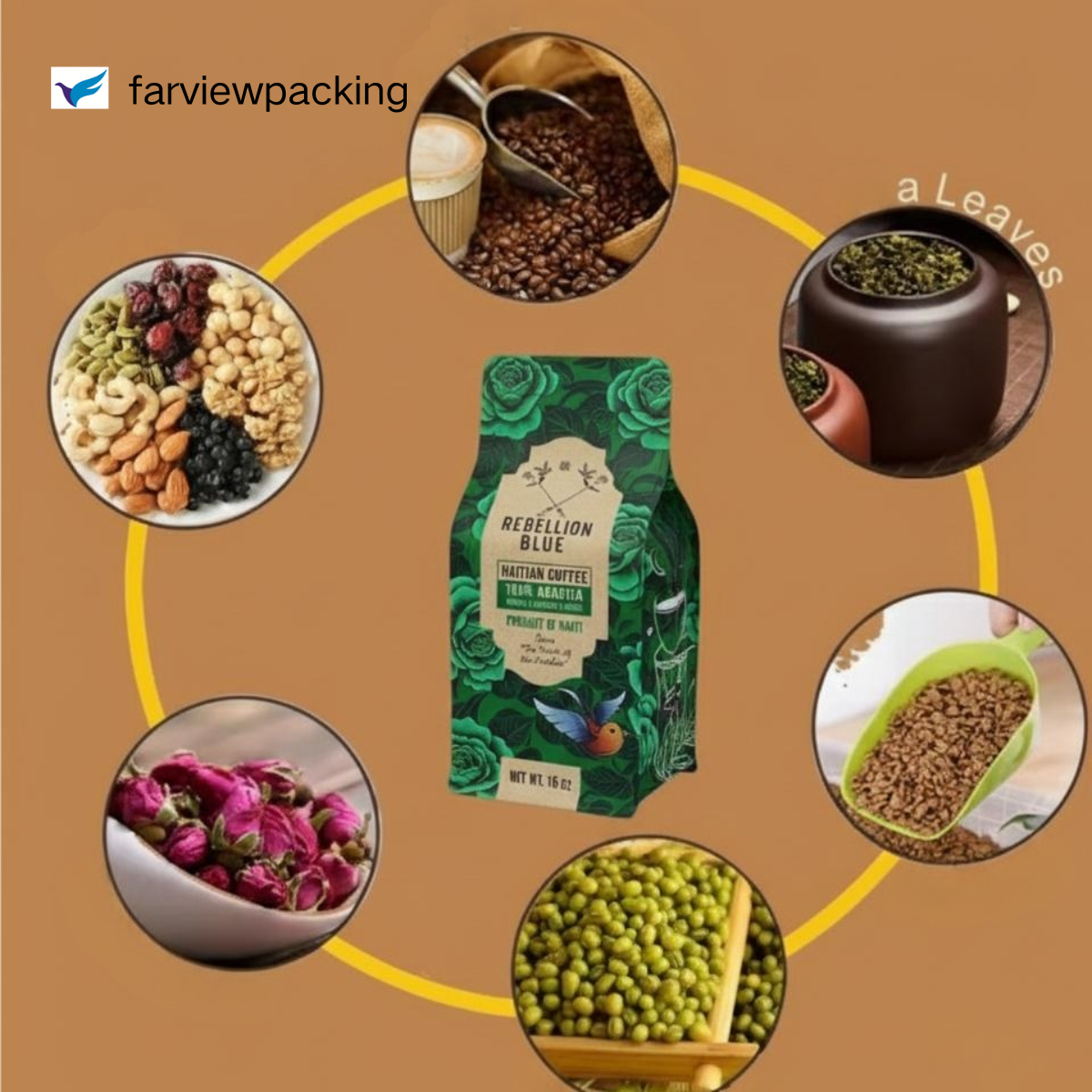
Selecting the right coffee packaging is a critical decision that directly impacts product freshness, brand perception, and operational costs. With the global coffee market demanding premium quality and extended shelf life, choosing durable and cost-effective coffee packaging solutions has become more crucial than ever for roasters, distributors, and retailers seeking competitive advantage while maintaining profitability.
The complexity of modern coffee packaging requirements extends beyond simple containment to encompass barrier properties, environmental considerations, branding opportunities, and supply chain efficiency. Understanding the interplay between durability factors and cost optimization enables businesses to make informed decisions that protect their investment while delivering exceptional value to customers throughout the product lifecycle.
Understanding Coffee Packaging Material Properties
Barrier Performance and Oxygen Protection
Effective coffee packaging must provide superior barrier properties to prevent oxygen infiltration, which causes rapid deterioration of coffee oils and aromatic compounds. Multi-layer laminated materials combining polyethylene, aluminum foil, and specialized polymer films create exceptional oxygen barriers that extend shelf life significantly compared to single-layer alternatives.
The oxygen transmission rate (OTR) of quality coffee packaging typically ranges from 0.1 to 1.0 cubic centimeters per square meter per day, ensuring minimal oxidation during storage and transportation. Advanced barrier technologies incorporate metallized films and ceramic coatings that enhance protection while maintaining cost-effectiveness for large-scale production.
Moisture vapor transmission rates (MVTR) equally influence coffee packaging performance, as humidity control prevents mold growth and maintains optimal moisture content. Premium packaging solutions achieve MVTR values below 0.5 grams per square meter per day, creating stable internal environments that preserve coffee quality throughout extended storage periods.
Mechanical Strength and Puncture Resistance
Durability in coffee packaging requires exceptional mechanical properties to withstand handling stresses during filling, sealing, transportation, and retail display. High-tensile strength materials resist tearing and puncturing, while flexible substrates accommodate volume changes during degassing without compromising seal integrity.
Puncture resistance becomes critical when packaging whole bean coffee, where sharp edges can compromise barrier properties and create leak points. Quality coffee packaging materials demonstrate puncture strengths exceeding 400 grams-force, ensuring reliable protection throughout the distribution chain while maintaining cost efficiency through reduced product loss and customer complaints.
Heat seal strength represents another crucial mechanical property, as inadequate sealing leads to product contamination and shelf life reduction. Optimal coffee packaging achieves seal strengths between 15-25 Newton per 15 millimeters, providing secure closure while allowing controlled opening for consumer convenience.
Evaluating Valve Technologies and Gas Management
One-Way Valve Functionality
One-way degassing valves represent essential components in modern coffee packaging, allowing carbon dioxide release while preventing atmospheric entry. These valves enable immediate packaging of freshly roasted coffee without waiting for complete degassing, significantly improving operational efficiency and reducing inventory holding costs.
Quality valve systems maintain functionality for 12-18 months under normal storage conditions, ensuring consistent performance throughout the product's intended shelf life. Advanced valve designs incorporate multiple sealing mechanisms and pressure-activated operation that responds precisely to internal gas pressure variations without compromising external barrier protection.
Cost considerations for valve-equipped coffee packaging include initial component costs offset by operational benefits such as reduced packaging delays, improved product quality consistency, and enhanced customer satisfaction. The investment in reliable valve technology typically generates positive returns through reduced waste, extended shelf life, and premium positioning opportunities.
Alternative Gas Management Solutions
Alternative approaches to gas management in coffee packaging include micro-perforation technologies and controlled atmosphere packaging systems. Micro-perforated films allow gradual gas exchange while maintaining adequate barrier properties for specific applications where full valve systems may be cost-prohibitive.
Vacuum packaging and nitrogen flushing represent additional methods for managing gas composition within coffee packaging, though these approaches require specialized equipment and modified handling procedures. The selection between valve-based and alternative gas management systems depends on production volume, target shelf life, and cost optimization objectives.
Hybrid solutions combining partial vacuum with valve technology offer enhanced performance for premium coffee packaging applications where maximum freshness retention justifies additional processing costs. These approaches demonstrate particular effectiveness for specialty coffee markets where quality differentiation supports premium pricing strategies.
Cost Analysis and Total Ownership Evaluation
Material Cost Optimization Strategies
Effective cost management in coffee packaging requires comprehensive analysis of material costs, processing efficiency, and performance benefits. Volume purchasing agreements for standardized coffee packaging specifications can achieve 15-25% cost reductions compared to small-quantity procurement, while maintaining quality consistency through supplier partnerships.
Standardization across multiple product lines enables economies of scale in coffee packaging procurement, reducing inventory complexity and minimizing handling costs. Strategic material selection balances performance requirements with cost constraints, ensuring optimal value delivery without compromising essential protective properties.
Alternative material formulations can provide cost advantages while maintaining adequate performance for specific market segments. Lower barrier requirements for rapid-turnover retail applications may justify simplified coffee packaging structures that reduce material costs while meeting customer expectations for quality and convenience.
Operational Efficiency and Handling Costs
Total cost evaluation for coffee packaging must include operational factors such as filling speed, sealing reliability, and storage efficiency. High-speed compatible coffee packaging designs enable faster production throughput, reducing labor costs and improving capacity utilization in high-volume operations.
Packaging efficiency metrics include material yield per unit, sealing success rates, and handling damage frequency. Superior coffee packaging designs achieve filling speeds exceeding 60 packages per minute while maintaining seal integrity rates above 99.5%, demonstrating the value of quality materials and design optimization.
Storage and transportation efficiency influence total ownership costs through space utilization and protection effectiveness. Optimized coffee packaging dimensions maximize pallet loading density while providing adequate protection, reducing per-unit logistics costs and improving supply chain efficiency throughout the distribution network.
Design Features and Brand Enhancement
Structural Design Elements
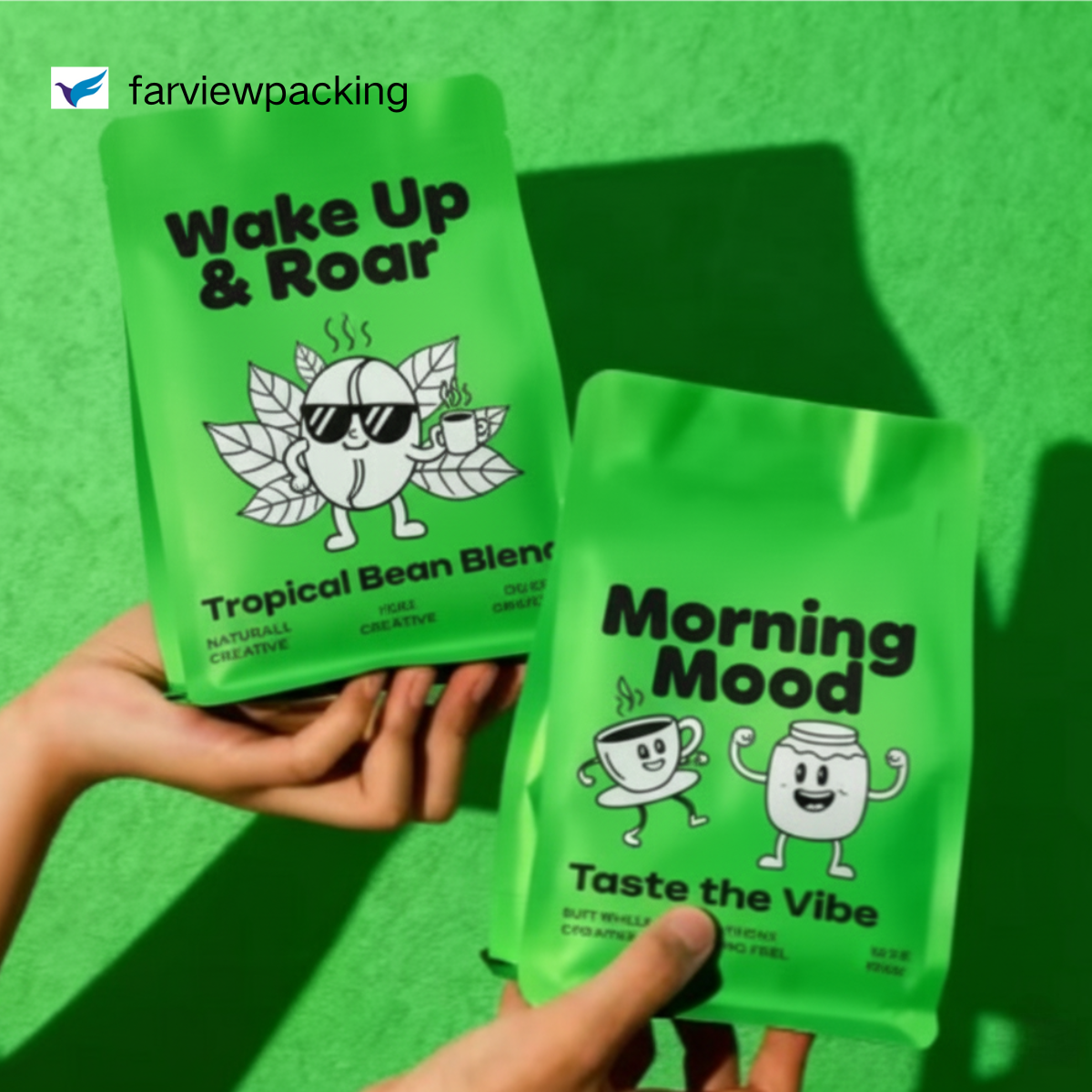
Modern coffee packaging design incorporates structural features that enhance functionality while supporting brand differentiation and customer convenience. Stand-up pouch configurations with flat bottom designs provide stable retail display characteristics while maximizing product visibility and shelf presence.
Resealable closure systems add significant value to coffee packaging by enabling portion control and extended freshness after opening. Zipper closures, press-to-close systems, and heat-activated sealing strips offer varying levels of convenience and cost, allowing customization based on target market requirements and pricing strategies.
Handle integration and pour spout features enhance user experience while differentiating coffee packaging from competitive alternatives. These design elements require careful engineering to maintain barrier properties and structural integrity while providing genuine functional benefits that justify premium positioning.
Printing and Branding Capabilities
Advanced printing technologies enable high-resolution graphics and multiple color applications on coffee packaging substrates, supporting sophisticated branding strategies and product differentiation. Gravure and flexographic printing processes achieve excellent color reproduction and durability suitable for premium coffee packaging applications.
Special effects printing including metallic inks, spot varnishes, and tactile finishes create distinctive coffee packaging appearances that enhance shelf appeal and brand recognition. These enhancement options require cost-benefit analysis to ensure alignment with market positioning and pricing objectives.
Digital printing capabilities offer flexibility for smaller production runs and variable data printing, enabling customized coffee packaging for specialty markets and limited editions. While unit costs may be higher than traditional printing methods, digital solutions provide operational advantages for niche products and test market applications.
Environmental Considerations and Sustainability
Recyclability and Material Selection
Sustainable coffee packaging solutions increasingly influence purchasing decisions as environmental consciousness grows among consumers and regulatory requirements evolve. Mono-material designs using single polymer types enhance recyclability while maintaining adequate performance for many coffee packaging applications.
Bio-based and compostable materials offer alternative approaches to environmental responsibility in coffee packaging, though performance limitations and cost premiums require careful evaluation. Current bio-based options provide adequate barrier properties for shorter shelf life products while supporting sustainability messaging and differentiation strategies.
Recycling infrastructure compatibility represents a crucial factor in sustainable coffee packaging selection, as regional capabilities vary significantly. Designs that align with established recycling streams provide practical environmental benefits while avoiding customer confusion and disposal complications.
Waste Reduction and Efficiency
Waste minimization in coffee packaging encompasses material efficiency, production optimization, and end-of-life considerations. Lightweighting strategies reduce material consumption while maintaining performance, achieving cost savings and environmental benefits simultaneously.
Source reduction through optimized coffee packaging design eliminates unnecessary materials while preserving essential functionality. Advanced modeling and testing enable precise material specification that avoids over-engineering while ensuring adequate performance margins for quality assurance.
Circular economy principles applied to coffee packaging development emphasize design for recyclability, material recovery, and sustainable sourcing. These considerations increasingly influence supplier selection and long-term strategic planning as market demands and regulatory requirements evolve toward greater environmental accountability.
FAQ
What are the most important factors to consider when selecting coffee packaging materials?
The most critical factors include oxygen barrier performance, moisture protection, mechanical strength, valve functionality, and cost-effectiveness. Oxygen transmission rates should be below 1.0 cc/m²/day, while moisture vapor transmission rates should remain under 0.5 g/m²/day. Additionally, puncture resistance exceeding 400 grams-force and heat seal strength between 15-25 Newton per 15mm ensure durability throughout the supply chain.
How do one-way valves affect the cost and performance of coffee packaging?
One-way valves add initial component costs but provide significant operational benefits by allowing immediate packaging of freshly roasted coffee and maintaining product quality throughout 12-18 months of shelf life. The investment typically generates positive returns through reduced waste, eliminated degassing delays, improved customer satisfaction, and premium positioning opportunities that justify the additional expense.
What role does packaging design play in cost-effectiveness beyond material costs?
Packaging design significantly impacts total ownership costs through operational efficiency, storage optimization, and supply chain performance. Well-designed coffee packaging enables higher filling speeds (60+ packages per minute), achieves superior seal integrity rates (above 99.5%), maximizes pallet loading density, and reduces handling damage, resulting in lower labor costs, improved capacity utilization, and reduced logistics expenses.
How can sustainability requirements be balanced with durability and cost objectives?
Balancing sustainability with performance and cost requires strategic material selection and design optimization. Mono-material constructions enhance recyclability while maintaining adequate barriers for many applications. Lightweighting strategies reduce environmental impact and material costs simultaneously. Bio-based options work effectively for shorter shelf-life products, while source reduction through optimized design eliminates unnecessary materials without compromising essential protective functions.
Table of Contents
- Understanding Coffee Packaging Material Properties
- Evaluating Valve Technologies and Gas Management
- Cost Analysis and Total Ownership Evaluation
- Design Features and Brand Enhancement
- Environmental Considerations and Sustainability
-
FAQ
- What are the most important factors to consider when selecting coffee packaging materials?
- How do one-way valves affect the cost and performance of coffee packaging?
- What role does packaging design play in cost-effectiveness beyond material costs?
- How can sustainability requirements be balanced with durability and cost objectives?