EN
EN

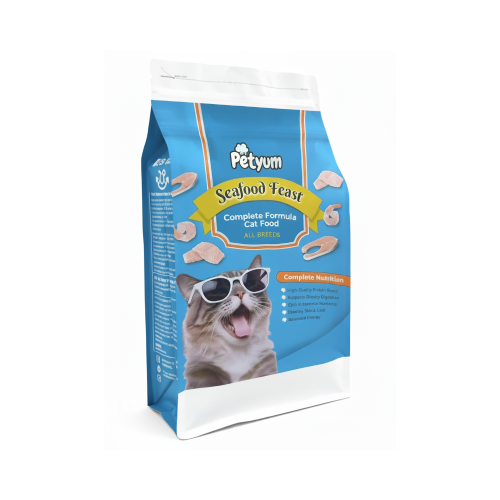
When it comes to packaging solutions that offer superior protection and preservation, understanding the distinctions between different materials becomes crucial for businesses and consumers alike. The packaging industry has evolved significantly, presenting various options that cater to specific needs, durability requirements, and aesthetic preferences. Among the most popular protective packaging materials, two options stand out for their exceptional barrier properties and versatility in applications across multiple industries.
The choice between different packaging materials can significantly impact product shelf life, customer satisfaction, and overall business success. While both materials share certain protective characteristics, their composition, manufacturing processes, and performance attributes differ substantially. These differences influence their suitability for various applications, from food preservation to industrial storage solutions.
Understanding these distinctions helps manufacturers, retailers, and consumers make informed decisions about which packaging solution best meets their specific requirements. The selection process involves considering factors such as barrier properties, cost-effectiveness, environmental impact, and intended use cases.
Material Composition and Manufacturing Processes
Aluminum Foil Construction
Aluminum foil represents one of the most traditional and widely recognized barrier materials in the packaging industry. The manufacturing process begins with rolling aluminum ingots through successive rolling mills until achieving the desired thickness, typically ranging from 0.006 to 0.2 millimeters. This mechanical process creates a continuous sheet of pure aluminum that exhibits exceptional barrier properties against moisture, oxygen, light, and odors.
The purity of aluminum used in foil production significantly impacts its performance characteristics. High-grade aluminum foil maintains consistent thickness throughout the sheet, ensuring uniform barrier protection across the entire surface area. The rolling process also work-hardens the aluminum, increasing its tensile strength while maintaining flexibility for packaging applications.
Modern aluminum foil production incorporates advanced quality control measures to minimize pinhole formation, which can compromise barrier integrity. Manufacturers employ sophisticated detection systems to identify and eliminate defects that could allow gas or moisture transmission through the material.
Mylar Film Technology
Mylar, a polyester film manufactured through a biaxial orientation process, represents a synthetic alternative to traditional aluminum foil. The production process involves melting polyethylene terephthalate resin and extruding it into a thin film, which is then stretched in both machine and transverse directions. This biaxial orientation significantly enhances the film's strength, clarity, and dimensional stability.
The stretching process aligns polymer chains in multiple directions, creating a material with superior tensile strength compared to unoriented films. This molecular orientation also contributes to excellent optical properties, making Mylar suitable for applications requiring transparency or specific visual characteristics.
Advanced metallization processes can be applied to Mylar films to enhance their barrier properties. Vacuum metallization deposits an ultra-thin layer of aluminum onto the polyester surface, combining the clarity and flexibility of plastic with improved barrier performance against gases and moisture.
Barrier Properties and Protection Performance
Moisture and Gas Transmission Rates
The barrier performance of packaging materials directly correlates with their ability to prevent moisture and gas transmission, which are primary factors in product degradation. Aluminum foil demonstrates exceptional barrier properties, with virtually zero moisture vapor transmission rate when the material remains intact without pinholes or creases that compromise its integrity.
Oxygen transmission through aluminum foil is essentially negligible, making it ideal for products sensitive to oxidation. This superior barrier performance explains why aluminum foil remains the gold standard for applications requiring maximum protection against environmental factors that can degrade product quality over time.
Mylar films exhibit variable barrier properties depending on thickness, surface treatments, and metallization levels. Standard Mylar provides moderate barrier protection, while metallized versions approach the performance characteristics of aluminum foil. The transmission rates for both moisture and gases can be precisely controlled through film thickness and surface modifications.
Light Protection Capabilities
Light protection represents another critical factor in preserving product integrity, particularly for items sensitive to ultraviolet radiation or visible light exposure. Aluminum foil provides complete opacity, blocking all wavelengths of light and preventing photodegradation of light-sensitive products. This total light barrier makes it ideal for pharmaceutical applications and food products that deteriorate under light exposure.
Clear Mylar films offer minimal light protection, allowing full light transmission similar to glass or clear plastics. However, metallized Mylar films provide varying degrees of light protection depending on the metallization level. Some specialized Mylar films incorporate UV-blocking additives that selectively filter harmful wavelengths while maintaining transparency in the visible spectrum.
The choice between complete opacity and selective light filtering depends on product requirements and consumer preferences. Some applications benefit from product visibility, while others prioritize maximum protection against light-induced degradation.
Applications and Industry Usage
Food and Beverage Packaging
The food and beverage industry represents the largest market segment for both aluminum foil and Mylar packaging solutions. foil and mylar bags serve different purposes within this sector, each offering unique advantages for specific food preservation requirements.
Aluminum foil excels in applications requiring maximum shelf life extension, particularly for processed foods, dairy products, and items prone to oxidation. Its superior barrier properties help maintain flavor integrity, nutritional content, and texture throughout extended storage periods. The material's heat resistance also makes it suitable for retort processing and hot-fill applications.
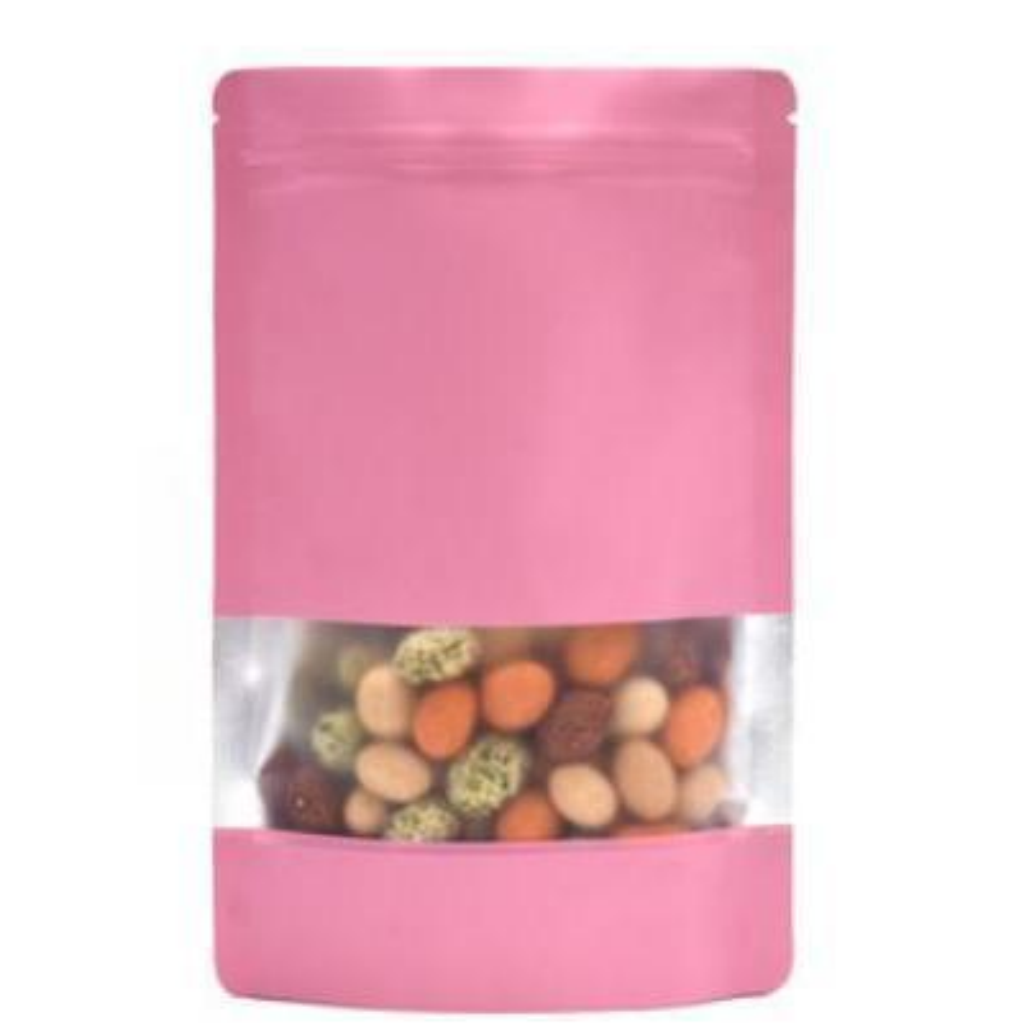
Mylar bags find widespread use in snack food packaging, where product visibility and attractive presentation contribute to consumer appeal. The material's puncture resistance and flexibility make it ideal for irregularly shaped food items that might damage more rigid packaging materials. Metallized Mylar provides enhanced protection while maintaining some transparency for product identification.
Industrial and Specialty Applications
Beyond food packaging, both materials serve critical roles in industrial applications where environmental protection is paramount. Electronic components, pharmaceuticals, and sensitive chemicals require packaging that maintains product integrity under various storage and shipping conditions.
Aluminum foil's electromagnetic shielding properties make it valuable for protecting electronic devices from electromagnetic interference during storage and transport. The material's impermeability to gases also suits pharmaceutical applications where moisture or oxygen exposure could compromise drug efficacy or stability.
Mylar's dimensional stability and temperature resistance suit applications involving extreme environmental conditions. The material maintains its properties across a wide temperature range, making it suitable for aerospace, military, and scientific applications where performance consistency is critical.
Cost Considerations and Economic Factors
Material and Production Costs
Economic considerations play a significant role in packaging material selection, particularly for high-volume applications where cost differences can substantially impact overall profitability. Aluminum foil typically commands higher raw material costs due to aluminum pricing volatility and energy-intensive production processes.
The aluminum market experiences price fluctuations based on global supply and demand dynamics, energy costs, and geopolitical factors affecting major producing regions. These fluctuations directly impact foil pricing, requiring manufacturers to consider long-term cost trends when making packaging decisions.
Mylar film production costs remain relatively stable due to consistent polyester resin pricing and efficient manufacturing processes. The synthetic nature of the material provides more predictable cost structures, helping manufacturers maintain consistent pricing strategies for their packaging solutions.
Processing and Conversion Expenses
Converting raw materials into finished packaging involves additional costs that vary significantly between aluminum foil and Mylar films. Aluminum foil requires careful handling during conversion processes to prevent damage that could compromise barrier properties. The material's tendency to tear or puncture during high-speed converting operations may increase waste rates and processing costs.
Mylar films generally demonstrate superior convertibility, running efficiently on standard flexible packaging equipment. The material's toughness and tear resistance contribute to higher line speeds and reduced waste during printing, laminating, and bag-making operations. These processing advantages can offset higher initial material costs in high-volume applications.
Equipment considerations also influence overall costs, as some converting operations may require specialized machinery or tooling depending on the chosen material. Investment in appropriate processing equipment becomes particularly important for manufacturers planning long-term production strategies.
Environmental Impact and Sustainability
Recyclability and End-of-Life Options
Environmental sustainability increasingly influences packaging material selection as consumers and regulations demand more eco-friendly solutions. Aluminum foil offers excellent recyclability, with the material retaining its properties through multiple recycling cycles without degradation. The high value of aluminum scrap provides economic incentives for collection and recycling programs.
Recycling aluminum requires significantly less energy compared to primary production from bauxite ore, making it an environmentally preferred option when proper collection systems exist. However, contamination from food residues or laminated structures can complicate the recycling process and reduce material recovery rates.
Mylar films present more complex end-of-life scenarios due to the thermoplastic nature of polyester materials. While technically recyclable, the infrastructure for collecting and processing flexible plastic films remains limited in many regions. Advanced recycling technologies, including chemical depolymerization, offer potential solutions for converting waste Mylar back into virgin-quality materials.
Carbon Footprint and Life Cycle Analysis
Comprehensive environmental assessment requires examining the entire life cycle of packaging materials, from raw material extraction through end-of-life disposal or recycling. Aluminum production involves energy-intensive processes, particularly primary aluminum smelting, which contributes to higher carbon footprints during initial manufacturing.
However, aluminum's durability and recyclability can offset initial environmental impacts through extended use cycles and material recovery. The lightweight nature of aluminum foil also contributes to reduced transportation emissions compared to heavier packaging alternatives.
Mylar production generates lower initial carbon emissions due to more efficient manufacturing processes and abundant feedstock availability. However, the material's petroleum-based origin and limited recycling infrastructure may result in higher long-term environmental impacts without proper waste management systems.
FAQ
Which material provides better protection for long-term storage
Aluminum foil generally provides superior long-term protection due to its exceptional barrier properties against moisture, oxygen, and light. The material offers virtually zero transmission rates for gases and vapors, making it ideal for applications requiring maximum preservation. However, proper handling is essential to prevent punctures or tears that could compromise barrier integrity. Mylar can provide adequate protection for many applications, especially when metallized, but may not match aluminum foil's performance for extremely sensitive products requiring extended shelf life.
Are there significant cost differences between these packaging materials
Cost differences vary depending on specific grades, thicknesses, and market conditions. Aluminum foil typically costs more per unit area due to aluminum pricing and energy-intensive production processes. However, thinner gauges of aluminum foil may provide equivalent protection to thicker Mylar films, potentially offsetting cost differences. Mylar films generally offer more stable pricing but may require greater thickness or metallization to achieve comparable barrier performance, affecting overall cost calculations.
Can both materials be used for food contact applications
Both aluminum foil and Mylar films are approved for direct food contact applications when manufactured according to appropriate food safety regulations. Aluminum foil has a long history of safe food contact use and requires no additional coatings for most applications. Mylar films used for food packaging must meet specific FDA regulations and may require food-grade surface treatments or coatings depending on the intended application and food type.
Which material is more environmentally sustainable
Environmental sustainability depends on multiple factors including production methods, use efficiency, and end-of-life management. Aluminum foil offers superior recyclability and retains value through multiple recycling cycles, but requires significant energy for initial production. Mylar films have lower initial environmental impact but face challenges in recycling infrastructure. The most sustainable choice depends on specific application requirements, local recycling capabilities, and overall packaging system design considering both performance and environmental factors.