EN
EN

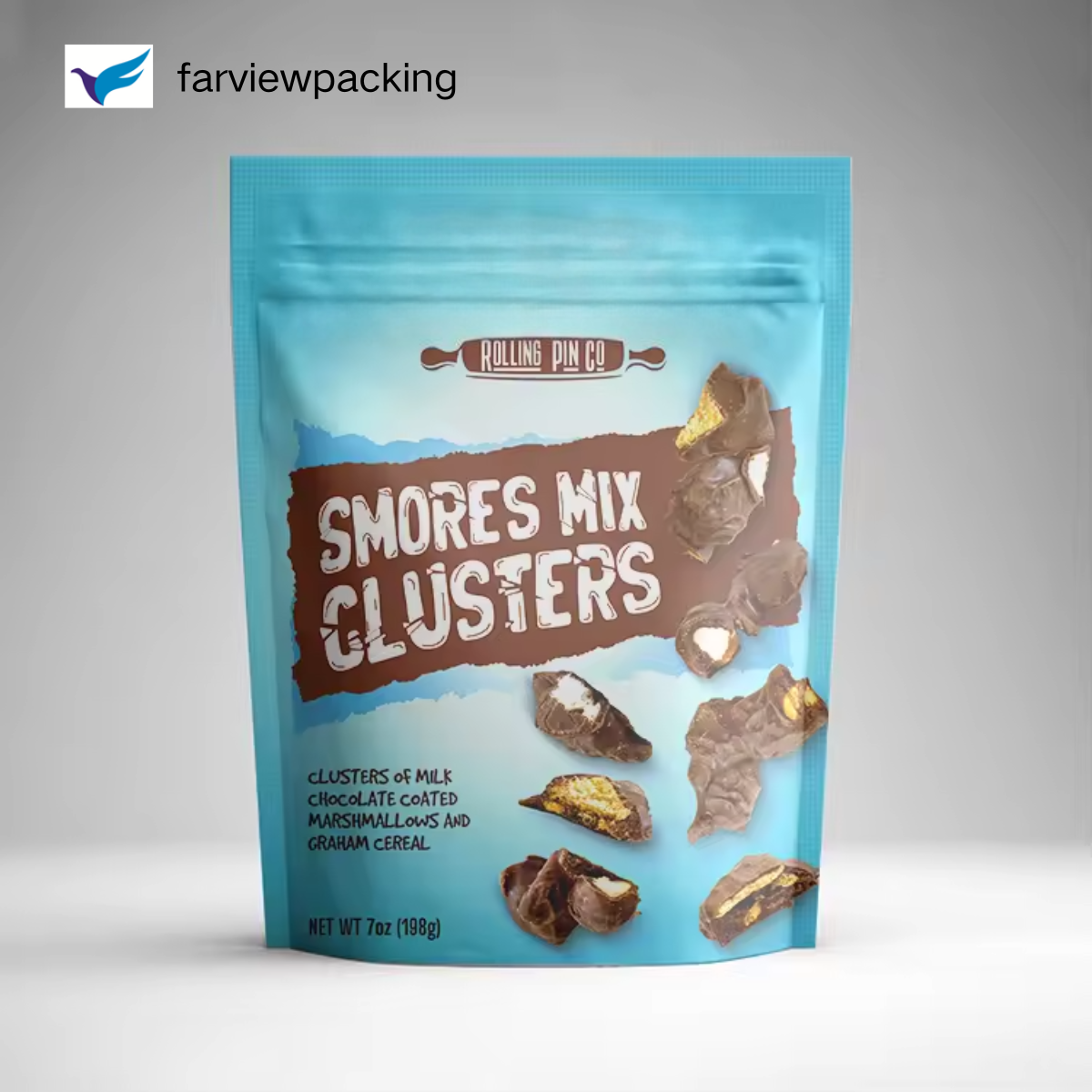
Food manufacturers today face increasing pressure to deliver products that meet consumer demands for convenience, freshness, and portability. In this competitive landscape, snack packs have emerged as a game-changing packaging solution that addresses multiple challenges simultaneously. These innovative packaging formats offer manufacturers the flexibility to portion products effectively while maintaining product integrity and extending shelf life. The growing popularity of on-the-go consumption has made snack packs an essential consideration for any food manufacturer looking to capture market share and meet evolving consumer preferences.
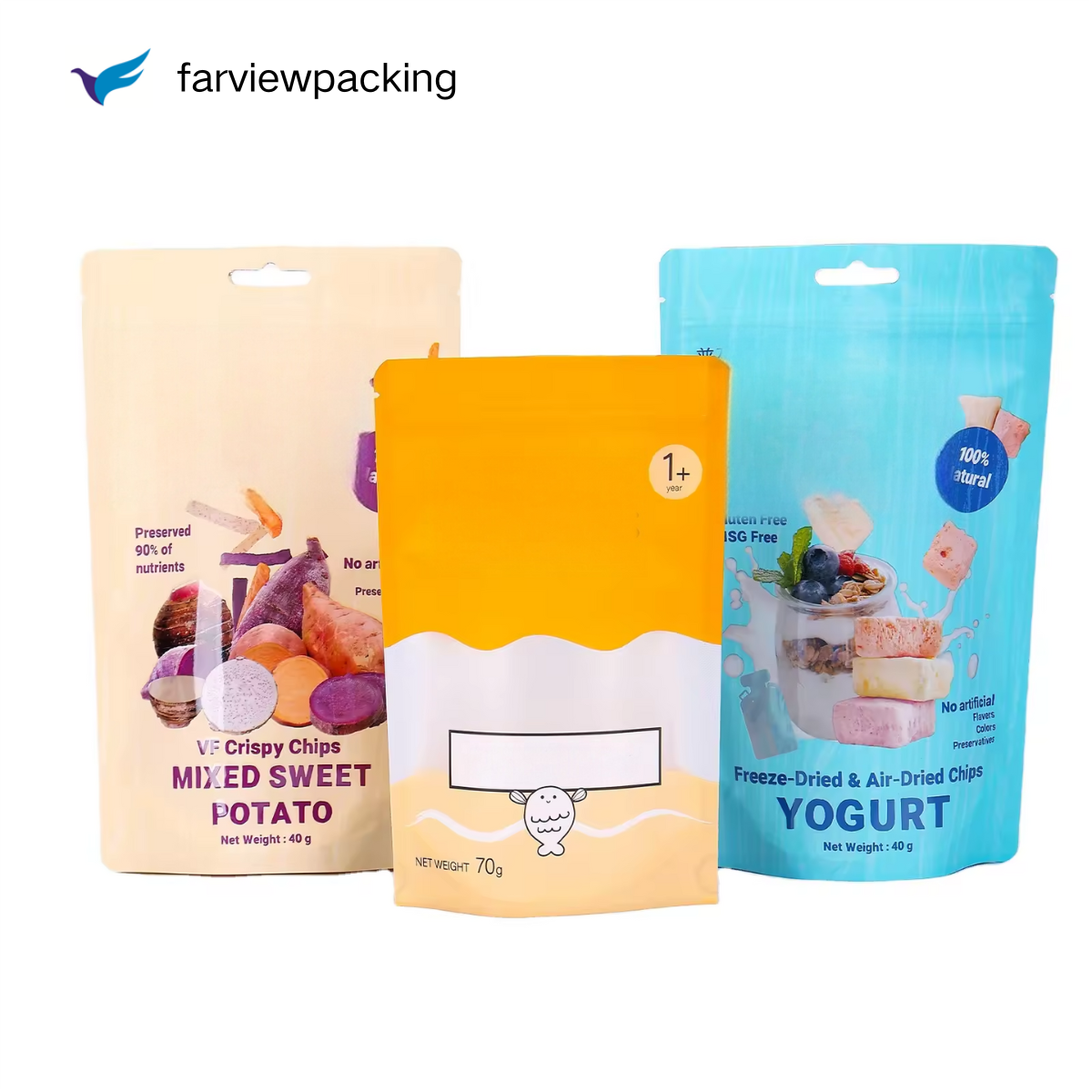
Understanding the Market Demand for Snack Packs
Consumer Behavior Shifts Driving Packaging Innovation
Modern consumers increasingly prioritize convenience in their food choices, creating substantial opportunities for manufacturers who embrace innovative packaging solutions. The rise of remote work, busy lifestyles, and health-conscious eating habits has fundamentally changed how people approach snacking. Consumers now seek products that fit seamlessly into their daily routines without compromising on quality or freshness. This behavioral shift has positioned snack packs as a critical component in successful product positioning strategies.
Market research consistently shows that portion-controlled packaging resonates strongly with health-conscious consumers who want to manage their intake without sacrificing taste or convenience. Food manufacturers who recognize this trend can leverage snack packs to tap into the growing wellness market while simultaneously addressing practical consumption needs. The psychological appeal of pre-portioned products extends beyond mere convenience, offering consumers a sense of control over their dietary choices.
Market Size and Growth Projections
The global flexible packaging market, which includes snack packs as a significant segment, continues to experience robust growth driven by changing consumer preferences and technological advancements. Industry analysts project sustained expansion in this sector, with particular strength in the food and beverage applications. This growth trajectory presents compelling opportunities for manufacturers to invest in packaging solutions that align with long-term market trends.
Regional variations in consumption patterns create additional opportunities for targeted product development using specialized packaging formats. Food manufacturers who understand these market dynamics can position themselves advantageously by selecting packaging solutions that resonate with specific demographic groups and geographic markets. The data clearly indicates that flexible packaging solutions will continue to gain market share across various food categories.
Manufacturing Advantages of Snack Pack Solutions
Production Efficiency and Cost Optimization
Implementing snack packs in manufacturing operations often results in significant efficiency improvements across multiple production processes. Modern packaging equipment designed for flexible formats typically operates at higher speeds than traditional rigid packaging lines, enabling manufacturers to increase throughput while maintaining quality standards. The reduced material requirements compared to rigid containers also contribute to lower overall packaging costs and improved sustainability profiles.
The lightweight nature of flexible packaging materials translates directly into reduced shipping costs and improved logistics efficiency. Manufacturers can optimize their supply chain operations by taking advantage of the superior space utilization offered by flat-packed flexible materials before forming. This efficiency extends throughout the distribution network, creating cumulative cost savings that can significantly impact profit margins.
Quality Control and Product Protection
Advanced barrier technologies incorporated into modern snack pack designs provide excellent protection against moisture, oxygen, and light exposure that can compromise product quality. These protective properties help manufacturers maintain consistent product characteristics throughout extended shelf life periods. The ability to customize barrier properties based on specific product requirements allows manufacturers to optimize protection levels while controlling material costs.
Sophisticated sealing technologies ensure package integrity while providing tamper-evident features that enhance consumer confidence. The hermetic seals achievable with modern flexible packaging equipment often exceed the performance of traditional rigid containers in maintaining product freshness. This enhanced protection capability enables manufacturers to expand distribution ranges and explore new market opportunities with confidence in product quality maintenance.
Design Flexibility and Brand Enhancement
Visual Impact and Shelf Appeal
The expansive printable surface area available on flexible packaging formats provides exceptional opportunities for brand expression and product differentiation. High-quality printing capabilities enable manufacturers to create visually striking designs that capture consumer attention in competitive retail environments. The ability to incorporate variable graphics, promotional messaging, and product information creates powerful marketing tools that extend far beyond basic product containment.
Innovative structural features such as resealable closures, easy-open tear notches, and ergonomic shapes enhance the user experience while reinforcing brand positioning. These functional elements can be seamlessly integrated with aesthetic design considerations to create packaging that delivers both visual appeal and practical utility. The combination of form and function in well-designed snack packs often becomes a significant factor in consumer purchasing decisions.
Customization Capabilities for Market Segmentation
The inherent flexibility of modern packaging systems allows manufacturers to create multiple product variants using shared production infrastructure. Different sizes, barrier properties, and closure systems can be implemented to target specific market segments without requiring separate production lines. This capability enables manufacturers to test new concepts and respond quickly to market feedback without substantial capital investments.
Seasonal variations, limited editions, and promotional campaigns can be easily accommodated through printing and structural modifications that maintain production efficiency. The ability to produce small runs of specialized variants helps manufacturers explore niche markets while maintaining cost-effective operations. This flexibility becomes particularly valuable in rapidly changing market conditions where responsiveness can provide competitive advantages.
Sustainability and Environmental Considerations
Material Efficiency and Waste Reduction
Modern flexible packaging solutions typically require significantly less raw material than equivalent rigid packaging options, resulting in reduced environmental impact throughout the product lifecycle. The lightweight nature of these materials translates directly into lower transportation-related emissions and reduced storage requirements. Manufacturers who prioritize sustainability can leverage these inherent efficiency advantages to support their environmental objectives while maintaining operational effectiveness.
Advanced material technologies enable the use of recycled content and bio-based materials in flexible packaging applications, further enhancing sustainability profiles. The development of mono-material structures and improved recyclability features helps manufacturers address growing consumer and regulatory demands for environmentally responsible packaging solutions. These innovations allow companies to maintain product protection performance while reducing environmental impact.
Circular Economy Integration
Emerging recycling technologies and collection systems are expanding opportunities for flexible packaging materials to participate in circular economy models. Manufacturers who stay informed about these developments can make strategic decisions that position their products advantageously for future sustainability requirements. Investment in recyclable and compostable materials often provides long-term competitive benefits as regulatory environments continue evolving.
Collaboration with suppliers, converters, and waste management companies creates opportunities to develop closed-loop systems that maximize material utilization efficiency. These partnerships often result in innovative solutions that benefit all stakeholders while advancing sustainability objectives. The proactive approach to circular economy integration demonstrates corporate responsibility while potentially reducing long-term material costs.
Technology Integration and Future Trends
Smart Packaging Features
The integration of intelligent features into flexible packaging formats opens new possibilities for product differentiation and consumer engagement. Technologies such as freshness indicators, temperature monitoring, and authentication features can be incorporated into snack pack designs to enhance functionality and brand value. These advanced capabilities often justify premium positioning while providing tangible benefits to consumers and supply chain partners.
Digital printing technologies enable variable data printing that can incorporate individual codes, promotional elements, or personalization features at the package level. This capability creates opportunities for enhanced traceability, consumer engagement programs, and anti-counterfeiting measures. The ability to implement these features cost-effectively makes them accessible to manufacturers across various market segments.
Automation and Industry 4.0 Integration
Modern packaging lines designed for flexible formats increasingly incorporate advanced automation and data collection capabilities that support Industry 4.0 initiatives. Real-time monitoring of packaging quality parameters, production efficiency metrics, and material utilization rates provides valuable insights for continuous improvement efforts. These technological capabilities enable manufacturers to optimize operations while maintaining consistent quality standards.
Predictive maintenance systems and automated quality control technologies reduce downtime while ensuring product integrity throughout production runs. The integration of these systems with enterprise resource planning platforms creates comprehensive visibility into packaging operations and their impact on overall business performance. This technological sophistication often provides competitive advantages in efficiency and quality consistency.
FAQ
What are the main cost advantages of using snack packs over traditional packaging
Snack packs typically offer significant cost advantages through reduced material usage, lighter shipping weights, and improved storage efficiency. The flexible materials require less raw material than rigid containers while providing comparable or superior product protection. Additionally, the compact nature of flexible packaging reduces transportation costs and warehouse space requirements, creating cumulative savings throughout the supply chain.
How do snack packs maintain product freshness compared to other packaging formats
Modern snack pack designs incorporate advanced barrier technologies that provide excellent protection against moisture, oxygen, and light exposure. These multi-layer structures can be customized to provide optimal barrier properties for specific products, often exceeding the protection levels achieved with traditional rigid packaging. The hermetic seals created by modern packaging equipment ensure long-term product integrity and extended shelf life.
What sustainability benefits do flexible snack packs provide
Flexible packaging solutions typically use 70-80% less material than equivalent rigid packaging options, resulting in significantly reduced environmental impact. The lightweight nature reduces transportation-related emissions, while advanced recycling technologies are expanding end-of-life options for these materials. Many manufacturers are also incorporating recycled content and bio-based materials to further enhance sustainability profiles.
How quickly can manufacturers implement snack pack solutions in existing operations
Implementation timelines for snack pack solutions vary based on existing equipment and specific requirements, but many manufacturers can achieve integration within 3-6 months. Modern packaging equipment offers excellent flexibility and can often be configured to handle multiple product types and package formats. The ability to start with pilot programs allows manufacturers to validate concepts and optimize processes before full-scale implementation.
Table of Contents
- Understanding the Market Demand for Snack Packs
- Manufacturing Advantages of Snack Pack Solutions
- Design Flexibility and Brand Enhancement
- Sustainability and Environmental Considerations
- Technology Integration and Future Trends
-
FAQ
- What are the main cost advantages of using snack packs over traditional packaging
- How do snack packs maintain product freshness compared to other packaging formats
- What sustainability benefits do flexible snack packs provide
- How quickly can manufacturers implement snack pack solutions in existing operations