EN
EN

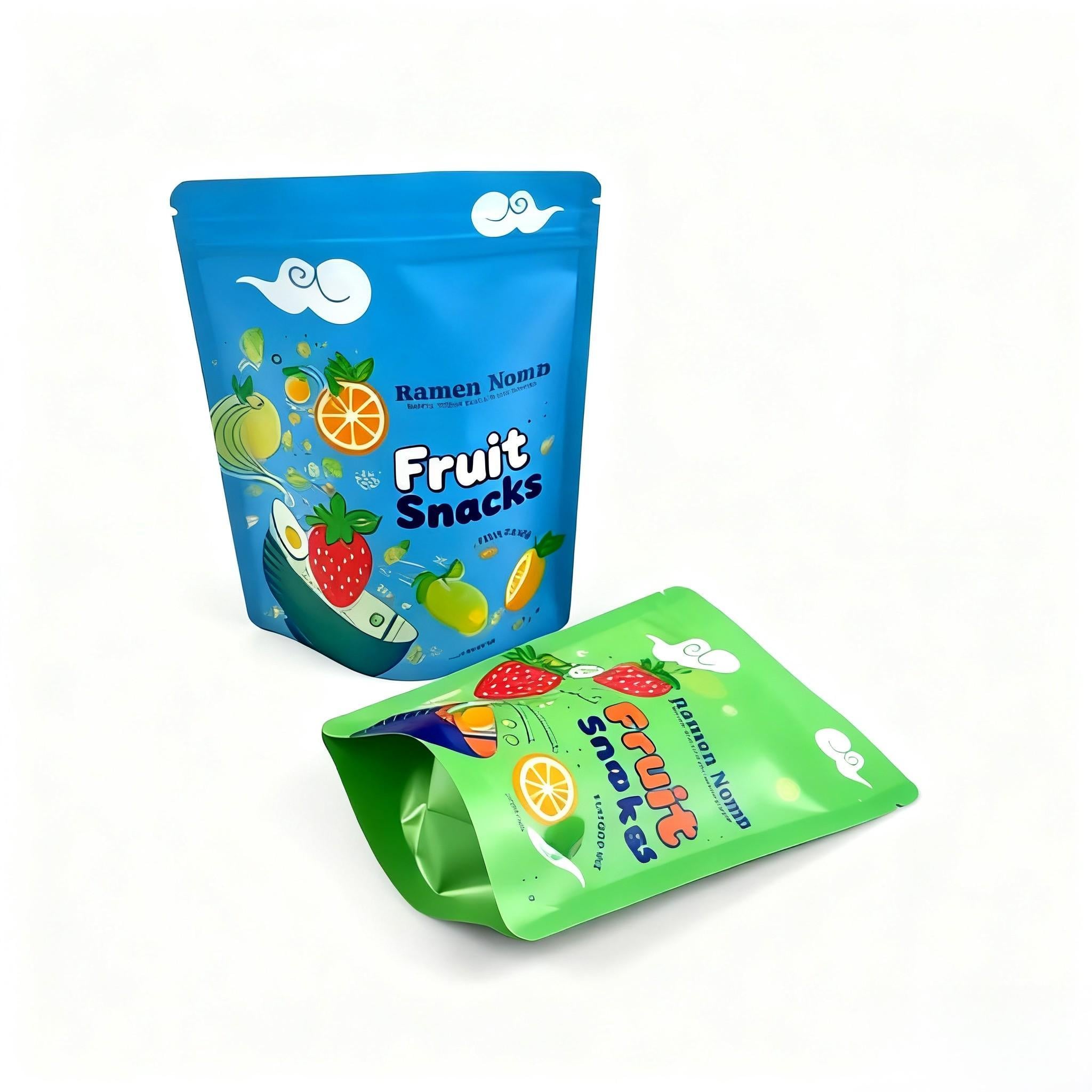
Essential Considerations for Selecting Industrial Packaging Solutions
The selection of plastic packaging bags represents a critical business decision that impacts everything from product protection to brand perception and environmental responsibility. As global commerce continues to evolve, companies must carefully evaluate their packaging choices to ensure they meet both current needs and future sustainability goals. Understanding the key factors that influence packaging selection can help businesses make informed decisions that benefit their operations, customers, and bottom line.
Making the right choice in plastic packaging bags requires a comprehensive evaluation of multiple variables, from material specifications to cost implications. This depth of consideration becomes even more crucial as consumer awareness about packaging sustainability grows and regulatory requirements become increasingly stringent. Let's explore the vital factors that should guide your packaging decisions.
Material Properties and Performance Requirements
Durability and Protection Standards
The primary function of plastic packaging bags is to protect products during storage and transportation. Material strength plays a crucial role in preventing tears, punctures, and other damage that could compromise product integrity. High-density polyethylene (HDPE) offers excellent durability for heavier items, while low-density polyethylene (LDPE) provides flexibility and clarity ideal for retail packaging.
Consider the specific stresses your products will encounter throughout the supply chain. Will they need to withstand rough handling during shipping? Are they sensitive to moisture or temperature fluctuations? The answers to these questions will help determine the appropriate material thickness and composition of your plastic packaging bags.
Chemical Resistance and Product Compatibility
Different products require varying levels of chemical resistance in their packaging. Foods, pharmaceuticals, and industrial chemicals each demand specific barrier properties to maintain product safety and integrity. Some products may react with certain types of plastic, necessitating careful material selection to prevent contamination or degradation.
Testing compatibility between your product and packaging material is essential. Consider factors such as pH levels, fat content, and chemical reactivity when selecting plastic packaging bags. This evaluation helps ensure product stability throughout its intended shelf life.
Cost Considerations and Economic Implications
Initial Purchase Expenses
While material costs often dominate discussions about plastic packaging bags, the initial purchase price should be evaluated within a broader context. Consider factors such as minimum order quantities, supplier terms, and potential volume discounts. Remember that choosing the cheapest option may lead to higher long-term costs if the packaging fails to perform adequately.
Manufacturing capabilities and location can significantly impact costs. Domestic suppliers might offer higher prices but provide faster turnaround times and lower shipping costs. Overseas manufacturers may offer lower unit prices but require longer lead times and higher minimum orders.
Long-term Operating Costs
The true cost of plastic packaging bags extends beyond the purchase price. Consider storage requirements, handling efficiency, and potential waste rates. More durable bags might cost more initially but could reduce replacement needs and product damage during transit. Additionally, evaluate how different packaging options affect shipping weights and dimensions, as these factors influence transportation costs.
Processing speeds and compatibility with existing packaging equipment should also factor into your cost analysis. Some materials may require special handling or storage conditions, potentially increasing operational expenses.
Environmental Impact and Sustainability
Recycling and Disposal Options
Modern businesses must consider the environmental impact of their packaging choices. Look for plastic packaging bags that align with local recycling capabilities and regulations. Some materials offer better recyclability than others, and certain additives or multi-layer constructions might affect recycling potential.
Consider implementing take-back programs or partnering with recycling facilities to manage end-of-life disposal. The ability to recycle packaging materials can significantly impact your company's environmental footprint and appeal to environmentally conscious customers.
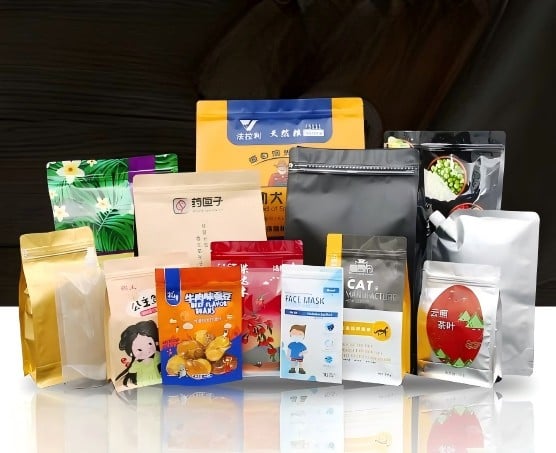
Sustainable Material Alternatives
The market for sustainable plastic packaging bags continues to expand, offering various eco-friendly options. Bio-based plastics, recycled content materials, and biodegradable alternatives provide opportunities to reduce environmental impact while maintaining necessary performance characteristics.
Evaluate the complete lifecycle impact of different materials, including production energy requirements, transportation emissions, and end-of-life disposal options. Remember that sustainability claims should be verified and supported by appropriate certifications.
Regulatory Compliance and Industry Standards
Safety and Quality Certifications
Different industries face varying regulatory requirements for plastic packaging bags. Food-grade packaging must meet FDA standards, while medical packaging requires specific sterilization capabilities. Ensure your chosen packaging complies with all relevant regulations and carries necessary certifications.
International shipping may involve additional compliance requirements. Research destination market regulations and standards to avoid costly delays or rejected shipments. Working with certified suppliers can help ensure consistent compliance across your packaging supply chain.
Documentation and Traceability
Maintaining proper documentation for plastic packaging bags becomes increasingly important as supply chain transparency demands grow. Track material specifications, testing results, and certification status. This documentation proves valuable during audits and helps demonstrate due diligence in packaging selection.
Consider implementing lot tracking systems to manage quality control and facilitate potential recalls. Clear documentation also supports sustainability claims and helps maintain consistency across multiple suppliers or production runs.
Frequently Asked Questions
How do I determine the right thickness for plastic packaging bags?
The appropriate thickness depends on several factors, including product weight, handling requirements, and storage conditions. Consider conducting trial runs with different thicknesses to evaluate performance under actual use conditions. Generally, heavier products or those requiring more protection need thicker materials, while lightweight items may perform well with thinner options.
What are the most important factors for food-grade packaging bags?
Food-grade plastic packaging bags must meet strict safety standards, including FDA approval and appropriate barrier properties. Key considerations include material purity, migration testing results, and compatibility with the specific food products being packaged. Temperature resistance and seal integrity also play crucial roles in maintaining food safety.
How can businesses balance cost and sustainability in packaging choices?
Finding the right balance involves evaluating total cost of ownership alongside environmental impact. Consider options like right-sizing packaging to reduce material use, selecting recyclable materials that maintain performance requirements, and exploring bulk purchasing of sustainable options to manage costs. Working with suppliers who offer innovative solutions can help identify opportunities to achieve both economic and environmental goals.