EN
EN

In the competitive pet food industry, where consumers make split-second decisions in crowded retail aisles, packaging design serves as the primary ambassador for your brand. The visual elements, structural integrity, and functional features of pet food packaging directly influence purchasing decisions, brand perception, and long-term customer loyalty. Understanding the strategic role of packaging design in pet food branding enables manufacturers to create compelling products that stand out while building meaningful connections with pet owners who prioritize their animals' health and happiness.
Modern pet food packaging extends far beyond simple containment and protection, functioning as a sophisticated marketing tool that communicates brand values, product benefits, and emotional appeals. The design elements work together to create an immediate visual impact that can influence consumer behavior at the crucial point of purchase. When executed strategically, pet food packaging design becomes a powerful differentiator that transforms functional necessity into compelling brand storytelling, ultimately driving sales growth and market positioning in an increasingly saturated marketplace.
Brand Identity Communication Through Visual Design Elements
Color Psychology and Brand Recognition
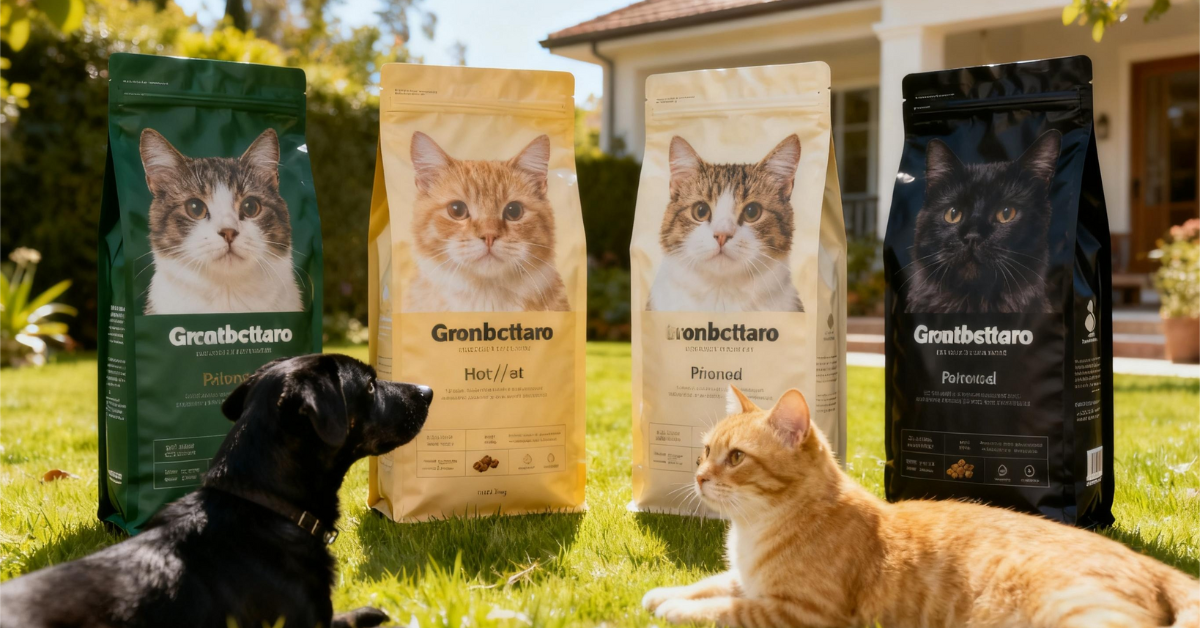
Color selection in pet food packaging plays a fundamental role in establishing brand identity and triggering specific emotional responses from consumers. Premium pet food brands often utilize sophisticated color palettes featuring deep blues, rich purples, or elegant metallics to convey quality and trustworthiness. These colors subconsciously communicate reliability and premium positioning, encouraging pet owners to associate the product with superior nutrition and care for their beloved animals.
Natural and organic pet food brands typically embrace earth tones, greens, and browns to emphasize their commitment to wholesome ingredients and environmental responsibility. The strategic use of color in pet food packaging creates immediate brand recognition, allowing consumers to quickly identify their preferred products even from a distance. This visual consistency across product lines reinforces brand memory and encourages repeat purchases, making color choice a critical component of successful branding strategy.
Bright, vibrant colors often appeal to pet owners seeking playful, energetic associations with their pets' food, particularly for products targeting active or younger animals. The psychological impact of color extends beyond mere aesthetics, influencing perceived value, product quality, and brand trustworthiness in ways that directly affect purchasing decisions and long-term brand loyalty.
Typography and Messaging Hierarchy
Typography choices in pet food packaging design communicate brand personality while ensuring clear information hierarchy and readability. Bold, modern fonts often suggest innovation and quality, while script or handwritten styles may convey artisanal care and natural ingredients. The font selection must balance visual appeal with practical legibility, ensuring that essential product information remains accessible to consumers of all ages and visual capabilities.
Effective pet food packaging utilizes typography to create clear messaging hierarchy, with the brand name prominently displayed, followed by product type, key benefits, and regulatory information. This strategic arrangement guides the consumer's eye through the most important information in order of relevance, maximizing the impact of limited viewing time during shopping decisions. The typography also needs to work harmoniously with graphic elements and imagery to create cohesive visual communication.
Premium pet food packaging often features refined typography that reflects sophistication and attention to detail, while value-oriented brands may choose more straightforward, practical fonts that emphasize functionality and accessibility. The consistency of typographic choices across all brand touchpoints reinforces brand recognition and professional credibility in the competitive pet food marketplace.
Functional Design Features That Enhance Consumer Experience
Convenience and Usability Considerations
Modern pet food packaging design prioritizes user-friendly features that enhance the daily experience of pet owners, creating positive brand associations through practical functionality. Resealable closures, easy-pour spouts, and ergonomic handles transform routine feeding into convenient, hassle-free activities. These functional improvements demonstrate brand commitment to customer satisfaction while differentiating products from competitors who may prioritize cost savings over user experience.
Portion control features, such as measuring guides or built-in scoops, add significant value for pet owners who want to maintain proper feeding guidelines. Pet food packaging that incorporates these thoughtful design elements communicates brand understanding of real customer needs and daily routines, fostering deeper emotional connections with consumers who appreciate practical innovation.
Storage-friendly packaging shapes and sizes accommodate various living situations, from small apartments to large households with multiple pets. The consideration of storage requirements demonstrates brand awareness of diverse customer lifestyles and helps ensure product accessibility across different market segments, ultimately expanding potential customer base and improving brand perception.
Product Protection and Freshness Preservation
Advanced barrier materials and sealing technologies in pet food packaging design protect nutritional integrity while extending shelf life, directly supporting brand promises of quality and freshness. Multi-layer films, oxygen absorbers, and moisture control systems work together to maintain product quality from manufacturing through consumption, ensuring that pets receive consistent nutrition and taste experiences that reinforce positive brand associations.
Transparent windows or viewing panels allow consumers to inspect product quality while maintaining protective barriers, building trust through visual confirmation of freshness and ingredient quality. This transparency in pet food packaging design demonstrates brand confidence in product quality while addressing consumer desires for verification and assurance about their pets' nutrition.
Temperature-resistant materials and UV protection features ensure product stability across various storage and transportation conditions, maintaining brand reputation for quality regardless of retail environment challenges. These protective elements may not be immediately visible to consumers but contribute significantly to overall product performance and customer satisfaction over time.
Emotional Connection and Brand Storytelling
Visual Storytelling Through Imagery
Strategic use of imagery in pet food packaging creates emotional narratives that resonate with pet owners' deep affection for their animals. High-quality photographs of healthy, happy pets enjoying life communicate the positive outcomes associated with the brand, while ingredient imagery emphasizes natural quality and nutritional benefits. These visual stories help consumers envision the positive impact of their purchasing decisions on their pets' wellbeing and happiness.
Lifestyle imagery that shows pets in various activities and environments helps different customer segments see their own pets reflected in the brand narrative. Whether featuring active outdoor adventures, cozy home moments, or playful interactions, the imagery choices in pet food packaging design create aspirational connections that extend beyond mere product features to encompass desired lifestyle outcomes for both pets and owners.
Authentic, relatable imagery builds trust and emotional engagement, while overly stylized or artificial visuals may create disconnect between brand messaging and consumer expectations. The balance between professional quality and genuine authenticity in pet food packaging imagery directly influences consumer perception of brand credibility and alignment with personal values.
Brand Values Communication
Pet food packaging design serves as a canvas for communicating core brand values such as sustainability, health focus, or community involvement. Eco-friendly packaging materials and recyclability symbols appeal to environmentally conscious consumers, while certifications and quality badges reinforce commitments to nutritional excellence and safety standards. These value communications help consumers align their purchasing decisions with personal beliefs and priorities.
Social responsibility messaging, such as support for animal welfare organizations or sustainable sourcing practices, creates deeper brand connections with consumers who prioritize ethical consumption. The integration of these values into pet food packaging design transforms routine purchases into meaningful expressions of consumer values and beliefs about pet care and social responsibility.
Transparency about ingredients, manufacturing processes, and company practices through packaging design elements builds trust and differentiates brands in markets where consumers increasingly demand accountability and authenticity from the companies they support. This transparency becomes particularly important in premium segments where consumers expect detailed information to justify higher price points.
Market Differentiation and Competitive Positioning
Shelf Impact and Visual Distinction
Effective pet food packaging design creates immediate visual impact that helps products stand out in crowded retail environments where dozens of competing options vie for consumer attention. Bold graphics, unique structural shapes, and strategic use of negative space can make products more visible and memorable during the critical seconds when consumers scan shelves and make purchasing decisions.
Size variations and packaging formats allow brands to occupy different shelf positions and appeal to various purchase occasions, from single-serving convenience packs to bulk family sizes. This strategic approach to pet food packaging design enables brands to capture market share across multiple consumer segments while maintaining consistent visual identity and brand recognition throughout the product line.
Premium positioning through sophisticated design elements, such as foil accents, embossed textures, or specialty printing techniques, justifies higher price points while creating perceived value that influences consumer purchasing behavior. These elevated design features communicate quality and exclusivity, appealing to pet owners who prioritize premium nutrition for their animals.
Target Audience Alignment
Understanding specific target demographics enables pet food packaging design to speak directly to intended consumers through appropriate visual language, messaging tone, and functional features. Packages targeting millennial pet owners might emphasize convenience, sustainability, and ingredient transparency, while products aimed at senior consumers may prioritize clear labeling, easy-open features, and traditional trust signals.
Regional preferences and cultural considerations influence effective pet food packaging design, particularly for brands operating in diverse geographic markets. Color associations, imagery preferences, and messaging approaches must align with local consumer expectations and cultural norms to achieve maximum market penetration and brand acceptance.
Life stage targeting through packaging design helps consumers quickly identify appropriate products for puppies, adult dogs, or senior pets, streamlining the selection process while reinforcing brand expertise in pet nutrition across different life phases. This segmentation approach enables brands to capture larger market share while providing specialized solutions that meet specific nutritional needs.
FAQ
How does packaging design influence consumer purchasing decisions for pet food?
Packaging design influences purchasing decisions through immediate visual impact, trust-building elements, and emotional connections with pet owners. Consumers typically spend only seconds evaluating options, making visual design, clear messaging, and quality cues crucial for capturing attention and communicating value. Effective pet food packaging design combines aesthetic appeal with functional benefits and brand storytelling to create compelling reasons for purchase, often serving as the primary differentiator when multiple products offer similar nutritional benefits.
What are the most important functional features in modern pet food packaging?
Critical functional features include resealable closures for freshness preservation, easy-pour spouts for convenient serving, barrier materials for nutritional protection, and ergonomic designs for comfortable handling. Storage-friendly shapes, portion control aids, and clear labeling also enhance user experience. These features demonstrate brand commitment to customer convenience while protecting product quality, ultimately supporting brand loyalty and repeat purchases through positive daily interactions with the packaging.
How can pet food brands use packaging to communicate sustainability values?
Brands communicate sustainability through recyclable materials, biodegradable components, reduced packaging waste, and clear recycling instructions. Visual elements such as earth tones, nature imagery, and sustainability certifications reinforce environmental commitments. Transparent communication about sustainable sourcing, manufacturing processes, and end-of-life packaging disposal helps environmentally conscious consumers align their purchases with personal values, creating deeper brand connections and supporting premium positioning in eco-friendly market segments.
What role does packaging size and format play in pet food branding strategy?
Package size and format enable brands to target different consumer needs, shopping behaviors, and price sensitivity levels while maintaining consistent brand identity. Small convenience packs appeal to trial purchases and travel needs, while bulk sizes attract value-conscious consumers and multi-pet households. Format variety allows brands to optimize shelf placement, capture impulse purchases, and accommodate various retail channels, ultimately expanding market reach while reinforcing brand recognition across diverse purchasing contexts and consumer segments.
Table of Contents
- Brand Identity Communication Through Visual Design Elements
- Functional Design Features That Enhance Consumer Experience
- Emotional Connection and Brand Storytelling
- Market Differentiation and Competitive Positioning
-
FAQ
- How does packaging design influence consumer purchasing decisions for pet food?
- What are the most important functional features in modern pet food packaging?
- How can pet food brands use packaging to communicate sustainability values?
- What role does packaging size and format play in pet food branding strategy?