EN
EN

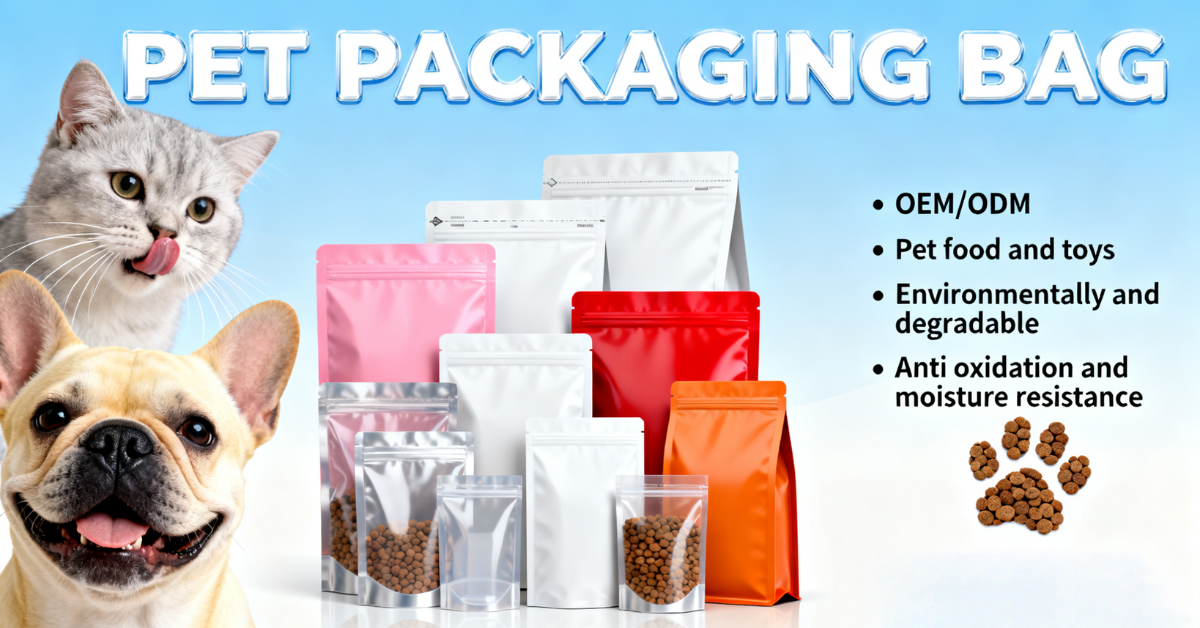
Maintaining product freshness in pet food packaging is a critical challenge that directly impacts pet health, product quality, and brand reputation. The degradation of nutritional value, flavor, and safety can occur rapidly when pet food is exposed to oxygen, moisture, light, and temperature fluctuations. Effective pet food packaging requires a comprehensive understanding of barrier properties, material selection, and preservation technologies that work together to create an optimal environment for long-term storage.
The science behind freshness preservation in pet food packaging involves creating controlled barrier systems that prevent contamination while maintaining nutritional integrity. Modern pet food packaging solutions combine multiple protective layers, specialized sealing mechanisms, and innovative materials to extend shelf life significantly. Understanding how to implement these preservation strategies effectively can transform product quality outcomes and reduce waste throughout the supply chain.
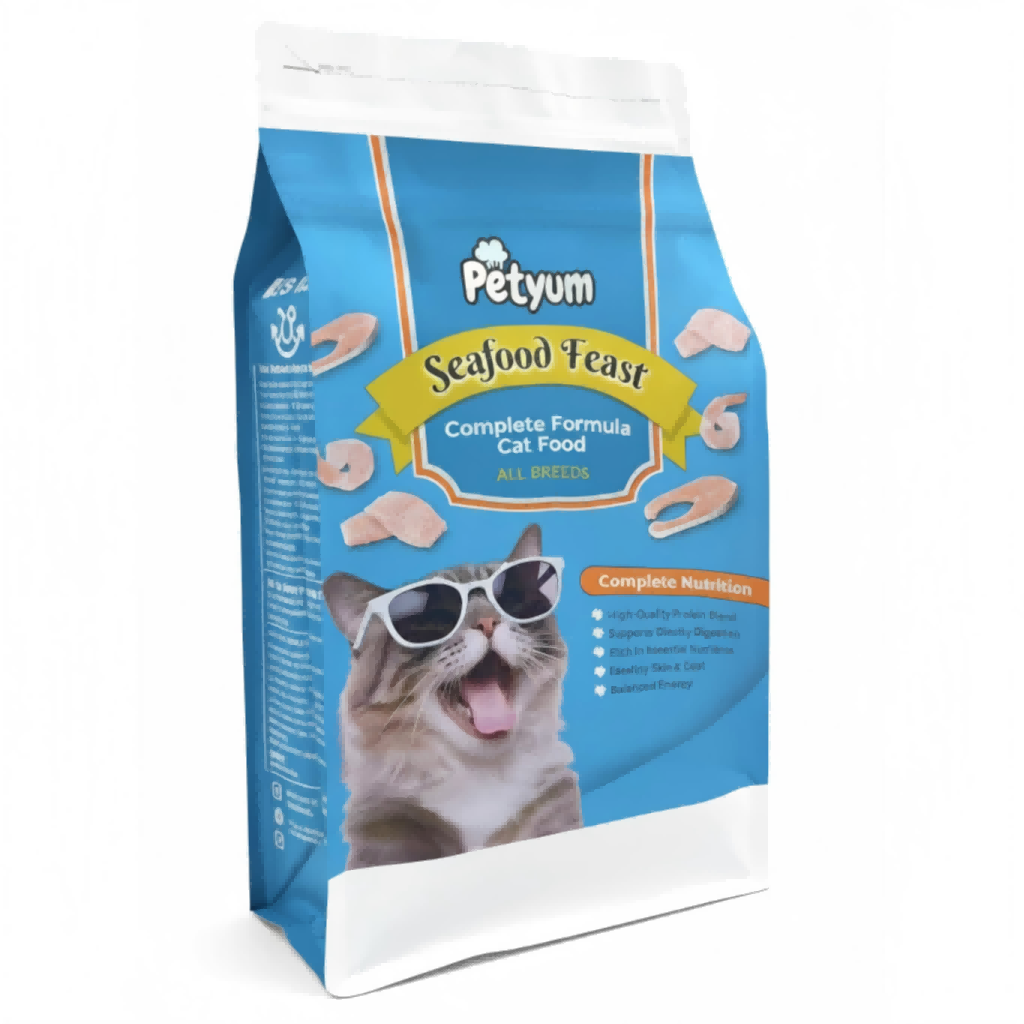
Understanding Freshness Degradation Factors
Oxygen Exposure and Oxidation Prevention
Oxygen exposure represents the primary threat to freshness in pet food packaging, causing rancidity in fats and oils while degrading essential vitamins and nutrients. The oxidation process begins immediately upon exposure, creating off-flavors and reducing nutritional value that pets can detect through their heightened sense of smell. Effective pet food packaging must incorporate oxygen barrier materials such as aluminum foil layers or specialized polymer films that prevent atmospheric oxygen from penetrating the package interior.
Advanced oxygen scavenger systems can be integrated into pet food packaging designs to actively remove residual oxygen that may be trapped during the sealing process. These systems work continuously throughout the product's shelf life, maintaining an oxygen-free environment that preserves flavor profiles and nutritional content. The selection of appropriate oxygen barrier technologies depends on the specific formulation of the pet food and the intended storage duration.
Temperature control during storage and distribution also plays a crucial role in managing oxidation rates within pet food packaging. Higher temperatures accelerate chemical reactions that lead to freshness degradation, making it essential to design packaging systems that can maintain product integrity across varying environmental conditions.
Moisture Control and Water Activity Management
Moisture infiltration poses significant risks to freshness preservation in pet food packaging, promoting microbial growth, texture deterioration, and nutrient degradation. The water activity level within pet food packaging must be carefully controlled to prevent bacterial and fungal contamination while maintaining the desired texture characteristics. Specialized moisture barrier films and desiccant systems work together to create optimal humidity conditions inside the package.
Multi-layer pet food packaging structures typically incorporate moisture-resistant materials such as polyethylene or specialized barrier coatings that prevent water vapor transmission from external environments. The effectiveness of moisture control depends on the integrity of seal systems and the permeability characteristics of the packaging materials selected. Regular monitoring of water activity levels helps ensure that moisture control systems are functioning properly throughout the distribution cycle.
Climate considerations become particularly important for pet food packaging destined for humid environments or extended storage periods. Advanced moisture control systems may include active desiccant technologies that continuously absorb excess humidity, maintaining optimal conditions for freshness preservation even under challenging environmental conditions.
Material Selection for Optimal Barrier Properties
Aluminum Foil Integration and Benefits
Aluminum foil represents one of the most effective barrier materials available for pet food packaging, providing exceptional protection against oxygen, moisture, and light penetration. The metallic structure of aluminum creates an impermeable barrier that maintains product freshness far longer than standard plastic films alone. When properly integrated into pet food packaging designs, aluminum foil layers can extend shelf life by months while preserving nutritional integrity and palatability.
The lamination process for incorporating aluminum foil into pet food packaging requires precise temperature and pressure controls to ensure proper adhesion without compromising barrier properties. Multiple lamination layers can be combined to create custom barrier profiles that address specific preservation requirements for different pet food formulations. The flexibility of aluminum foil allows for complex package shapes while maintaining excellent seal integrity.
Cost considerations for aluminum foil integration in pet food packaging must be balanced against the significant freshness preservation benefits and reduced product waste. Premium pet food brands often justify the additional material costs through improved product quality and extended shelf life capabilities that aluminum foil barrier systems provide.
Specialized Polymer Films and Coatings
Advanced polymer films offer versatile solutions for pet food packaging freshness preservation through engineered barrier properties and specialized surface treatments. Ethylene vinyl alcohol (EVOH) copolymers provide exceptional oxygen barrier performance while maintaining transparency for visual product inspection. These materials can be combined with other polymer layers to create customized barrier profiles that address specific freshness preservation requirements.
Metalized polymer films combine the barrier benefits of metallic surfaces with the flexibility and processing advantages of plastic materials in pet food packaging applications. These films offer significant cost advantages compared to aluminum foil while still providing excellent protection against oxygen and moisture infiltration. The metallization process creates a thin aluminum layer that maintains barrier properties while allowing for enhanced graphics and branding opportunities.
Surface coating technologies enable the modification of standard polymer films to enhance barrier properties specifically for pet food packaging requirements. These coatings can be applied during the film manufacturing process or as post-processing treatments, allowing for customized barrier performance without requiring complete material substitution.
Sealing Technologies and Closure Systems
Heat Sealing Optimization Techniques
Heat sealing represents the most critical component in maintaining freshness within pet food packaging, as even microscopic seal failures can compromise barrier integrity and lead to rapid product deterioration. The optimization of heat sealing parameters including temperature, pressure, and dwell time must be precisely calibrated for each specific material combination used in the packaging structure. Proper heat sealing creates hermetic seals that prevent atmospheric contamination while maintaining package integrity under normal handling conditions.
Advanced heat sealing technologies for pet food packaging incorporate temperature profiling systems that ensure consistent seal quality across the entire package perimeter. Variable heat distribution can accommodate different material thicknesses and barrier layer configurations without compromising seal strength or barrier properties. The selection of appropriate sealing temperatures prevents material degradation while ensuring adequate bond formation between packaging layers.
Seal testing protocols are essential for validating heat sealing performance in pet food packaging applications, including burst strength testing, peel strength evaluation, and leak detection procedures. These quality control measures help identify potential seal failures before product distribution, preventing freshness degradation issues that could impact product quality and brand reputation.
Resealable Closure Integration
Resealable closure systems play a vital role in maintaining freshness for pet food packaging after initial opening, allowing consumers to preserve product quality throughout the consumption period. Zip-lock mechanisms, pressure-sensitive adhesive strips, and mechanical closure systems each offer different advantages for specific pet food packaging applications. The selection of appropriate resealable technologies depends on package size, consumer convenience requirements, and freshness preservation objectives.
The integration of resealable closures into pet food packaging designs requires careful consideration of material compatibility and seal integrity maintenance. Closure systems must maintain effective barrier properties while providing easy consumer access and reliable resealing performance throughout multiple open-close cycles. Advanced closure technologies incorporate enhanced sealing surfaces that maintain effectiveness even when exposed to product residues or external contaminants.
Testing protocols for resealable closure systems in pet food packaging applications include repeated open-close cycling, seal strength evaluation under various environmental conditions, and long-term barrier property assessment. These validation procedures ensure that closure systems maintain freshness preservation effectiveness throughout the intended product use period.
Environmental Control and Storage Optimization
Temperature Management Strategies
Temperature control throughout the distribution and storage chain significantly impacts freshness preservation effectiveness in pet food packaging systems. Elevated temperatures accelerate chemical degradation processes, reducing the effectiveness of barrier materials and preservation technologies. Optimal storage temperature ranges vary depending on pet food formulation, but generally maintaining temperatures below 80°F helps preserve nutritional integrity and extend shelf life significantly.
Cold chain management for premium pet food packaging may require specialized temperature monitoring and control systems throughout distribution networks. These systems help ensure that temperature-sensitive products maintain optimal conditions from manufacturing through consumer purchase. The integration of temperature indicators on pet food packaging provides visible confirmation that products have been stored within acceptable temperature ranges.
Thermal shock protection becomes important for pet food packaging exposed to rapid temperature changes during transportation and storage. Package designs must accommodate thermal expansion and contraction without compromising seal integrity or barrier properties. Advanced packaging materials can provide thermal buffering effects that help minimize temperature fluctuations within the package interior.
Light Protection and UV Barrier Systems
Light exposure, particularly ultraviolet radiation, can cause significant freshness degradation in pet food packaging through vitamin destruction and fat oxidation acceleration. Opaque packaging materials or specialized UV barrier films help protect light-sensitive nutrients and prevent flavor deterioration that can occur with extended light exposure. The selection of appropriate light barrier technologies depends on product visibility requirements and storage environment considerations.
Colored packaging materials can provide selective light filtering that protects sensitive components while maintaining package aesthetics and brand recognition. Dark-colored films and foils offer excellent light barrier properties but may limit visual product inspection capabilities. Transparent packages with UV barrier coatings provide protection while maintaining product visibility for consumer evaluation.
Storage facility lighting can be optimized to minimize freshness degradation in pet food packaging while maintaining adequate visibility for handling and inventory management. LED lighting systems with reduced UV output help minimize light-induced degradation while providing energy-efficient illumination for storage and retail environments.
Quality Control and Monitoring Systems
Freshness Indicator Technologies
Advanced freshness indicator technologies provide real-time monitoring capabilities for pet food packaging, allowing for immediate identification of freshness degradation before it becomes apparent through traditional sensory evaluation. Time-temperature indicators change color or appearance based on cumulative exposure conditions, providing visual confirmation that products have been stored within acceptable parameters. These systems help validate the effectiveness of preservation strategies and identify potential issues in the distribution chain.
Oxygen indicator systems can be integrated into pet food packaging designs to monitor barrier integrity and identify potential seal failures that could compromise freshness preservation. These indicators provide immediate visual feedback when oxygen levels exceed acceptable thresholds, allowing for rapid identification and removal of compromised products before they reach consumers.
Smart packaging technologies incorporating electronic sensors and wireless communication capabilities enable continuous monitoring of environmental conditions within pet food packaging throughout the distribution chain. These systems provide detailed data on temperature, humidity, and other factors that impact freshness preservation, enabling proactive quality management and supply chain optimization.
Shelf Life Validation and Testing Protocols
Comprehensive shelf life validation programs are essential for confirming the effectiveness of freshness preservation strategies in pet food packaging applications. Accelerated aging studies using elevated temperature and humidity conditions help predict long-term storage performance and identify potential failure modes before products reach market. These testing protocols must account for the specific preservation technologies and materials used in each packaging design.
Real-time shelf life studies provide the most accurate assessment of freshness preservation performance but require extended time periods to generate meaningful data. These studies involve regular sampling and analysis of packaged products under normal storage conditions, measuring changes in nutritional content, palatability, and microbial safety throughout the intended shelf life period.
Statistical analysis of shelf life data helps establish appropriate expiration dates and storage recommendations that ensure product quality throughout the distribution cycle. The integration of multiple testing parameters including chemical analysis, sensory evaluation, and microbial assessment provides comprehensive validation of freshness preservation effectiveness in pet food packaging systems.
FAQ
How long can properly packaged pet food maintain freshness?
Properly designed pet food packaging with effective barrier materials and sealing systems can maintain freshness for 12-18 months for dry kibble and 2-3 years for canned products when stored under optimal conditions. The actual shelf life depends on the specific formulation, packaging materials used, and storage environment conditions throughout the distribution chain.
What are the most critical factors that compromise freshness in pet food packaging?
Oxygen exposure represents the primary threat to freshness, followed by moisture infiltration, temperature fluctuations, and light exposure. Poor seal integrity is often the root cause of freshness degradation, as it allows these environmental factors to penetrate the package and accelerate deterioration processes.
Can resealable packaging maintain the same level of freshness as permanently sealed packages?
High-quality resealable pet food packaging systems can maintain excellent freshness preservation when properly designed and used correctly by consumers. However, the effectiveness depends on the consumer consistently resealing the package after each use and the quality of the resealable closure system integrated into the package design.
How do I know if my pet food packaging is effectively preserving freshness?
Effective freshness preservation in pet food packaging is indicated by maintained aroma, consistent texture, absence of rancid odors, and continued pet acceptance of the food. Visual indicators such as unchanged color and absence of mold growth also confirm that preservation systems are functioning properly throughout the storage period.
Table of Contents
- Understanding Freshness Degradation Factors
- Material Selection for Optimal Barrier Properties
- Sealing Technologies and Closure Systems
- Environmental Control and Storage Optimization
- Quality Control and Monitoring Systems
-
FAQ
- How long can properly packaged pet food maintain freshness?
- What are the most critical factors that compromise freshness in pet food packaging?
- Can resealable packaging maintain the same level of freshness as permanently sealed packages?
- How do I know if my pet food packaging is effectively preserving freshness?