EN
EN

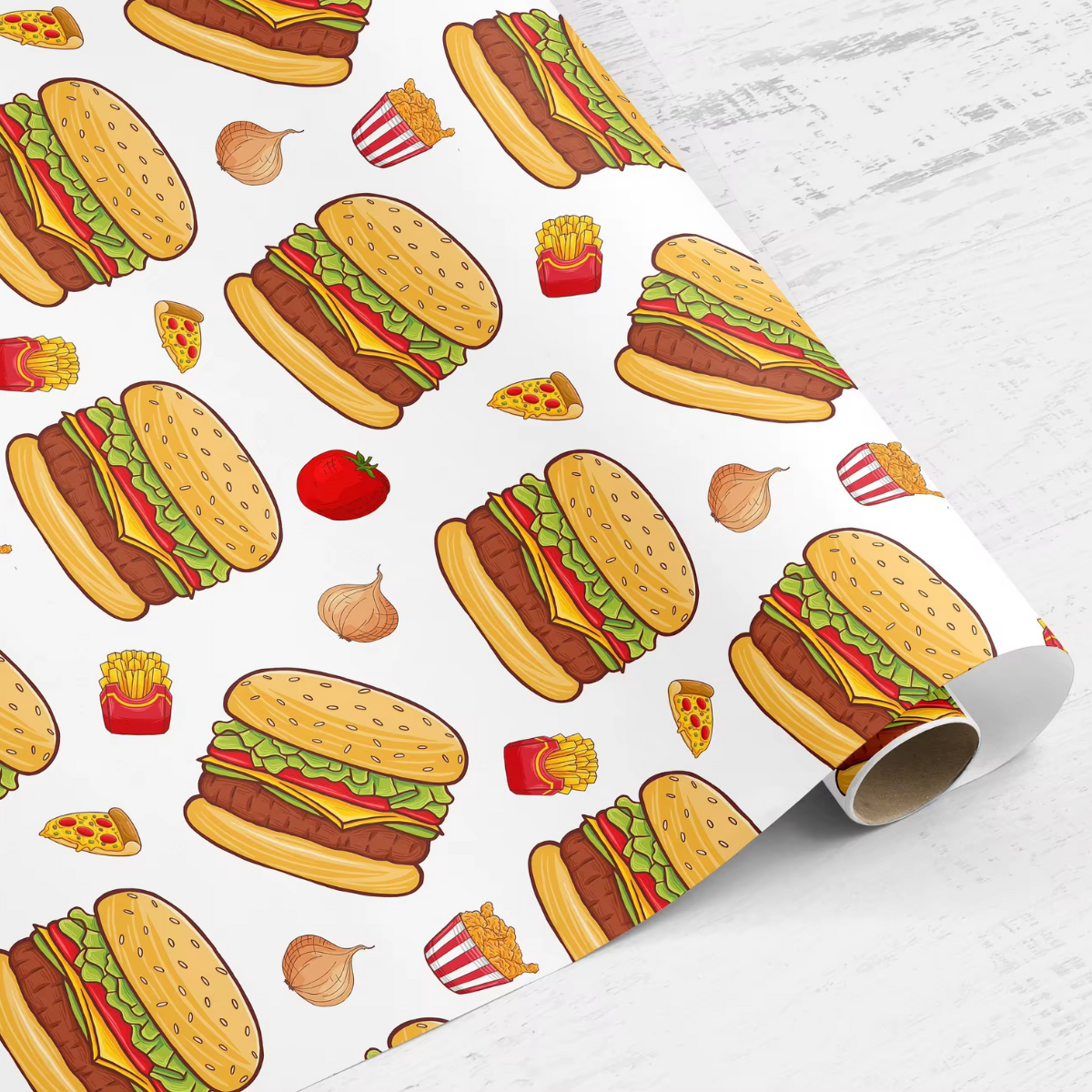
In high-volume food service environments, packaging is far more than a cosmetic choice — it directly affects product integrity, customer experience, and operational efficiency. For fast-food chains and bakeries alike, one packaging solution has consistently proven its worth: greaseproof wrappers. These purpose-engineered materials are designed to handle the demanding realities of oily, moist, and heat-generating food products without breaking down, leaking, or compromising presentation. Understanding why greaseproof wrappers have become a staple in these industries requires looking closely at the science behind their construction, the operational problems they solve, and the tangible benefits they deliver.
The food packaging industry has evolved significantly, but the fundamental challenge for fast-food operators and bakers remains unchanged: how do you maintain food quality from the point of preparation through to the customer's hands? greaseproof wrappers answer this question with a combination of material science and practical design. Whether wrapping a freshly assembled burger, a flaky croissant, or a generously filled sandwich, these wrappers prevent grease migration, retain moisture balance, and keep food looking appetizing until the moment it is consumed. This article explores the specific reasons why greaseproof wrappers are the ideal solution for fast-food chains and bakeries.
The Core Challenge: Why Standard Packaging Fails Greasy and Baked Foods
Grease Migration and Structural Breakdown
Many conventional paper or cardboard packaging materials are not engineered to resist the penetrating nature of food-grade fats and oils. When grease migrates through packaging, it creates visible stains, weakens the structural integrity of the wrapper, and exposes the food product to environmental contaminants. This is a particularly acute problem in fast-food environments where items like fried chicken, beef patties, and cheese-laden sandwiches release significant amounts of grease during and after preparation.
Standard packaging simply cannot hold up to these conditions. Within minutes, a regular paper wrapper can become soggy, translucent, and prone to tearing. This not only creates a negative sensory experience for the customer but also raises hygiene concerns. The hands-on nature of fast food means customers interact directly with the wrapper, and a grease-soaked package undermines confidence in the product. Greaseproof wrappers are engineered specifically to prevent this chain reaction from occurring.
The issue is equally relevant in bakeries, where butter-rich pastries, glazed doughnuts, and filled croissants create constant grease challenges. Packaging that cannot contain these fats quickly degrades and fails to protect the product during display, transport, or customer handling. This is precisely the gap that greaseproof wrappers fill with measurable effectiveness.
Moisture and Temperature Sensitivity
Beyond grease, food packaging must also manage moisture and temperature variables. Hot foods generate steam that condenses on cold wrapper surfaces, while baked goods carry internal moisture that softens unsuitable packaging materials over time. Greaseproof wrappers, especially those with PE coating or similar barrier technology, provide resistance to both moisture and grease simultaneously, making them a dual-function solution for demanding food applications.
For fast-food chains managing high turnover and tight service windows, packaging that degrades quickly under heat or moisture creates operational inefficiencies. Workers may need to double-wrap products, customers may complain about soggy packaging, and brand perception suffers. Greaseproof wrappers eliminate these variables by maintaining their structural and barrier properties even under thermal stress, keeping the product presentation intact from kitchen to customer.
Why Greaseproof Wrappers Are Engineered for Fast-Food Precision
Barrier Technology Suited to High-Fat Menu Items
Fast-food menus are built around items with high fat content: burgers, fried foods, cheesy wraps, and loaded sandwiches. These items require a wrapper that can act as an effective barrier without adding bulk or stiffness that interferes with the eating experience. Greaseproof wrappers achieve this through specialized coatings — such as single-sided PE coatings — that create a tight, invisible barrier against oil and grease penetration while preserving the lightweight, flexible character of the wrapper.
This barrier technology means that grease stays contained within the food, not absorbed into the packaging. The outer surface of the wrapper remains clean and dry, making it comfortable to hold and visually appealing. For fast-food chains that serve hundreds or thousands of customers per day, this consistency in packaging performance is not a luxury — it is a fundamental quality standard that greaseproof wrappers reliably deliver.
From a supply chain perspective, greaseproof wrappers also perform better under storage conditions. Unlike untreated paper that can absorb ambient moisture or fats from nearby products, these wrappers maintain their properties over time, reducing waste and ensuring that every unit used meets the same performance standard from the first wrapper in a box to the last.
Custom Print Capability for Brand Identity
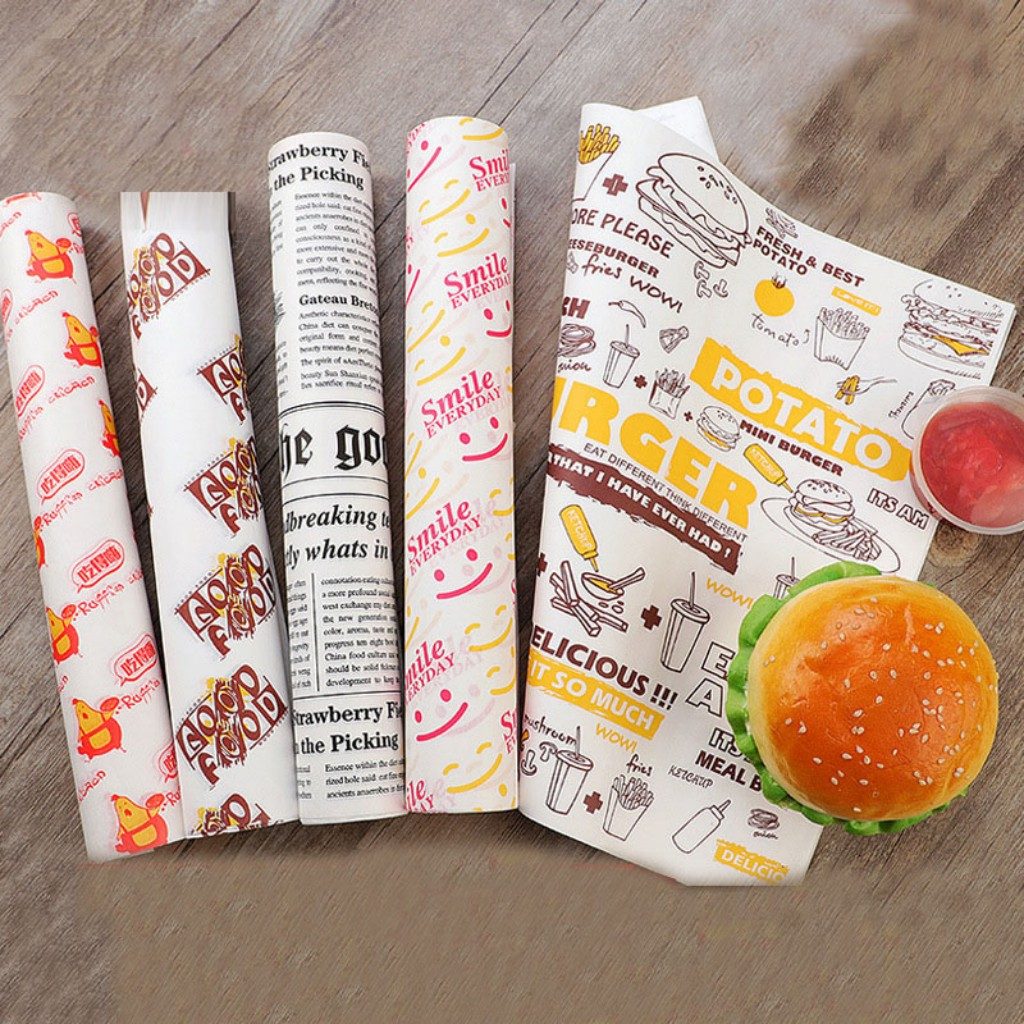
Fast-food chains invest heavily in brand identity, and packaging is one of the most direct brand touchpoints a customer encounters. Greaseproof wrappers support high-quality printing, allowing chains to display logos, promotional messaging, nutritional information, and design elements that reinforce brand recognition. This combination of functional grease resistance and print quality makes greaseproof wrappers uniquely valuable compared to plain or minimally treated alternatives.
The ability to print on greaseproof wrappers without sacrificing barrier performance means that fast-food operators do not have to choose between aesthetics and functionality. A well-branded burger wrapper that also keeps the product looking and tasting fresh is a significant asset in competitive quick-service markets. Greaseproof wrappers deliver on both fronts simultaneously, which is a key reason for their widespread adoption across the industry.
Why Bakeries Rely on Greaseproof Wrappers for Product Quality
Protecting the Integrity of Baked Goods During Display and Transport
Bakeries face a slightly different but equally demanding set of packaging challenges. Unlike fast food, baked products are often displayed for extended periods before being purchased. During this time, the packaging must maintain its appearance, prevent grease from butter-based fillings and glazes from staining display surfaces, and keep the product fresh. Greaseproof wrappers address all three of these requirements, making them indispensable to professional bakery operations.
For items like croissants, pain au chocolat, and filled pastries, greaseproof wrappers prevent the buttery fats from soaking through and creating messy, unappetizing presentation. This matters enormously in retail bakery settings where visual appeal directly drives purchasing decisions. A product that looks clean, well-packaged, and professionally presented commands a premium and encourages repeat purchase. Greaseproof wrappers contribute directly to this elevated presentation standard.
Transport is another critical factor for bakeries supplying wholesale accounts, restaurants, or catering operations. Greaseproof wrappers protect baked goods during movement, preventing grease transfer between adjacent items and maintaining shape and coating integrity. This makes greaseproof wrappers a practical investment that protects product quality throughout the full distribution chain, not just at the point of sale.
Compatibility with Artisan and Specialty Baking
Artisan bakeries working with high-butter laminated doughs, enriched breads, or specialty filled pastries need packaging that complements their craft rather than undermining it. Greaseproof wrappers provide the clean, neutral barrier that allows these products to be wrapped, stored, and delivered without compromising their texture, flavor profile, or visual appeal. The wrapper becomes an invisible support system rather than a visible packaging problem.
Moreover, bakeries that sell directly to customers expect their packaging to enhance the gifting or retail experience. A freshly baked croissant wrapped in clean, grease-free packaging with attractive printed branding tells a story of quality and care. Greaseproof wrappers make this possible by ensuring that no matter how buttery or rich the product is, the outside of the package remains presentable and tactilely pleasant for the end customer.
Operational and Sustainability Advantages of Greaseproof Wrappers
Reducing Waste and Improving Workflow Efficiency
In high-volume environments like fast-food kitchens and commercial bakeries, packaging efficiency directly impacts labor costs and throughput. Greaseproof wrappers are designed to be easy to handle, fold, and apply quickly — even in fast-paced assembly line conditions. Their resistance to tearing and deformation means workers can wrap products confidently without needing to double-layer or reinforce the packaging. This single-wrap reliability reduces material waste and speeds up the wrapping process.
From an inventory management perspective, greaseproof wrappers have a long and stable shelf life. Their barrier properties prevent them from absorbing moisture or odors from storage environments, ensuring consistent performance regardless of how long they sit in a storeroom. This stability reduces stock rotation complexity and lowers the risk of packaging degradation causing quality failures on the line.
Sustainable Material Options Meeting Modern Standards
As sustainability becomes an increasingly important consideration for food service businesses, greaseproof wrappers have evolved to meet these expectations. Many modern greaseproof wrappers are made from responsibly sourced pulp materials and designed with recyclability or compostability in mind. This allows fast-food chains and bakeries to benefit from grease resistance performance while also demonstrating commitment to environmental responsibility — a growing priority among consumers and regulatory bodies alike.
The shift toward greaseproof wrappers that align with sustainability standards does not require sacrificing performance. Advances in coating technology mean that barrier properties can be achieved with thinner, lighter material layers that still deliver the grease and moisture resistance the industry demands. For businesses seeking to reduce their environmental footprint without compromising product quality, greaseproof wrappers represent a balanced and practical solution.
Fast-food chains operating across multiple locations also benefit from the standardization that greaseproof wrappers enable. A consistent packaging specification across all outlets ensures uniform brand presentation, predictable material performance, and simplified procurement. This scalability is a major reason why greaseproof wrappers have become a standard specification in multi-unit food service operations worldwide.
FAQ
What makes greaseproof wrappers different from standard food-grade paper?
Standard food-grade paper has limited resistance to oils and fats, meaning grease can quickly penetrate and weaken the material. Greaseproof wrappers are manufactured with specialized coatings or treated pulp that create a dense barrier preventing oil migration. This structural difference makes greaseproof wrappers far more effective for high-fat food items found in fast-food and bakery settings, where packaging integrity directly affects product quality and customer experience.
Can greaseproof wrappers be printed with custom branding?
Yes, greaseproof wrappers are compatible with commercial printing processes, allowing businesses to apply logos, branding elements, product information, and promotional graphics. The print quality remains sharp and professional even with grease-resistant coatings in place. This makes greaseproof wrappers an effective dual-purpose solution that serves both functional packaging and brand communication roles simultaneously.
Are greaseproof wrappers suitable for hot food items?
Greaseproof wrappers are specifically designed to perform under thermal conditions typical of freshly prepared hot food. Their barrier coatings resist grease even when the fat content becomes more fluid due to heat, and they maintain structural integrity under the steam and moisture that hot food generates. This makes greaseproof wrappers well-suited for burgers, fried items, and hot pastries in fast-food and bakery applications.
How do greaseproof wrappers contribute to sustainability goals?
Modern greaseproof wrappers are increasingly produced from responsibly sourced pulp with coatings designed for recyclability or compostability. Businesses can select greaseproof wrappers that meet specific environmental certifications while still achieving the grease and moisture barrier performance their operations require. This makes it possible to align packaging procurement with corporate sustainability commitments without compromising on practical performance standards.