EN
EN

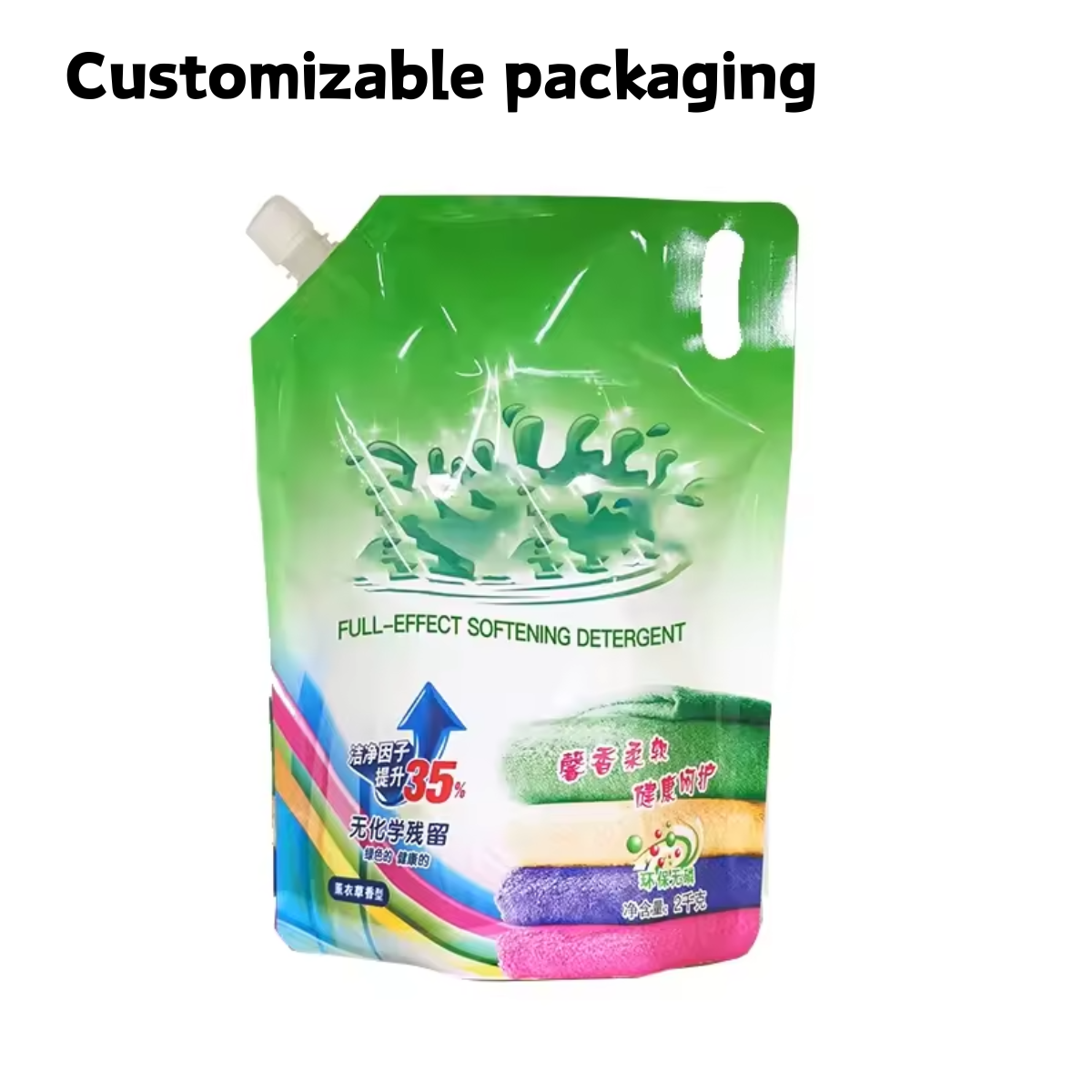
Stand-up pouches are becoming an important packaging solution for food manufacturers, beverage companies, personal care brands, household product suppliers, and private-label businesses. Their flexible structure, attractive shelf presentation, efficient storage, and wide range of customization options make them suitable for many modern packaging applications.
Unlike traditional rigid containers, stand-up pouches combine lightweight materials with practical functionality. They can be designed with zippers, spouts, tear notches, windows, handles, and high-barrier films. These features allow businesses to develop packaging that meets product protection requirements while improving convenience and brand presentation.
For B2B buyers, stand-up pouches are not simply a replacement for bottles, jars, or cans. They represent a broader change in how companies approach packaging design, logistics, sustainability, and customer experience.
1. Stand-Up Pouches Improve Packaging Efficiency
One of the main reasons stand-up pouches are gaining popularity is their efficient use of materials and storage space.
Rigid containers often require more material to maintain their shape. They may also occupy significant space during transportation and warehouse storage, even before they are filled. Flexible stand-up pouches can be stored flat before filling, which may help reduce storage requirements for packaging materials.
For manufacturers and distributors, packaging efficiency can influence:
- Warehouse space
- Transportation costs
- Carton utilization
- Pallet loading
- Packaging material consumption
- Production-line efficiency
After filling, the stand-up structure allows the pouch to remain upright on shelves or display counters. This creates a balance between flexible packaging efficiency and the visual stability of rigid packaging.
For large-scale procurement, buyers should evaluate the entire packaging process rather than only the cost per pouch.
2. They Offer Strong Brand Visibility
Packaging is one of the most important communication tools for consumer products. Stand-up pouches provide a broad printable surface that allows brands to communicate product information and create a recognizable visual identity.
Businesses can customize pouches with:
- Brand logos
- Product names
- Product images
- Ingredients
- Nutrition information
- Usage instructions
- Storage instructions
- Barcodes
- QR codes
- Brand stories
- Product certifications
- Multi-language information
The front panel can be used for strong visual branding, while the back panel can provide technical and regulatory information.
Stand-up pouches also support different surface finishes, including:
- Matte finish
- Gloss finish
- Soft-touch finish
- Metallic effect
- Transparent window
- Spot coating
- Foil details
- Special printing effects
For brands with multiple products, a consistent pouch design can help customers identify the product family while using different colors or images to distinguish flavors, sizes, and product categories.
3. Flexible Packaging Supports Product Protection
Modern stand-up pouches can be developed with multilayer materials that provide different levels of protection. The appropriate structure depends on the product, storage conditions, distribution route, and expected shelf-life target.
Depending on the application, the packaging may need protection against:
- Oxygen
- Moisture
- Light
- Odor
- Grease
- External contamination
- Puncture
- Leakage
Food products such as snacks, coffee, dried fruit, sauces, and pet food may require different barrier properties.
For example, dry snacks may need moisture protection to maintain crispness. Coffee may require oxygen and aroma protection. Liquid products may need a stronger sealing structure and suitable resistance to leakage.
Common material combinations may include polyethylene, polyester, polyamide, metallized films, aluminum foil laminates, and other food-contact materials. The final structure should be selected according to the product’s technical requirements.
A packaging supplier should provide clear information about:
- Material structure
- Film thickness
- Barrier performance
- Sealing layer
- Temperature range
- Puncture resistance
- Recommended applications
4. Stand-Up Pouches Improve Consumer Convenience
Convenience is another major factor driving the growth of stand-up pouches. The format can be customized to make opening, storing, dispensing, and transporting products easier.
Common convenience features include:
Resealable Zippers
Zippers are useful for products that may not be consumed in one sitting. They are commonly used for snacks, nuts, dried fruit, pet treats, coffee, and powdered products.
Tear Notches
Tear notches make pouches easier to open without scissors or other tools.
Spouts
Spouted pouches may be suitable for sauces, beverages, baby food, liquid seasonings, and other semi-liquid products.
Handles
Handles can make larger or heavier pouches easier to carry. They may be useful for household products, pet food, and bulk food packaging.
Transparent Windows
A transparent window allows customers to see the product. This may be helpful for snacks, grains, dried fruit, and other products where appearance supports purchasing decisions.
Each feature affects production cost, material structure, sealing performance, and minimum order quantity. Businesses should select features according to actual product requirements rather than adding unnecessary components.
5. They Support Different Product Categories
Stand-up pouches are highly adaptable and can be used across multiple industries.
Food and Snacks
Applications include:
- Potato chips
- Crackers
- Cookies
- Nuts
- Dried fruit
- Candy
- Granola
- Rice
- Pasta
- Coffee
- Tea
- Powdered food
- Frozen food
Sauces and Liquid Products
Spouted stand-up pouches can be used for:
- Cooking sauces
- Juice
- Beverage concentrates
- Syrups
- Seasonings
- Baby food
- Liquid ingredients
Pet Food
Stand-up pouches can be customized for:
- Pet treats
- Dry pet food
- Wet pet food
- Supplement powders
- Specialty pet products
Household and Personal Care Products
Other applications may include:
- Laundry products
- Cleaning liquids
- Shampoo
- Body wash
- Bath products
- Garden products
- Personal care refills
The material structure, closure, seal, and barrier performance should always be matched with the product category.
6. Stand-Up Pouches Improve Transportation and Storage
Flexible pouches can provide advantages during transportation because they may weigh less than many rigid packaging formats. Their shape can also be optimized for carton packing and pallet loading.
Potential logistics benefits include:
- Lower packaging weight
- Better use of carton space
- Easier warehouse handling
- Reduced empty packaging volume
- Efficient product stacking
- Flexible package sizes
- Easier private-label customization
However, actual logistics performance depends on the pouch format, fill weight, product density, carton design, and transportation conditions.
For fragile products, the pouch may need additional protection during shipping. For liquid products, leak resistance and seal integrity are especially important.
B2B buyers should test the complete packed product, including the pouch, carton, pallet, and transportation process.
7. They Enable Flexible Product Sizes
Stand-up pouches can be produced in different sizes for different sales channels and customer groups.
Businesses may develop:
- Trial-size pouches
- Single-serving pouches
- Standard retail sizes
- Family-size pouches
- Foodservice packs
- Bulk pouches
- Subscription packages
- Promotional multipacks
Different sizes allow brands to serve supermarkets, convenience stores, online platforms, foodservice distributors, and wholesale customers.
For large product portfolios, a consistent pouch format can simplify brand management. The company may use the same visual design while changing dimensions, colors, product information, and filling weights.
Correct sizing is important because an oversized pouch may increase material waste, while an undersized pouch may cause filling and sealing problems.
8. Stand-Up Pouches Support Private-Label and OEM Projects
Private-label and OEM customers often require packaging that reflects their own brand identity. Stand-up pouches are suitable for these projects because they offer a wide range of design and structure options.
A private-label project may involve:
- Custom pouch size
- Custom material structure
- Custom printing
- Custom color system
- Product-specific barrier performance
- Zipper or spout
- Matte or gloss finish
- Multiple language versions
- Barcode and QR code
- Different product sizes
- Seasonal artwork
For B2B procurement, the supplier should be able to manage multiple designs and maintain consistency across production batches.
Before mass production, the buyer should approve:
- Final artwork
- Material specification
- Dimensions
- Printing colors
- Functional features
- Seal position
- Product loading
- Carton packing
- Quantity per SKU
A clear specification sheet can reduce communication errors and production delays.
9. They Create Opportunities for Sustainable Packaging
Sustainability is influencing packaging decisions across many industries. Stand-up pouches may support material reduction and efficient transportation, but their environmental performance depends on the complete packaging structure and local waste-management system.
Potential approaches include:
- Lightweight packaging
- Reduced material use
- Optimized pouch dimensions
- Recyclable structures where suitable
- Reduced production waste
- Efficient carton packing
- Improved transportation efficiency
- Refillable packaging systems
Businesses should not assume that every flexible pouch is automatically recyclable or sustainable. Multilayer structures may be difficult to recycle in some markets, especially when different materials are combined.
When developing a more sustainable pouch, buyers should evaluate:
- Local recycling infrastructure
- Food-contact requirements
- Product protection
- Shelf-life performance
- Material availability
- End-of-life options
- Actual environmental impact
Reducing packaging material should not cause increased food waste. A suitable solution must protect the product while balancing material use and environmental goals.
10. They Improve Production Flexibility
Stand-up pouches can be customized for different filling and sealing systems. This makes them suitable for both manual and automated production environments, provided the pouch is compatible with the equipment.
Important equipment considerations include:
- Filling method
- Product viscosity
- Powder or liquid characteristics
- Pouch opening size
- Sealing temperature
- Sealing time
- Sealing pressure
- Filling speed
- Pouch thickness
- Spout or zipper position
For high-speed operations, stable dimensions and consistent sealing performance are essential.
The packaging should be tested on the actual filling line before a large order is confirmed. A pouch that performs well during manual filling may not work efficiently on an automated line.
11. Food-Contact Compliance Is Essential
Stand-up pouches used for food and beverages must be suitable for their intended food-contact application. Compliance requirements vary according to the destination market and packaging structure.
B2B buyers may request:
- Food-contact compliance statement
- Material specification sheet
- Migration test report
- Declaration of Compliance
- Certificate of Analysis
- Batch traceability documents
- Factory audit report
- Quality management certificate
For the U.S. market, packaging components that contact food must meet applicable food-contact requirements. This may include films, adhesives, inks, coatings, and other components.
For the European market, applicable requirements may include Regulation EC 1935/2004 and Good Manufacturing Practice Regulation EC 2023/2006. Plastic materials may also be subject to Regulation EU 10/2011.
Depending on the customer, additional certifications may include:
- ISO 9001
- BRCGS Packaging Materials
- ISO 22000
- HACCP-based food safety documentation
Buyers should verify the certificate scope, issuing organization, validity period, manufacturing site, and applicable product range.
12. Common Challenges When Using Stand-Up Pouches
Although stand-up pouches offer many advantages, they also require careful design and testing.
Poor Stability
A pouch may not stand properly if the bottom structure, fill weight, or dimensions are unsuitable.
Leakage
Leakage may result from weak seals, contamination, unsuitable materials, or incorrect sealing parameters.
Puncture
Sharp products or rough handling may damage the film. Stronger material structures may be necessary.
Difficult Opening
A poorly designed tear notch or seal may make the package difficult to open.
Inconsistent Dimensions
Variations in width, height, gusset, or seal position can affect filling-line performance.
Printing Problems
Color variation, incorrect artwork, or poor registration can damage brand consistency.
These risks can be reduced through sample approval, production testing, quality inspection, and clear technical specifications.
13. Evaluate the Total Cost of Ownership
When comparing stand-up pouches with other packaging formats, businesses should consider more than the purchase price.
Total cost may include:
- Packaging unit price
- Printing setup
- Tooling or cylinder costs
- Special features
- Sample production
- Testing
- Filling efficiency
- Product loss
- Transportation
- Carton packing
- Storage
- Returns and complaints
A slightly more expensive pouch may create better value if it improves product protection, reduces leakage, increases packing efficiency, and lowers transportation costs.
For large B2B orders, procurement teams should compare the full operating cost rather than only the price per pouch.
14. Select a Reliable Packaging Manufacturer
A capable stand-up pouch manufacturer should provide technical support from design development to repeat production.
Important supplier capabilities include:
- Custom material structures
- Custom dimensions
- Multi-color printing
- Zipper and spout integration
- Barrier film development
- Sample production
- Equipment compatibility testing
- Food-contact documentation
- Quality inspection
- Batch consistency
- Export packing
- Replenishment support
Before placing an order, buyers should confirm:
- Minimum order quantity
- Production lead time
- Printing setup fees
- Sample approval process
- Material availability
- Quality tolerances
- Inspection standards
- Carton specifications
- Shipping arrangements
- After-sales service
For long-term B2B cooperation, stable quality and reliable delivery are as important as the initial quotation.
Conclusion
Stand-up pouches are transforming the packaging industry by combining flexible materials, efficient storage, strong branding potential, product protection, and consumer convenience.
They can be customized for different food, beverage, pet food, household, and personal care applications. Businesses can select different materials, sizes, closures, printing methods, barrier structures, and functional features according to their product and distribution requirements.
For manufacturers, wholesalers, private-label brands, and distributors, stand-up pouches may improve packaging efficiency, reduce logistics challenges, strengthen brand recognition, and support more flexible product development.
The most successful packaging projects begin with a clear understanding of the product, filling process, storage conditions, target market, and total supply chain. By working with an experienced packaging manufacturer and completing practical sample testing, businesses can develop stand-up pouches that provide reliable performance and long-term commercial value.
Table of Contents
- 1. Stand-Up Pouches Improve Packaging Efficiency
- 2. They Offer Strong Brand Visibility
- 3. Flexible Packaging Supports Product Protection
- 4. Stand-Up Pouches Improve Consumer Convenience
- 5. They Support Different Product Categories
- 6. Stand-Up Pouches Improve Transportation and Storage
- 7. They Enable Flexible Product Sizes
- 8. Stand-Up Pouches Support Private-Label and OEM Projects
- 9. They Create Opportunities for Sustainable Packaging
- 10. They Improve Production Flexibility
- 11. Food-Contact Compliance Is Essential
- 12. Common Challenges When Using Stand-Up Pouches
- 13. Evaluate the Total Cost of Ownership
- 14. Select a Reliable Packaging Manufacturer
- Conclusion