EN
EN

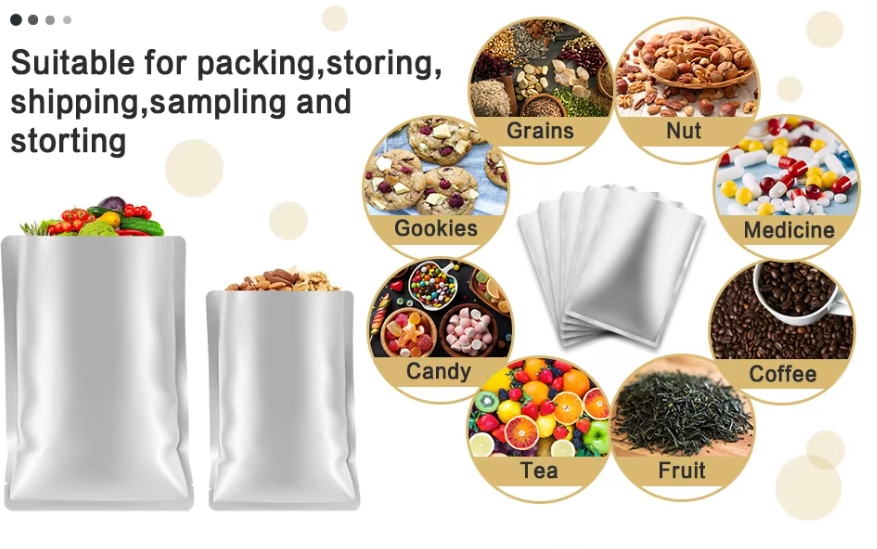
In today’s competitive food and consumer product markets, packaging plays an important role in how customers recognize and evaluate a brand. As a packaging procurement manager, I understand that choosing the right packaging is not only about protecting the product. It is also about creating a consistent brand image, supporting production efficiency, and meeting the practical requirements of distribution and retail. Vacuum packaging bags offer businesses an opportunity to combine product protection with customized visual presentation. By selecting suitable materials, bag formats, printing methods, and functional features, companies can develop packaging that reflects their brand identity while supporting their operational needs.
1. Why Custom Vacuum Packaging Bags Matter for Branding
Vacuum packaging bags are commonly used to package products such as meat, seafood, cheese, processed foods, coffee, and other products that benefit from reduced air exposure. The vacuum packaging process removes air from the package before sealing, helping reduce the amount of oxygen surrounding the product.
For businesses, the packaging serves two purposes. The first is functional: it must be suitable for the product, storage conditions, and packaging process. The second is commercial: it should communicate the brand’s identity and create a consistent appearance across different products.
Standard transparent vacuum bags may be suitable for certain applications, but businesses looking to build a recognizable brand may require customized designs. A branded vacuum pouch can include a company logo, product name, colors, product information, and other design elements.
From a procurement perspective, the goal is to find a balance between appearance, performance, and cost. A visually attractive bag is not useful if it cannot withstand the intended packaging process or does not meet the applicable food contact requirements.
2. Choose the Right Material Structure for Your Product
The material structure is one of the most important decisions when customizing vacuum packaging bags.
Vacuum bags are often manufactured using multilayer plastic films. Different layers may provide mechanical strength, flexibility, barrier performance, printability, and heat-sealing properties.
A common structure may include PET, PA, PE, or other suitable materials, depending on the application. Nylon-based structures are often used where puncture resistance and mechanical strength are important. Polyethylene may serve as a heat-sealing layer in suitable packaging designs.
However, there is no single material structure that is ideal for every product.
Consider the Product Characteristics
Before selecting a material, businesses should evaluate:
- Product type and physical characteristics
- Moisture and oxygen sensitivity
- Product temperature during packaging
- Required storage conditions
- Expected shelf life
- Puncture and abrasion risks
- Vacuum packaging equipment
- Sealing temperature and sealing requirements
For example, fresh meat and seafood may require packaging with suitable puncture resistance and reliable seals. Coffee and other aroma-sensitive products may require a different structure based on their storage and protection needs.
A packaging manufacturer should help buyers select a structure based on the intended use rather than recommending the same material for every product.
3. Customize the Bag Size and Format
Brand customization begins with the physical design of the packaging.
Businesses can often customize the dimensions and format of vacuum bags according to their product size, weight, and packaging equipment.
Common options may include:
Flat Vacuum Bags
Flat vacuum bags are suitable for many products that can be placed directly into a pouch before vacuum sealing. They can be designed in different dimensions according to the product and filling process.
Vacuum Pouches
Vacuum pouches can be customized with different dimensions, material structures, and printing designs. They may be suitable for food brands seeking a consistent packaging format across multiple product lines.
Custom Vacuum Packaging for Different Product Sizes
A business may require several bag sizes for different product weights. For example, a food brand may use separate packaging formats for small portions, family-size products, and bulk foodservice products.
Using clearly defined dimensions helps improve production consistency and reduces unnecessary packaging waste.
When discussing customization with a supplier, I would confirm the bag length, width, thickness, seal area, opening size, and filling requirements before approving production.
4. Use Custom Printing to Strengthen Brand Recognition
Custom printing is one of the most visible ways to turn vacuum packaging into a branding tool.
A well-designed bag can help customers identify a product quickly and recognize the brand across different sales channels.
Logo and Brand Identity
The company logo should be placed clearly and reproduced consistently. Brand colors, typography, and graphic elements should follow the company’s established visual identity.
For businesses with several product categories, a consistent packaging system can help create a unified appearance while allowing each product to maintain its own identity.
Product Information
Depending on the market and product category, printed packaging may include:
- Product name
- Brand logo
- Product description
- Net weight
- Storage instructions
- Preparation instructions
- Manufacturer information
- Barcode
- Applicable labeling information
The final information must comply with the requirements of the destination market and product category.
Printing Quality
When selecting a supplier, buyers should evaluate color consistency, print clarity, artwork accuracy, and resistance to handling.
The approved artwork should be confirmed before mass production. This is particularly important when a company purchases large quantities or manages multiple packaging designs.
A reliable approval process helps reduce printing errors and improves consistency across repeat orders.
5. Add Functional Features That Support Your Brand
Branding should not come at the expense of packaging performance. In many cases, functional features can improve the overall customer experience.
Transparent Windows
Some businesses may choose a transparent area to allow customers to see the product. This can be useful for selected food applications where product appearance influences purchasing decisions.
However, the design must balance visibility with the required barrier performance and packaging protection.
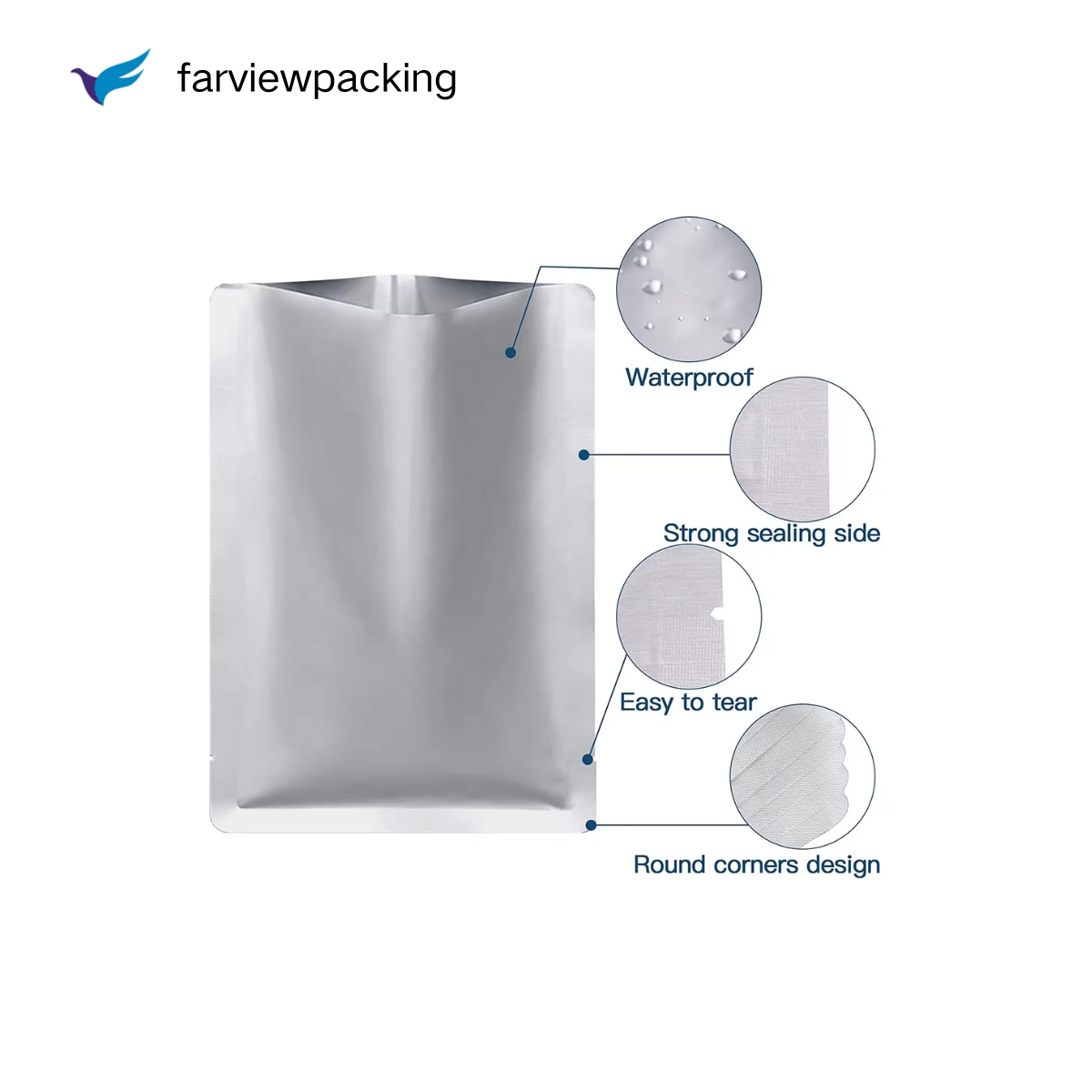
Easy-Open Features
Depending on the product and packaging structure, easy-open features may improve convenience for end users.
The feature should be evaluated carefully to ensure it does not compromise seal integrity or product protection.
Custom Sealing Areas
The sealing area should be suitable for the intended vacuum packaging process. A consistent seal is important for preventing leakage and maintaining package integrity.
Different Surface Finishes
Businesses may consider different surface finishes to create a specific visual appearance. Glossy, matte, and other finishes may be selected according to the brand’s design requirements.
The appropriate finish depends on the material structure, printing process, and intended use.
6. Common Branding Problems with Vacuum Packaging Bags
Businesses often encounter several challenges when customizing packaging.
Inconsistent Colors Between Orders
If color control is not managed properly, the same brand may appear different across different production batches.
To reduce this risk, buyers should approve a reference sample and confirm the printing specifications before production.
Poor Artwork Reproduction
Small text, detailed graphics, or incorrect artwork files may result in printing problems.
A clear artwork review process helps identify issues before printing begins.
Packaging That Does Not Match the Product
A bag may look attractive but be unsuitable for the product’s weight, shape, or packaging process.
For example, a product with sharp edges may require greater puncture resistance. A product with specific storage requirements may need a suitable barrier structure.
The solution is to evaluate the complete packaging specification rather than focusing only on design.
Unstable Sealing Performance
Vacuum packaging requires reliable sealing. If the bag structure is unsuitable for the sealing equipment, the package may not perform as expected.
The supplier should evaluate the sealing layer and confirm the packaging conditions through appropriate testing.
Incomplete Product Documentation
For food packaging, buyers may need relevant material specifications, food contact compliance documents, and test reports.
A general statement such as “food grade” is not a substitute for documentation that matches the actual packaging structure and intended use.
7. What Certificates Should Custom Vacuum Packaging Bags Have?
The required certificates and compliance documents depend on the product, packaging materials, and destination market.
For food contact vacuum packaging bags, businesses should consider the following areas.
FDA Food Contact Compliance
For packaging exported to the United States, the materials used in food contact applications must comply with applicable FDA requirements.
Depending on the material structure and intended use, the supplier may need to provide supporting documentation for the applicable regulations or other appropriate legal basis.
Buyers should confirm that the documentation relates to the actual packaging structure and intended conditions of use.
European Union Food Contact Requirements
For packaging intended for food contact in the European Union, applicable requirements include Regulation (EC) No 1935/2004.
Manufacturing processes should also follow applicable Good Manufacturing Practices under Commission Regulation (EC) No 2023/2006.
Where plastic materials are used, Regulation (EU) No 10/2011 may apply to the relevant plastic components, depending on the packaging structure and application.
The specific documentation required may include:
- Food contact compliance documentation
- Declaration of Compliance, where applicable
- Migration test reports
- Material specifications
- Traceability records
- Relevant quality management certificates
ISO 9001 and Other Management Systems
ISO 9001 may demonstrate that a supplier operates a quality management system. It can support the evaluation of manufacturing procedures, quality documentation, and continuous improvement.
Depending on the supplier and application, buyers may also consider BRCGS Packaging Materials, HACCP, or ISO 22000.
These certificates should be evaluated based on their validity, certified site, and scope. A company management certificate does not automatically prove that every packaging product is suitable for food contact.
8. How Businesses Should Work with a Packaging Manufacturer
A successful customization project requires clear communication between the buyer and manufacturer.
As a procurement manager, I would prepare a packaging specification before requesting a quotation.
Step 1: Define the Product
Explain what will be packaged, including the product type, weight, physical characteristics, and storage conditions.
Step 2: Confirm the Bag Format
Discuss the preferred bag type, dimensions, thickness, opening, and sealing requirements.
Step 3: Provide the Brand Artwork
Send the logo, brand colors, design files, and required product information.
Step 4: Review Material and Compliance Documents
Ask the supplier to confirm the material structure and provide relevant documents for the intended market and application.
Step 5: Approve Samples
Review the sample for appearance, dimensions, sealing performance, and compatibility with the packaging process.
Step 6: Confirm Mass Production Specifications
Before placing a large order, confirm the final artwork, material structure, dimensions, quantity, quality requirements, and delivery schedule.
This process helps reduce misunderstandings and supports more consistent repeat orders.
9. Why Choose Farview Packing for Custom Packaging Solutions?
Farview Packing is a China-based packaging supplier offering flexible packaging products and customized packaging solutions.
Its product categories include plastic packaging bags, food wrapping paper, PE film, and disposable tablecloths.
For businesses considering customized vacuum packaging bags, the most important evaluation areas are the available material structures, bag formats, printing capabilities, quality control procedures, and relevant compliance documentation.
Buyers should confirm the exact vacuum packaging products available from Farview Packing and discuss their requirements directly with the company.
When requesting a quotation, it is useful to provide:
- Product type
- Bag dimensions
- Preferred material structure
- Required thickness
- Printing requirements
- Order quantity
- Packaging equipment
- Destination market
- Required certificates and test reports
A clear specification allows the manufacturer to recommend a more suitable packaging solution.
Conclusion
Custom vacuum packaging bags can help businesses combine product protection with a consistent and recognizable brand image.
The most effective approach is to begin with the product requirements, select a suitable material structure, define the bag format, and develop a printing design that reflects the brand identity. Functional features, sealing performance, quality control, and applicable food contact requirements should also be considered before mass production.
For large-scale businesses, the right packaging supplier should provide more than attractive designs. The supplier should be able to discuss technical specifications, support sample approval, provide relevant documentation, and maintain consistent quality across repeat orders.
By working with an experienced packaging manufacturer and establishing clear production requirements, businesses can develop customized vacuum packaging bags that support both branding objectives and long-term operational needs.
If you are planning a custom vacuum packaging project, contact Farview Packing to discuss your product requirements, packaging specifications, printing options, and applicable compliance documentation.
Table of Contents
- 1. Why Custom Vacuum Packaging Bags Matter for Branding
- 2. Choose the Right Material Structure for Your Product
- 3. Customize the Bag Size and Format
- 4. Use Custom Printing to Strengthen Brand Recognition
- 5. Add Functional Features That Support Your Brand
- 6. Common Branding Problems with Vacuum Packaging Bags
- 7. What Certificates Should Custom Vacuum Packaging Bags Have?
- 8. How Businesses Should Work with a Packaging Manufacturer
- 9. Why Choose Farview Packing for Custom Packaging Solutions?
- Conclusion