EN
EN


Aluminum foil vacuum packaging bags represent one of the most effective solutions for extending the shelf life of wholesale products across food, pharmaceutical, and industrial sectors. These specialized aluminum foil vacuum packaging bags create an airtight seal that dramatically slows oxidation, moisture infiltration, and microbial growth, allowing businesses to protect inventory for substantially longer periods. Understanding how aluminum foil vacuum packaging bags function and implementing them strategically can transform your product preservation strategy and reduce waste across your supply chain.
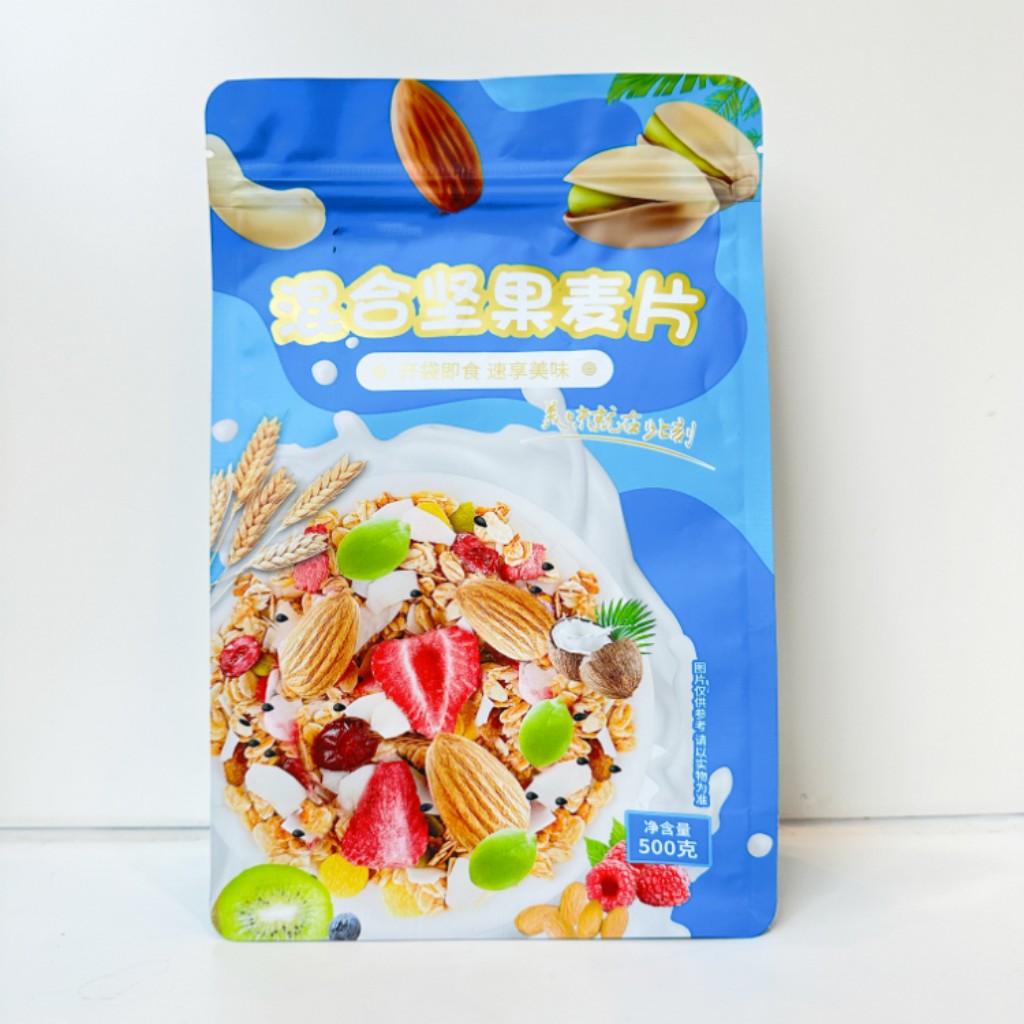
The science behind aluminum foil vacuum packaging bags is rooted in barrier technology and oxygen elimination. When you use aluminum foil vacuum packaging bags, the aluminum layer acts as a complete oxygen barrier, while the vacuum process removes approximately 95 percent of air from the package. This combination creates an environment where product degradation is virtually halted, making aluminum foil vacuum packaging bags essential for wholesale operations managing high-volume inventory across extended distribution networks.
How Aluminum Foil Vacuum Packaging Bags Preserve Product Quality
Oxygen Barrier Technology in Aluminum Foil Vacuum Packaging Bags
Aluminum foil vacuum packaging bags excel at preventing oxidation, which is the primary driver of product deterioration in most wholesale applications. The aluminum layer in aluminum foil vacuum packaging bags provides a metallic barrier that no oxygen molecule can penetrate, unlike plastic-only alternatives that allow gradual gas transmission over time. This oxygen blocking capability means that aluminum foil vacuum packaging bags maintain product freshness, color, flavor, and nutritional integrity far longer than conventional packaging solutions.
Moisture control is equally critical for preserving wholesale inventory, and aluminum foil vacuum packaging bags excel in this area as well. The moisture barrier in aluminum foil vacuum packaging bags prevents water vapor from entering or leaving the sealed environment, which is especially valuable for nuts, dried fruits, spices, and pharmaceutical products. When moisture content remains stable inside aluminum foil vacuum packaging bags, products resist mold growth, maintain texture, and avoid clumping or degradation that accelerates spoilage and reduces saleable inventory.
Vacuum Sealing Mechanics and Shelf Life Extension
The vacuum process itself amplifies the preservation power of aluminum foil vacuum packaging bags by physically removing most atmospheric gases before sealing occurs. When you vacuum seal products in aluminum foil vacuum packaging bags, the removal of oxygen creates an anaerobic environment that halts aerobic microbial growth and chemical reactions dependent on air exposure. This mechanical process transforms aluminum foil vacuum packaging bags into an active preservation system rather than passive containment, significantly extending the period during which products remain market-ready.
Wholesale distributors report that aluminum foil vacuum packaging bags typically extend shelf life by three to five times compared to traditional packaging methods. Products stored in aluminum foil vacuum packaging bags demonstrate minimal quality degradation over months rather than weeks, allowing businesses to increase inventory turnover flexibility and reduce forced markdowns or waste. The cumulative cost savings from extended shelf life in aluminum foil vacuum packaging bags often justify the premium material investment within the first few production runs.
Selecting and Implementing Aluminum Foil Vacuum Packaging Bags for Wholesale Operations
Material Specifications and Product Compatibility
Not all aluminum foil vacuum packaging bags perform equally across different product categories, and selection requires understanding your specific preservation requirements. High-barrier aluminum foil vacuum packaging bags typically feature a multi-layer construction with aluminum thickness ranging from 6 to 12 microns, which directly correlates with oxygen blocking effectiveness and puncture resistance. When choosing aluminum foil vacuum packaging bags for fatty products like nuts or oils, prioritize thicker aluminum layers and antioxidant additives, while delicate items may require softer aluminum foil vacuum packaging bags with enhanced cushioning properties.
Food-grade aluminum foil vacuum packaging bags must meet specific regulatory standards depending on your target markets and product types. Pharmaceutical and nutraceutical applications require aluminum foil vacuum packaging bags certified for direct food contact and free from harmful additives, while cosmetic and industrial applications may allow aluminum foil vacuum packaging bags with different specifications. Verifying that your aluminum foil vacuum packaging bags meet applicable FDA, EU, or regional food contact standards prevents regulatory complications and ensures consumer safety across your wholesale distribution channels.
Equipment and Process Optimization
Successful implementation of aluminum foil vacuum packaging bags depends on having appropriate sealing equipment calibrated for aluminum-layer processing. Industrial vacuum sealing machines designed for aluminum foil vacuum packaging bags operate at higher sealing temperatures than standard plastic-only equipment, ensuring the aluminum layers bond securely without puncturing. Investing in reliable vacuum sealing technology specifically rated for aluminum foil vacuum packaging bags prevents seal failures that would compromise shelf life extension and create product loss.
Training your packaging team on proper techniques for handling aluminum foil vacuum packaging bags is essential for consistent results. Operators must understand how to position products within aluminum foil vacuum packaging bags to avoid sharp edges puncturing the aluminum layer, how to adjust vacuum duration for different product densities, and how to verify seal integrity before storage. Implementing quality control protocols that sample-test sealed aluminum foil vacuum packaging bags throughout each production shift ensures that your shelf life extension benefits remain consistent and reliable.
Maximizing ROI Through Strategic Use of Aluminum Foil Vacuum Packaging Bags
Cost-Benefit Analysis and Waste Reduction
While aluminum foil vacuum packaging bags represent higher material costs than conventional packaging, the financial impact on your wholesale business is typically positive when calculated across the full product lifecycle. Extended shelf life achieved through aluminum foil vacuum packaging bags reduces forced markdowns, waste disposal costs, and unsaleable inventory holding expenses. For wholesale operations managing products with seasonal demand variations or long distribution cycles, the preservation benefits of aluminum foil vacuum packaging bags often reduce total landed costs per sellable unit.
Calculating your true ROI for aluminum foil vacuum packaging bags requires tracking spoilage rates, waste percentages, and disposal costs before and after implementation. Many businesses discover that aluminum foil vacuum packaging bags pay for themselves within the first few months by preventing the loss of just ten to fifteen percent of inventory that would have otherwise spoiled. Additionally, aluminum foil vacuum packaging bags enable premium pricing strategies because consumers perceive enhanced freshness and quality in vacuum-sealed products, creating revenue uplift beyond mere waste prevention.
Supply Chain and Customer Satisfaction Benefits
Aluminum foil vacuum packaging bags provide tangible competitive advantages in wholesale markets where product freshness directly impacts customer retention and reorder rates. Retailers receiving wholesale products in aluminum foil vacuum packaging bags can extend their own shelf displays longer, reducing markdown pressure and increasing profit margins at the retail level. This creates a partnership benefit that strengthens relationships with major accounts and encourages increased order volumes, as retailers realize their own financial performance improves when purchasing wholesale goods packaged in aluminum foil vacuum packaging bags.
Consumer perception of freshness and quality significantly influences repeat purchasing behavior, and packaging plays a critical role in that perception. Products sealed in aluminum foil vacuum packaging bags communicate premium quality and food safety commitment, which justifies price premiums and builds brand loyalty. Wholesale businesses that prominently communicate their use of aluminum foil vacuum packaging bags in marketing materials often experience stronger demand, faster turnover, and reduced customer complaints related to product degradation or spoilage.
FAQ
What shelf life extension should I expect from aluminum foil vacuum packaging bags?
Most wholesale products sealed in aluminum foil vacuum packaging bags experience shelf life extensions of 300 to 500 percent compared to conventional packaging, meaning products typically remain saleable three to five times longer. The exact extension depends on the product type, initial moisture content, storage temperature, and whether the product contains oils or other components prone to oxidation. Nuts and dried fruits in aluminum foil vacuum packaging bags typically remain fresh for twelve to eighteen months, while spices and pharmaceutical products may maintain quality for two to three years or longer under controlled storage conditions.
Are aluminum foil vacuum packaging bags suitable for all wholesale product categories?
Aluminum foil vacuum packaging bags work exceptionally well for dry goods, nuts, dried fruits, spices, tea, coffee, powders, and pharmaceutical products where moisture and oxygen exclusion provide maximum benefit. However, aluminum foil vacuum packaging bags are less suitable for fresh produce requiring respiration or products with sharp edges that risk puncturing the aluminum layer. For products requiring modified atmosphere packaging or those with specific regulatory restrictions on aluminum contact, alternative or hybrid packaging solutions may be more appropriate than standard aluminum foil vacuum packaging bags.
How do I verify that my aluminum foil vacuum packaging bags are sealed properly?
Proper sealing of aluminum foil vacuum packaging bags can be verified through visual inspection for wrinkles or gaps along the seam and by performing the manual squeeze test, where properly sealed aluminum foil vacuum packaging bags should feel firm with minimal give. Advanced verification includes using oxygen indicators or moisture meters on sample aluminum foil vacuum packaging bags to confirm that vacuum levels remain stable over time. Implementing regular destructive testing where you open and inspect sample aluminum foil vacuum packaging bags from each production batch ensures your sealing equipment remains properly calibrated and your preservation benefits remain consistent.