EN
EN

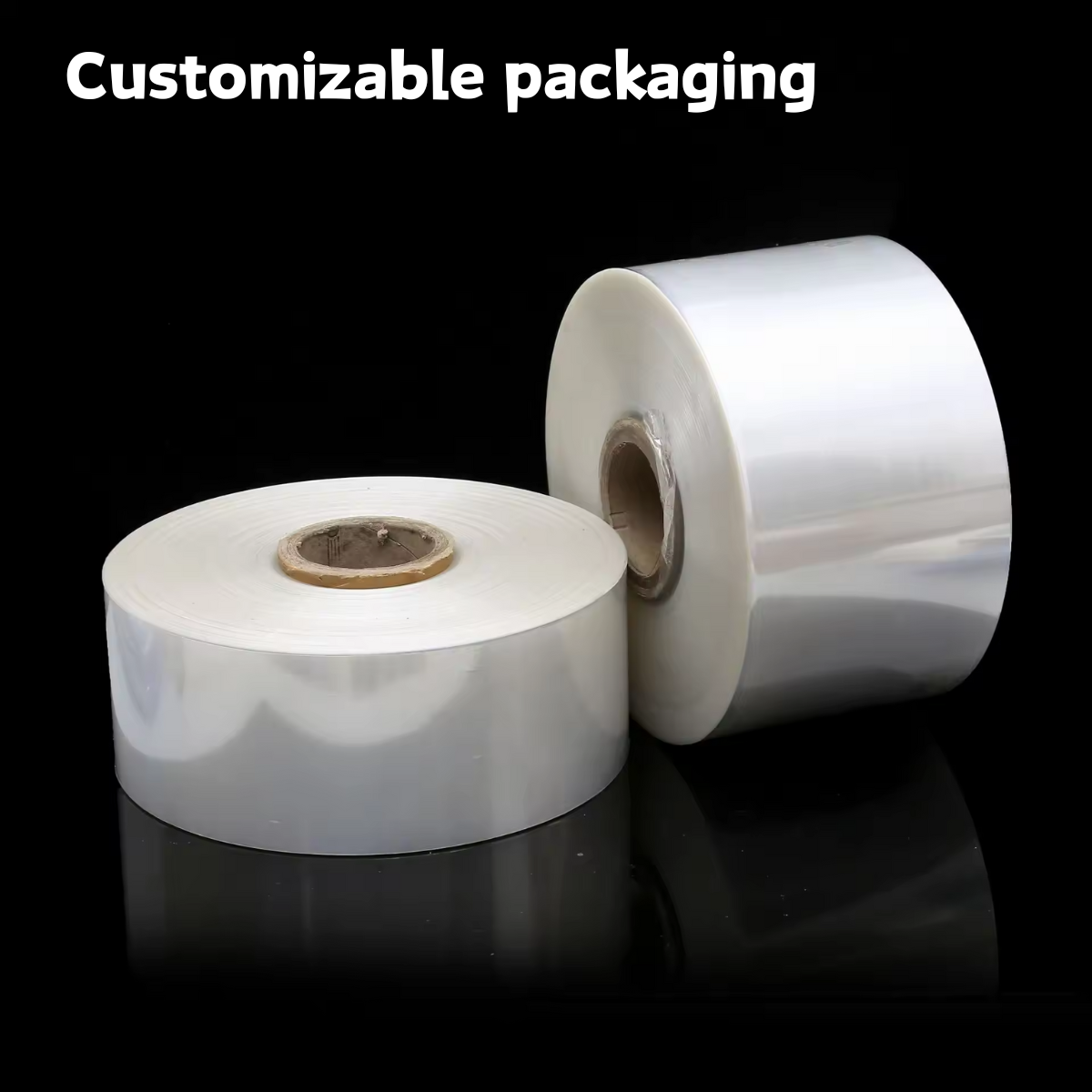
Selecting the right durable plastic roll film for large orders requires balancing performance, cost, and operational efficiency. When purchasing in bulk, the stakes are higher because material defects or suboptimal specifications can cascade across thousands of units, creating waste, customer dissatisfaction, and supply chain delays. Understanding the critical factors that define durable plastic roll film quality helps procurement teams make informed decisions that protect product integrity while optimizing total cost of ownership.
Large-scale packaging operations depend on durable plastic roll film that maintains consistent performance across extended production runs. The film must withstand handling, storage, and transportation stress without tearing, puncturing, or degrading. Industrial buyers need a systematic approach to evaluate durable plastic roll film specifications, compare supplier offerings, and validate durability claims before committing to major orders.
Thickness and Material Grade Selection
Understanding Film Gauge and Tensile Strength
The thickness of durable plastic roll film directly impacts its ability to resist punctures and maintain load-bearing capacity. Film gauge, measured in microns or mils, determines how much physical stress the material can absorb before failure. A thicker durable plastic roll film generally offers superior puncture resistance but comes with higher material costs. For large orders, this trade-off requires careful analysis of actual usage conditions rather than defaulting to maximum thickness.
Material grade selection complements thickness decisions when choosing durable plastic roll film. Linear low-density polyethylene (LLDPE) offers superior puncture resistance compared to standard LDPE, making it ideal for applications involving sharp edges or rough handling. The tensile strength rating of durable plastic roll film indicates how much force the material can withstand before tearing. High-grade resin formulations used in premium durable plastic roll film products deliver consistent strength across the entire roll, reducing weak points that could fail under stress.
Cost-Performance Balance in Large Orders
Buying durable plastic roll film in bulk allows manufacturers to access volume discounts, but savings should not compromise durability. Evaluating cost per unit of protective performance, rather than simply the lowest price per roll, reveals true value. Durable plastic roll film specifications that exceed minimum requirements may justify higher upfront costs if they reduce product damage rates, customer returns, and disposal expenses over time.
When negotiating large orders, request detailed specifications for the durable plastic roll film being supplied. Establish minimum threshold standards for puncture resistance, tear strength, and elongation capacity. Comparing these metrics across suppliers helps identify which durable plastic roll film products deliver consistent durability while staying within budget parameters.
Puncture Resistance and Environmental Performance
Testing Puncture Resistance Ratings
Puncture resistance represents one of the most critical durability metrics for durable plastic roll film in large-scale operations. The standard ASTM F1306 test measures puncture resistance by determining the force required to puncture film under controlled conditions. Suppliers of quality durable plastic roll film should provide test data demonstrating puncture performance, not just marketing claims. For large orders, requesting samples and conducting on-site performance testing validates that the durable plastic roll film meets your specific application demands.
The relationship between film thickness and puncture resistance is not linear; material composition, crystallinity, and additive packages significantly influence how durable plastic roll film performs under stress. Premium formulations of durable plastic roll film incorporate toughening agents that absorb impact energy, preventing tears that would occur in lower-grade materials. Understanding these technical distinctions helps procurement teams differentiate between genuinely durable durable plastic roll film and products that appear similar but perform poorly in real-world conditions.
UV Stability and Storage Durability
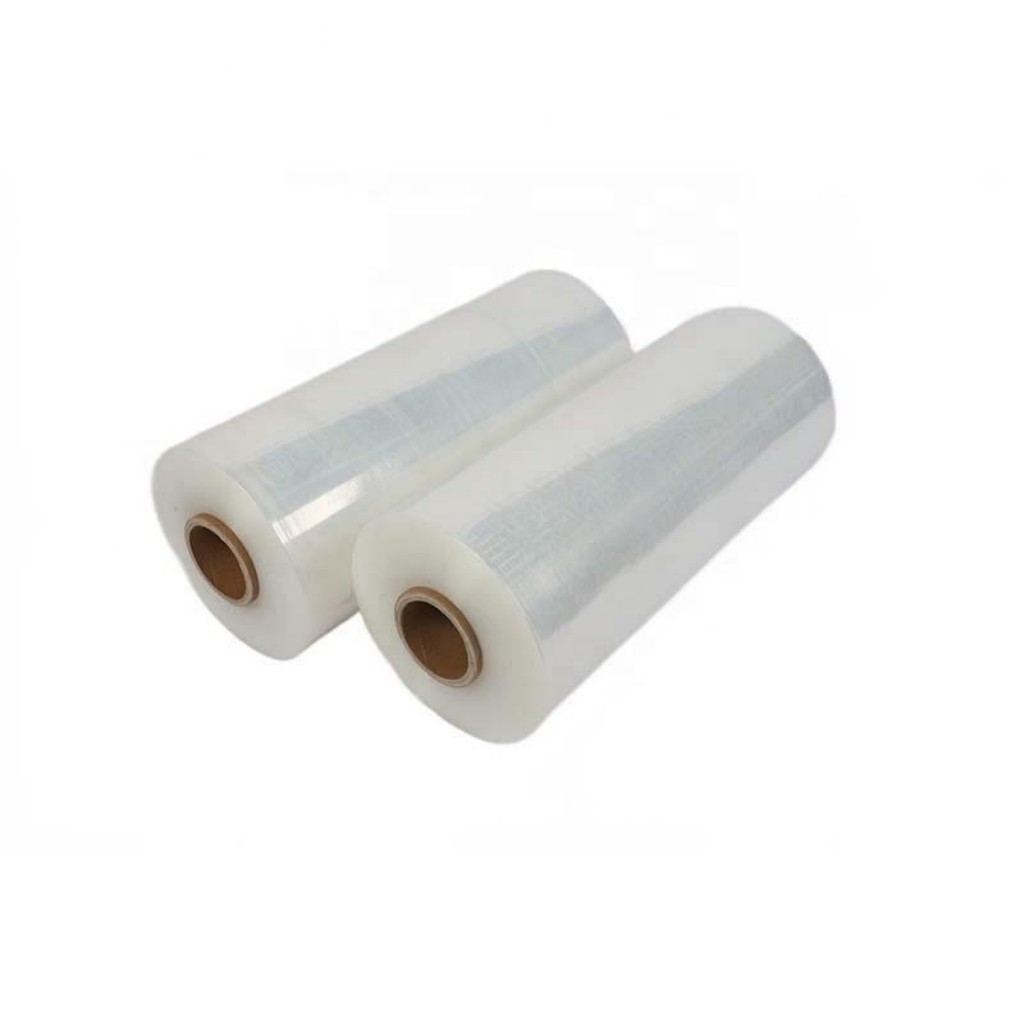
Environmental exposure affects the durability profile of durable plastic roll film significantly. Film stored in direct sunlight degrades rapidly without UV stabilizer additives. For large orders destined for outdoor or long-term storage, specifying UV-stabilized durable plastic roll film prevents embrittlement and strength loss that could cause failure during use. The durability advantage of UV-stabilized durable plastic roll film often justifies the modest cost increase, particularly for products with extended shelf lives.
Temperature fluctuations during shipping and storage also impact durable plastic roll film performance. Film stored in extremely cold environments becomes brittle, while heat exposure can cause tackiness or dimensional changes. Specifying durable plastic roll film with a wide usable temperature range ensures consistent performance across different geographic regions and seasonal conditions. Discussing storage and handling expectations with suppliers helps ensure the recommended durable plastic roll film type matches your operational environment.
Supplier Evaluation and Quality Assurance
Establishing Specification Standards and Testing Protocols
Large orders of durable plastic roll film require formal specification documents that detail all critical performance requirements. These documents should reference industry standards, specify minimum values for strength properties, and define acceptable ranges for physical characteristics like width, length, and roll weight. A comprehensive specification for durable plastic roll film reduces ambiguity and gives suppliers clear performance targets to meet.
Implementing testing protocols for incoming durable plastic roll film deliveries validates that material meets agreed specifications. Random sampling, tensile strength testing, and puncture resistance verification provide objective evidence of durability. Working with suppliers who maintain certified testing laboratories demonstrates their commitment to durable plastic roll film quality consistency. Some suppliers of premium durable plastic roll film offer third-party certifications that provide additional assurance of material properties.
Long-Term Supplier Relationships and Consistency
The durability reputation of durable plastic roll film suppliers develops over time through consistent performance. Evaluating supplier track records, seeking references from other large-volume buyers, and reviewing quality certifications help identify manufacturers whose durable plastic roll film products reliably meet durability expectations. Establishing long-term contracts with trusted suppliers of durable plastic roll film enables volume commitments that improve pricing while ensuring material consistency.
Communication channels between your team and durable plastic roll film suppliers should support rapid issue resolution. If batches of durable plastic roll film fail performance testing, responsive suppliers investigate root causes and implement corrective actions. A durable plastic roll film supplier that prioritizes partnership over simple transactional relationships becomes a valuable asset for maintaining consistent packaging quality across large orders.
FAQ
What thickness of durable plastic roll film is appropriate for heavy-load applications?
Heavy-load applications typically require durable plastic roll film in the 100–150 micron range, though exact specifications depend on load weight, sharp edges, and handling intensity. Consult with material engineers or suppliers to calculate appropriate thickness based on your specific application profile. Testing samples under your actual usage conditions provides the most reliable guidance for durable plastic roll film thickness selection.
How can we verify that durable plastic roll film quality meets our standards before receiving large shipments?
Request pre-shipment samples of durable plastic roll film and conduct full testing against your specifications, including tensile strength, elongation, and puncture resistance. Establish agreements requiring suppliers to provide certificates of analysis for each batch of durable plastic roll film delivered. Many suppliers can provide third-party test reports that independently verify material properties claimed for durable plastic roll film products.
Is it more cost-effective to buy premium durable plastic roll film or accept higher defect rates with budget options?
Premium durable plastic roll film typically offers better total cost of ownership when considering product damage, customer returns, and disposal expenses. Calculate the real cost of film failure by including downtime, rework, and reputation impact alongside material costs. For large orders, investing in genuinely durable plastic roll film reduces hidden costs that budget materials may not adequately address over extended production runs.
Table of Contents
- Thickness and Material Grade Selection
- Puncture Resistance and Environmental Performance
- Supplier Evaluation and Quality Assurance
-
FAQ
- What thickness of durable plastic roll film is appropriate for heavy-load applications?
- How can we verify that durable plastic roll film quality meets our standards before receiving large shipments?
- Is it more cost-effective to buy premium durable plastic roll film or accept higher defect rates with budget options?