EN
EN

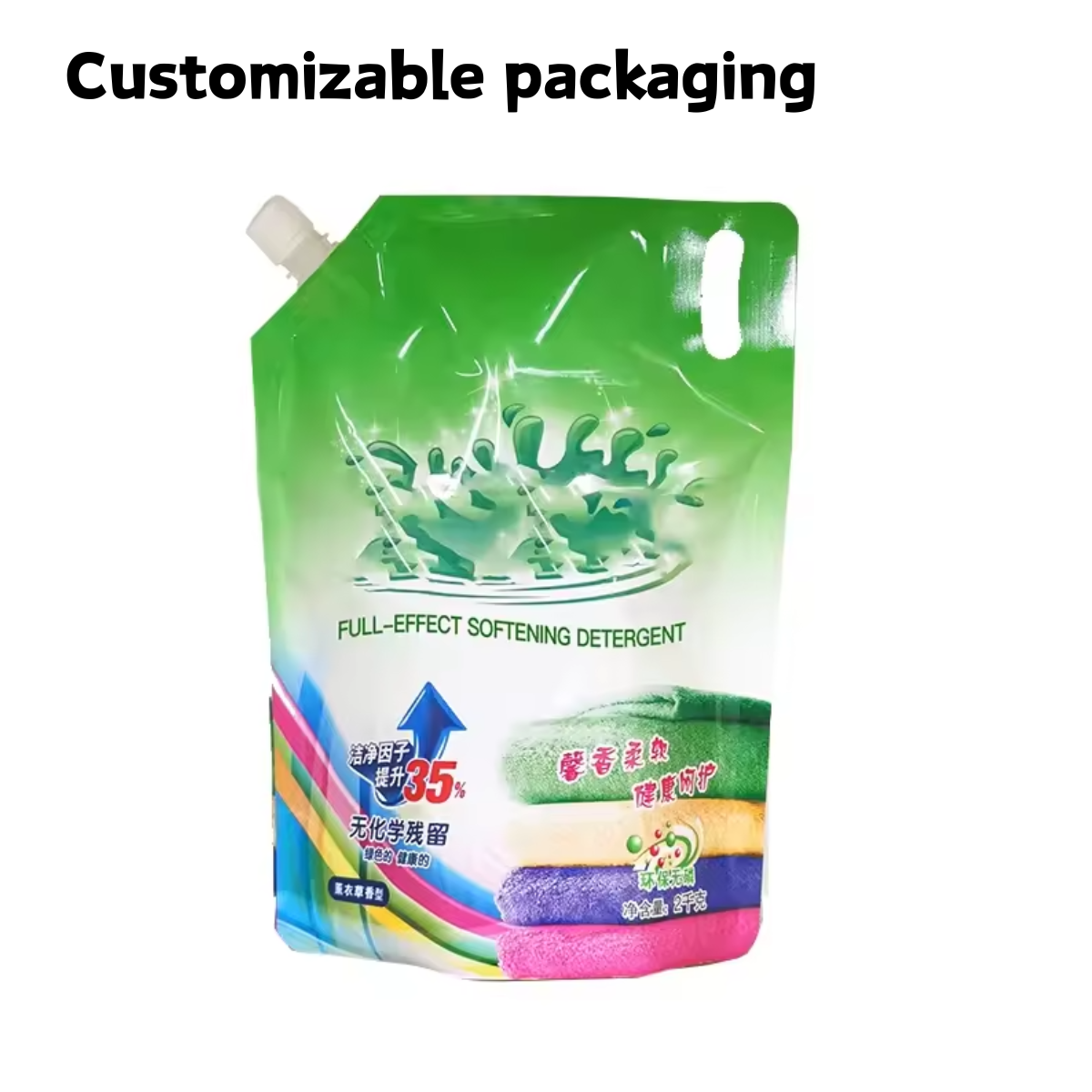
The packaging industry is experiencing a revolutionary shift as flexible packaging solutions gain unprecedented momentum across diverse markets. Modern consumers demand convenience, sustainability, and visual appeal in their product packaging, driving manufacturers to seek innovative alternatives to traditional rigid containers. This transformation has positioned stand-up pouches at the forefront of packaging evolution, offering brands a versatile solution that combines functionality with cost-effectiveness. The rise of e-commerce, changing consumer lifestyles, and environmental consciousness have accelerated the adoption of these flexible packaging formats across food, beverage, cosmetic, and industrial sectors.
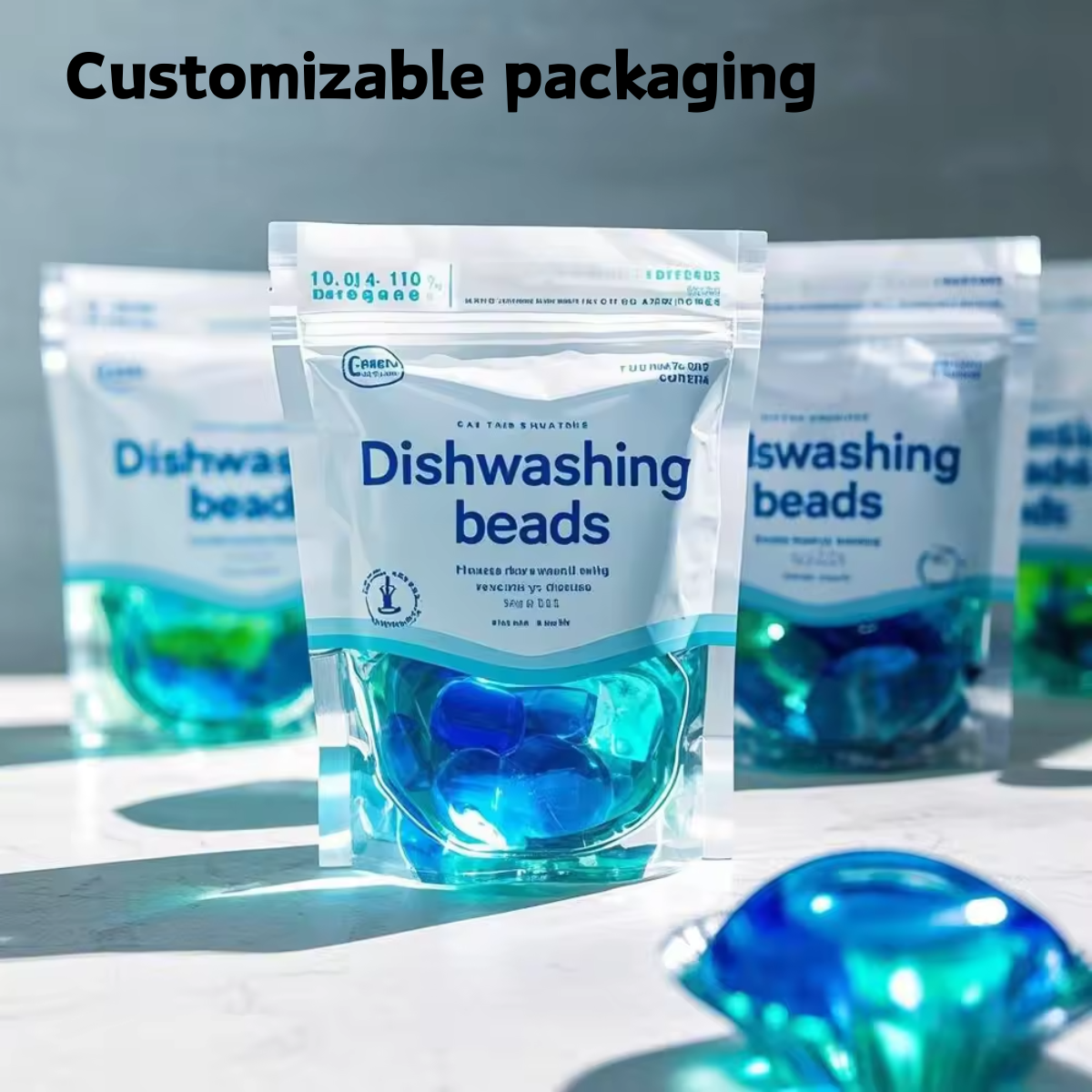
Understanding the Stand-Up Pouch Revolution
Market Dynamics Driving Change
The global flexible packaging market has witnessed exponential growth, with stand-up pouches representing one of the fastest-growing segments. Market research indicates that the demand for flexible packaging solutions has increased by over 30% in the past five years, driven primarily by consumer preference for convenience and portability. Retail environments have adapted to accommodate these packaging formats, with dedicated shelf spaces and display systems optimized for pouch-based products. The shift from traditional packaging to flexible alternatives represents a fundamental change in how brands approach product presentation and consumer engagement.
Consumer behavior studies reveal that shoppers spend significantly more time evaluating products in stand-up pouches compared to conventional packaging formats. The vertical display capability and enhanced surface area for branding create superior product visibility on retail shelves. This increased visibility translates directly into improved sales performance, with many brands reporting 15-25% increases in product turnover after transitioning to pouch packaging. The psychological impact of innovative packaging on purchasing decisions cannot be understated, as consumers increasingly associate flexible packaging with premium quality and brand innovation.
Technological Advancements in Pouch Manufacturing
Manufacturing technologies have evolved dramatically to support the growing demand for sophisticated stand-up pouches with enhanced functionality. Advanced barrier films, multi-layer laminates, and specialized coating technologies enable manufacturers to create pouches that rival traditional packaging in terms of product protection and shelf life. Digital printing capabilities have revolutionized the customization potential, allowing brands to implement variable graphics, personalized messaging, and limited-edition designs with minimal setup costs. These technological improvements have eliminated many of the historical limitations associated with flexible packaging.
Quality control systems in modern pouch manufacturing facilities incorporate advanced inspection technologies, including vision systems, leak detection equipment, and automated sealing verification processes. These quality assurance measures ensure that each pouch meets stringent performance standards for barrier properties, seal integrity, and dimensional consistency. The integration of smart manufacturing principles has reduced production waste while improving overall product quality, making stand-up pouches a more reliable packaging option for sensitive products requiring extended shelf life.
Functional Advantages Across Industries
Food and Beverage Applications
The food industry has embraced stand-up pouches as a solution to multiple packaging challenges, from portion control to extended shelf life requirements. Snack manufacturers particularly benefit from the barrier properties and resealable features that maintain product freshness throughout the consumption cycle. Liquid products, including sauces, beverages, and dairy alternatives, have found new market opportunities through innovative spout and valve technologies integrated into pouch designs. The lightweight nature of pouches significantly reduces transportation costs while maintaining product integrity during distribution.
Temperature-sensitive products benefit from specialized pouch constructions that provide thermal insulation and moisture barrier properties superior to many rigid packaging alternatives. Frozen food applications have expanded significantly as manufacturers develop pouches capable of withstanding extreme temperature variations without compromising structural integrity. The cooking-in-package concept has gained traction, with pouches designed to withstand microwave and even conventional oven temperatures, creating new product categories and consumption occasions for food manufacturers.
Personal Care and Cosmetic Sectors
Personal care brands have discovered that stand-up pouches offer unique advantages for liquid and cream-based products, including improved dispensing control and reduced product waste. The flexible nature of pouches allows consumers to access virtually 100% of the product contents, addressing a common frustration with rigid containers. Premium cosmetic brands utilize specialized films and printing techniques to create pouches that convey luxury and sophistication while maintaining practical functionality. The travel-friendly characteristics of pouches have opened new market segments for portable personal care products.
Sustainability initiatives within the personal care industry have driven increased adoption of recyclable and biodegradable pouch materials. Refillable pouch systems are emerging as a circular economy solution, allowing consumers to repurchase product refills in lightweight pouches while retaining decorative or functional dispensing containers. This approach significantly reduces packaging waste while maintaining brand presence and consumer convenience. The cosmetic industry's embrace of pouch packaging reflects broader shifts toward sustainable and user-centric product design.
Environmental Impact and Sustainability Benefits
Material Efficiency and Waste Reduction
Environmental assessments consistently demonstrate that stand-up pouches require significantly less material per unit of product compared to traditional rigid packaging formats. The thin-walled construction and efficient space utilization result in material savings of 50-80% depending on the specific application and comparison packaging type. This material efficiency directly translates into reduced environmental impact throughout the production cycle, from raw material extraction through manufacturing and transportation. Life cycle analyses confirm that pouch packaging generates substantially lower carbon footprints across most product categories.
Waste reduction benefits extend beyond material efficiency to include improved transportation logistics and storage optimization. The lightweight characteristics of pouches reduce fuel consumption during distribution, while their space-efficient design allows for higher product density in shipping containers and retail storage areas. Post-consumer waste volumes decrease significantly when products transition from rigid to flexible packaging, as pouches typically occupy 85% less landfill space than equivalent rigid containers. These cumulative environmental benefits have positioned stand-up pouches as a preferred packaging solution for environmentally conscious brands and consumers.
Recycling and Circular Economy Integration
The recycling landscape for flexible packaging continues to evolve, with new technologies and collection systems emerging to address historical challenges in pouch recycling. Mono-material pouch constructions using single polymer types have improved recyclability significantly, while chemical recycling technologies show promise for processing multi-layer laminates. Industry collaboration initiatives are establishing collection and processing infrastructure specifically designed for flexible packaging streams, creating viable end-of-life pathways for stand-up pouches.
Circular economy principles are increasingly integrated into pouch packaging strategies, with brands implementing take-back programs and refill systems that extend packaging lifecycles. Biodegradable and compostable pouch materials derived from renewable resources offer alternative end-of-life scenarios for applications where traditional recycling remains challenging. The development of standardized recyclability guidelines and consumer education programs supports improved waste sorting and collection efficiency for flexible packaging materials including stand-up pouches.
Design Innovation and Brand Differentiation
Visual Impact and Shelf Presence
The design versatility of stand-up pouches enables brands to create distinctive visual identities that stand out in competitive retail environments. The large, uninterrupted surface areas available on pouches provide exceptional canvas space for graphic design, photography, and brand messaging that would be impossible on traditional packaging formats. Advanced printing technologies support photographic quality imagery, metallic effects, and specialty finishes that enhance premium positioning and consumer appeal. The three-dimensional shape of erected pouches creates natural shadowing and depth that adds visual interest and shelf impact.
Color management and brand consistency across pouch packaging have reached new levels of precision through digital printing advancements and color matching technologies. Brands can implement complex color gradients, photographic imagery, and intricate design elements while maintaining consistency across production runs and multiple manufacturing locations. The ability to incorporate transparent windows, metallic films, and textured surfaces expands creative possibilities beyond conventional printing limitations. These design capabilities enable brands to communicate quality, innovation, and premium positioning through packaging aesthetics.
Functional Design Features
Innovative closure systems integrated into stand-up pouches address diverse consumer needs while maintaining package integrity and convenience. Resealable zipper systems, spout applications, and tear-away portions enhance user experience while preserving product freshness and enabling portion control. Child-resistant and senior-friendly closure options demonstrate how functional design can address specific demographic requirements without compromising overall usability. The integration of measuring features, pour spouts, and dispensing aids transforms pouches from simple containers into functional tools that enhance product utility.
Smart packaging technologies are increasingly incorporated into pouch designs, including QR codes, NFC chips, and time-temperature indicators that provide interactive consumer experiences and supply chain visibility. These technological integrations support product authentication, usage tracking, and consumer engagement initiatives while maintaining the fundamental benefits of flexible packaging. The adaptability of pouch formats to accommodate various smart packaging technologies positions them as future-ready solutions for evolving market requirements and consumer expectations.
Market Trends and Future Outlook
Emerging Applications and Market Expansion
New market segments continue to adopt stand-up pouches as manufacturers recognize the versatility and performance capabilities of modern flexible packaging solutions. Industrial applications, including automotive fluids, cleaning chemicals, and agricultural products, are transitioning to pouch formats for improved handling safety and reduced packaging costs. Pharmaceutical and nutraceutical industries are exploring pouches for solid dosage forms, powders, and liquid medications that benefit from barrier properties and portion control features inherent in pouch designs.
E-commerce growth has accelerated pouch adoption across multiple product categories as brands seek packaging solutions optimized for direct-to-consumer shipping. The lightweight and damage-resistant characteristics of pouches reduce shipping costs while minimizing product damage during transportation. Subscription box services and online retailers prefer pouches for their space efficiency and reduced packaging waste, creating new distribution channels for pouch-packaged products. The alignment of pouch benefits with e-commerce requirements suggests continued growth in online retail applications.
Technological Innovations on the Horizon
Research and development efforts in flexible packaging continue to push the boundaries of what stand-up pouches can achieve in terms of functionality, sustainability, and cost-effectiveness. Nanotechnology applications in barrier films promise enhanced protection properties while maintaining or reducing material thickness requirements. Active packaging technologies, including oxygen scavengers and antimicrobial treatments, are being integrated directly into pouch structures to extend product shelf life and enhance food safety.
Automation advancements in pouch filling and sealing equipment are reducing production costs while improving consistency and throughput capabilities. Machine learning algorithms optimize filling parameters, detect quality variations, and predict maintenance requirements to maximize production efficiency. The convergence of packaging innovation and manufacturing technology continues to improve the economic viability of stand-up pouches across an expanding range of applications and product categories.
FAQ
What types of products are best suited for stand-up pouch packaging
Stand-up pouches excel with liquid and semi-liquid products, granular materials, powders, and small solid items that benefit from flexible containment. Food products including snacks, sauces, beverages, and frozen items perform particularly well in pouches due to excellent barrier properties and resealable features. Personal care products, pet foods, and household chemicals also adapt successfully to pouch formats, especially when portion control or dispensing convenience adds value for consumers.
How do stand-up pouches compare to rigid packaging in terms of product protection
Modern stand-up pouches provide comparable or superior barrier properties to many rigid packaging formats through advanced multi-layer film constructions and specialized coatings. The flexible nature of pouches actually provides better impact resistance than brittle materials like glass, while maintaining excellent oxygen, moisture, and light barrier characteristics. Proper pouch design and material selection can achieve shelf life performance equivalent to traditional packaging while offering additional benefits like reduced weight and improved space efficiency.
What sustainability advantages do stand-up pouches offer compared to traditional packaging
Stand-up pouches typically require 50-80% less material than equivalent rigid packaging, resulting in significantly lower environmental impact throughout the product lifecycle. The lightweight construction reduces transportation fuel consumption and carbon emissions, while the space-efficient design minimizes storage requirements. Post-consumer waste volume decreases substantially with pouch packaging, and emerging recycling technologies are improving end-of-life processing options for flexible materials.
How cost-effective are stand-up pouches for small and medium-sized businesses
Stand-up pouches often provide excellent cost advantages for smaller businesses due to lower material costs, reduced shipping expenses, and minimal tooling requirements compared to rigid packaging options. Digital printing capabilities enable cost-effective customization and short production runs that suit smaller order quantities. The simplified inventory management and storage efficiency of pouches can provide additional operational cost savings, making them particularly attractive for businesses seeking to optimize packaging budgets while maintaining professional product presentation.
Table of Contents
- Understanding the Stand-Up Pouch Revolution
- Functional Advantages Across Industries
- Environmental Impact and Sustainability Benefits
- Design Innovation and Brand Differentiation
- Market Trends and Future Outlook
-
FAQ
- What types of products are best suited for stand-up pouch packaging
- How do stand-up pouches compare to rigid packaging in terms of product protection
- What sustainability advantages do stand-up pouches offer compared to traditional packaging
- How cost-effective are stand-up pouches for small and medium-sized businesses