EN
EN

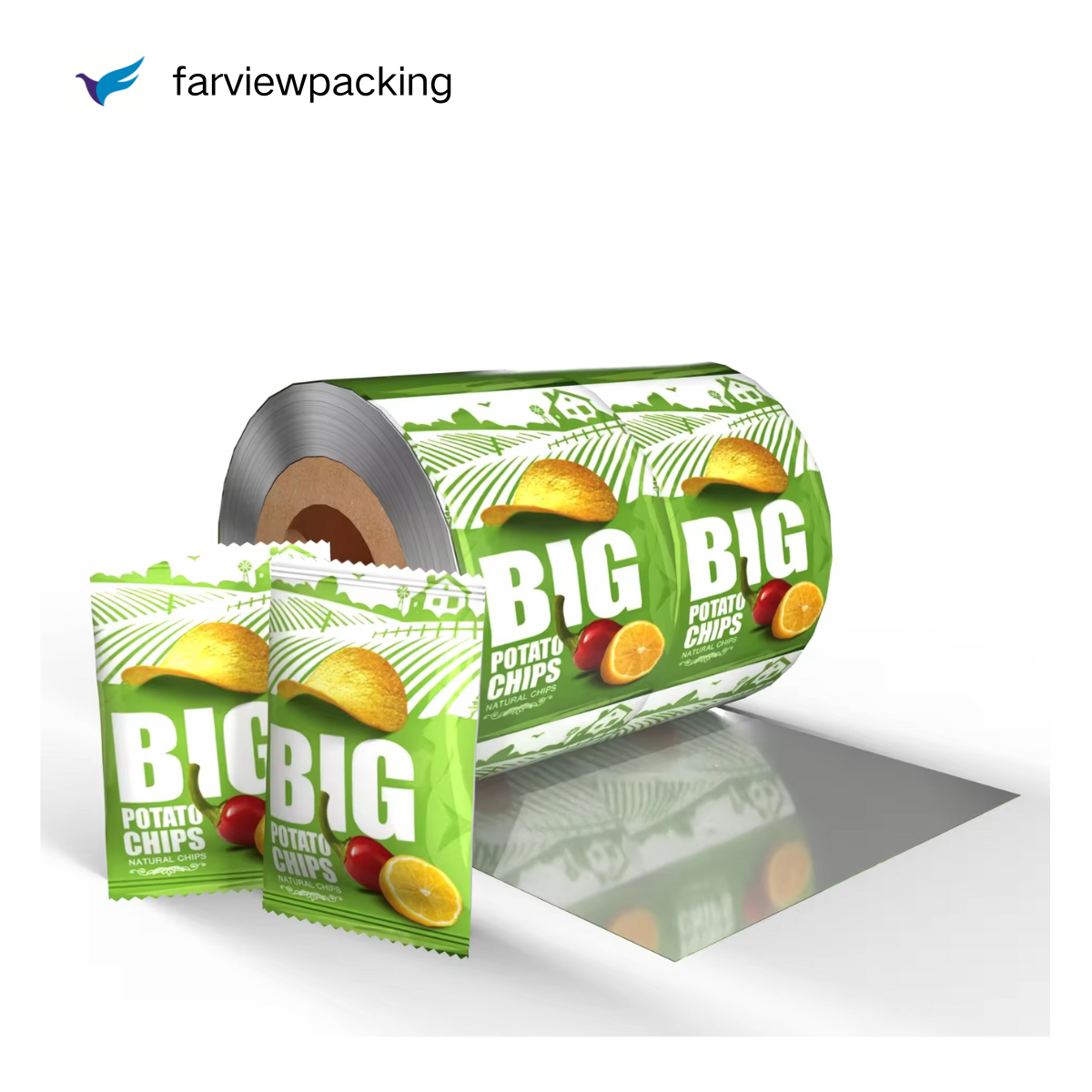
The food packaging industry has witnessed remarkable innovations in recent years, particularly in the development of specialized containers designed to maintain product integrity throughout the supply chain. Modern snack bags represent a crucial component in ensuring that consumable goods reach consumers in optimal condition, regardless of the distance traveled or environmental challenges encountered during transportation. These sophisticated packaging solutions incorporate advanced materials and engineering principles to create protective barriers that safeguard against moisture, oxygen, light, and physical damage that can compromise food quality.
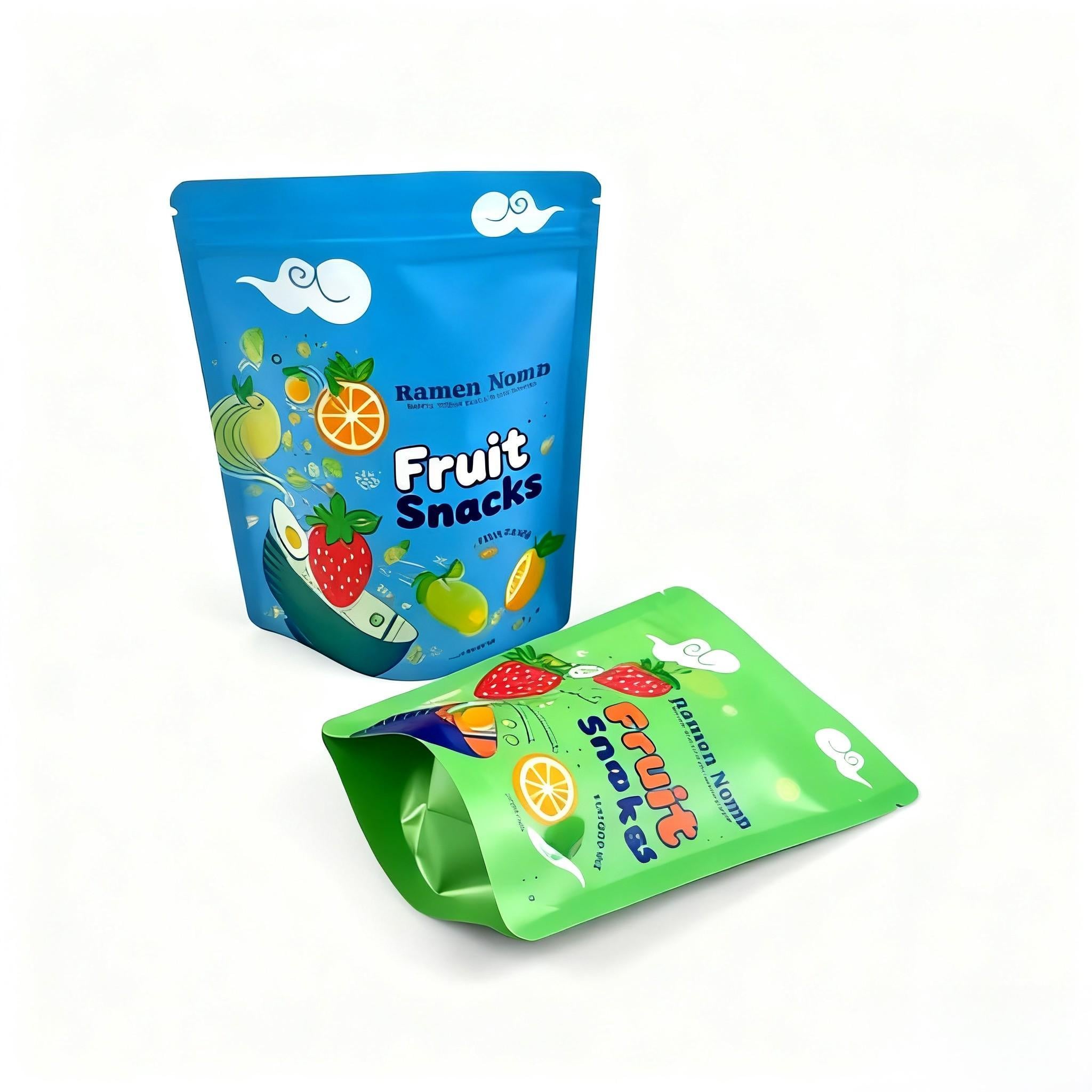
The transportation of food products presents unique challenges that require specialized packaging solutions to maintain freshness and prevent deterioration. During transit, products face temperature fluctuations, humidity changes, mechanical stress from handling, and exposure to contaminants that can significantly impact their quality and shelf life. Effective packaging systems must address these concerns while remaining cost-effective and environmentally conscious. The evolution of snack packaging technology has led to the development of multi-layered films, improved sealing mechanisms, and innovative barrier properties that extend product life and enhance consumer satisfaction.
Advanced Barrier Technologies in Modern Packaging
Multi-Layer Film Construction
Contemporary snack packaging utilizes sophisticated multi-layer film structures that provide superior protection against environmental factors that threaten food quality. These advanced films typically incorporate three to seven distinct layers, each serving specific protective functions. The outer layer provides mechanical strength and printability for branding, while inner layers focus on barrier properties against oxygen, moisture, and light penetration. Intermediate layers often include specialized polymers that enhance puncture resistance and maintain flexibility across varying temperature ranges.
The selection of appropriate materials for each layer depends on the specific requirements of the packaged product and anticipated storage conditions. High-performance polymers such as ethylene vinyl alcohol copolymer and polyvinylidene chloride offer exceptional barrier properties against gas transmission. These materials work in conjunction with polyethylene and polypropylene layers to create robust packaging solutions that maintain product freshness for extended periods while withstanding the rigors of transportation and handling.
Oxygen and Moisture Control Systems
Effective oxygen and moisture control represents a critical factor in preserving food quality during transport and storage. Advanced snack bags incorporate specialized barrier films that significantly reduce oxygen transmission rates, preventing oxidation reactions that can lead to rancidity, flavor degradation, and nutritional losses. These packaging systems often achieve oxygen transmission rates below 0.1 cc per square meter per day, providing exceptional protection for sensitive products.
Moisture management involves both preventing external humidity from entering the package and controlling internal moisture levels to maintain optimal product texture and stability. Sophisticated packaging films incorporate desiccant properties or work in conjunction with moisture-absorbing sachets to create ideal internal environments. The careful balance of moisture control helps prevent issues such as staleness, mold growth, and texture degradation that can occur during extended transportation periods.
Mechanical Protection and Structural Integrity
Impact Resistance and Puncture Prevention
Transportation environments subject packaging to various mechanical stresses including compression, impact, vibration, and abrasion. Modern snack bags incorporate reinforced construction techniques and high-strength materials to withstand these challenges without compromising product integrity. Advanced polymer blends and specialized film orientations enhance puncture resistance while maintaining flexibility necessary for efficient packaging operations.
The integration of impact-resistant materials helps prevent package failures that could lead to contamination, spillage, or product loss during handling and transportation. These protective features become particularly important in automated distribution systems where packages encounter conveyor belts, sorting machinery, and robotic handling equipment. Proper mechanical protection ensures that products arrive at their destination in pristine condition, maintaining consumer confidence and reducing waste throughout the supply chain.
Seal Integrity and Closure Performance
Reliable sealing technology forms the foundation of effective food preservation during transport, as compromised seals can negate all other protective measures incorporated into the packaging design. Modern snack packaging utilizes advanced heat-sealing techniques and specialized sealant layers that create hermetic closures capable of maintaining integrity under varying environmental conditions. These sealing systems must perform consistently across temperature ranges encountered during transportation while accommodating thermal expansion and contraction of packaging materials.
Innovative closure mechanisms, including resealable zippers and tear-away features, provide additional functionality while maintaining protective capabilities. These user-friendly features enhance consumer convenience without compromising the primary protective functions of the packaging. Quality control measures ensure that all seals meet stringent performance standards before products enter the distribution network, reducing the risk of premature failure during transport or storage.
Temperature Stability and Thermal Protection
Thermal Barrier Properties
Temperature fluctuations during transportation can significantly impact food quality, causing texture changes, accelerated deterioration, and compromised nutritional value. Advanced snack bags incorporate thermal barrier properties that help moderate internal temperature changes and protect products from extreme environmental conditions. These protective features become particularly important during long-distance transportation where products may encounter varying climate zones and seasonal temperature extremes.
Specialized packaging films reflect thermal radiation and provide insulating properties that slow heat transfer between the external environment and packaged products. This thermal protection helps maintain consistent internal conditions that preserve product quality and extend shelf life. The careful selection of packaging materials and structural design considerations contribute to overall thermal performance while maintaining cost-effectiveness and processing efficiency.
Condensation Prevention and Climate Adaptation
Condensation formation within packaging can create conditions that promote microbial growth and compromise product quality. Modern snack packaging incorporates features that prevent condensation formation by managing internal humidity levels and temperature gradients. These systems often include specialized films that resist fogging and maintain clarity while controlling moisture migration within the package structure.
Climate adaptation features enable packaging to perform effectively across diverse geographic regions and seasonal conditions. This adaptability ensures consistent protection whether products are transported through humid tropical environments or dry desert conditions. The versatility of modern packaging systems reduces the need for specialized regional variations while maintaining optimal protection standards across all distribution channels.
Quality Assurance and Testing Protocols
Performance Validation Methods
Rigorous testing protocols ensure that snack bags meet stringent performance requirements for food preservation during transportation. These comprehensive evaluation methods include accelerated aging tests, barrier property measurements, seal strength analysis, and mechanical stress simulations that replicate real-world distribution conditions. Testing laboratories utilize sophisticated equipment to measure oxygen transmission rates, water vapor permeability, and other critical barrier properties that influence food quality preservation.
Performance validation extends beyond individual material properties to encompass complete packaging system evaluation under simulated transportation conditions. These tests include temperature cycling, vibration exposure, compression testing, and drop impact assessments that verify packaging integrity throughout the distribution process. Continuous monitoring and quality control measures ensure that production standards remain consistent and that any variations are quickly identified and corrected.
Regulatory Compliance and Safety Standards
Food packaging must comply with stringent regulatory requirements that govern material safety, migration limits, and contact suitability for various food types. Modern snack bags undergo extensive testing to verify compliance with international food safety standards including FDA regulations, European Union directives, and other regional requirements. These compliance measures ensure that packaging materials do not introduce contaminants or alter food properties during storage and transportation.
Safety standards encompass both chemical and microbiological considerations, requiring comprehensive documentation of material composition, manufacturing processes, and quality control procedures. Regular audits and certification renewals maintain compliance status and provide assurance to manufacturers and consumers regarding packaging safety and performance. These regulatory frameworks continue to evolve, driving innovation in packaging materials and testing methodologies.
FAQ
How do snack bags prevent oxygen from affecting food quality during transport
Snack bags utilize multi-layer barrier films containing specialized polymers like EVOH and PVDC that create extremely low oxygen transmission rates, often below 0.1 cc per square meter per day. These advanced materials form protective barriers that prevent oxygen from reaching the food product, thereby inhibiting oxidation reactions that cause rancidity, flavor loss, and nutritional degradation during transportation and storage periods.
What role does moisture control play in maintaining food freshness during shipping
Moisture control is essential for preventing staleness, mold growth, and texture changes that can occur during transportation. Modern snack packaging incorporates moisture barrier films and sometimes desiccant materials to maintain optimal internal humidity levels. This protection prevents external moisture from entering the package while managing internal moisture to preserve product texture and prevent microbiological growth that could compromise food safety and quality.
How do advanced sealing technologies contribute to food preservation during transport
Advanced sealing technologies create hermetic closures that maintain package integrity under varying temperature and pressure conditions encountered during transportation. These sophisticated sealing systems use specialized sealant layers and precise heat-sealing parameters to ensure consistent performance across environmental extremes. Reliable seals prevent contamination, maintain internal atmosphere composition, and preserve all protective features of the packaging system throughout the distribution process.
What testing methods ensure snack bags will protect food quality during long-distance shipping
Comprehensive testing protocols include accelerated aging tests, barrier property measurements, mechanical stress simulations, and real-world distribution trials that validate packaging performance. These evaluations measure oxygen and moisture transmission rates, seal strength, puncture resistance, and thermal stability under conditions that replicate or exceed anticipated transportation stresses. Such rigorous testing ensures that packaging will maintain food quality throughout extended distribution cycles and varying environmental conditions.
Table of Contents
- Advanced Barrier Technologies in Modern Packaging
- Mechanical Protection and Structural Integrity
- Temperature Stability and Thermal Protection
- Quality Assurance and Testing Protocols
-
FAQ
- How do snack bags prevent oxygen from affecting food quality during transport
- What role does moisture control play in maintaining food freshness during shipping
- How do advanced sealing technologies contribute to food preservation during transport
- What testing methods ensure snack bags will protect food quality during long-distance shipping