EN
EN

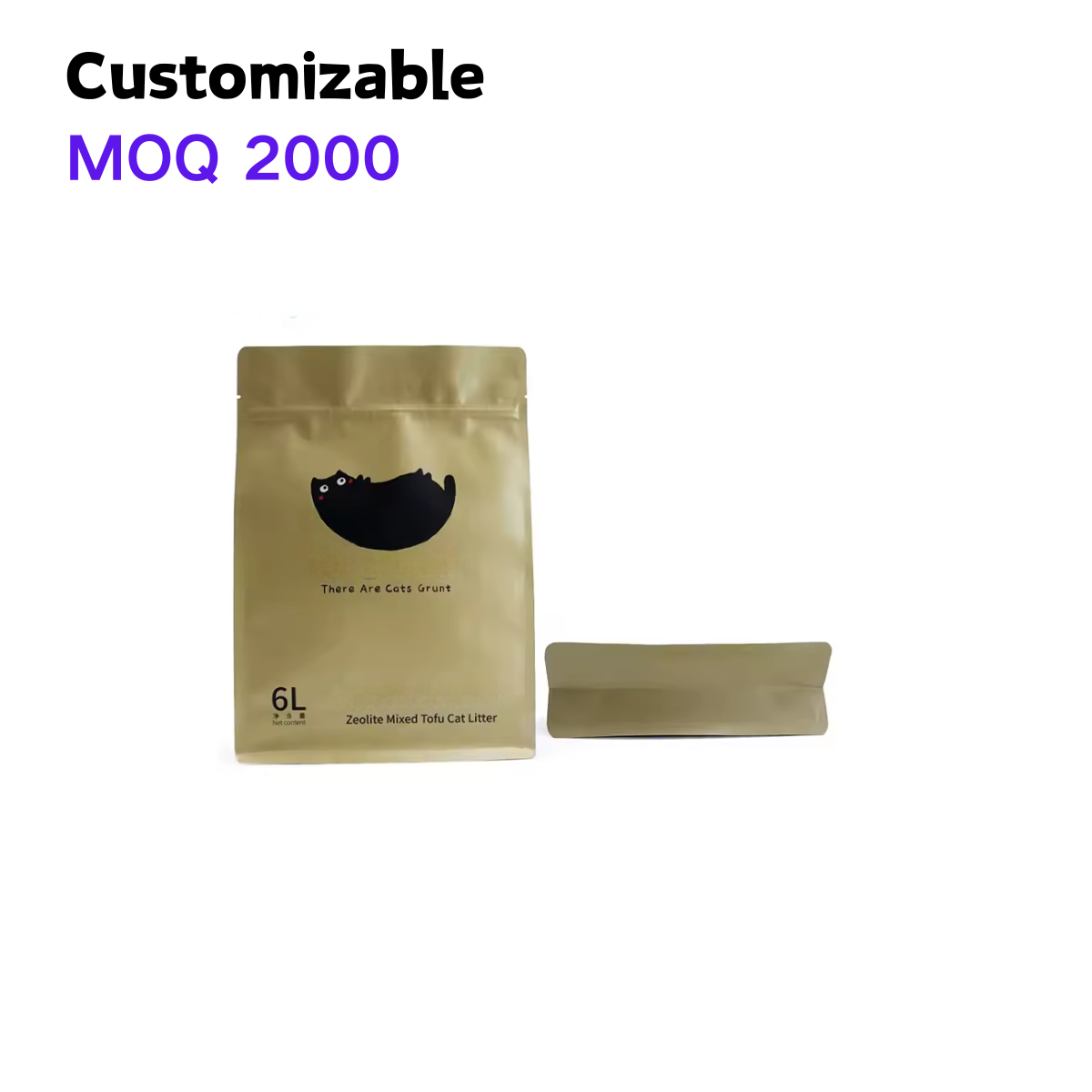
Seal bags represent a cornerstone technology in modern food packaging, delivering critical protection that extends far beyond simple containment. These specialized packaging solutions create controlled barriers against contamination, moisture, oxygen, and physical damage that can compromise food safety and quality. Understanding how seal bags function as protective systems reveals their essential role in maintaining food integrity from production facilities to consumer tables, making them indispensable tools for manufacturers, distributors, and retailers committed to delivering safe, high-quality products.
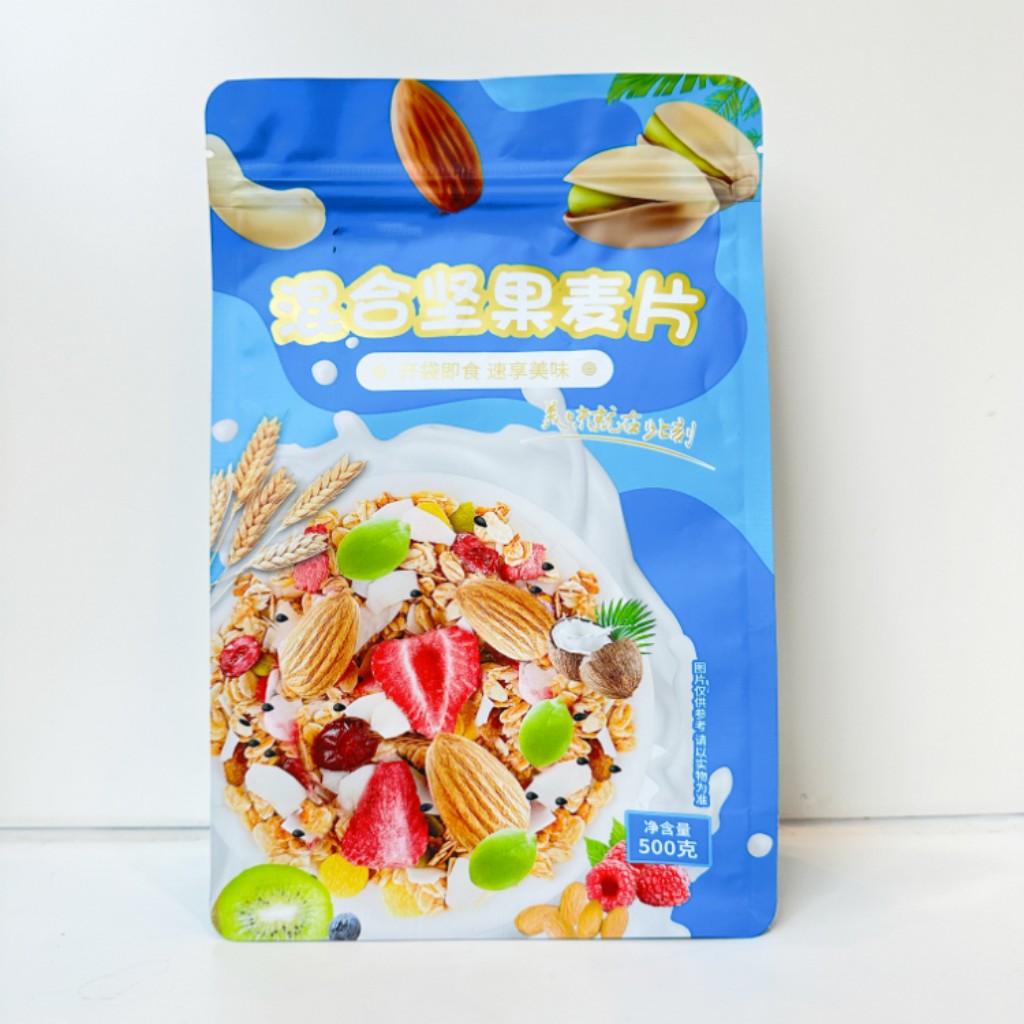
The protective mechanisms of seal bags operate through multiple integrated systems that address specific threats to food safety and product integrity. These packaging solutions employ advanced material science, precise sealing technologies, and barrier properties that work synergistically to create secure environments for food products. By examining the specific ways seal bags enhance protection, food industry professionals can better understand how to leverage these technologies for optimal safety outcomes while meeting regulatory requirements and consumer expectations for product quality and freshness.
Barrier Protection Mechanisms in Seal Bags
Oxygen Barrier Systems
Seal bags create effective oxygen barriers that prevent oxidative deterioration, a primary cause of food spoilage and safety concerns. The barrier films used in these packaging solutions incorporate specialized polymer layers that dramatically reduce oxygen transmission rates compared to conventional packaging materials. This oxygen exclusion prevents rancidity in fats and oils, maintains color stability in sensitive products, and inhibits aerobic bacterial growth that can lead to foodborne illness risks.
Advanced seal bags utilize multi-layer constructions that combine different polymer materials to optimize oxygen barrier performance. Ethylene vinyl alcohol copolymer layers, for instance, provide exceptional oxygen resistance while maintaining flexibility and sealability. These barrier systems are particularly crucial for products like nuts, dried fruits, and processed foods where oxidation can rapidly degrade both safety and sensory qualities.
The effectiveness of oxygen barriers in seal bags extends beyond preventing spoilage to maintaining nutritional integrity. Vitamins, antioxidants, and other beneficial compounds in foods are susceptible to oxidative damage that reduces their nutritional value. By controlling oxygen exposure through proper barrier technology, seal bags help preserve these essential nutrients throughout the product's shelf life.
Moisture Control Technology
Moisture management represents another critical protective function of seal bags, preventing both microbial growth and texture degradation that can compromise food safety. Water vapor transmission through packaging can create conditions favorable for mold, yeast, and bacterial proliferation, leading to spoilage and potential foodborne illness. Seal bags incorporate moisture barrier films that maintain optimal humidity levels within the package while preventing external moisture intrusion.
The moisture barrier properties of seal bags are engineered through careful material selection and layer configuration. Metallized films, aluminum foil laminates, and specialized polymer coatings work together to create highly effective water vapor barriers. These systems are particularly important for hygroscopic products that readily absorb moisture from the environment, such as powdered foods, cereals, and snack products that can become unsafe or unpalatable when exposed to excess humidity.
Advanced seal bags may incorporate desiccant systems or modified atmosphere packaging technologies that actively control moisture levels within the sealed environment. These approaches provide dynamic moisture management that adapts to changing conditions throughout distribution and storage, ensuring consistent protection against moisture-related safety and quality issues.
Contamination Prevention Through Secure Sealing
Hermetic Seal Integrity
The fundamental protection mechanism of seal bags lies in their ability to create hermetic seals that completely isolate products from external contaminants. These seals form continuous barriers around the entire package perimeter, preventing ingress of bacteria, dust, insects, and other potential contaminants that pose food safety risks. The integrity of these seals depends on precise control of sealing parameters including temperature, pressure, dwell time, and material compatibility.
Heat sealing technologies used in seal bags create molecular bonds between packaging materials that form strong, leak-proof closures. The sealing process must balance sufficient heat and pressure to achieve proper fusion while avoiding damage to the barrier films or product contents. Advanced sealing systems monitor and control these parameters in real-time to ensure consistent seal quality across production runs.
Seal strength testing and leak detection protocols verify the integrity of sealed packages before distribution. These quality control measures ensure that seal bags maintain their protective barriers throughout handling, shipping, and storage processes where packages may experience mechanical stress, temperature variations, and other challenges that could compromise seal integrity and food safety.
Tamper Evidence Systems
Seal bags incorporate tamper-evident features that provide visible indication of package integrity, helping ensure food safety by revealing unauthorized access or handling. These systems include tear strips, breakable seals, and irreversible closure mechanisms that show clear evidence when packages have been opened or compromised. Tamper evidence serves as both a deterrent to intentional contamination and an indicator of potential safety concerns.
The design of tamper-evident features in seal bags must balance security with consumer convenience, providing clear indication of tampering while remaining easy to open for legitimate use. Perforated tear lines, adhesive strips, and mechanical closures are engineered to fail in distinctive ways that cannot be easily replicated or concealed, giving consumers confidence in product integrity.
Regulatory requirements in many jurisdictions mandate tamper-evident packaging for certain food categories, making these features essential compliance elements rather than optional enhancements. Seal bags meeting these requirements undergo specific testing to verify that tampering attempts leave unmistakable evidence that alerts consumers and supply chain partners to potential safety concerns.
Extended Shelf Life and Quality Preservation
Controlled Atmosphere Maintenance
Seal bags enable controlled atmosphere packaging that extends product shelf life while maintaining safety through precise management of internal gas composition. By removing oxygen and introducing protective gases like nitrogen or carbon dioxide, these systems create environments that inhibit spoilage microorganisms and slow chemical deterioration processes. The barrier properties of seal bags are essential for maintaining these modified atmospheres throughout distribution and storage.
The effectiveness of modified atmosphere packaging depends on the seal bags' ability to prevent gas exchange with the external environment. High-barrier films maintain the desired gas composition by preventing oxygen infiltration and retaining protective gases within the package. This atmospheric control is particularly valuable for perishable products where extended shelf life directly correlates with improved food safety by reducing the likelihood of consumption of deteriorated products.
Gas flushing processes used with seal bags replace the natural atmosphere around products with protective gas mixtures tailored to specific product requirements. Different food categories benefit from different gas compositions, with seal bags providing the necessary barrier performance to maintain these optimized environments throughout the product lifecycle.
Temperature Stability Enhancement
Seal bags contribute to temperature stability through insulation properties and protection against thermal shock that can compromise food safety. Multi-layer constructions provide thermal buffering that helps maintain product temperature during short-term exposure to adverse conditions. This temperature protection is crucial for maintaining the integrity of temperature-sensitive products and preventing conditions that favor microbial growth.
The thermal properties of seal bags also support cold chain maintenance by reducing heat transfer and providing additional protection during distribution. While seal bags cannot replace proper refrigeration, they enhance the effectiveness of temperature control systems by minimizing thermal fluctuations that stress products and potentially compromise safety.
Thermal sealing processes used in manufacturing seal bags are designed to withstand temperature variations encountered during distribution without compromising seal integrity. This thermal stability ensures that protective barriers remain effective throughout temperature cycles that products may experience from production to consumption.
Chemical and Physical Protection Systems
Migration Barrier Technology
Seal bags incorporate migration barriers that prevent chemical compounds from transferring between the packaging material and food contents, addressing a critical safety concern in food packaging. These barriers consist of functional layers that block the movement of potentially harmful substances while maintaining the structural integrity and performance of the packaging system. Migration control is essential for meeting regulatory standards and ensuring consumer safety.
The design of migration barriers in seal bags involves careful selection of food-contact materials and intermediate layers that comply with food safety regulations. Regulatory bodies establish specific migration limits for various chemical compounds, requiring seal bags to demonstrate compliance through extensive testing protocols that simulate real-world storage and use conditions.
Advanced seal bags may incorporate active barrier layers that not only prevent migration but also neutralize or absorb potential contaminants. These functional barriers provide additional protection beyond passive containment, actively contributing to food safety through chemical interaction with potential contaminants.
Impact and Puncture Resistance
Physical protection provided by seal bags includes resistance to punctures, tears, and impacts that could compromise package integrity and food safety. Robust material constructions and reinforcement techniques ensure that seal bags maintain their barrier properties even when subjected to mechanical stress during handling, shipping, and storage operations.
Multi-layer constructions in seal bags often include puncture-resistant layers that distribute impact forces and prevent penetration by sharp objects or rough handling. These protective layers work in combination with barrier films to maintain both physical integrity and contamination protection throughout the distribution process.
Testing protocols for seal bags evaluate puncture resistance, tear propagation, and impact tolerance under conditions that simulate real-world distribution challenges. These performance standards ensure that physical protection remains effective throughout the product lifecycle, preventing contamination risks associated with package failure.
FAQ
How do seal bags prevent bacterial contamination in food products?
Seal bags prevent bacterial contamination through hermetic sealing that creates complete isolation from external environments where bacteria exist. The sealing process forms continuous barriers around package perimeters that block bacterial ingress, while barrier films prevent contamination during storage and handling. Additionally, controlled atmosphere capabilities in advanced seal bags can create environments hostile to bacterial growth through oxygen removal or protective gas introduction.
What makes seal bags more effective than traditional packaging for food safety?
Seal bags offer superior food safety protection through advanced barrier technologies that control oxygen, moisture, and contaminant exposure more effectively than traditional packaging materials. Multi-layer constructions provide multiple protection mechanisms simultaneously, while precise sealing technologies ensure consistent barrier integrity. The combination of tamper-evident features, migration barriers, and controlled atmosphere capabilities provides comprehensive protection that traditional packaging methods cannot match.
Can seal bags maintain food safety during long-term storage?
Yes, properly designed seal bags can maintain food safety during extended storage periods through durable barrier systems and stable seal integrity. High-performance barrier films prevent deterioration from oxygen and moisture exposure, while robust sealing technologies maintain protective barriers throughout storage duration. The key factors for long-term safety include appropriate material selection for specific product requirements, proper sealing parameters, and compliance with storage condition recommendations.
How do different types of seal bags address specific food safety challenges?
Different seal bag configurations address specific food safety challenges through specialized barrier properties and protective features. High-oxygen-barrier seal bags prevent oxidative rancidity in fatty products, while moisture-barrier versions protect hygroscopic foods from microbial growth. Modified atmosphere seal bags create controlled environments for perishable products, and puncture-resistant versions provide physical protection for products with sharp edges or irregular shapes that could compromise package integrity.