EN
EN

Seal bags represent a fundamental component of modern commercial packaging systems, serving diverse industries from food processing to pharmaceuticals. These specialized containers provide crucial protection against contamination, moisture, oxygen, and other environmental factors that can compromise product integrity. Understanding the various types of seal bags available for commercial applications enables businesses to select appropriate packaging solutions that align with their specific operational requirements and regulatory compliance standards.
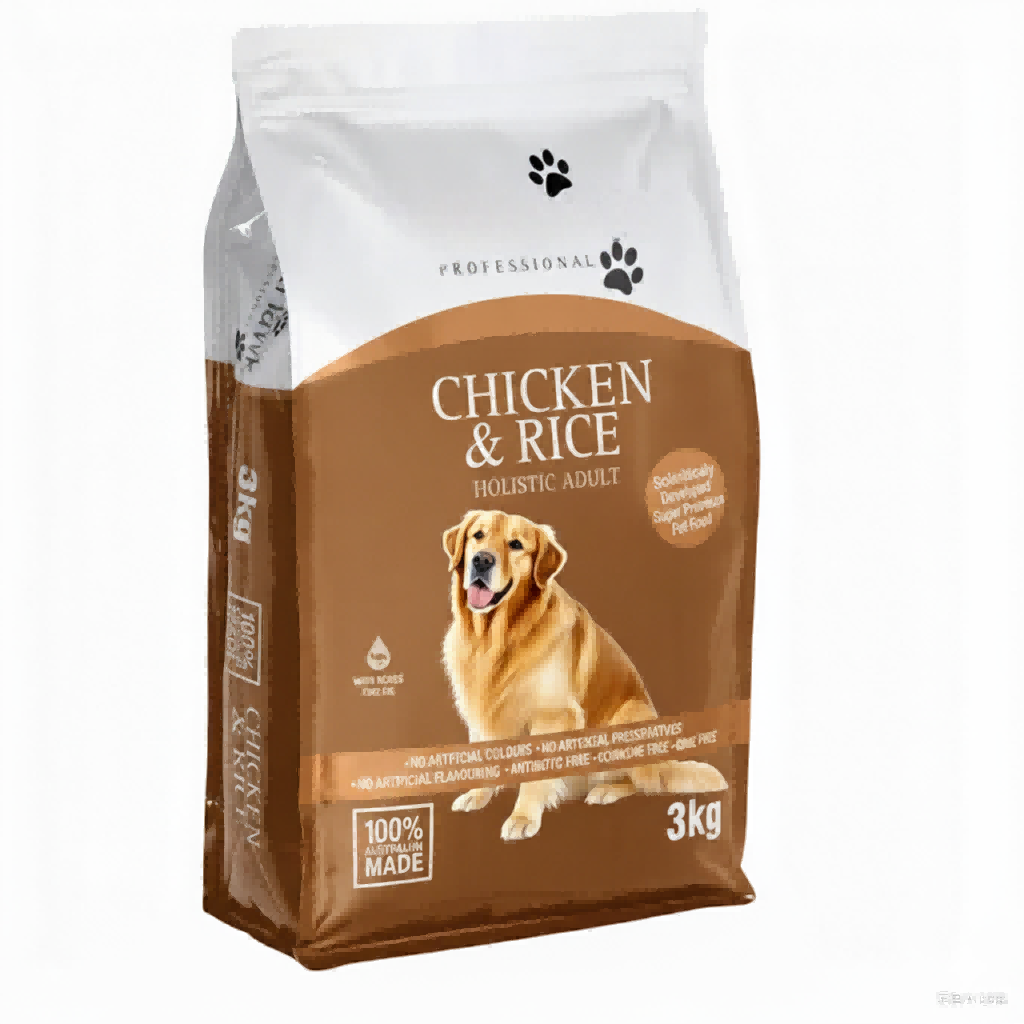
Commercial seal bags encompass multiple design configurations, each engineered to address distinct packaging challenges across different market sectors. The selection process involves evaluating factors such as product characteristics, storage duration, transportation requirements, and end-user convenience features. This comprehensive overview examines the primary categories of commercial seal bags, their structural attributes, application domains, and performance characteristics that make them suitable for specific commercial purposes.
Heat-Sealed Packaging Solutions
Impulse Heat Sealing Technology
Impulse heat sealing represents one of the most widely adopted methods for creating secure closures in commercial seal bags. This technology utilizes controlled electrical pulses to generate precise heat application along designated sealing areas, creating hermetic bonds between thermoplastic materials. The process involves positioning the bag opening between heated sealing bars, which apply temperature and pressure simultaneously to fuse the material layers together.
Commercial facilities often employ impulse sealing for polyethylene, polypropylene, and laminated film structures due to their excellent heat responsiveness. The seal integrity achieved through impulse methods provides reliable barrier protection against moisture infiltration and atmospheric gases. Industrial applications frequently utilize impulse-sealed bags for packaging powdered products, granular materials, and moisture-sensitive components where consistent seal quality is paramount.
The versatility of impulse sealing extends to various bag configurations, including flat pouches, gusseted designs, and stand-up formats. Temperature control systems within commercial sealing equipment ensure consistent heat application across different material thicknesses, preventing overheating that could compromise bag integrity. Quality control protocols typically include seal strength testing and visual inspection procedures to maintain packaging standards throughout production cycles.
Continuous Heat Sealing Systems
Continuous heat sealing technology offers enhanced productivity for high-volume commercial packaging operations. These systems feature moving conveyor mechanisms that transport seal bags through heated sealing zones, enabling uninterrupted processing of large quantities. The continuous motion allows for precise control over residence time within the heating zone, ensuring consistent seal formation across extended production runs.
Industrial continuous sealers accommodate various seal bag configurations, from simple flat pouches to complex multi-chamber designs. Temperature profiling capabilities enable operators to optimize heating parameters for specific material combinations, particularly when working with multi-layer laminated structures. The integration of cooling zones immediately following the heating area ensures proper seal formation before bags enter subsequent handling processes.
Commercial applications benefit from the reduced labor requirements and increased throughput achievable with continuous sealing systems. Quality monitoring features include automatic rejection mechanisms for improperly sealed bags, maintaining consistent package integrity throughout production. The scalability of continuous systems makes them particularly suitable for large-scale manufacturing environments where seal bags serve as primary packaging components.
Vacuum-Sealed Commercial Packaging
Chamber Vacuum Sealing Applications
Chamber vacuum sealing technology creates superior barrier protection by removing atmospheric gases from seal bags before closure formation. This method involves placing filled bags within sealed chambers, evacuating air through vacuum pumps, and subsequently heat-sealing the bag opening under controlled atmospheric conditions. The resulting packages exhibit extended shelf life characteristics due to reduced oxygen exposure and enhanced product preservation.
Commercial food processing facilities extensively utilize chamber vacuum systems for packaging perishable products, processed meats, and prepared meals. The vacuum environment prevents oxidation reactions that lead to quality degradation, while the hermetic seal maintains the reduced oxygen atmosphere throughout storage periods. Industrial applications extend beyond food products to include electronic components, pharmaceuticals, and sensitive materials requiring protection from atmospheric contamination.
The selection of appropriate seal bags for chamber vacuum applications requires consideration of material gas transmission rates and puncture resistance properties. Multi-layer barrier films provide optimal performance by combining oxygen impermeability with mechanical strength necessary to withstand vacuum forces. Quality assurance protocols include residual oxygen measurement and seal integrity testing to ensure package performance meets specified requirements.
External Vacuum Sealing Methods
External vacuum sealing systems offer flexibility for commercial operations requiring portable or semi-automated packaging solutions. These units extract air directly from bag openings using external vacuum nozzles, eliminating the need for chamber enclosure during the sealing process. The method provides cost-effective vacuum packaging capabilities for medium-volume commercial applications while maintaining acceptable barrier performance levels.
Commercial kitchens, retail establishments, and specialty food processors frequently employ external vacuum sealers for portion control packaging and product preparation activities. The accessibility of bag contents during the vacuum process allows for precise product arrangement and presentation enhancement. Seal bags designed for external vacuum applications typically feature enhanced puncture resistance to prevent air infiltration during vacuum formation.
The operational efficiency of external vacuum systems depends on proper bag material selection and sealing parameter optimization. Textured vacuum bags facilitate air removal by providing channels for gas evacuation, while smooth interior surfaces prevent product adhesion during vacuum formation. Commercial users benefit from the reduced equipment investment and maintenance requirements compared to chamber-based systems, making external vacuum sealing attractive for smaller-scale operations.
Specialized Closure Mechanisms
Zipper and Resealable Features
Zipper closure systems provide convenient access and resealing capabilities for commercial seal bags requiring multiple opening and closing cycles. These mechanical closure mechanisms utilize interlocking plastic profiles that create secure seals when properly engaged, while allowing easy opening through simple pulling actions. Commercial applications benefit from the user-friendly nature of zipper closures, particularly in retail environments where consumer convenience influences purchasing decisions.
Industrial packaging operations incorporate zipper features into seal bags containing products requiring portion control or repeated access during use. The durability of commercial-grade zipper systems enables numerous opening and closing cycles without compromising seal integrity. Material compatibility considerations ensure proper bonding between zipper components and bag substrates, preventing delamination under normal handling conditions.
Quality control measures for zipper-equipped seal bags include closure force testing and repeated cycling evaluations to verify performance standards. The integration of tamper-evident features with zipper closures provides additional security for commercial applications requiring package integrity verification. Advanced zipper designs incorporate color-coding systems and audible feedback mechanisms to enhance user experience and reduce improper closure incidents.
Press-to-Close Sealing Systems
Press-to-close sealing technology offers simple yet effective closure solutions for commercial seal bags through pressure-sensitive adhesive systems. These mechanisms activate through manual pressure application along designated sealing areas, creating bonds that maintain package integrity under normal handling conditions. The convenience of press-to-close systems makes them particularly suitable for commercial applications where automated sealing equipment is not practical or cost-effective.
Commercial users appreciate the simplicity and reliability of press-to-close seals in environments requiring quick packaging operations or temporary closure solutions. The adhesive systems used in commercial-grade press-to-close seal bags provide adequate bond strength for most storage and transportation conditions while remaining removable for content access. Material selection focuses on substrates that provide proper adhesive compatibility and mechanical strength for intended applications.
The performance characteristics of press-to-close seals depend on environmental conditions such as temperature, humidity, and surface cleanliness during application. Commercial quality standards specify adhesive strength requirements and environmental resistance parameters to ensure consistent performance across varying operating conditions. Testing protocols include peel strength measurement and environmental exposure evaluations to validate seal performance under expected use conditions.
Material-Specific Seal Bag Categories
Polyethylene-Based Solutions
Polyethylene represents the most common material platform for commercial seal bags due to its excellent heat sealing properties, chemical resistance, and cost-effectiveness. Low-density polyethylene provides flexibility and clarity suitable for retail packaging applications, while high-density variants offer enhanced barrier properties and mechanical strength for industrial uses. The material's compatibility with various sealing technologies makes polyethylene seal bags versatile solutions for diverse commercial requirements.
Commercial applications utilize different polyethylene grades to achieve specific performance characteristics in seal bags. Linear low-density polyethylene combines flexibility with improved puncture resistance, making it suitable for packaging products with sharp edges or irregular shapes. The thermal stability of polyethylene enables reliable seal formation across wide temperature ranges, accommodating various commercial sealing equipment configurations.
Environmental considerations drive the development of recyclable polyethylene seal bags that maintain commercial performance standards while supporting sustainability initiatives. Additive systems enhance specific properties such as anti-static behavior for electronic component packaging or anti-fog characteristics for refrigerated product applications. Quality specifications for polyethylene seal bags include thickness tolerance, optical properties, and mechanical strength parameters relevant to intended commercial uses.
Multi-Layer Barrier Constructions
Multi-layer barrier constructions combine different polymer materials to achieve enhanced protection characteristics in commercial seal bags. These laminated structures typically integrate materials such as polyethylene, polyamide, and metallized films to create barriers against oxygen, moisture, light, and other environmental factors. The synergistic effects of multiple layers provide superior preservation capabilities compared to single-material solutions.
Commercial food packaging extensively utilizes multi-layer seal bags to extend product shelf life and maintain quality during distribution and storage. The barrier properties of these constructions prevent flavor migration, rancidity development, and nutritional degradation in sensitive products. Industrial applications include pharmaceutical packaging, where multi-layer barriers protect active ingredients from environmental degradation while maintaining regulatory compliance requirements.
The manufacturing complexity of multi-layer seal bags requires precise control over adhesive systems, layer thickness distribution, and thermal processing parameters. Commercial specifications define barrier performance requirements through standardized testing methods measuring gas transmission rates, moisture permeability, and mechanical properties. The selection of appropriate layer combinations depends on specific product requirements, storage conditions, and regulatory standards applicable to the intended commercial use.
Industry-Specific Applications
Food Service and Processing
Food service operations rely heavily on specialized seal bags designed to meet strict hygiene standards and preservation requirements. Commercial kitchens utilize vacuum-sealed bags for sous vide cooking applications, where precise temperature control and extended cooking times demand reliable barrier performance. The food-grade materials used in these seal bags prevent chemical migration while maintaining structural integrity under thermal processing conditions.
Retail food packaging employs seal bags with modified atmosphere capabilities to extend product freshness and reduce waste. These systems replace atmospheric oxygen with protective gas mixtures, slowing oxidation and microbial growth processes. Commercial bakeries, meat processors, and produce packaging facilities integrate specialized sealing equipment to achieve consistent package quality while meeting regulatory requirements for food safety and labeling compliance.
The selection criteria for food service seal bags include FDA approval status, temperature resistance ranges, and barrier performance characteristics. Commercial operations must consider factors such as product acidity, fat content, and processing temperatures when specifying appropriate seal bag materials. Quality assurance protocols include migration testing, sensory evaluation, and microbiological validation to ensure package safety throughout product shelf life periods.
Medical and Pharmaceutical Packaging
Medical device packaging utilizes seal bags engineered to maintain sterility while providing convenient access to sterile instruments and supplies. These applications require materials that withstand sterilization processes such as gamma irradiation, ethylene oxide treatment, or steam autoclaving without compromising barrier properties. The seal integrity of medical packaging directly impacts patient safety and regulatory compliance in healthcare environments.
Pharmaceutical applications demand seal bags with exceptional barrier performance to protect sensitive drug formulations from moisture, oxygen, and light exposure. The materials selected for pharmaceutical seal bags must demonstrate compatibility with active ingredients and excipients while meeting stringent regulatory requirements. Commercial pharmaceutical packaging lines integrate advanced sealing technologies to ensure consistent package quality and tamper-evident features.
Validation requirements for medical and pharmaceutical seal bags include extensive testing protocols covering sterility maintenance, chemical compatibility, and physical protection capabilities. Commercial specifications reference international standards such as ISO 11607 for medical device packaging and USP guidelines for pharmaceutical containers. The documentation requirements for these applications include detailed material certificates, validation reports, and regulatory compliance attestations supporting product registration and market approval processes.
FAQ
What factors determine the appropriate seal bag type for specific commercial applications?
The selection of appropriate seal bags depends on several critical factors including product characteristics, storage environment, distribution requirements, and regulatory compliance needs. Product factors such as moisture sensitivity, oxygen reactivity, and physical properties influence barrier requirements and material selection. Environmental considerations include temperature extremes, humidity levels, and exposure duration that affect package performance. Distribution factors encompass handling conditions, transportation methods, and storage facilities that impact mechanical strength requirements. Regulatory requirements vary by industry and geographic location, particularly for food, pharmaceutical, and medical device applications where specific material approvals and performance standards apply.
How do commercial seal bag costs compare across different sealing technologies?
Commercial seal bag costs vary significantly based on material complexity, barrier requirements, and sealing technology employed. Simple polyethylene heat-sealed bags typically represent the most cost-effective option for basic packaging needs, while multi-layer barrier constructions command premium pricing due to material complexity and manufacturing requirements. Vacuum-sealed applications incur additional costs for specialized equipment and processing time, but may provide cost savings through extended product shelf life and reduced waste. Zipper and resealable features add material and manufacturing costs but can enhance product value and consumer convenience. Total cost considerations should include equipment investment, labor requirements, and potential savings from improved product preservation when evaluating different seal bag technologies.
What quality control measures ensure consistent seal bag performance in commercial operations?
Commercial seal bag quality control encompasses multiple testing protocols and monitoring procedures throughout production and application processes. Material incoming inspection verifies thickness tolerance, optical properties, and mechanical strength parameters against specifications. Seal strength testing measures bond integrity under standardized conditions, while leak detection identifies compromised packages before distribution. Environmental resistance testing evaluates performance under accelerated aging conditions, temperature extremes, and humidity exposure. Production monitoring includes real-time seal temperature control, pressure verification, and visual inspection procedures. Statistical process control methods track key performance indicators and identify trends requiring corrective action to maintain consistent package quality throughout commercial operations.
Are there environmental considerations when selecting commercial seal bags?
Environmental considerations play an increasingly important role in commercial seal bag selection, driven by sustainability initiatives and regulatory requirements. Material selection focuses on recyclable substrates, bio-based alternatives, and reduced packaging thickness while maintaining performance requirements. End-of-life considerations include compatibility with existing recycling infrastructure and biodegradation characteristics for appropriate applications. Life cycle assessment evaluates total environmental impact including raw material extraction, manufacturing processes, transportation requirements, and disposal methods. Commercial users increasingly specify post-consumer recycled content and sustainable sourcing practices when procuring seal bags. Regulatory compliance requirements in various jurisdictions mandate specific recycling symbols, material identification, and disposal instructions that influence packaging design and material selection decisions.
Table of Contents
- Heat-Sealed Packaging Solutions
- Vacuum-Sealed Commercial Packaging
- Specialized Closure Mechanisms
- Material-Specific Seal Bag Categories
- Industry-Specific Applications
-
FAQ
- What factors determine the appropriate seal bag type for specific commercial applications?
- How do commercial seal bag costs compare across different sealing technologies?
- What quality control measures ensure consistent seal bag performance in commercial operations?
- Are there environmental considerations when selecting commercial seal bags?