EN
EN

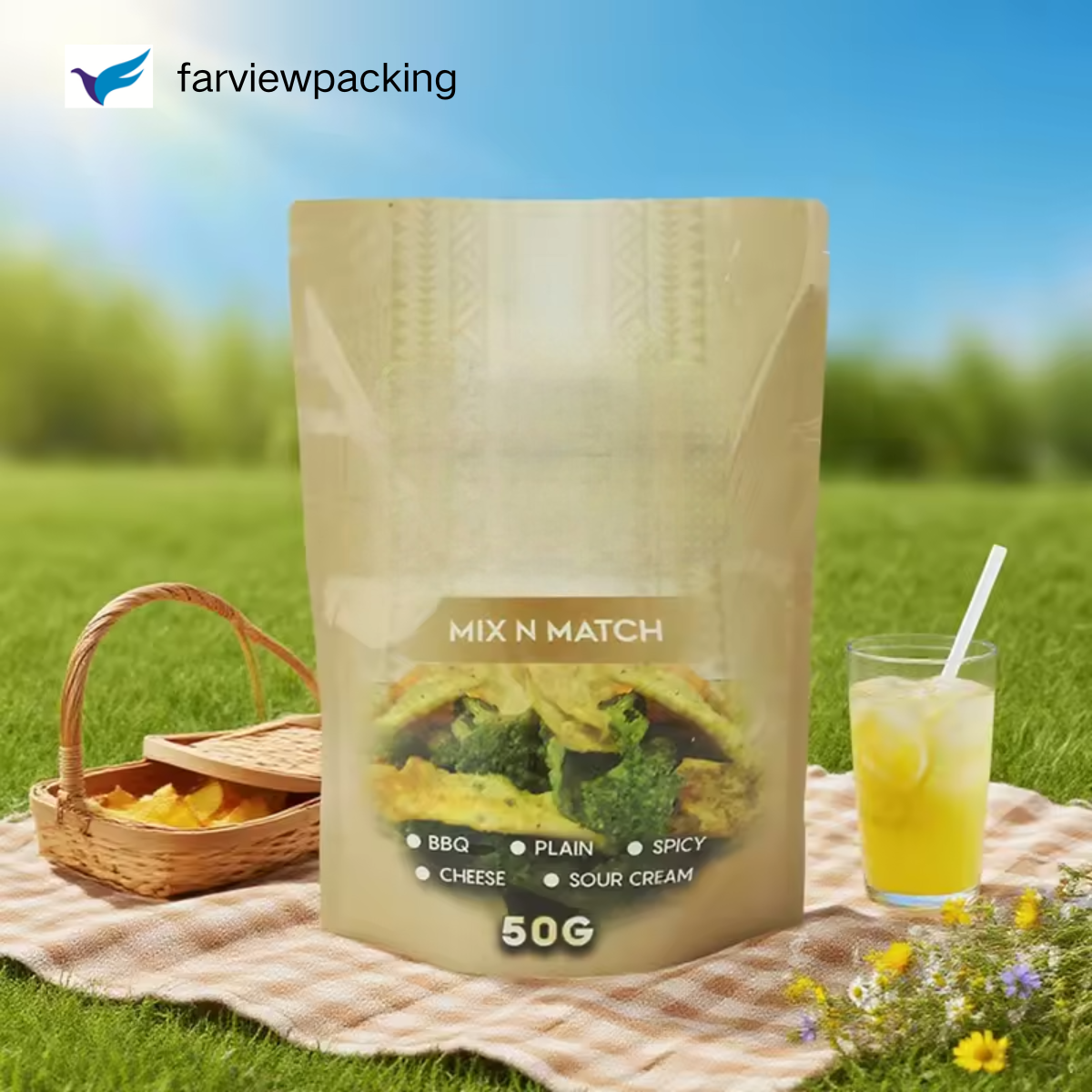
The global packaging industry is experiencing unprecedented transformation as we advance through 2025, with the packing bag segment leading the charge in innovative solutions. Modern consumers and businesses are demanding more sustainable, functional, and aesthetically appealing packaging options that align with environmental consciousness while maintaining superior product protection. This evolution has created a dynamic landscape where traditional packing bag manufacturers must adapt to emerging technologies and shifting market preferences to remain competitive.
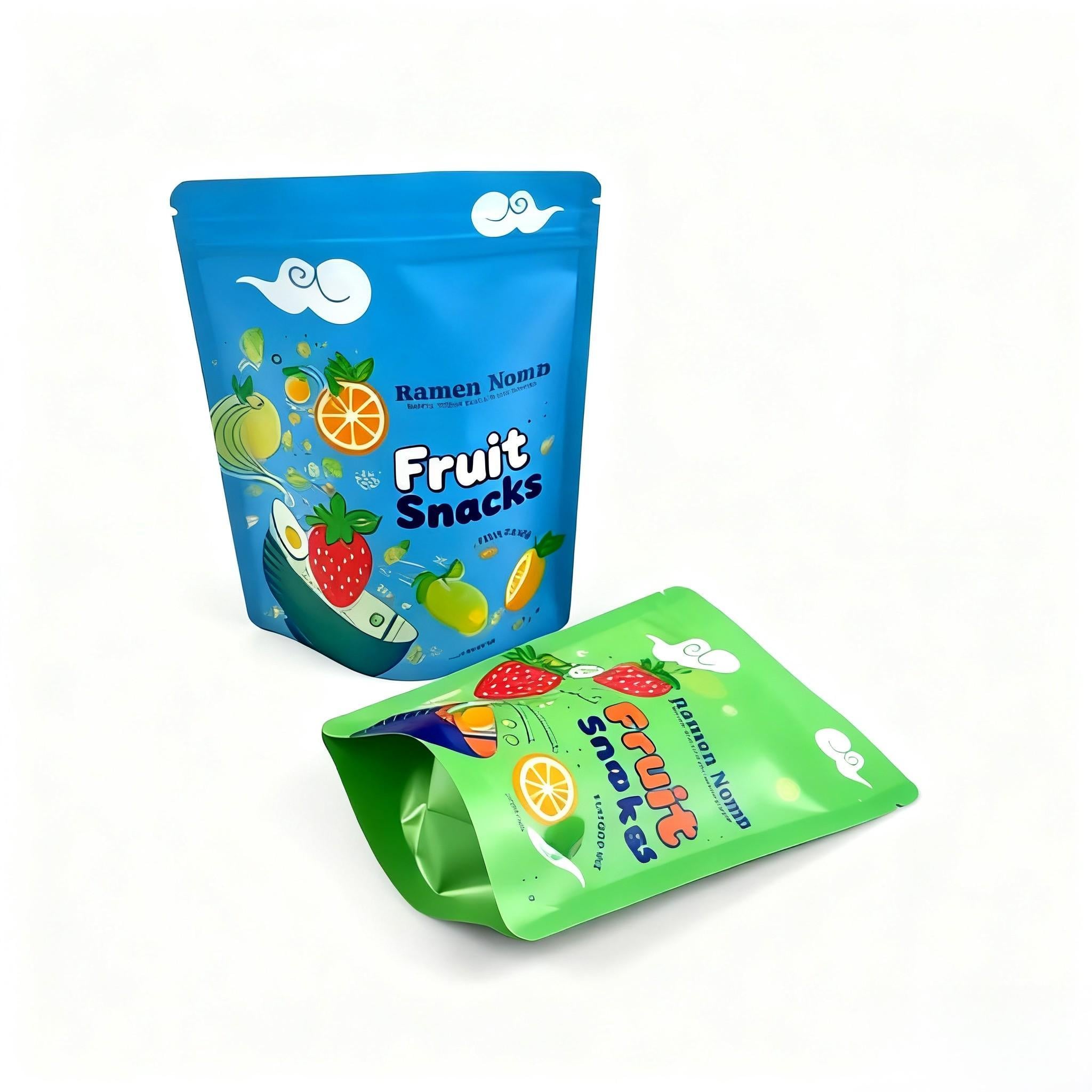
The convergence of sustainability imperatives, technological advancement, and consumer behavior changes has fundamentally reshaped how manufacturers approach packing bag design and production. From biodegradable materials to smart packaging features, the industry is witnessing innovations that were considered impossible just a few years ago. These developments are not merely trends but represent fundamental shifts that will define the future of packaging solutions across multiple industries.
Sustainable Material Revolution in Packing Bag Manufacturing
Biodegradable and Compostable Material Integration
The shift toward biodegradable materials represents one of the most significant developments in packing bag manufacturing this year. Companies are increasingly adopting plant-based polymers, mushroom-derived materials, and other organic compounds that naturally decompose without leaving harmful residues. These sustainable packing bag solutions are becoming more cost-effective as production scales increase and manufacturing processes become more refined.
Advanced composting technologies have enabled manufacturers to create packing bag products that break down completely within specific timeframes under controlled conditions. The development of home-compostable options has particularly gained traction among environmentally conscious consumers who prefer packaging solutions that align with their sustainability values. This trend is driving innovation in material science as companies invest heavily in research and development to create more efficient biodegradable alternatives.
Recycled Content Innovation
Post-consumer recycled materials are becoming increasingly prevalent in packing bag production, with manufacturers achieving higher percentages of recycled content without compromising quality or functionality. The integration of recycled plastics and fibers has reached new levels of sophistication, allowing for the creation of high-performance packing bag solutions that meet stringent industry standards while reducing environmental impact.
Chemical recycling technologies have opened new possibilities for incorporating recycled materials that were previously unsuitable for food-grade or high-barrier applications. This advancement has enabled packing bag manufacturers to expand their sustainable product lines while maintaining the protective qualities essential for various applications. The circular economy model is becoming more achievable as these technologies mature and become commercially viable.
Smart Packaging Technology Integration
Digital Connectivity Features
The incorporation of digital elements into packing bag design has revolutionized how consumers interact with products and how brands communicate with their target audience. QR codes, NFC chips, and augmented reality features are becoming standard elements in modern packing bag solutions, providing unprecedented opportunities for brand engagement and consumer education.
These smart features enable real-time tracking of products throughout the supply chain, providing valuable data for both manufacturers and consumers about product freshness, authenticity, and origin. The packing bag industry is leveraging these technologies to create more transparent and interactive packaging experiences that build consumer trust and loyalty.
Sensor-Enabled Monitoring Systems
Advanced sensor technologies embedded within packing bag structures are enabling real-time monitoring of environmental conditions such as temperature, humidity, and gas composition. These intelligent packaging solutions provide crucial information about product quality and safety, particularly in food and pharmaceutical applications where maintaining optimal storage conditions is critical.
Time-temperature indicators and freshness sensors are becoming more sophisticated and cost-effective, making them viable for a broader range of packing bag applications. The data collected by these sensors can be transmitted to smartphones or other devices, allowing consumers to make informed decisions about product consumption and storage.
Customization and Personalization Trends
On-Demand Manufacturing Capabilities
Digital printing technologies and flexible manufacturing systems have enabled unprecedented levels of customization in packing bag production. Brands can now create highly personalized packaging experiences with shorter lead times and lower minimum order quantities, making customization accessible to businesses of all sizes.
Variable data printing allows for individual packing bag customization, enabling unique serial numbers, personalized messages, or location-specific information to be printed on each package. This level of customization is particularly valuable for promotional campaigns, limited editions, and regional marketing strategies that require targeted messaging.
Modular Design Systems
Modular packing bag designs that can be easily modified or reconfigured are gaining popularity among manufacturers and brands seeking flexibility in their packaging strategies. These systems allow for quick adaptation to different product sizes, seasonal requirements, or market-specific preferences without requiring completely new packaging solutions.
The modular approach also facilitates easier inventory management and reduces waste by allowing components to be used across multiple product lines. This flexibility is particularly valuable in industries with diverse product portfolios or frequently changing packaging requirements.
Enhanced Functionality and Performance Features
Advanced Barrier Properties
Modern packing bag solutions are incorporating sophisticated barrier technologies that provide superior protection against moisture, oxygen, light, and other environmental factors that can compromise product quality. Nano-coating technologies and multi-layer lamination techniques are enabling thinner materials to achieve performance levels previously only possible with much heavier packaging.
Active packaging technologies that interact with the packaged product to extend shelf life or maintain quality are becoming more prevalent in packing bag applications. These systems can absorb excess moisture, release preservatives, or neutralize harmful compounds, providing active protection rather than passive barrier properties.
Convenience and User Experience Improvements
Consumer convenience features are driving significant innovation in packing bag design, with easy-open mechanisms, resealable closures, and portion control features becoming standard expectations rather than premium additions. These functionality improvements are being achieved while maintaining or improving the protective qualities of the packaging.
Ergonomic design considerations are receiving increased attention as manufacturers recognize the importance of packaging that is accessible to users with varying physical capabilities. Universal design principles are being applied to create packing bag solutions that are easier to handle, open, and dispose of for all users.
Market-Specific Adaptations and Innovations
Food Industry Specialization
The food industry continues to drive innovation in packing bag technology, with specialized solutions for different product categories becoming increasingly sophisticated. Fresh produce packaging requires different properties than frozen foods or shelf-stable products, leading to the development of highly specialized packing bag solutions for each application.
Modified atmosphere packaging and controlled atmosphere systems are being integrated into packing bag designs to extend product freshness and reduce food waste. These technologies are becoming more accessible to smaller producers as costs decrease and implementation becomes simpler.
E-commerce Optimization
The continued growth of e-commerce has created unique requirements for packing bag solutions that must protect products during shipping while minimizing packaging waste and costs. Lightweight materials that maintain strength and protective properties are essential for reducing shipping costs and environmental impact.
Packing bag designs optimized for automated fulfillment systems are becoming increasingly important as e-commerce operations seek to improve efficiency and reduce labor costs. These packaging solutions must be compatible with robotic handling systems while maintaining their protective and aesthetic qualities.
Regulatory Compliance and Safety Standards
Evolving Regulatory Requirements
Regulatory frameworks governing packing bag materials and designs are becoming more stringent, particularly regarding food safety, environmental impact, and chemical migration. Manufacturers must stay ahead of these evolving requirements to ensure their products remain compliant in all target markets.
International harmonization of standards is creating opportunities for packing bag manufacturers to develop solutions that can be used across multiple markets without modification. This standardization reduces costs and complexity while ensuring consistent quality and safety standards.
Traceability and Documentation
Enhanced traceability requirements are driving the adoption of better documentation and tracking systems throughout the packing bag supply chain. Digital records and blockchain technologies are being explored as ways to provide transparent and tamper-proof documentation of material sources, manufacturing processes, and distribution chains.
These systems provide valuable information for recall management, quality assurance, and regulatory compliance while building consumer confidence in product safety and authenticity. The ability to quickly trace products through the supply chain is becoming a competitive advantage for packing bag manufacturers.
FAQ
What are the most important sustainability trends affecting packing bag manufacturing in 2025
The most significant sustainability trends include the widespread adoption of biodegradable and compostable materials, increased use of post-consumer recycled content, and the development of circular economy models that minimize waste throughout the product lifecycle. Manufacturers are also focusing on reducing packaging weight and volume while maintaining protective properties, and implementing renewable energy sources in production facilities to reduce carbon footprints.
How is smart technology being integrated into modern packing bag solutions
Smart technology integration includes QR codes and NFC chips for digital connectivity, embedded sensors for monitoring environmental conditions, and augmented reality features for enhanced consumer engagement. These technologies enable real-time tracking throughout the supply chain, provide information about product freshness and authenticity, and create interactive experiences that build brand loyalty and consumer trust.
What customization options are available for businesses seeking personalized packing bag solutions
Modern customization options include digital printing for variable data and personalized messaging, modular design systems that can be easily modified for different applications, and on-demand manufacturing capabilities that reduce minimum order quantities. Businesses can now access highly personalized packaging experiences with shorter lead times and greater flexibility in design changes and seasonal adaptations.
How are packing bag manufacturers adapting to e-commerce growth and shipping requirements
Manufacturers are developing lightweight materials that maintain strength and protective properties to reduce shipping costs, creating designs optimized for automated fulfillment systems, and implementing features that protect products during transit while minimizing packaging waste. The focus is on creating packing bag solutions that are compatible with robotic handling systems and can withstand the rigors of e-commerce distribution networks.
Table of Contents
- Sustainable Material Revolution in Packing Bag Manufacturing
- Smart Packaging Technology Integration
- Customization and Personalization Trends
- Enhanced Functionality and Performance Features
- Market-Specific Adaptations and Innovations
- Regulatory Compliance and Safety Standards
-
FAQ
- What are the most important sustainability trends affecting packing bag manufacturing in 2025
- How is smart technology being integrated into modern packing bag solutions
- What customization options are available for businesses seeking personalized packing bag solutions
- How are packing bag manufacturers adapting to e-commerce growth and shipping requirements