EN
EN

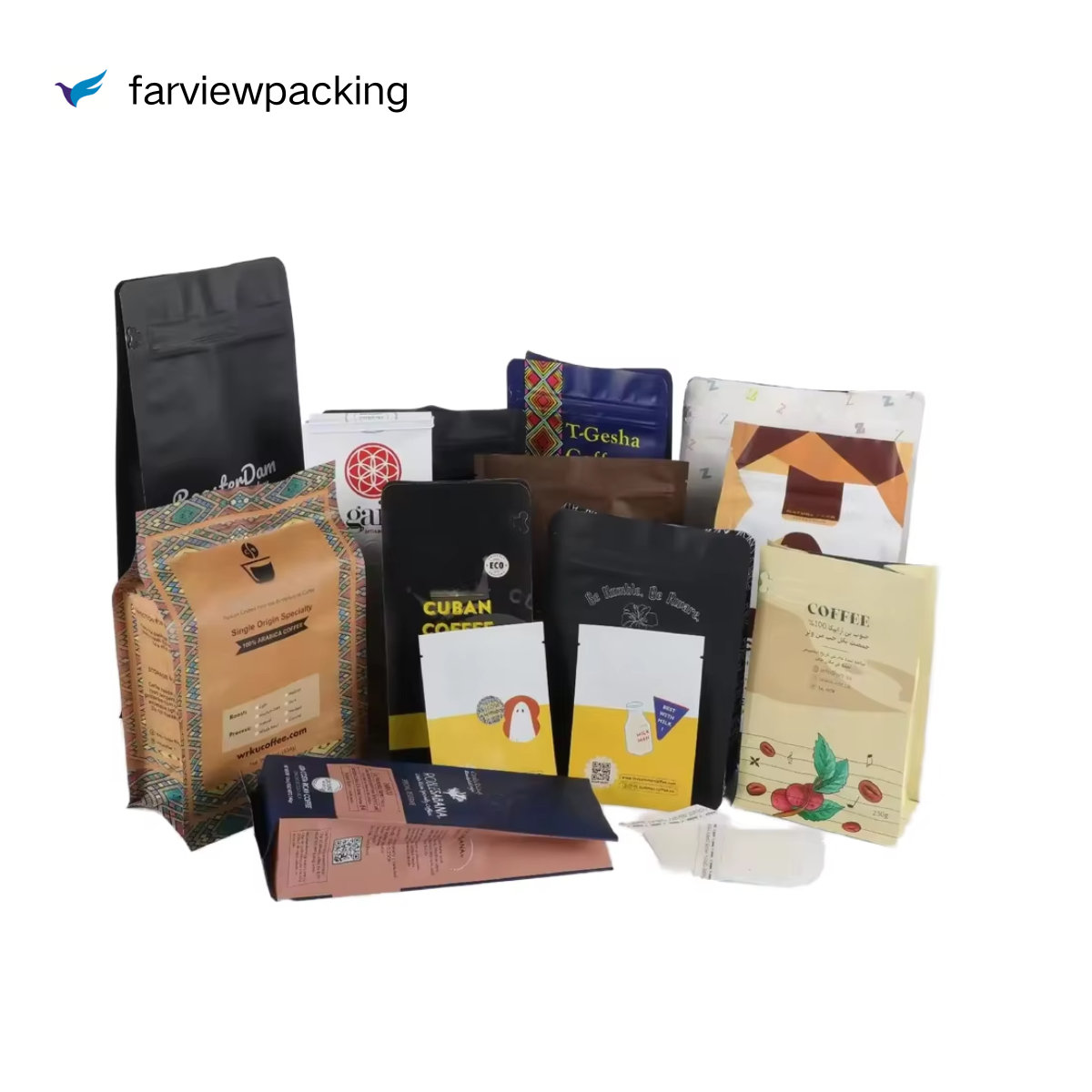
Modern bulk food distribution faces mounting pressure to deliver products efficiently while maintaining quality, freshness, and cost-effectiveness throughout the supply chain. Food packaging bags have emerged as the cornerstone solution for companies seeking to optimize their bulk distribution operations, offering superior protection, stackability, and handling characteristics that traditional packaging methods simply cannot match. These specialized packaging solutions enable distributors to move large quantities of food products with reduced waste, improved storage efficiency, and enhanced product integrity from warehouse to final destination.
The efficiency gains from properly designed food packaging bags extend far beyond basic containment, transforming how distributors approach inventory management, transportation logistics, and customer satisfaction. By understanding the specific mechanisms through which these packaging solutions support bulk distribution operations, food companies can make informed decisions that significantly impact their operational efficiency, cost structure, and market competitiveness. This comprehensive analysis explores the practical ways food packaging bags drive distribution efficiency and the strategic advantages they provide in today's demanding marketplace.
Storage Space Optimization Through Advanced Bag Design
Flat Bottom Construction for Maximum Warehouse Utilization
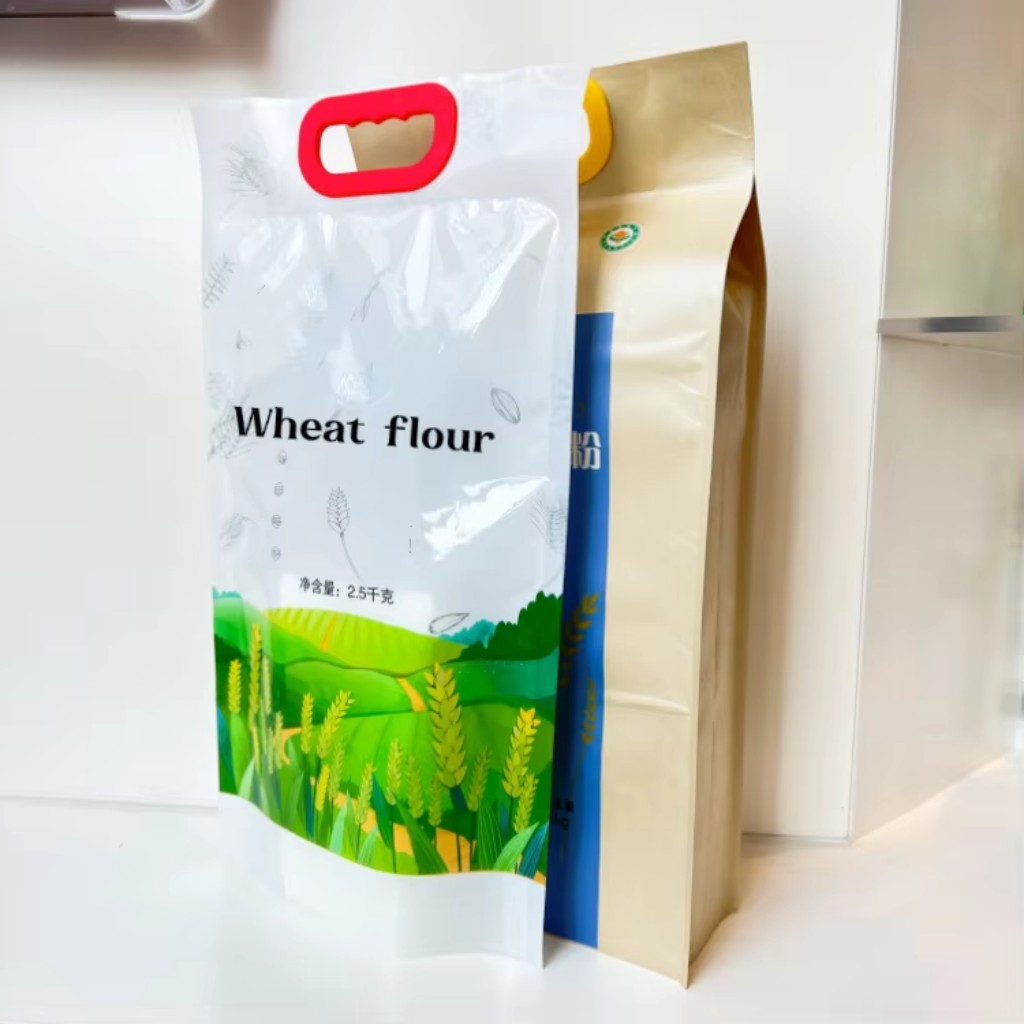
Food packaging bags with flat bottom designs revolutionize warehouse storage by creating stable, rectangular footprints that maximize cubic space utilization. Unlike traditional round containers or irregularly shaped packages, these bags align perfectly with standard pallet configurations and warehouse racking systems. The flat bottom construction allows bags to stand upright independently, eliminating the need for additional support structures or specialized storage equipment that can consume valuable warehouse space.
Distribution centers report space utilization improvements of 20-30% when switching from cylindrical containers to flat bottom food packaging bags. This increased density translates directly into reduced storage costs per unit, allowing distributors to maintain larger inventories within existing facilities or reduce their real estate footprint while maintaining the same inventory levels. The rectangular profile also facilitates automated handling systems, as robotic equipment can more easily grip and manipulate bags with predictable dimensions.
The gusset design common in modern food packaging bags further enhances storage efficiency by allowing the bag to expand uniformly when filled while maintaining its stable base. This expansion pattern ensures optimal product distribution within the bag, preventing settling that could create unstable stacks or inefficient use of the bag's capacity. The result is consistent bag dimensions across entire shipments, enabling precise stacking calculations and maximizing transportation efficiency.
Stackability Features That Reduce Handling Requirements
Professional-grade food packaging bags incorporate specific design features that enhance stackability and reduce the labor intensity of bulk distribution operations. The uniform shape and controlled expansion characteristics ensure that bags maintain consistent dimensions when filled, allowing for secure stacking without the risk of toppling or shifting during storage and transport. This predictability reduces the need for frequent restacking operations that consume valuable labor hours.
The material strength and construction quality of modern food packaging bags support multi-tier stacking arrangements that would be impossible with lesser packaging solutions. High-quality bags can typically support 5-8 layers of stacking without deformation, depending on the product weight and bag specifications. This vertical storage capability is crucial for maximizing warehouse efficiency and reducing the horizontal footprint required for inventory storage.
Strategic placement of reinforcement areas in food packaging bags ensures that stacking forces are distributed evenly across the bag structure, preventing localized stress points that could lead to failure. The reinforced corners and seam areas provide the structural integrity necessary for sustained stacking applications, while the flexible body of the bag accommodates minor variations in fill level or product settlement without compromising stack stability.
Transportation Efficiency and Load Optimization
Weight-to-Volume Ratio Advantages
Food packaging bags offer exceptional weight-to-volume ratios that significantly impact transportation efficiency in bulk distribution operations. The lightweight nature of bag materials means that more product weight can be transported within vehicle weight limits, maximizing the revenue-generating cargo while minimizing transportation costs per unit. This advantage becomes particularly pronounced when distributing dense food products where vehicle weight capacity is reached before volume capacity.
The flexible nature of food packaging bags allows them to conform to available transport space more effectively than rigid containers. During transportation, bags can adjust to fill irregular spaces within trailers or shipping containers, eliminating wasted volume that occurs with fixed-shape packaging. This conformability often results in 10-15% better space utilization compared to rigid packaging alternatives, translating into reduced transportation costs and improved delivery efficiency.
Temperature management during transportation also benefits from the thermal properties of modern food packaging bags. The multi-layer construction common in high-quality bags provides insulation properties that help maintain product temperature during transit, reducing the energy requirements for refrigerated transport when dealing with temperature-sensitive food products. This thermal efficiency contributes to overall distribution cost savings while maintaining product quality.
Loading and Unloading Operational Benefits
The ergonomic characteristics of food packaging bags substantially reduce the physical demands of loading and unloading operations in bulk distribution. Bags can be designed with integrated handles or grip areas that facilitate manual handling, while their flexible construction allows workers to manipulate them more easily than rigid containers of equivalent capacity. This ease of handling translates into faster loading and unloading times, improving overall distribution efficiency.
Compatibility with mechanical handling equipment represents another significant advantage of food packaging bags in bulk distribution operations. The uniform dimensions and stable base design allow for efficient use of forklifts, conveyor systems, and automated loading equipment. The bags' ability to maintain their shape under mechanical handling reduces the risk of equipment jams or handling delays that can slow distribution operations.
Damage reduction during loading and unloading operations contributes significantly to distribution efficiency by minimizing product loss and the associated costs of cleanup, replacement, and quality control interventions. The tear-resistant materials and reinforced construction of quality food packaging bags protect contents from the mechanical stresses of distribution handling, reducing the incidence of product loss that can disrupt distribution schedules and increase operational costs.
Product Protection and Quality Maintenance
Moisture and Contamination Barriers
Advanced food packaging bags incorporate multiple barrier layers that provide comprehensive protection against moisture infiltration, a critical factor in maintaining product quality during bulk distribution. The moisture-proof characteristics prevent product degradation that could render entire shipments unusable, eliminating the costs and disruptions associated with rejected deliveries or customer complaints. This protection is particularly vital for dry goods, powders, and other moisture-sensitive food products commonly distributed in bulk quantities.
The barrier properties of modern food packaging bags extend beyond moisture to include protection against oxygen, light, and other environmental factors that can compromise food quality. Multi-layer construction with specialized barrier materials creates an effective shield against external contaminants while maintaining the internal atmosphere necessary for product preservation. This comprehensive protection ensures that products arrive at their destination in optimal condition, supporting customer satisfaction and reducing return rates.
Tamper-evident features integrated into food packaging bags provide additional security and quality assurance benefits that support efficient distribution operations. These features allow distributors and customers to quickly verify product integrity without extensive inspection processes, reducing handling time and associated labor costs. The ability to rapidly confirm product safety and quality streamlines the receiving process at distribution centers and customer facilities.
Extended Shelf Life Impact on Distribution Planning
The superior preservation characteristics of high-quality food packaging bags directly impact distribution planning by extending effective product shelf life and reducing the urgency of delivery schedules. Products that maintain their quality longer provide distribution operations with greater flexibility in routing, scheduling, and inventory management. This extended shelf life allows distributors to optimize delivery routes for efficiency rather than urgency, reducing transportation costs and improving resource utilization.
Reduced product loss due to spoilage or quality degradation eliminates the need for emergency replacements and expedited deliveries that can strain distribution systems and increase operational costs. When food packaging bags effectively preserve product quality throughout the distribution cycle, distributors can maintain more predictable schedules and avoid the disruptions associated with quality failures that require immediate corrective action.
The consistent quality maintenance provided by effective food packaging bags enables distributors to implement more sophisticated inventory management strategies, such as just-in-time delivery systems or consolidated shipments that maximize efficiency. The confidence in product quality over extended periods allows for better demand forecasting and more strategic distribution planning that optimizes both cost and service levels.
Cost-Effectiveness and Economic Impact
Packaging Material Cost Optimization
Food packaging bags represent a cost-effective packaging solution that significantly impacts the economics of bulk distribution operations. The material costs of high-quality bags are typically lower than rigid packaging alternatives while providing equivalent or superior product protection. This cost advantage compounds across large-volume distribution operations, where packaging represents a substantial portion of total operational expenses.
The lightweight nature of bag materials reduces shipping costs for empty packaging, an often-overlooked factor that can impact distribution economics. When distributors need to transport empty packaging to filling locations or maintain packaging inventory at multiple sites, the weight savings of food packaging bags compared to rigid alternatives can result in substantial transportation cost reductions over time.
Disposal and recycling advantages of modern food packaging bags contribute to long-term cost management in distribution operations. Many bags are designed for easier recycling than complex rigid packaging systems, reducing disposal costs and supporting environmental sustainability goals. The reduced volume of packaging waste also decreases waste management costs at distribution facilities and customer locations.
Labor Efficiency and Operational Cost Reduction
The handling characteristics of food packaging bags reduce labor requirements throughout the distribution process, from initial packaging through final delivery. The lighter weight and more ergonomic design reduce worker fatigue and the risk of handling injuries, leading to lower workers' compensation costs and improved productivity. These labor efficiency gains accumulate across all distribution activities to provide substantial operational cost savings.
Automated handling compatibility of modern food packaging bags enables distributors to implement mechanized systems that further reduce labor costs and improve processing speed. The consistent dimensions and predictable handling characteristics of quality bags allow for effective use of automated sorting, stacking, and loading equipment that can process large volumes with minimal human intervention.
Quality control processes become more efficient with properly designed food packaging bags, as the transparent or semi-transparent materials often used allow for visual inspection without opening packages. This capability reduces the time and labor required for quality verification processes while maintaining high standards for product integrity throughout the distribution chain.
FAQ
What weight capacities can modern food packaging bags handle for bulk distribution?
Modern food packaging bags designed for bulk distribution typically handle weight capacities ranging from 5kg to 50kg depending on the specific construction and material specifications. Heavy-duty bags with reinforced seams and multi-layer construction can safely contain products up to 25-30kg while maintaining structural integrity throughout distribution handling. The key factors determining weight capacity include the bag material thickness, seam reinforcement quality, and overall construction design.
How do food packaging bags compare to rigid containers for transportation efficiency?
Food packaging bags generally provide 15-25% better space utilization compared to rigid containers due to their ability to conform to available transport space and nest together more efficiently. The flexible construction allows bags to adjust their shape to fill irregular spaces in vehicles, while their lighter weight means more product can be transported within vehicle weight limits. Additionally, empty bags require significantly less storage and transportation space than rigid containers.
What barrier properties should food packaging bags have for optimal bulk distribution?
Effective food packaging bags for bulk distribution should incorporate moisture barriers with less than 1g/m²/day water vapor transmission rate, oxygen barriers appropriate for the specific food product, and puncture resistance suitable for distribution handling stresses. Multi-layer constructions combining materials like polyethylene, nylon, and specialized barrier films provide comprehensive protection against environmental factors that could compromise product quality during extended distribution cycles.
Can food packaging bags be customized for specific distribution requirements?
Yes, food packaging bags can be extensively customized to meet specific distribution requirements including size optimization for particular transport vehicles, specialized closure systems for easy opening at destination facilities, and custom barrier properties tailored to specific food products. Manufacturers can adjust bag dimensions, material specifications, printing requirements, and handling features to optimize performance for particular distribution applications and operational needs.
Table of Contents
- Storage Space Optimization Through Advanced Bag Design
- Transportation Efficiency and Load Optimization
- Product Protection and Quality Maintenance
- Cost-Effectiveness and Economic Impact
-
FAQ
- What weight capacities can modern food packaging bags handle for bulk distribution?
- How do food packaging bags compare to rigid containers for transportation efficiency?
- What barrier properties should food packaging bags have for optimal bulk distribution?
- Can food packaging bags be customized for specific distribution requirements?