EN
EN

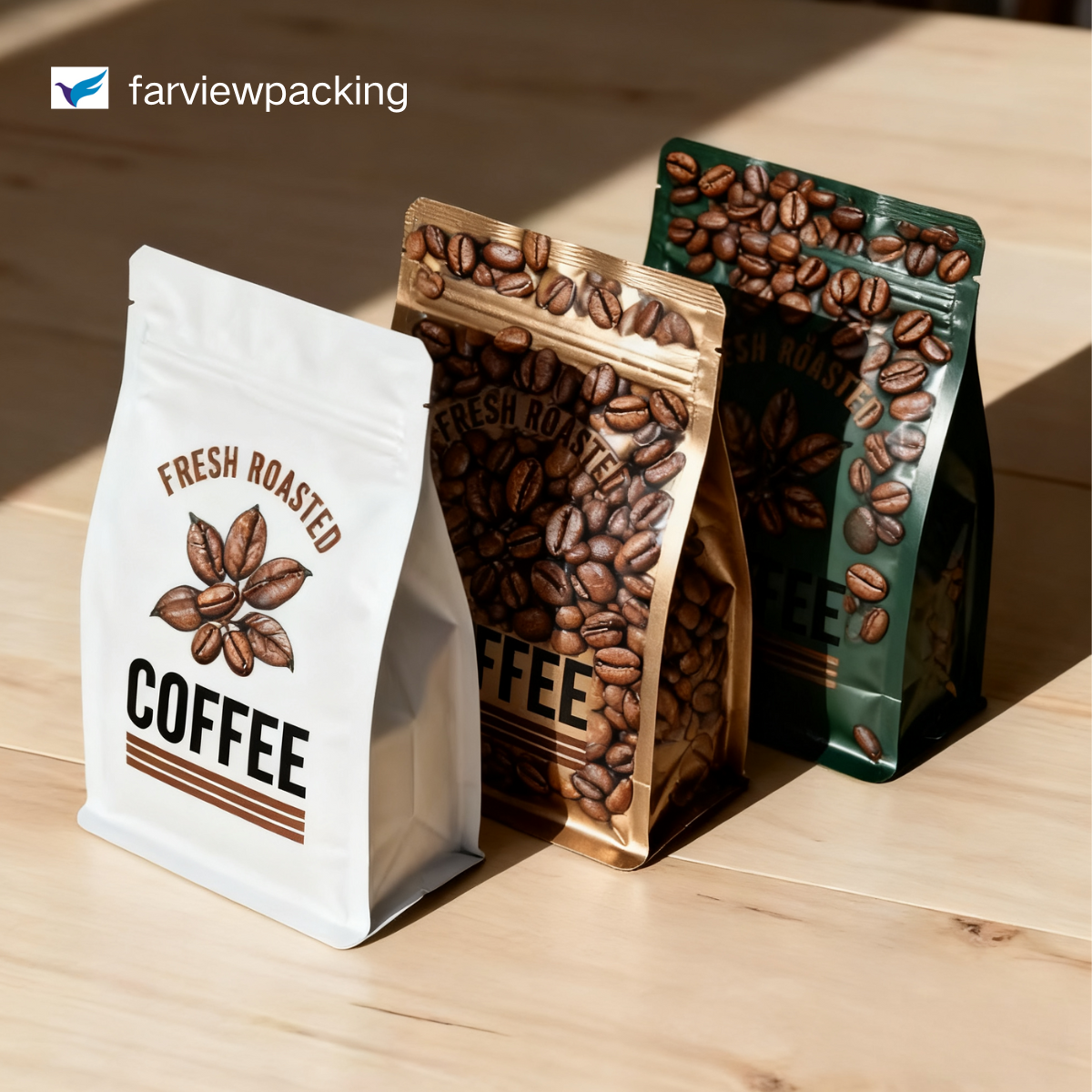
In the competitive world of food production and retail, product freshness is not a luxury — it is a baseline expectation. Consumers open a bag of nuts, dried fruit, or snacks and immediately judge quality by smell, texture, and appearance. When that experience falls short, brand trust erodes. This is precisely why food packaging bags occupy such a critical role in the supply chain. They are not simply containers; they are active preservation systems that shield products from the moment of packing to the instant of consumption.
The relationship between food packaging bags and freshness is deeply rooted in material science, barrier engineering, and thoughtful structural design. Understanding why these bags are so vital — not just useful, but genuinely essential — helps manufacturers, distributors, and retailers make smarter procurement decisions. This article explores the core reasons food packaging bags are indispensable for maintaining product freshness across diverse food categories, from nuts and dried fruits to snack mixes and specialty ingredients.
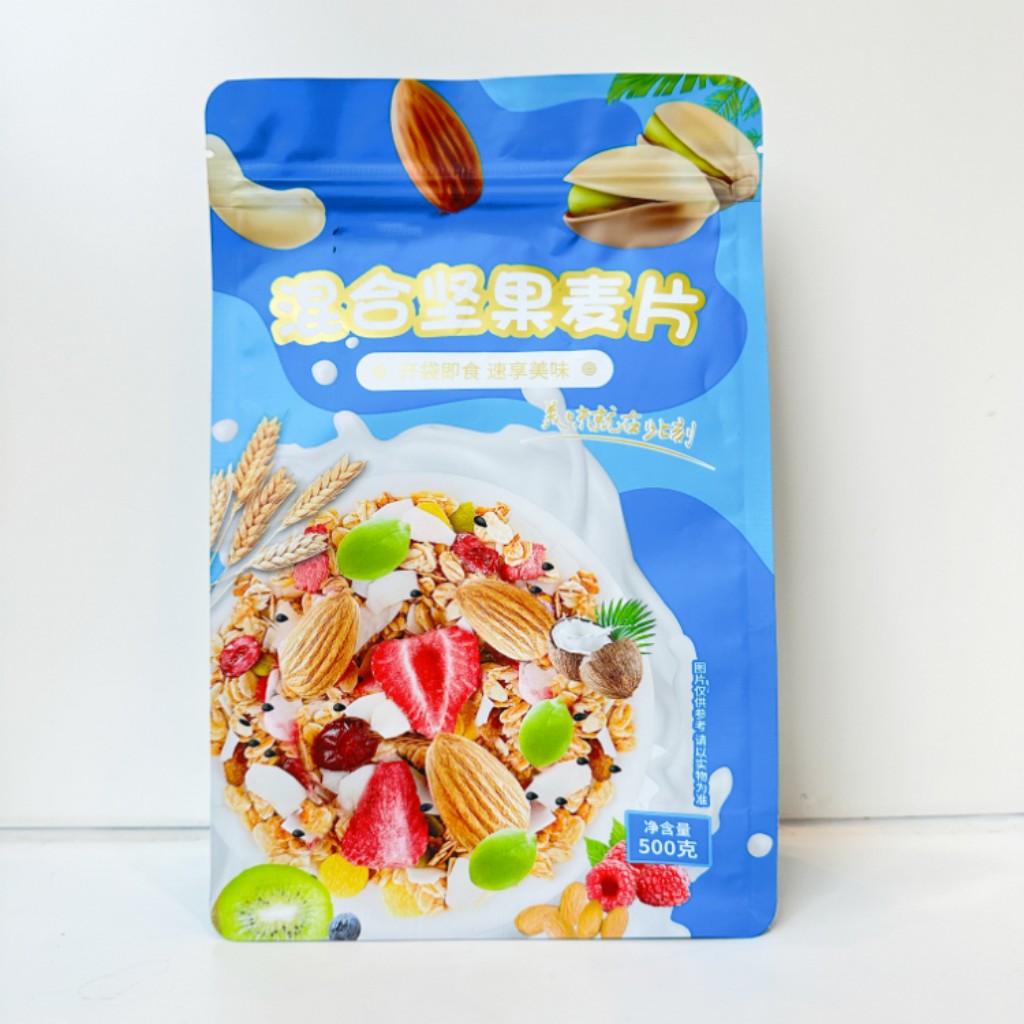
The Science Behind Freshness Preservation in Food Packaging Bags
Barrier Properties That Block Degradation Triggers
Food spoilage is driven by a predictable set of environmental factors: oxygen exposure, moisture ingress, light penetration, and temperature fluctuation. Each of these variables accelerates the oxidation of fats, the growth of microorganisms, and the loss of volatile aromatic compounds that define flavor and aroma. High-quality food packaging bags are specifically engineered to minimize or eliminate these threats through layered barrier structures.
Multi-layer laminate films, for instance, combine materials such as biaxially oriented polypropylene (BOPP), polyethylene (PE), and aluminum foil or metallized films to create a barrier that resists oxygen transmission and moisture vapor transfer simultaneously. Each layer contributes a specific protective function, and together they provide a level of protection that single-layer materials simply cannot achieve. This is why premium food packaging bags feel structurally different from basic packaging — they carry more engineered protection inside their walls.
For products like nuts and dried fruits, which are particularly sensitive to moisture and oxygen, these barrier properties are not optional enhancements. They are fundamental requirements that determine whether a product arrives at the retail shelf in peak condition or degraded state. Without proper barrier engineering in food packaging bags, shelf life projections become unreliable and quality complaints become frequent.
Sealing Integrity and Its Role in Freshness Retention
Even the most sophisticated barrier film loses its value if the bag cannot be sealed effectively. Sealing integrity — the completeness and strength of heat seals or zipper closures — is a defining performance characteristic of well-designed food packaging bags. A compromised seal creates micro-pathways for oxygen and moisture to enter, rapidly undermining the protective environment that the packaging was designed to create.
Resealable food packaging bags, particularly those equipped with press-to-close zipper mechanisms, offer an additional layer of consumer-side freshness protection. After the initial opening, consumers can reseal the bag and restore a reasonably airtight environment around the remaining product. This is especially important for snack-category products that are rarely consumed in a single sitting. The ability to reseal transforms a static package into a dynamic freshness tool across multiple use occasions.
Manufacturers who invest in food packaging bags with robust seal construction reduce customer complaints, extend effective shelf life, and reduce product waste — all of which translate into measurable commercial benefits. Seal quality is not a finishing detail; it is a freshness-critical engineering parameter.
Why Moisture Control in Food Packaging Bags Is Non-Negotiable
The Destructive Impact of Moisture on Dry Food Products
Moisture is among the most damaging forces acting on dry food products. When humidity permeates packaging, it initiates a cascade of degradation processes: nuts become soft and rancid, dried fruits develop surface mold, and crispy snacks lose their characteristic texture entirely. The water activity within the product rises, creating conditions where microbial growth accelerates and enzymatic reactions proceed unchecked. Proper food packaging bags break this cycle at the source by providing an effective moisture vapor barrier.
Waterproof or moisture-resistant food packaging bags are designed with low moisture vapor transmission rate (MVTR) films that prevent ambient humidity from migrating into the packaged environment. This is particularly critical for products stored in warehouses, transit containers, or retail environments where temperature swings cause condensation. Without this protection, even products with inherently long shelf lives can degrade within weeks of packaging.
From a regulatory and commercial standpoint, moisture control also supports accurate shelf-life labeling. When manufacturers use food packaging bags with validated moisture barrier performance, they can assign shelf-life dates with confidence, knowing that the packaging itself is a reliable contributing factor to product stability.
Waterproof Design Features in Modern Food Packaging Bags
Modern waterproof food packaging bags incorporate design features that go beyond the film itself. Gusset construction — bottom gussets and side gussets — creates structural stability that prevents bag deformation during transit, which can stress seal areas and introduce weaknesses over time. A bag that maintains its shape protects its seals, and seals that hold protect moisture control.
Additionally, surface treatments and coatings applied to the outer layers of food packaging bags provide resistance to surface condensation and incidental liquid exposure during handling and transport. These features are not cosmetic; they protect the integrity of the printing and structural laminations that make up the bag, ensuring the package performs as engineered throughout the entire distribution journey.
For businesses in the nuts, dried fruit, and specialty snack segment, selecting food packaging bags with verified waterproof properties is a straightforward risk-reduction decision. The cost differential between standard and moisture-resistant packaging is consistently smaller than the cost of a single product recall or a seasonal quality crisis driven by moisture ingress.
How Food Packaging Bags Extend Shelf Life and Reduce Waste
Oxygen Exclusion and Modified Atmosphere Compatibility
Oxygen is the primary driver of lipid oxidation in fatty foods, including most nuts and seed-based products. Oxidation produces off-flavors, rancid odors, and changes in color that consumers immediately detect and reject. Food packaging bags engineered with high oxygen barrier properties slow this oxidation process dramatically, extending shelf life from weeks to months without the need for artificial preservatives.
Many advanced food packaging bags are designed to be compatible with modified atmosphere packaging (MAP) or nitrogen flushing techniques. In these processes, oxygen inside the bag is replaced with inert nitrogen gas before sealing. The bag's barrier properties must be sufficient to maintain this modified atmosphere over the full intended shelf life. A bag that allows oxygen to gradually permeate will compromise the MAP treatment within days, negating the entire investment in gas-flushing equipment and process.
This compatibility with atmosphere modification techniques makes food packaging bags with strong oxygen barrier performance a strategic asset for manufacturers targeting premium shelf-life claims. A product labeled with a 12-month freshness guarantee backed by nitrogen-flushed, high-barrier packaging communicates genuine quality assurance — and consumers respond to that kind of credible commitment.
Reducing Product Loss Across the Supply Chain
Food waste is a significant operational and ethical concern across the food industry. When products deteriorate prematurely due to inadequate packaging, the losses accumulate at every level: the manufacturer absorbs write-offs, the distributor manages returns, and the retailer faces empty shelf space and dissatisfied shoppers. Food packaging bags that maintain freshness effectively compress this waste significantly.
Durability during transit is another freshness-adjacent benefit of well-designed food packaging bags. Puncture resistance, tear strength, and abrasion resistance all protect the package from physical damage that could compromise the sealed environment. A bag that arrives at the distribution center with a small puncture has already failed its freshness mission, regardless of how good its barrier film specifications are on paper.
For B2B buyers sourcing food packaging bags at scale, total cost of ownership calculations must factor in waste reduction. A marginally more expensive bag with superior freshness performance will almost always deliver a lower total cost compared to a cheaper alternative with higher product loss rates. Packaging is not simply a cost line; it is a freshness investment with quantifiable returns.
Functional Design Elements That Support Freshness in Food Packaging Bags
Resealable Closures and Consumer Freshness Control
The resealable format has become a standard expectation in many snack and ingredient categories. Consumers who purchase larger format food packaging bags of nuts or dried fruits expect to use the product over multiple sessions and maintain freshness between uses. Resealable zipper closures directly extend the consumer's ability to preserve the product after opening, which reduces waste and increases satisfaction with the brand experience.
From a technical standpoint, the zipper closure on well-designed food packaging bags must provide consistent opening and closing force across repeated use cycles. A zipper that fails after two or three closures defeats its own purpose and reflects poorly on the brand. Quality-focused manufacturers select zipper systems tested for durability across defined use cycles, ensuring the freshness-control function remains reliable throughout the product's consumption window.
The integration of resealable features into food packaging bags also supports portion-controlled consumption behaviors, which align with health-conscious consumer trends. When consumers can open a bag, take a serving, and confidently reseal, they engage with the product more frequently and develop stronger brand loyalty. This indirect commercial benefit of freshness-supporting design should not be overlooked by brand managers and packaging decision-makers.
Food-Grade Materials and Regulatory Compliance in Packaging
Freshness preservation must be achieved without introducing chemical contamination from the packaging itself. This is why food-grade material compliance is a foundational requirement for all food packaging bags used in direct or close-proximity contact with edible products. Regulatory frameworks in major markets — including FDA standards in the United States and EU food contact material regulations — define acceptable materials and migration limits to protect consumer safety.
Food-grade food packaging bags are manufactured using inks, adhesives, and films that have been validated for food contact safety. This means that no harmful substances migrate from the packaging into the food product at levels that could pose a health risk or compromise product quality. For B2B buyers, sourcing from suppliers who can provide food-grade compliance documentation is a non-negotiable due diligence requirement.
Beyond regulatory compliance, food-grade materials in food packaging bags often contribute to better sensory neutrality — meaning they do not impart unwanted tastes or odors to the packaged food. This neutrality is especially important for delicate products like roasted nuts, which can absorb off-flavors from poorly selected packaging materials. Freshness is a multi-sensory quality, and packaging that compromises it through material interactions undermines the entire preservation effort.
FAQ
What makes food packaging bags effective at preserving freshness?
The effectiveness of food packaging bags in preserving freshness comes from a combination of barrier properties, sealing integrity, and material selection. High-barrier films block oxygen and moisture transmission, strong seals prevent environmental exposure, and food-grade materials ensure no chemical interactions degrade the product. Together, these properties create a protective environment that slows spoilage mechanisms and maintains sensory quality over the intended shelf life.
Why are resealable food packaging bags important for dry food products?
Resealable food packaging bags are important because most dry food products like nuts and dried fruits are consumed over multiple sessions rather than in a single use. After initial opening, the product is exposed to ambient oxygen and humidity, which accelerate degradation. A reliable resealable closure allows consumers to restore a protective atmosphere around the remaining product, extending freshness between uses and reducing food waste.
How do waterproof food packaging bags protect product quality during transit?
Waterproof food packaging bags protect product quality during transit by preventing moisture ingress from condensation, humidity, and incidental liquid exposure in transport environments. Temperature fluctuations in shipping containers and warehouse storage create conditions where moisture can migrate through inadequate packaging. Waterproof films with low moisture vapor transmission rates maintain the dry internal environment that dry food products require to remain fresh and structurally intact.
What should B2B buyers look for when sourcing food packaging bags for nuts and dried fruits?
B2B buyers sourcing food packaging bags for nuts and dried fruits should prioritize high oxygen and moisture barrier performance, verified food-grade material compliance, resealable closure quality, and structural durability for transit. Compatibility with nitrogen flushing or MAP processes is valuable for premium shelf-life applications. Seal strength testing data and validated MVTR specifications provide objective evidence of a bag's freshness preservation capability beyond surface-level claims.
Table of Contents
- The Science Behind Freshness Preservation in Food Packaging Bags
- Why Moisture Control in Food Packaging Bags Is Non-Negotiable
- How Food Packaging Bags Extend Shelf Life and Reduce Waste
- Functional Design Elements That Support Freshness in Food Packaging Bags
-
FAQ
- What makes food packaging bags effective at preserving freshness?
- Why are resealable food packaging bags important for dry food products?
- How do waterproof food packaging bags protect product quality during transit?
- What should B2B buyers look for when sourcing food packaging bags for nuts and dried fruits?