EN
EN

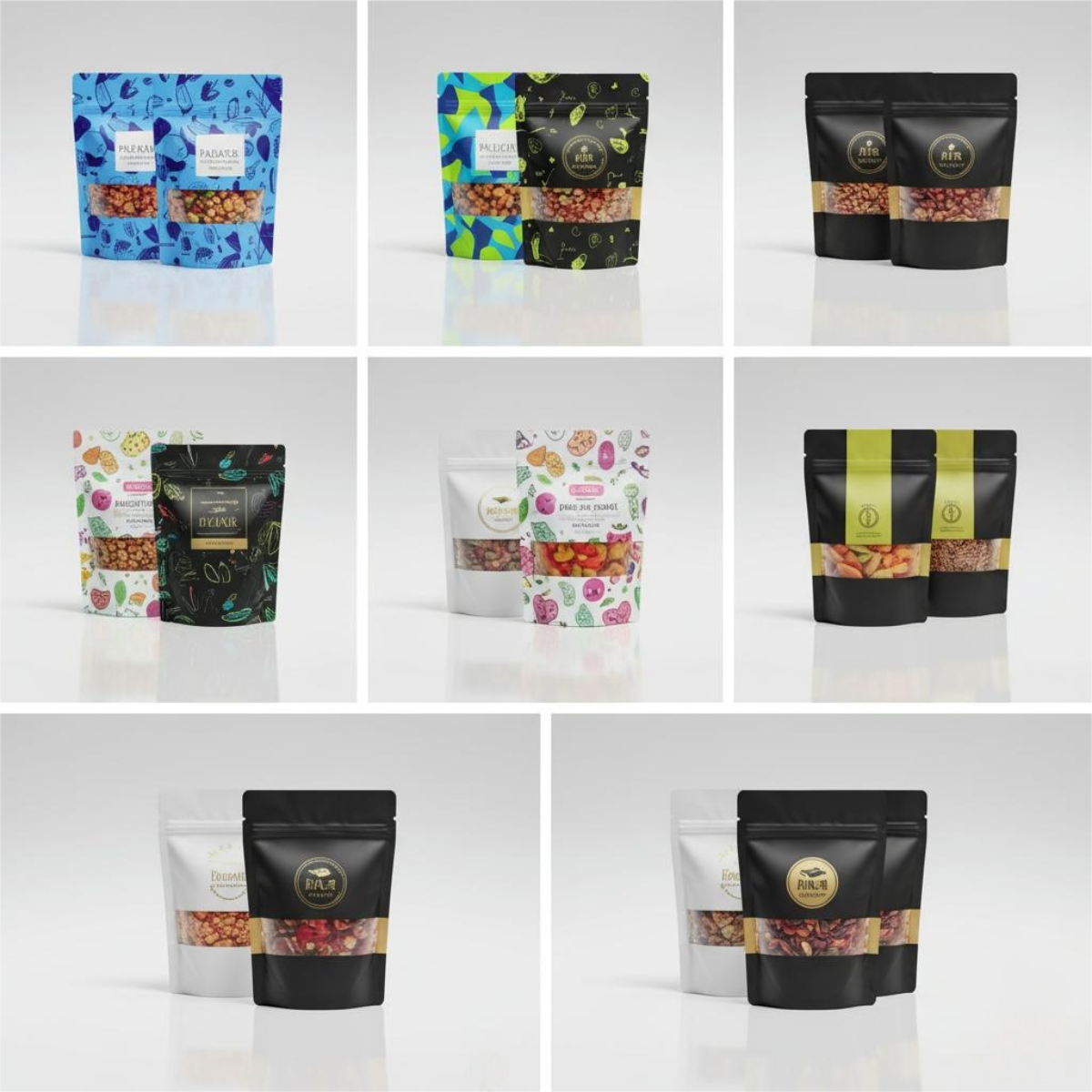
When selecting packaging solutions for food products, manufacturers face a critical decision between flat pouches and stand up pouches. This choice significantly impacts product presentation, storage efficiency, and consumer appeal. Understanding the distinct advantages and applications of each pouch type enables food companies to make informed decisions that align with their brand strategy and operational requirements. The packaging format directly influences consumer purchasing behavior, shelf presence, and overall product success in competitive retail environments.
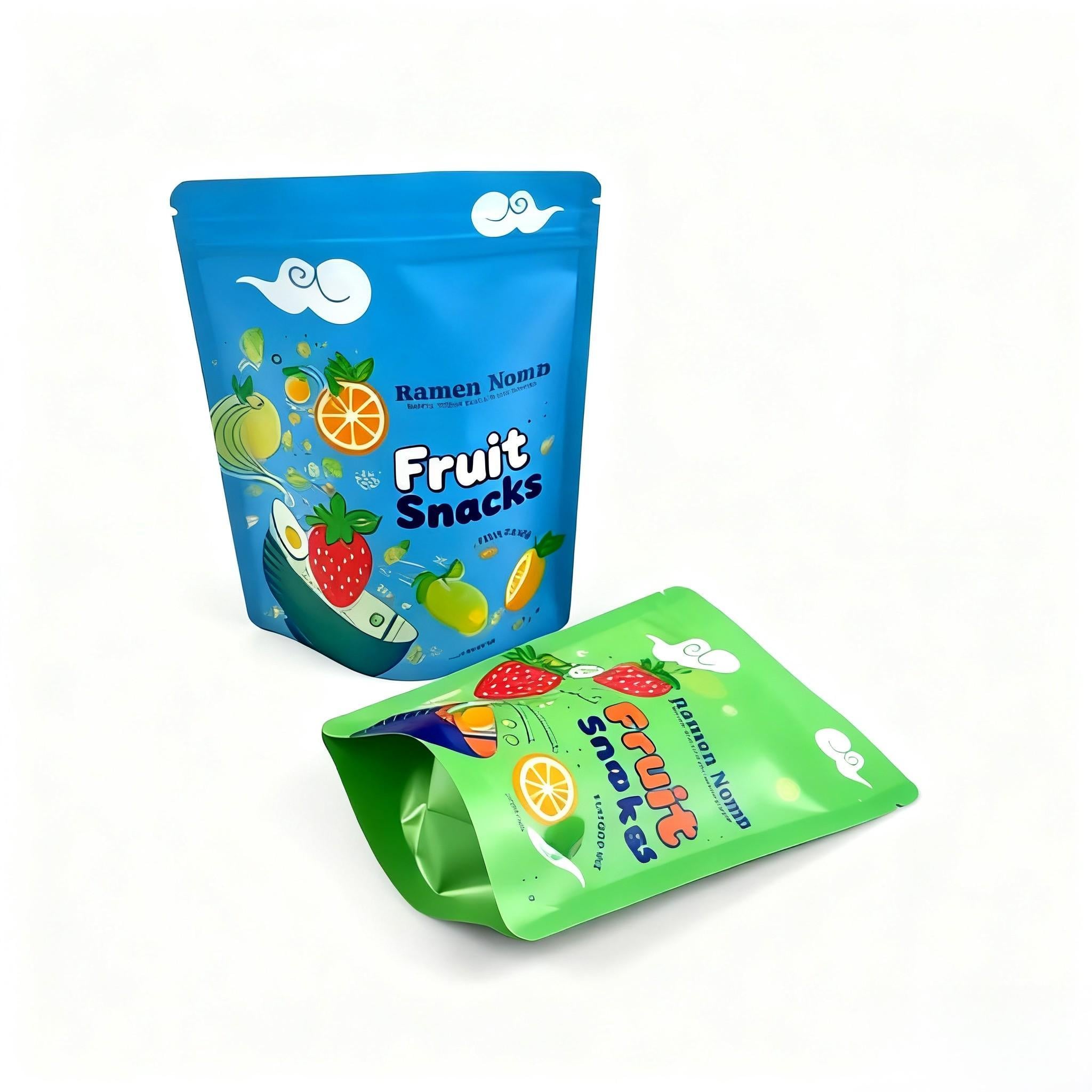
Understanding Flat Pouch Characteristics
Design Structure and Manufacturing Benefits
Flat pouches represent the traditional approach to flexible packaging, featuring a simple two-dimensional design that lays horizontally when filled. These pouches typically consist of multiple layers of barrier materials heat-sealed along the edges to create a secure enclosure. The manufacturing process for flat pouches involves fewer complex folding operations compared to stand up pouches, resulting in faster production speeds and reduced material waste. Food manufacturers often prefer flat pouches for products that require vacuum packaging or modified atmosphere packaging due to their superior conformability to product shapes.
The streamlined construction of flat pouches makes them particularly suitable for automated packaging lines where high-speed operations are essential. Their uniform thickness and predictable behavior during filling and sealing processes minimize production interruptions and equipment adjustments. Additionally, flat pouches accommodate various closure systems including heat sealing, zip locks, and tear notches with minimal design modifications. This versatility makes them an attractive option for food companies producing multiple product lines with different packaging requirements.
Cost Considerations and Material Efficiency
From an economic perspective, flat pouches typically offer lower material costs per unit compared to stand up pouches due to their simpler construction and reduced material requirements. The absence of bottom gussets and additional structural elements translates to material savings that can be significant when producing large volumes. Transportation costs also favor flat pouches since they ship in a compressed state, maximizing container utilization and reducing freight expenses. These cost advantages make flat pouches particularly attractive for price-sensitive food categories where packaging costs must be minimized while maintaining product protection.
Material efficiency extends beyond initial cost savings to encompass storage and handling benefits. Flat pouches require minimal warehouse space when stored in bulk, allowing food manufacturers to maintain larger inventory levels without significant storage cost increases. The compact nature of flat pouches also simplifies inventory management and reduces the risk of packaging damage during storage and handling operations. These operational efficiencies contribute to overall cost reduction throughout the supply chain.
Exploring Stand Up Pouch Advantages
Retail Presence and Consumer Appeal
Stand up pouches excel in retail environments where product visibility and shelf presence are crucial for consumer attraction and sales performance. The vertical orientation of stand up pouches creates a billboard effect that maximizes branding opportunities and product information display. This enhanced visibility translates to improved consumer recognition and increased likelihood of purchase decisions. The three-dimensional structure allows for creative design elements that can differentiate products from competitors using traditional flat packaging formats.
Consumer convenience represents another significant advantage of stand up pouches for food products. The self-supporting structure enables easy handling during shopping and storage, while resealable closures maintain product freshness after opening. Research indicates that consumers perceive stand up pouches as more premium compared to flat alternatives, potentially justifying higher price points for food manufacturers. The ergonomic design facilitates pouring and dispensing operations, particularly beneficial for granular products like cereals, nuts, and snack foods.
Storage and Display Optimization
Retail efficiency benefits significantly from stand up pouches through optimized shelf space utilization and improved product organization. The vertical display capability allows retailers to merchandise more products within limited shelf space while maintaining clear product differentiation. Stand up pouches also reduce the need for secondary display fixtures or supports, simplifying planogram management and reducing retail operational costs. The stable base design prevents product tipping and maintains consistent shelf appearance throughout the shopping period.
Distribution advantages emerge from the robust construction of stand up pouches, which typically incorporate reinforced bottom panels and side gussets that enhance structural integrity during transportation and handling. This durability reduces product damage rates and associated costs while improving customer satisfaction. The consistent shape and size of filled stand up pouches facilitate efficient case packing and palletization, optimizing shipping container utilization and reducing transportation costs per unit.
Application-Specific Considerations
Product Type Compatibility
Different food products exhibit varying levels of compatibility with flat versus stand up pouches based on their physical characteristics and consumer usage patterns. Liquid and semi-liquid products generally perform better in stand up pouches due to improved dispensing control and reduced spill risk during consumption. The wider opening typical of stand up pouches facilitates easier product access while maintaining portion control capabilities. Conversely, flat pouches may be preferable for thin products like crackers or cookies where the compact profile provides better protection during transportation and storage.
Portion size considerations also influence pouch selection decisions. Single-serving applications often benefit from flat pouch designs that minimize material usage while providing adequate product protection. Multi-serving products typically favor stand up pouches that offer convenient resealability and portion control features. The target demographic and consumption occasion should guide packaging format selection to ensure optimal consumer experience and product performance throughout the intended usage period.
Manufacturing Line Integration
Existing production equipment capabilities significantly impact the feasibility of implementing different pouch formats within food manufacturing operations. Flat pouches generally require less complex forming and filling equipment, making them more compatible with legacy packaging lines and smaller production facilities. The horizontal orientation simplifies product filling operations and reduces the risk of bridging or flow interruptions common with particulate food products. Equipment modifications for flat pouch production typically involve lower capital investments compared to stand up pouches implementation.
Stand up pouches demand more sophisticated forming, filling, and sealing equipment capable of managing the three-dimensional structure throughout the packaging process. The bottom gusset formation requires precise heat application and pressure control to ensure proper sealing and structural integrity. Additionally, stand up pouches may necessitate specialized quality control systems to verify proper formation and sealing parameters. These technical requirements must be balanced against the marketing and consumer benefits to determine overall project viability and return on investment.
Quality and Barrier Performance
Barrier Property Considerations
Both flat and stand up pouches can incorporate identical barrier materials and layer constructions, ensuring equivalent protection against moisture, oxygen, and other environmental factors that impact food quality and shelf life. The selection of barrier films depends primarily on product requirements rather than pouch configuration, allowing manufacturers to maintain consistent protection standards regardless of format choice. However, the seal integrity and overall barrier performance may vary between formats due to differences in sealing area distribution and stress concentration points during handling and transportation.
Stand up pouches typically feature more extensive sealing areas due to bottom gussets and side seals, potentially providing enhanced security against seal failures and contamination risks. The distributed stress loading across multiple seal points can improve overall package integrity under challenging shipping and storage conditions. Conversely, flat pouches concentrate sealing forces along fewer linear seals, which may simplify quality control procedures but could increase vulnerability to localized seal failures under extreme conditions.
Shelf Life and Product Preservation
Product preservation capabilities remain largely equivalent between flat and stand up pouches when utilizing comparable barrier materials and closure systems. The key determinant of shelf life performance lies in material selection, layer structure, and sealing quality rather than pouch configuration. Both formats can accommodate modified atmosphere packaging, vacuum packaging, and other preservation technologies essential for extending food product shelf life and maintaining quality attributes throughout distribution and storage periods.
Post-opening preservation may favor stand up pouches equipped with resealable closures that maintain product freshness and prevent contamination during extended consumption periods. The vertical orientation facilitates proper closure engagement and reduces the risk of incomplete sealing that can compromise product quality. Flat pouches with resealable features may be more challenging for consumers to operate effectively, potentially impacting product preservation performance after initial package opening.
Market Trends and Consumer Preferences
Evolving Packaging Preferences
Contemporary consumer preferences increasingly favor packaging formats that offer convenience, sustainability, and visual appeal. Stand up pouches align with these trends by providing enhanced functionality, reduced material usage compared to rigid packaging alternatives, and superior graphic presentation opportunities. Market research indicates growing consumer acceptance of flexible packaging formats across various food categories, driven by lifestyle changes and increased awareness of packaging sustainability. The premium perception associated with stand up pouches can support brand positioning strategies and justify price premiums in competitive markets.
Demographic analysis reveals distinct preferences among different consumer segments regarding packaging formats. Younger consumers typically demonstrate greater acceptance of innovative packaging solutions like stand up pouches, while traditional demographics may prefer familiar flat pouch formats for certain product categories. Understanding target market preferences enables food manufacturers to select packaging formats that resonate with their intended audience and support overall marketing objectives.
Sustainability and Environmental Impact
Environmental considerations increasingly influence packaging format selection as consumers and retailers prioritize sustainability initiatives. Both flat and stand up pouches offer advantages over rigid packaging alternatives through reduced material usage, lower transportation energy requirements, and improved recyclability potential. The material efficiency of flexible packaging formats contributes to reduced carbon footprint and waste generation throughout the product lifecycle. However, specific environmental impacts may vary between formats based on material composition, manufacturing processes, and end-of-life disposal options.
Recyclability considerations favor simpler construction methods that minimize material complexity and facilitate separation during recycling processes. Flat pouches typically involve fewer material layers and bonding operations, potentially improving recyclability compared to more complex stand up pouches structures. However, advancing recycling technologies and industry initiatives continue to improve the sustainability profile of both packaging formats, making environmental impact a less decisive factor in format selection decisions.
FAQ
Which pouch type offers better cost efficiency for high-volume production
Flat pouches generally provide superior cost efficiency for high-volume food production due to lower material costs, simpler manufacturing processes, and reduced equipment requirements. The streamlined construction minimizes material waste and enables faster production speeds, resulting in lower per-unit packaging costs. However, the total cost analysis should include marketing benefits and potential premium pricing opportunities that stand up pouches may provide, which could offset higher packaging costs through improved profit margins.
How do transportation and storage costs compare between the two formats
Transportation costs typically favor flat pouches due to their compact shipping profile and efficient container utilization when empty. Flat pouches ship in compressed bundles that maximize freight capacity and minimize shipping expenses per unit. Storage costs also benefit from the space-efficient nature of flat pouches during warehouse operations. However, filled stand up pouches may offer transportation advantages through improved stacking stability and reduced product damage during distribution, potentially offsetting initial shipping cost disadvantages.
What factors should guide the choice between flat and stand up pouches for new product launches
New product launch decisions should prioritize target market preferences, retail environment requirements, and brand positioning objectives when selecting between flat and stand up pouches. Consider the product category conventions, consumer usage patterns, and competitive landscape to ensure packaging format alignment with market expectations. Additionally, evaluate production capabilities, cost structures, and long-term volume projections to ensure sustainable operations and profitability throughout the product lifecycle.
Can both pouch types accommodate the same barrier protection requirements
Yes, both flat and stand up pouches can incorporate identical barrier materials and protection levels to meet specific food preservation requirements. The barrier performance depends on film selection, layer construction, and sealing quality rather than pouch configuration. Manufacturers can achieve equivalent oxygen transmission rates, moisture vapor transmission rates, and other critical barrier properties in both formats through appropriate material selection and processing parameters, ensuring consistent product protection regardless of chosen packaging format.
Table of Contents
- Understanding Flat Pouch Characteristics
- Exploring Stand Up Pouch Advantages
- Application-Specific Considerations
- Quality and Barrier Performance
- Market Trends and Consumer Preferences
-
FAQ
- Which pouch type offers better cost efficiency for high-volume production
- How do transportation and storage costs compare between the two formats
- What factors should guide the choice between flat and stand up pouches for new product launches
- Can both pouch types accommodate the same barrier protection requirements