EN
EN

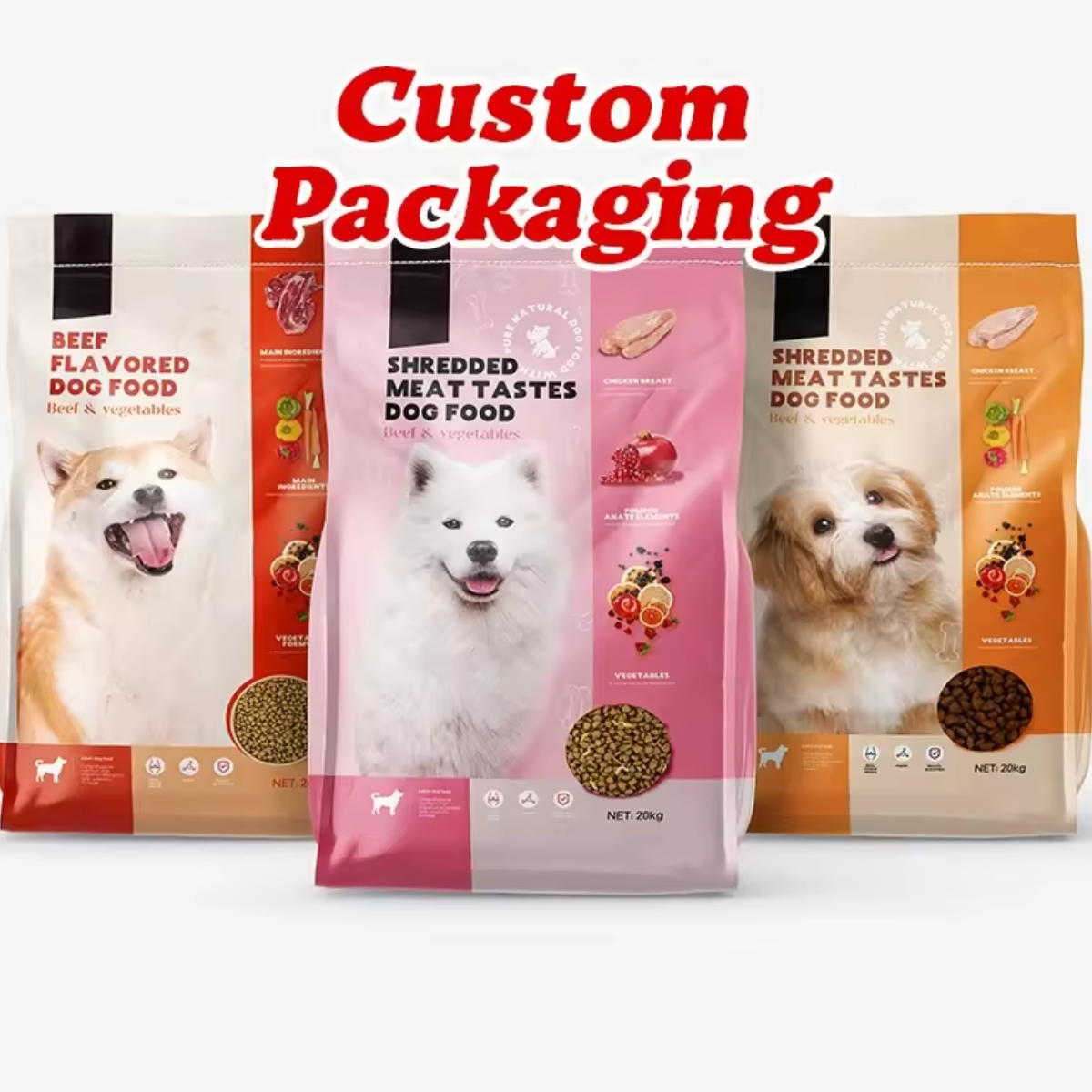
The durability of packaging pouches plays a critical role in product protection, shelf life, and consumer satisfaction across various industries. Understanding the key factors that influence pouch longevity helps manufacturers make informed decisions about material selection, design specifications, and production processes. From food and beverage applications to pharmaceutical and industrial uses, packaging pouches must withstand environmental stresses, handling conditions, and storage requirements while maintaining their protective properties throughout the product lifecycle.
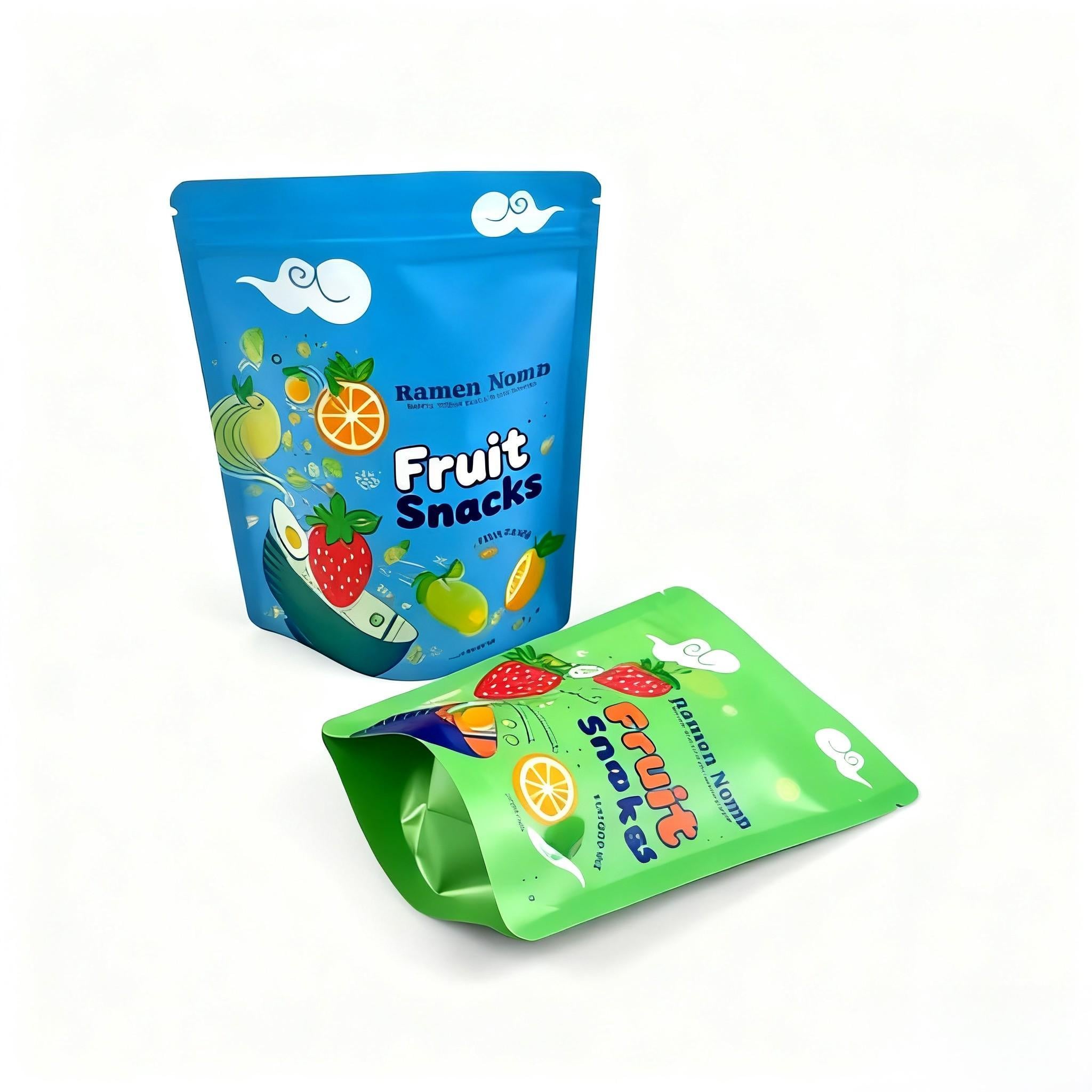
Material Composition and Structure
Base Film Materials
The foundation of durable packaging pouches lies in the selection of appropriate base materials. Polyethylene, polypropylene, and polyester films each offer distinct advantages for different applications. Polyethylene provides excellent moisture resistance and flexibility, making it ideal for liquid products and items requiring extended shelf life. Polypropylene offers superior clarity and heat resistance, while polyester delivers exceptional strength and barrier properties against oxygen and other gases.
Advanced polymer formulations have revolutionized the durability characteristics of modern packaging pouches. High-density polyethylene (HDPE) and linear low-density polyethylene (LLDPE) combinations create structures that resist punctures and tears while maintaining flexibility. These materials undergo careful molecular engineering to optimize their performance under various stress conditions, ensuring that packaging pouches maintain their integrity during transportation, storage, and consumer handling.
Multi-Layer Construction
Multi-layer packaging pouches demonstrate superior durability compared to single-layer alternatives through strategic lamination of different materials. Each layer serves a specific function, with outer layers providing mechanical strength and puncture resistance, middle layers offering barrier properties, and inner layers ensuring product compatibility and sealing performance. This engineered approach allows manufacturers to optimize durability while controlling costs and environmental impact.
The adhesion between layers significantly impacts the overall durability of packaging pouches. Advanced adhesive technologies ensure that layers remain bonded under stress, preventing delamination that could compromise barrier properties or structural integrity. Proper curing processes and quality control measures during lamination are essential for achieving consistent layer adhesion across production runs.
Barrier Properties and Protection
Moisture and Gas Barriers
Effective barrier properties are fundamental to the durability of packaging pouches, particularly for products sensitive to moisture, oxygen, or other environmental factors. Aluminum foil layers provide exceptional barrier performance against light, moisture, and gases, significantly extending product shelf life. However, metalized films offer similar protection with improved flexibility and cost-effectiveness for many applications.
The measurement and optimization of barrier properties require sophisticated testing methods to ensure that packaging pouches meet specific durability requirements. Water vapor transmission rate (WVTR) and oxygen transmission rate (OTR) testing help manufacturers select appropriate materials and validate performance under various storage conditions. These properties directly correlate with product quality retention and overall package durability in real-world applications.
Chemical Resistance
Chemical compatibility between packaging materials and product contents significantly influences long-term durability. Certain products may contain acids, oils, or solvents that can degrade specific polymer structures over time. Comprehensive compatibility testing ensures that packaging pouches maintain their properties throughout the intended storage period without compromising product quality or package integrity.
Advanced packaging pouches incorporate specialized barrier coatings and additives that enhance chemical resistance while maintaining other performance characteristics. These formulations undergo rigorous testing to verify their effectiveness against specific chemical challenges, ensuring that the final package delivers reliable protection throughout its intended lifespan.
Mechanical Properties and Stress Resistance
Tensile Strength and Puncture Resistance
Mechanical durability of packaging pouches depends heavily on tensile strength and puncture resistance characteristics. These properties determine how well packages withstand handling stresses, transportation vibrations, and potential impact damage. High-performance materials and proper film orientation during manufacturing enhance these mechanical properties while maintaining flexibility for forming and sealing operations.
Testing protocols for mechanical properties include dart impact tests, puncture resistance measurements, and tensile strength evaluations under various temperature and humidity conditions. These assessments help manufacturers optimize film thickness, material selection, and processing parameters to achieve desired durability levels while maintaining cost-effectiveness and functionality.
Fatigue Resistance and Flex Durability
Repeated flexing and handling during distribution and consumer use can gradually weaken packaging pouches through fatigue mechanisms. Advanced materials and structural designs minimize this degradation by incorporating flex-resistant formulations and optimized film orientation. Proper package design reduces stress concentration points that could initiate failure under repeated loading conditions.
Flex durability testing simulates real-world handling conditions to validate package performance over extended use periods. These tests help manufacturers identify potential failure modes and optimize packaging pouches for specific distribution environments and consumer usage patterns. Understanding fatigue resistance enables better prediction of package lifespan and helps establish appropriate shelf-life recommendations.
Sealing Technology and Closure Systems
Heat Seal Integrity
The durability of packaging pouches relies heavily on the strength and consistency of heat seals, which must withstand internal pressures, temperature variations, and mechanical stresses throughout the product lifecycle. Advanced sealing technologies optimize temperature, pressure, and dwell time parameters to create reliable seals that resist failure under normal and extreme conditions.
Seal strength testing validates the ability of packaging pouches to maintain closure integrity under various stress conditions. These evaluations include burst testing, creep testing under sustained loads, and temperature cycling to verify performance across expected storage and distribution environments. Consistent seal quality requires precise control of sealing parameters and regular monitoring of equipment performance.
Zipper and Resealable Features
Resealable packaging pouches incorporate specialized closure systems that must maintain functionality through multiple open-close cycles while preserving package integrity. High-quality zipper systems use engineered profiles and materials that resist wear and maintain proper alignment throughout their intended lifespan. These features add convenience while potentially creating additional stress points that require careful design consideration.
Testing resealable features involves cycling tests that simulate consumer usage patterns to verify closure performance and durability. These evaluations ensure that packaging pouches maintain their protective properties even after repeated opening and closing, which is particularly important for products consumed over extended periods.
Environmental Factors and Storage Conditions
Temperature and Humidity Effects
Environmental conditions significantly impact the durability of packaging pouches through effects on material properties, dimensional stability, and barrier performance. Temperature extremes can cause thermal stress, material embrittlement, or excessive softening that compromises package integrity. Humidity variations affect moisture-sensitive materials and can influence permeation rates and seal reliability.
Accelerated aging studies help predict long-term durability under various environmental conditions by subjecting packaging pouches to elevated temperature and humidity levels. These tests provide valuable data for establishing shelf-life recommendations and storage guidelines while validating material selection for specific climate conditions and distribution environments.
UV Resistance and Light Protection
Exposure to ultraviolet radiation can degrade polymer structures in packaging pouches, leading to reduced mechanical properties and potential failure over time. UV stabilizers and light-blocking materials help protect both the package and its contents from photodegradation. These protective measures are particularly important for products with extended shelf lives or outdoor storage requirements.
Light transmission testing evaluates the effectiveness of UV protection measures while weathering studies assess long-term durability under simulated sunlight exposure. These evaluations help manufacturers select appropriate materials and additives to ensure that packaging pouches maintain their properties throughout their intended lifespan, even under challenging lighting conditions.
Quality Control and Testing Methods
Accelerated Aging Studies
Comprehensive accelerated aging protocols provide critical insights into the long-term durability of packaging pouches without requiring extended real-time studies. These methods use elevated temperatures, controlled humidity, and other stress factors to simulate months or years of normal aging in shortened timeframes. The resulting data helps manufacturers optimize formulations and predict performance under various storage conditions.
Standardized aging protocols ensure consistent and comparable results across different packaging pouches and materials. These studies evaluate changes in mechanical properties, barrier performance, and appearance characteristics over time, providing essential data for quality assurance and product development efforts. Regular aging studies help identify potential durability issues before products reach the market.
Real-World Performance Validation
Field testing and distribution studies provide valuable validation of laboratory durability predictions by exposing packaging pouches to actual handling, storage, and transportation conditions. These real-world evaluations identify potential failure modes that may not be apparent in controlled laboratory environments and help refine testing protocols for better performance prediction.
Comprehensive performance validation includes monitoring package condition at various points in the distribution chain, from manufacturing through retail display and consumer use. This approach helps manufacturers understand how different factors interact to influence overall durability and provides feedback for continuous improvement of packaging pouch design and materials.
Manufacturing Processes and Quality Assurance
Extrusion and Film Formation
The extrusion process significantly influences the durability characteristics of packaging pouches through its effects on molecular orientation, crystallinity, and material properties. Proper temperature control, cooling rates, and draw ratios optimize film properties while minimizing defects that could compromise long-term performance. Advanced process control systems ensure consistent quality across production runs.
Film formation parameters directly impact the mechanical and barrier properties of packaging pouches. Orientation processes can enhance strength and reduce permeability, while improper processing conditions may introduce weaknesses or inconsistencies that affect durability. Continuous monitoring and adjustment of processing parameters help maintain optimal film characteristics throughout production.
Converting and Finishing Operations
Converting operations, including printing, laminating, and pouch forming, can significantly impact the final durability of packaging pouches. Heat exposure during lamination, mechanical stress during converting, and adhesive curing processes all influence material properties and overall package performance. Careful control of these operations ensures that durability characteristics are maintained throughout manufacturing.
Quality assurance protocols during converting operations include regular testing of lamination strength, print adhesion, and dimensional accuracy. These measures help identify potential issues that could affect the durability of packaging pouches while ensuring consistent quality across production batches. Proper training and equipment maintenance are essential for maintaining high standards throughout the converting process.
FAQ
How does material thickness affect packaging pouch durability
Material thickness directly correlates with mechanical strength and barrier properties of packaging pouches. Thicker materials generally provide better puncture resistance and lower permeation rates, but may also increase costs and reduce flexibility. The optimal thickness depends on specific application requirements, including product characteristics, distribution conditions, and performance expectations. Manufacturers must balance durability needs with economic considerations and functionality requirements.
What role does lamination adhesive play in pouch longevity
Lamination adhesives are critical for maintaining the structural integrity of multi-layer packaging pouches throughout their lifespan. High-quality adhesives resist delamination under stress, temperature variations, and chemical exposure while maintaining strong bonds between different material layers. Poor adhesive performance can lead to barrier failure, reduced mechanical strength, and premature package failure, making adhesive selection and application crucial factors in overall durability.
How do storage conditions impact packaging pouch performance
Storage conditions including temperature, humidity, and light exposure significantly influence the durability of packaging pouches over time. Extreme temperatures can cause material degradation, dimensional changes, and seal failure, while high humidity may affect barrier properties and promote adhesive degradation. Proper storage within recommended temperature and humidity ranges helps maximize package lifespan and maintain protective properties.
What testing methods best predict long-term pouch durability
Effective durability prediction combines accelerated aging studies, mechanical property testing, and barrier performance evaluation under controlled conditions. Accelerated aging protocols using elevated temperatures and humidity provide rapid insights into long-term performance, while mechanical testing validates strength characteristics under stress. Real-world distribution studies complement laboratory testing by identifying performance issues under actual use conditions, providing comprehensive durability assessment for packaging pouches.