EN
EN

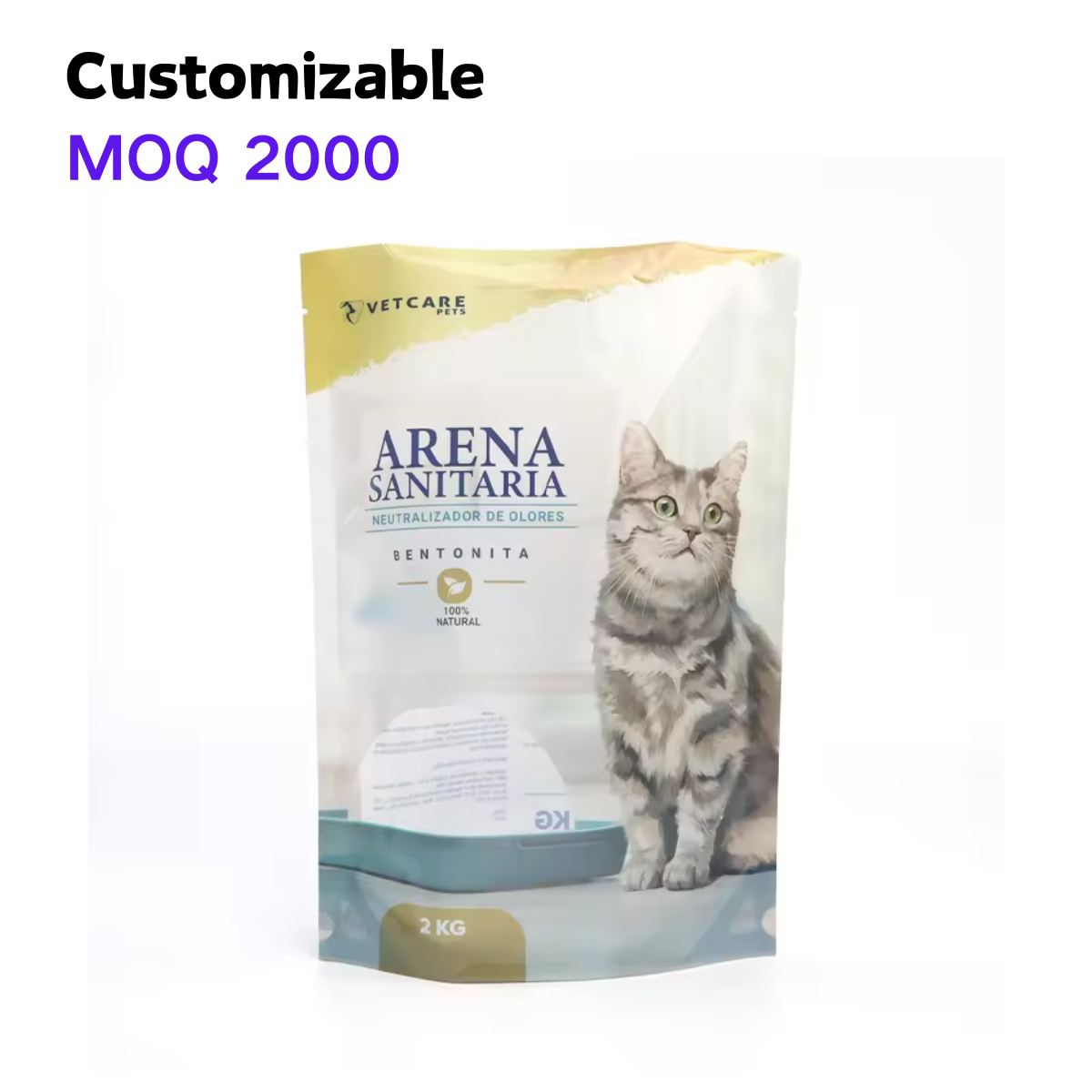
The packaging industry has evolved dramatically over the past decade, with snack bag materials becoming increasingly sophisticated to meet consumer demands for freshness, durability, and convenience. Food manufacturers and packaging professionals must carefully consider the material composition of their snack packaging to ensure optimal product protection while maintaining cost-effectiveness and environmental responsibility. Understanding the various snack bag materials available today is crucial for making informed decisions that balance performance, sustainability, and consumer appeal.
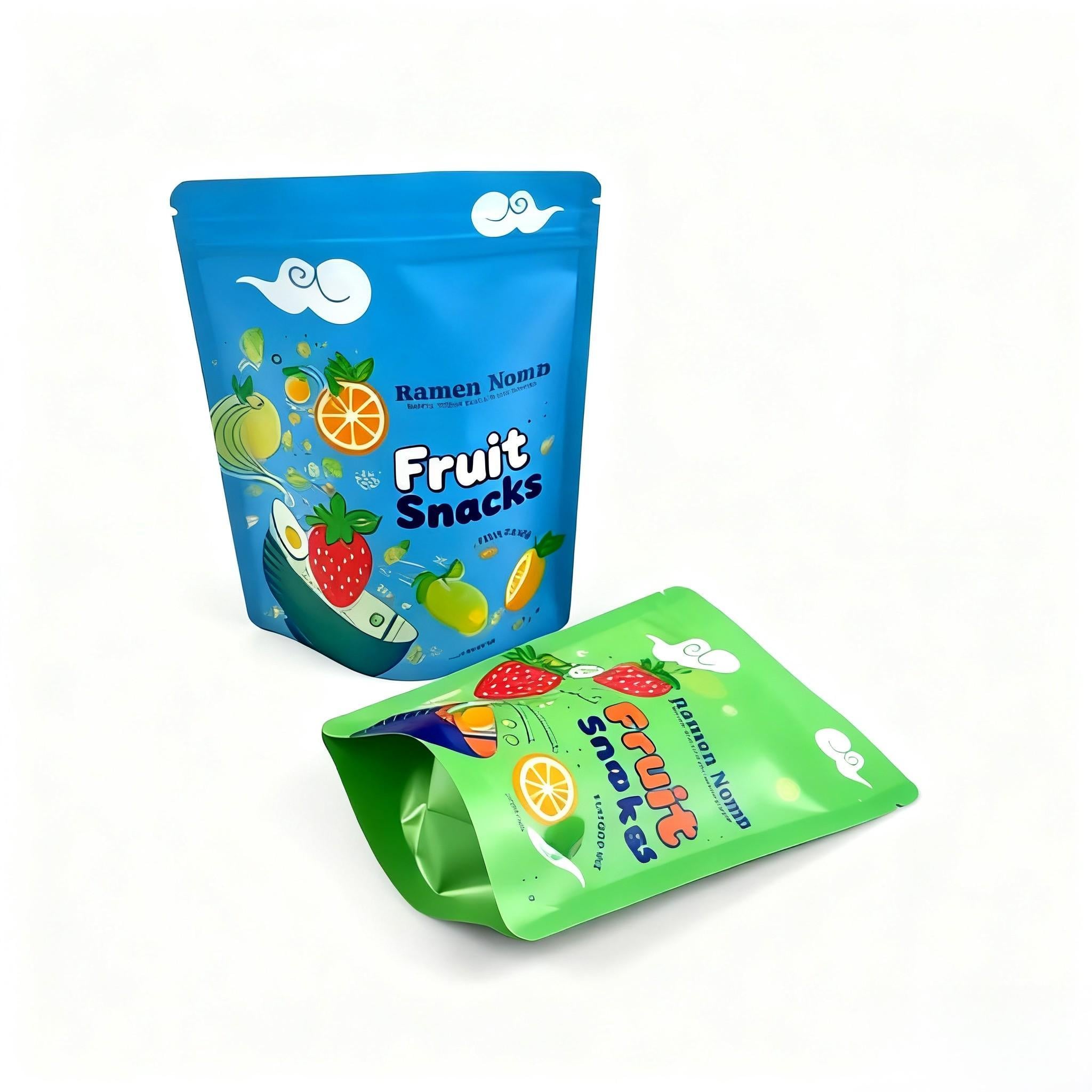
Understanding Base Material Categories for Snack Packaging
Polyethylene Film Properties and Applications
Polyethylene represents one of the most versatile snack bag materials in contemporary packaging solutions. This thermoplastic polymer offers excellent flexibility, moisture resistance, and heat-sealing capabilities that make it ideal for various snack applications. Low-density polyethylene provides superior clarity and flexibility, while high-density variants offer enhanced strength and barrier properties. The material's chemical resistance ensures that acidic or salty snacks maintain their flavor profile without compromising the package integrity.
Manufacturing processes for polyethylene-based snack bag materials have advanced significantly, allowing for precise thickness control and enhanced barrier coatings. Co-extrusion techniques enable manufacturers to combine different polyethylene grades within a single structure, optimizing specific performance characteristics. The material's recyclability also addresses growing environmental concerns, making it a preferred choice for brands prioritizing sustainability initiatives.
Polypropylene Advantages in Snack Applications
Polypropylene stands out among snack bag materials due to its exceptional clarity, grease resistance, and temperature stability. This material maintains structural integrity across a wide temperature range, making it suitable for both ambient and refrigerated storage conditions. The inherent stiffness of polypropylene provides excellent printability for high-quality graphics and branding elements, crucial for shelf appeal and product differentiation.
Oriented polypropylene films offer enhanced barrier properties and improved mechanical strength compared to cast versions. The orientation process aligns polymer chains, resulting in superior puncture resistance and tear strength. These characteristics make polypropylene-based snack bag materials particularly suitable for products with sharp edges or irregular shapes that might compromise package integrity during handling and transportation.
Multi-Layer Barrier Technologies
Aluminum Foil Integration Benefits
Incorporating aluminum foil layers into snack bag materials creates exceptional barrier properties against oxygen, moisture, and light penetration. This metallic barrier significantly extends product shelf life by preventing oxidation and maintaining crispness in sensitive snack products. The reflective properties of aluminum also provide protection against UV radiation, which can degrade flavors and nutritional content over time.
Modern lamination techniques allow for ultra-thin aluminum layers that maintain barrier effectiveness while reducing material costs and environmental impact. These snack bag materials combine the protective benefits of metal with the flexibility and sealability of plastic substrates. Advanced adhesive systems ensure perfect adhesion between layers, preventing delamination during processing and use.
Metallized Film Technologies
Metallized films represent an innovative approach to barrier enhancement in snack bag materials, offering many benefits of aluminum foil while maintaining superior flexibility and processing characteristics. The vacuum deposition process creates an ultra-thin metallic layer that provides excellent barrier properties with reduced material thickness. This technology enables manufacturers to achieve premium protection while minimizing packaging weight and material costs.
Advanced metallized snack bag materials incorporate specialized coating treatments that enhance adhesion and prevent metal layer degradation during flexing and handling. These materials maintain their barrier properties even under stress, ensuring consistent product protection throughout the supply chain. The metallic appearance also provides attractive shelf appeal while communicating premium quality to consumers.
Specialized Coating Systems
Moisture Barrier Coatings
Specialized moisture barrier coatings represent a critical advancement in snack bag materials technology, providing targeted protection against humidity infiltration. These coatings utilize advanced polymer chemistry to create molecular barriers that significantly reduce water vapor transmission rates. Ethylene vinyl alcohol copolymers and polyvinyl alcohol derivatives offer exceptional moisture protection while maintaining film flexibility and processing characteristics.
Application techniques for moisture barrier coatings have evolved to include precision coating methods that ensure uniform coverage and optimal performance. Slot die coating and curtain coating systems enable manufacturers to apply thin, consistent layers that maximize barrier effectiveness while minimizing material usage. These advanced snack bag materials maintain their protective properties throughout typical storage and distribution cycles.
Oxygen Barrier Technologies
Oxygen barrier coatings play a vital role in preserving the quality and extending the shelf life of oxygen-sensitive snack products. These specialized snack bag materials incorporate molecular structures that actively block oxygen transmission, preventing rancidity and flavor degradation. Silicon oxide and aluminum oxide coatings provide excellent oxygen barrier properties while maintaining optical clarity and print quality.
Plasma-enhanced chemical vapor deposition techniques enable the application of ultra-thin barrier coatings that deliver exceptional performance with minimal impact on material flexibility. These advanced coating systems maintain their barrier effectiveness even when subjected to flexing and creasing during packaging and handling operations. The transparent nature of these coatings preserves product visibility while providing superior protection.
Sustainable Material Innovations
Bio-Based Polymer Solutions
The development of bio-based snack bag materials represents a significant advancement in sustainable packaging technology, offering comparable performance to traditional petroleum-based polymers while reducing environmental impact. Polylactic acid and polyhydroxyalkanoates derived from renewable resources provide excellent clarity, flexibility, and barrier properties suitable for various snack applications. These materials biodegrade under appropriate conditions, addressing end-of-life disposal concerns.
Manufacturing processes for bio-based snack bag materials have matured significantly, enabling large-scale production with consistent quality and performance characteristics. Advanced polymer blending techniques allow manufacturers to optimize specific properties while maintaining environmental benefits. These sustainable materials often exceed traditional performance standards while providing brands with compelling sustainability messaging for environmentally conscious consumers.
Recyclable Multi-Layer Structures
Innovative recyclable multi-layer snack bag materials address the challenge of combining high performance with end-of-life recyclability. Mono-material structures utilizing compatible polymer families enable recycling while maintaining necessary barrier and mechanical properties. Advanced adhesive systems ensure proper lamination while remaining compatible with recycling processes, preventing contamination of recycled material streams.
Design for recyclability principles guide the development of these advanced snack bag materials, considering both performance requirements and recycling infrastructure capabilities. Specialized tie layers and compatible polymer grades enable manufacturers to create complex structures that separate cleanly during recycling processes. These innovations support circular economy initiatives while maintaining the protective performance required for snack products.
Performance Testing and Quality Assurance
Barrier Property Evaluation Methods
Comprehensive testing protocols ensure that snack bag materials meet stringent performance requirements across various environmental conditions and storage scenarios. Water vapor transmission rate testing evaluates moisture barrier effectiveness under controlled temperature and humidity conditions. Oxygen transmission rate measurements assess the material's ability to prevent oxidative degradation of sensitive snack components over extended storage periods.
Advanced testing equipment enables manufacturers to evaluate barrier properties under accelerated aging conditions, predicting long-term performance characteristics. These evaluation methods help optimize snack bag materials formulations and processing parameters to achieve target performance levels. Standardized testing protocols ensure consistency and reliability across different manufacturing facilities and supplier relationships.
Mechanical Strength Assessment
Mechanical testing of snack bag materials encompasses various performance characteristics crucial for packaging integrity and consumer satisfaction. Tensile strength measurements evaluate the material's resistance to stretching forces encountered during filling and handling operations. Puncture resistance testing assesses the ability to withstand sharp objects and product edges that might compromise package integrity.
Dart impact testing simulates real-world handling conditions and evaluates the material's ability to absorb energy without tearing or puncturing. These comprehensive mechanical assessments ensure that snack bag materials maintain their protective function throughout the entire product lifecycle. Advanced testing protocols also evaluate heat seal strength and peel characteristics, ensuring reliable package closure and opening performance.
FAQ
What factors determine the optimal thickness for snack bag materials
The optimal thickness for snack bag materials depends on several factors including product characteristics, shelf life requirements, and distribution conditions. Heavier or sharper snack products typically require thicker materials to prevent puncturing, while delicate items may benefit from thinner films that provide adequate protection with improved flexibility. Barrier property requirements also influence thickness decisions, as thicker films generally provide enhanced protection against moisture and oxygen transmission. Economic considerations balance performance needs with material costs to achieve optimal packaging efficiency.
How do temperature variations affect different snack bag material performance
Temperature variations significantly impact the performance characteristics of various snack bag materials, with different polymers responding differently to thermal stress. Polyethylene-based materials typically become more flexible at higher temperatures while potentially losing some barrier properties, whereas polypropylene maintains better dimensional stability across temperature ranges. Laminated structures may experience differential expansion between layers, potentially affecting adhesion and barrier integrity. Manufacturers must consider the entire temperature profile from production through consumer use when selecting appropriate materials.
Which snack bag materials offer the best balance of cost and performance
The optimal balance of cost and performance in snack bag materials varies depending on specific product requirements and market positioning. Monolayer polyethylene films offer excellent value for basic applications requiring moderate barrier properties and flexibility. Multi-layer structures incorporating specialty coatings or metallized films provide enhanced performance at higher costs, justified for premium products or extended shelf life requirements. Sustainable bio-based materials may command premium pricing while delivering comparable performance and enhanced brand positioning for environmentally conscious consumers.
How can manufacturers ensure consistent quality in snack bag material production
Consistent quality in snack bag materials production requires comprehensive quality management systems encompassing raw material specifications, process controls, and finished product testing. Statistical process control monitoring tracks critical parameters throughout production, enabling immediate adjustments to maintain specifications. Regular calibration of testing equipment ensures accurate measurement of barrier properties, mechanical strength, and dimensional characteristics. Supplier qualification programs establish consistent raw material quality, while finished product audits verify that materials meet performance requirements before shipment to packaging operations.
Table of Contents
- Understanding Base Material Categories for Snack Packaging
- Multi-Layer Barrier Technologies
- Specialized Coating Systems
- Sustainable Material Innovations
- Performance Testing and Quality Assurance
-
FAQ
- What factors determine the optimal thickness for snack bag materials
- How do temperature variations affect different snack bag material performance
- Which snack bag materials offer the best balance of cost and performance
- How can manufacturers ensure consistent quality in snack bag material production