EN
EN

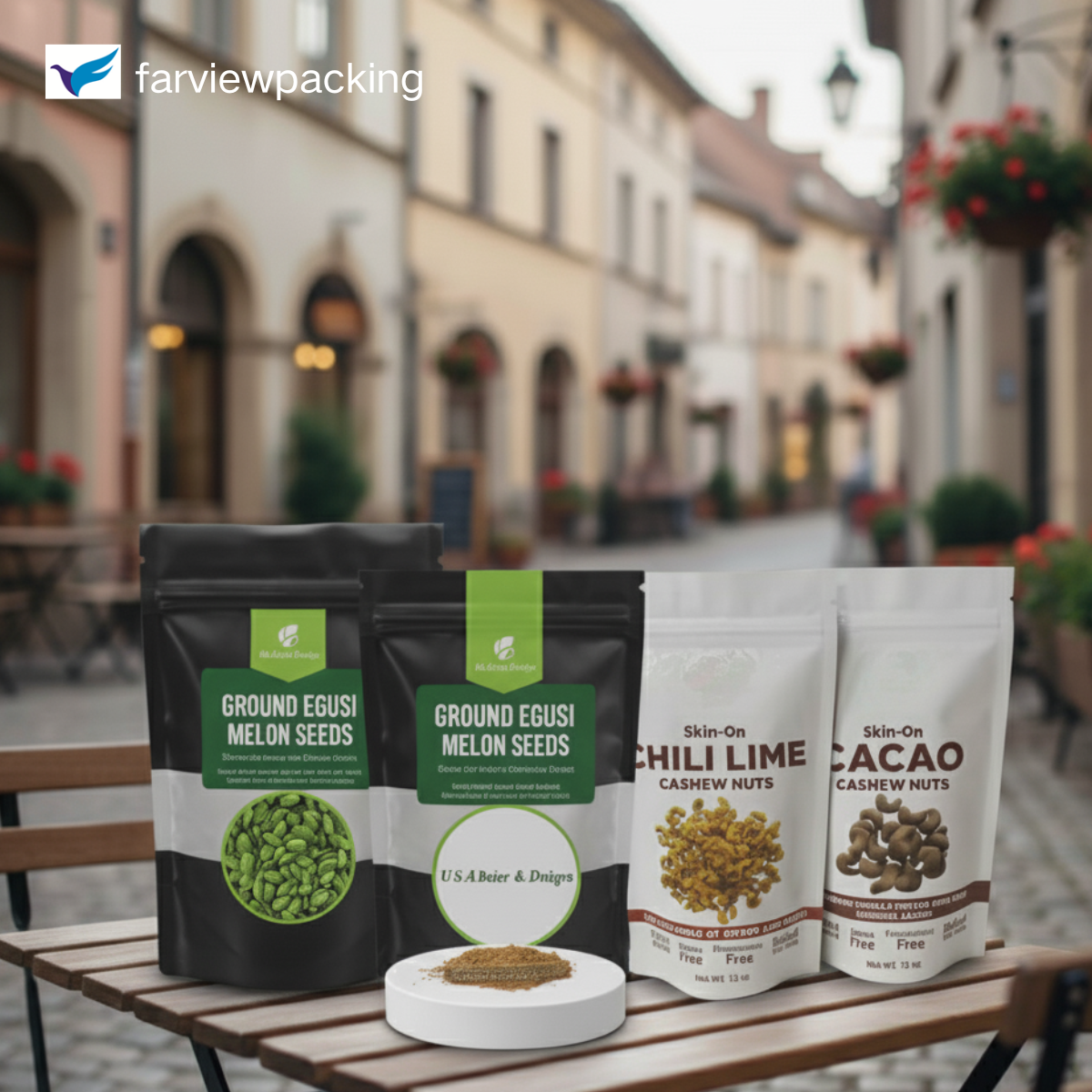
Selecting the right packaging solution for your products requires careful consideration of multiple factors that directly impact product protection, consumer experience, and operational efficiency. The choice between zip and heat seal bags represents one of the most critical decisions in flexible packaging, as each closure method offers distinct advantages that align with different product requirements and market positioning strategies.
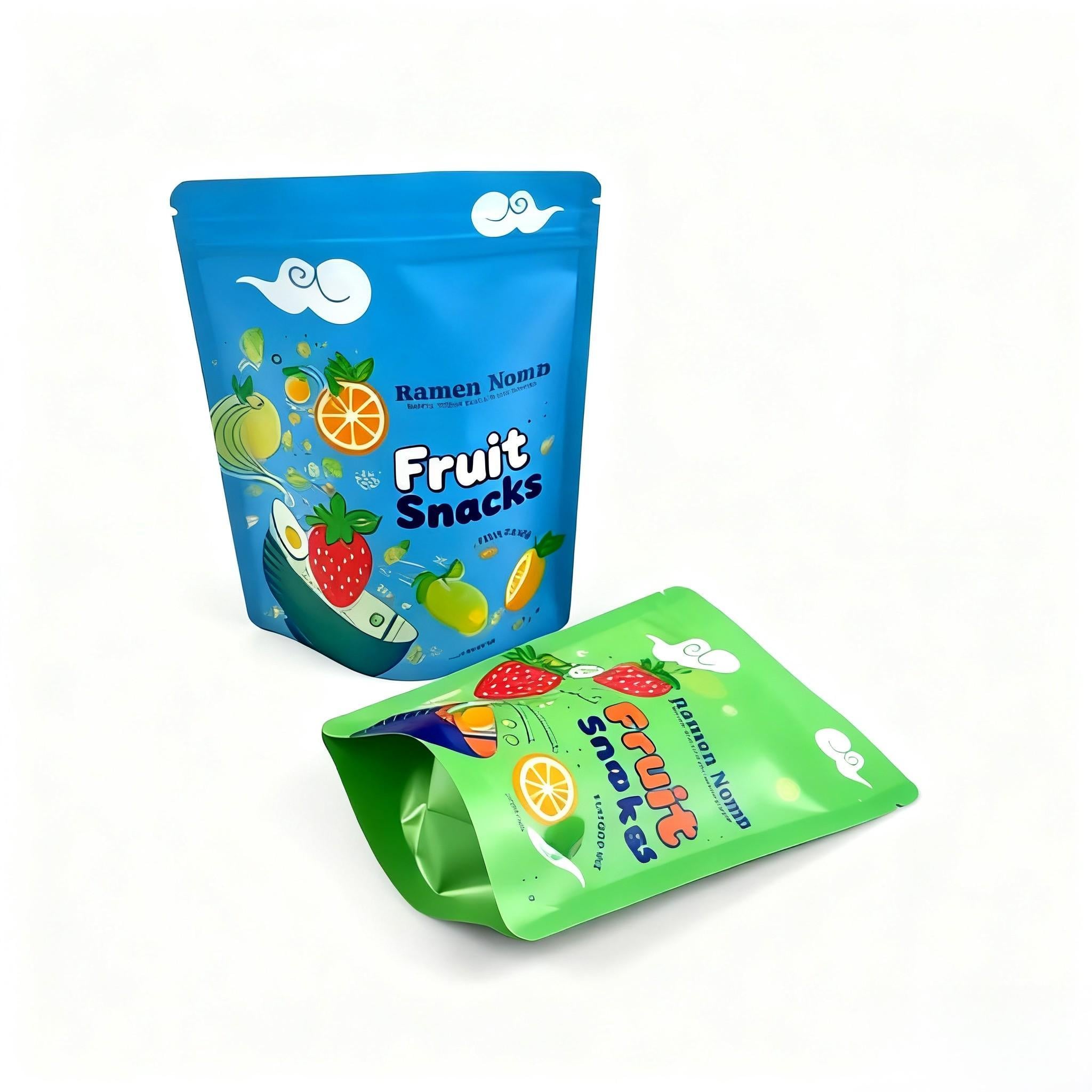
Understanding the fundamental differences between these two packaging approaches enables manufacturers and brands to make informed decisions that optimize product freshness, enhance customer satisfaction, and support specific marketing objectives. The selection process involves evaluating product characteristics, shelf life requirements, consumer usage patterns, and cost considerations to determine which closure system best serves your particular application needs.
Understanding Zip and Heat Seal Bag Fundamentals
Zip Seal Technology Overview
Zip seal bags feature interlocking closure systems that allow consumers to open and reseal packages multiple times throughout the product lifecycle. These mechanical closures typically consist of two interlocking plastic strips that create an airtight seal when pressed together, providing convenient access while maintaining product freshness between uses.
The zip closure mechanism operates through precise engineering of complementary male and female profiles that interlock securely when aligned and pressed together. Modern zip and heat seal bags often incorporate enhanced grip features, such as textured surfaces or extended tabs, to improve consumer handling and ensure reliable closure performance even with wet or greasy hands.
Zipper closures are manufactured using various materials and configurations, including standard interlocking profiles, slider mechanisms, and press-to-close designs. Each variation offers different levels of closure strength, ease of use, and manufacturing complexity, allowing package designers to select the most appropriate option for their specific application requirements.
Heat Seal Bag Technology
Heat seal bags utilize thermal bonding to create permanent closures that cannot be reopened without destroying the seal integrity. This packaging method applies controlled heat and pressure to thermoplastic materials, creating molecular bonds that form secure, tamper-evident closures ideal for single-use applications and products requiring maximum barrier protection.
The heat sealing process involves heating the bag material to its melting point and applying pressure to create a homogeneous bond across the seal area. This results in seal strength that often exceeds the tensile strength of the base film material, ensuring package integrity under various handling and distribution conditions.
Heat sealed packages offer superior barrier properties compared to mechanical closures because the seal area becomes an integral part of the package structure. This seamless construction eliminates potential leak paths that might exist around mechanical closure components, making heat seal bags particularly suitable for products sensitive to moisture, oxygen, or aromatic compounds.
Product Suitability Assessment Factors
Single-Use versus Multi-Use Product Categories
Products intended for single consumption events typically benefit from heat seal packaging that prioritizes barrier protection and cost efficiency over resealability. Examples include individual portion snacks, single-serve beverages, pharmaceutical doses, and one-time use industrial materials where opening the package signals complete product consumption.
Multi-use products requiring portion control or extended consumption periods often perform better in zip closure packages that enable repeated access while maintaining product quality. Coffee beans, nuts, dried fruits, pet treats, and bulk seasonings exemplify categories where consumer convenience and product preservation both require resealable zip and heat seal bags functionality.
The consumption pattern analysis should consider not only how consumers use the product but also storage conditions and duration between uses. Products consumed over weeks or months require more robust resealing capabilities than those typically consumed within days of opening, influencing the closure system selection process.
Barrier Protection Requirements
Products sensitive to environmental factors such as moisture, oxygen, light, or aromatic transfer require careful evaluation of barrier performance differences between zip and heat seal bags. Heat sealed packages generally provide superior barrier properties due to the elimination of mechanical closure interfaces that may allow microscopic permeation.
Moisture-sensitive products including electronics components, pharmaceutical tablets, and hygroscopic powders often require the enhanced barrier protection available through heat sealing technology. The continuous seal structure prevents moisture ingress that could compromise product stability or performance over extended storage periods.
Oxygen-sensitive products such as roasted coffee, nuts with high oil content, and vitamin supplements benefit from heat sealed packages when maximum shelf life extension is prioritized. However, zip closures with appropriate barrier films can provide adequate protection for products with moderate sensitivity levels, particularly when combined with modified atmosphere packaging or oxygen absorbers.
Manufacturing and Cost Considerations
Production Equipment Requirements
Heat sealing operations require relatively simple equipment configurations focusing on temperature control, pressure application, and dwell time management. Standard heat sealing machinery can accommodate various bag sizes and materials with minimal changeover complexity, making this approach suitable for high-volume production runs with limited product variety.
Zip closure integration demands more sophisticated manufacturing equipment capable of precisely positioning closure components and ensuring proper attachment to the base film structure. This equipment complexity translates to higher capital investment requirements but enables greater product differentiation and consumer convenience features.
The choice between zip and heat seal bags often depends on existing manufacturing capabilities and the economic justification for equipment upgrades. Companies with established heat sealing lines may find it more cost-effective to optimize their current processes rather than invest in zip closure application equipment for certain product lines.
Material Cost Analysis
Heat seal bags typically require less material per package due to the absence of mechanical closure components, resulting in lower raw material costs per unit. The simplified construction also reduces potential quality issues related to closure component defects or attachment failures during manufacturing.
Zip closure bags incorporate additional materials and manufacturing steps that increase per-unit costs but may provide value through enhanced consumer experience and potential premium positioning. The cost differential varies significantly based on closure type, bag size, and production volume, requiring detailed analysis for each specific application.
Long-term cost considerations should include factors such as customer satisfaction, repeat purchase rates, and brand differentiation value that may offset higher material and manufacturing costs for zip closure packages. Some products command premium pricing that easily justifies the additional investment in resealable packaging technology.
Consumer Experience and Market Positioning
Convenience and Usability Factors
Consumer research consistently demonstrates preference for resealable packaging in categories where products are consumed over multiple occasions. Zip closures eliminate the need for external storage containers or secondary packaging, simplifying product storage and reducing waste generation for environmentally conscious consumers.
The ease of opening represents another critical factor in package selection, particularly for products targeting demographics with limited dexterity or strength. Zip closures can be designed with various opening force requirements and grip enhancement features to accommodate different user capabilities and preferences.
Heat sealed packages may require scissors or other tools for opening, which can create inconvenience in certain usage situations. However, this characteristic also provides clear tamper evidence and security benefits that may be valued in pharmaceutical, cosmetic, or high-value product applications.
Brand Differentiation Opportunities
Zip and heat seal bags offer different opportunities for brand expression and product differentiation in competitive markets. Zip closures can incorporate branded colors, custom profiles, or unique opening mechanisms that reinforce brand identity and create memorable consumer experiences.
Premium product positioning often benefits from zip closure packaging that communicates quality, convenience, and consumer consideration through enhanced functionality. This approach can justify higher retail prices and improve profit margins while building brand loyalty through superior user experience.
Heat sealed packages may better suit value-oriented positioning strategies where cost efficiency and basic protection requirements take precedence over convenience features. This approach can support competitive pricing strategies while maintaining adequate product protection and shelf presentation quality.
FAQ
Which closure type provides better product freshness over time?
Heat seal bags generally provide superior long-term freshness protection due to their continuous seal structure that eliminates micro-permeation paths. However, properly designed zip closures with high-quality barrier films can maintain adequate freshness for products with moderate sensitivity levels, especially when consumers consistently reseal the package after each use.
Are zip closure bags more expensive than heat sealed alternatives?
Yes, zip closure bags typically cost 15-40% more than comparable heat sealed packages due to additional materials and manufacturing complexity. However, this cost difference may be justified through premium pricing, improved consumer satisfaction, reduced product waste, and enhanced brand positioning that can increase overall profitability.
Can heat sealed bags be reopened safely?
Heat sealed bags are designed as permanent closures that cannot be reopened without destroying the seal integrity. While consumers can cut or tear open these packages, they cannot be resealed effectively without additional equipment or materials, making them unsuitable for products requiring multiple access events.
Which packaging type works better for liquid or semi-liquid products?
Heat sealed bags generally perform better for liquid and semi-liquid products because they eliminate the risk of leakage through mechanical closure interfaces. Zip closures can work for viscous liquids but require careful design consideration and may not provide adequate security for thin liquids or products with high internal pressure.