EN
EN

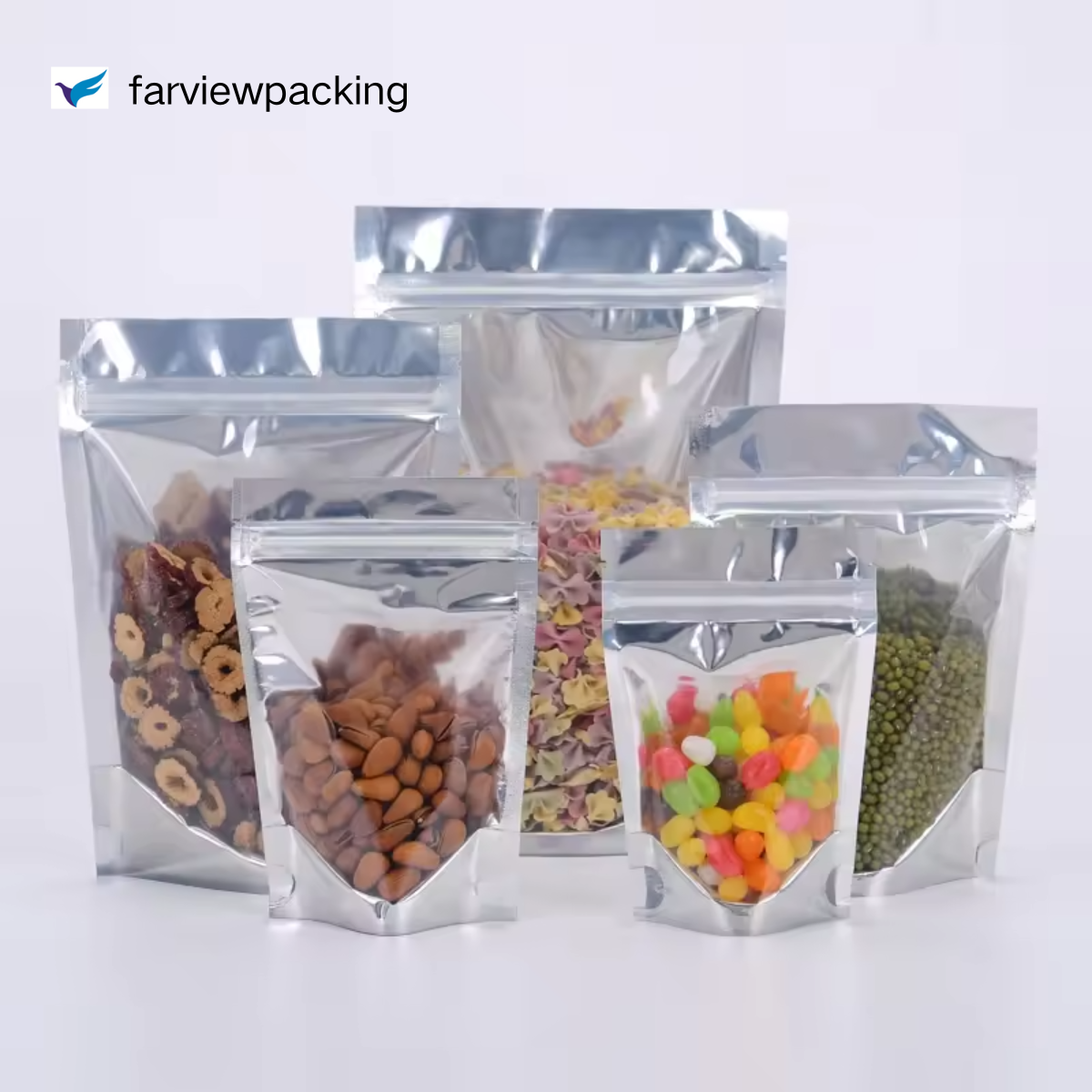
Selecting the appropriate pet food packaging is a critical decision that directly impacts product quality, consumer satisfaction, and business profitability. The right packaging solution not only preserves nutritional value and flavor but also extends shelf life, reduces waste, and maintains brand reputation in an increasingly competitive market. Understanding the complex relationship between packaging materials, barrier properties, and preservation technologies becomes essential for manufacturers seeking to deliver premium pet nutrition products that remain fresh throughout their intended storage period.
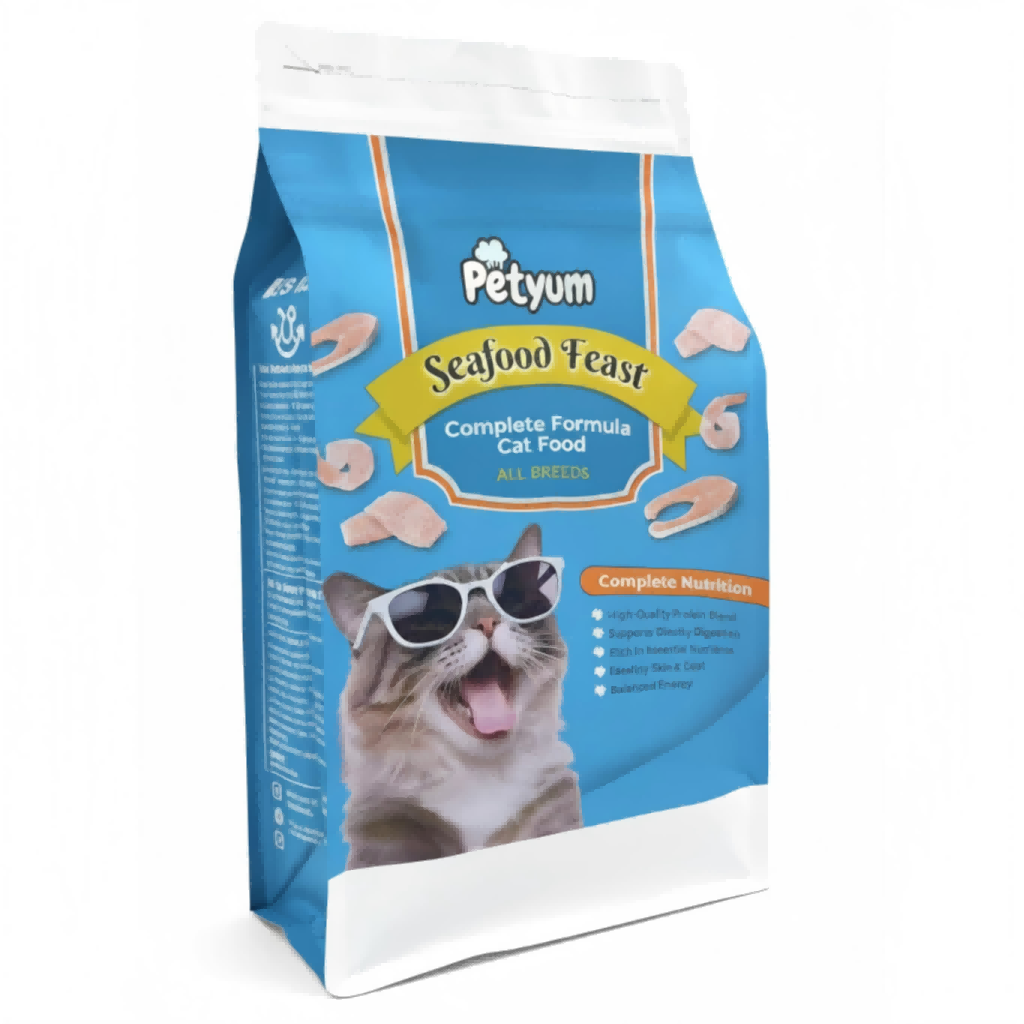
The science behind effective pet food packaging involves multiple interconnected factors including oxygen transmission rates, moisture vapor transmission, light protection, and material compatibility with various pet food formulations. Modern pet food manufacturers must navigate complex considerations ranging from ingredient sensitivity to environmental conditions during distribution and storage. This comprehensive approach to packaging selection ensures that premium pet foods maintain their intended nutritional profiles, palatability, and safety standards from production through consumption, ultimately supporting pet health and owner satisfaction.
Understanding Barrier Properties and Material Selection
Oxygen Barrier Requirements for Different Pet Food Types
Oxygen exposure represents one of the primary threats to pet food shelf life, causing lipid oxidation that leads to rancidity, nutrient degradation, and unpalatable flavors. Different pet food formulations require varying levels of oxygen protection based on their fat content, processing methods, and target shelf life expectations. Dry kibble typically contains 8-12% fat content and requires moderate oxygen barrier properties, while premium freeze-dried or high-fat treats demand exceptional barrier performance to prevent rapid deterioration.
The selection of appropriate barrier materials depends on understanding oxygen transmission rate specifications measured in cubic centimeters per square meter per day. Multi-layer pet food packaging incorporating aluminum foil provides exceptional oxygen barriers below 0.01 cc/m²/day, while metallized films offer moderate protection suitable for standard dry food applications. Understanding these technical specifications enables manufacturers to match packaging performance with product requirements and expected storage conditions.
Advanced barrier technologies including ethylene vinyl alcohol copolymers and silicon oxide coatings provide enhanced oxygen protection while maintaining package flexibility and processing compatibility. These materials enable manufacturers to achieve extended shelf life targets without compromising package functionality or consumer convenience features. Proper barrier selection also considers the interaction between multiple preservation factors, ensuring that oxygen control works synergistically with moisture management and light protection systems.
Moisture Management and Water Vapor Transmission
Moisture control plays an equally critical role in maintaining pet food quality, preventing mold growth, bacterial contamination, and texture degradation that occurs when products absorb atmospheric humidity. Water vapor transmission rates must be carefully matched to specific pet food moisture content and hygroscopic characteristics to maintain optimal product stability throughout the intended shelf life period. Dry pet foods typically require packaging with water vapor transmission rates below 1.0 grams per square meter per day to prevent moisture pickup that could compromise crunchiness and promote spoilage.
The relationship between ambient humidity conditions and packaging barrier requirements becomes particularly important for products distributed across diverse geographic regions with varying climate conditions. High-humidity environments demand superior moisture barrier properties, while arid regions may require balanced permeability to prevent excessive moisture loss that could affect palatability. Effective pet food packaging design incorporates these environmental considerations into material selection and barrier specification processes.
Modern moisture barrier technologies utilize specialized polymer structures and coating applications that provide precise water vapor transmission control while maintaining package integrity during handling and storage. These advanced materials enable manufacturers to optimize moisture management for specific product formulations and target market conditions, ensuring consistent quality performance regardless of distribution challenges or storage environments.
Light Protection and UV Degradation Prevention
Light exposure, particularly ultraviolet radiation, causes significant degradation of vitamins, antioxidants, and other sensitive nutrients commonly found in premium pet food formulations. Effective light protection requires understanding the specific wavelength ranges that cause photochemical degradation and selecting packaging materials with appropriate light transmission properties. Many vitamins including vitamin A, vitamin E, and riboflavin are particularly susceptible to light-induced degradation that reduces nutritional value and can create off-flavors.
Opaque pet food packaging materials including aluminum foil laminates and heavily pigmented films provide complete light protection, while transparent materials may incorporate UV-absorbing additives or specialized coatings to reduce harmful light transmission. The selection between opaque and transparent packaging options often involves balancing light protection requirements against consumer preference for product visibility and brand presentation considerations.
Specialized light barrier technologies including metallized substrates and UV-blocking polymer additives enable manufacturers to achieve optimal light protection while maintaining desired package appearance and functionality features. These solutions allow for creative package design possibilities while ensuring that sensitive nutrients remain stable throughout the intended storage period under typical retail lighting conditions.
Package Format and Sealing Technology Considerations
Flexible Packaging Formats and Closure Systems
Flexible pet food packaging formats offer numerous advantages for shelf life extension including excellent barrier properties, efficient material utilization, and superior seal integrity when properly designed and manufactured. Stand-up pouches, flat pouches, and pillow bags each provide different benefits for specific pet food applications, with selection depending on product characteristics, target shelf life, and consumer convenience requirements. The ability to incorporate multiple barrier layers within flexible structures enables precise control over oxygen, moisture, and light transmission properties.
Resealable closure systems play a crucial role in maintaining product freshness after initial package opening, extending in-home shelf life and preserving product quality for pet owners who purchase larger package sizes. Zip-lock closures, pressure-sensitive adhesive systems, and slider mechanisms each offer different levels of seal integrity and consumer convenience, with selection based on target demographic preferences and product protection requirements.
Advanced flexible packaging technologies including laser scoring for easy opening, degassing valves for vacuum packaging applications, and tamper-evident features enhance both product protection and consumer experience. These innovations enable manufacturers to differentiate their products while maintaining superior barrier performance and extended shelf life capabilities that support premium positioning strategies.
Modified Atmosphere Packaging Integration
Modified atmosphere packaging represents an advanced preservation technology that extends pet food shelf life by replacing package atmosphere with protective gas mixtures that inhibit oxidation and microbial growth. Nitrogen flushing removes oxygen from package headspace, while carbon dioxide provides additional antimicrobial benefits for specific applications. The integration of modified atmosphere technology requires careful coordination between packaging materials, sealing processes, and gas mixture specifications.
Successful modified atmosphere packaging implementation depends on selecting pet food packaging materials with appropriate gas barrier properties that maintain the desired atmospheric composition throughout the intended storage period. Low oxygen transmission rates become critical for preventing atmospheric compromise, while proper seal integrity ensures that protective gases remain contained within the package structure.
The economic considerations of modified atmosphere packaging include equipment investment, operational complexity, and material costs balanced against the significant shelf life extension and quality preservation benefits achieved. Many premium pet food manufacturers find that the enhanced product stability and reduced waste justify the additional packaging complexity, particularly for high-value formulations with extended distribution requirements.
Environmental Factors and Storage Condition Planning
Temperature Stability and Thermal Protection
Temperature fluctuations during storage and distribution significantly impact pet food stability, affecting both chemical reactions that degrade quality and physical changes that alter texture and appearance. Effective pet food packaging must account for expected temperature ranges throughout the supply chain, from manufacturing facilities through retail environments to consumer homes. High temperatures accelerate lipid oxidation, vitamin degradation, and Maillard reactions that create off-flavors and reduce nutritional value.
Thermal barrier properties of packaging materials become particularly important for products exposed to elevated temperatures during shipping or storage in non-climate-controlled environments. Reflective packaging surfaces, insulating material layers, and thermal mass considerations help moderate temperature impacts on sensitive pet food formulations. Understanding regional climate patterns and distribution infrastructure enables manufacturers to specify appropriate thermal protection levels for different market areas.
Advanced packaging solutions incorporate temperature-indicating technologies that provide visible evidence of thermal exposure, enabling supply chain partners to identify products that may have experienced quality-compromising conditions. These systems support quality assurance protocols while providing valuable feedback for optimizing distribution processes and storage practices throughout the supply chain.
Humidity Control and Atmospheric Conditions
Relative humidity variations present ongoing challenges for maintaining consistent pet food quality, with high humidity promoting mold growth and bacterial contamination while low humidity can cause excessive moisture loss and texture changes. Regional humidity patterns, seasonal variations, and storage facility conditions all influence the moisture management requirements for effective pet food packaging design. Products distributed across diverse geographic areas require robust moisture barrier properties that perform consistently under varying atmospheric conditions.
Desiccant integration represents an advanced moisture control strategy that actively removes excess moisture from package atmospheres, providing enhanced protection against humidity-related quality degradation. Silica gel packets, molecular sieve materials, and integrated desiccant systems each offer different moisture absorption capacities and performance characteristics suitable for specific pet food packaging applications.
The interaction between humidity control and other preservation factors requires careful balance to optimize overall package performance without creating unintended consequences. Excessive moisture removal can affect product palatability, while inadequate humidity control compromises microbiological stability and shelf life performance.
Quality Testing and Validation Protocols
Accelerated Shelf Life Testing Methods
Accelerated shelf life testing provides essential data for validating pet food packaging performance and predicting real-time storage stability under various conditions. These testing protocols utilize elevated temperatures, humidity levels, and light exposure to simulate extended storage periods within compressed timeframes, enabling manufacturers to evaluate packaging effectiveness before full-scale production and market introduction. Proper test design considers the specific degradation mechanisms relevant to particular pet food formulations and packaging systems.
Temperature-controlled testing chambers maintain precise environmental conditions while monitoring key quality indicators including lipid oxidation products, vitamin retention, moisture content, and sensory characteristics. The correlation between accelerated test results and real-time storage performance requires validation through parallel testing programs that confirm predictive accuracy. Effective testing protocols also evaluate packaging integrity, seal strength, and barrier property retention under stress conditions.
Statistical analysis of accelerated testing data enables manufacturers to establish confident shelf life predictions and identify optimal packaging specifications for specific product formulations. These data-driven approaches support regulatory compliance requirements while providing competitive advantages through scientifically validated quality claims and extended shelf life capabilities.
Real-Time Monitoring and Quality Assessment
Ongoing quality monitoring throughout actual storage and distribution provides validation of packaging performance under real-world conditions while identifying potential issues before they impact consumer satisfaction. Sample collection protocols, analytical testing schedules, and quality indicator tracking enable manufacturers to verify that pet food packaging maintains product stability throughout the intended shelf life period. Regular monitoring also provides valuable feedback for optimizing packaging specifications and identifying improvement opportunities.
Advanced analytical techniques including headspace gas analysis, peroxide value measurements, and chromatographic flavor profiling provide detailed insights into packaging performance and product stability trends. These sophisticated assessment methods enable early detection of quality changes while supporting continuous improvement initiatives that enhance packaging effectiveness and extend shelf life performance.
Supply chain collaboration in quality monitoring ensures that all distribution partners understand their role in maintaining product integrity while providing feedback on storage conditions and handling practices that impact packaging performance. This comprehensive approach to quality management supports brand reputation while optimizing overall system performance from manufacturing through consumption.
FAQ
What are the most important barrier properties to consider when selecting pet food packaging for extended shelf life?
The three most critical barrier properties for pet food packaging are oxygen transmission rate, water vapor transmission rate, and light transmission properties. Oxygen barriers prevent lipid oxidation and rancidity, moisture barriers maintain texture and prevent spoilage, while light barriers protect vitamins and sensitive nutrients from photochemical degradation. Multi-layer packaging with aluminum foil provides the highest barrier performance, while metallized films offer good protection for standard applications.
How do different pet food formulations affect packaging requirements for shelf life extension?
High-fat pet foods require superior oxygen barriers due to increased oxidation susceptibility, while low-moisture products need excellent water vapor barriers to prevent moisture pickup and maintain crunchiness. Freeze-dried and raw pet foods typically demand the highest barrier performance across all properties, while standard dry kibble can utilize moderate barrier materials. Treats and semi-moist products often require specialized moisture management to maintain desired texture characteristics throughout storage.
What role does modified atmosphere packaging play in extending pet food shelf life?
Modified atmosphere packaging replaces package air with protective gas mixtures, typically nitrogen or nitrogen-carbon dioxide blends, that dramatically reduce oxidation rates and extend shelf life. This technology is particularly effective for high-fat products, freeze-dried foods, and premium formulations where maximum freshness is essential. Success requires packaging materials with exceptional gas barrier properties to maintain the protective atmosphere throughout the intended storage period.
How can manufacturers validate that their chosen packaging will achieve target shelf life performance?
Accelerated shelf life testing using elevated temperature and humidity conditions provides rapid validation of packaging performance, while real-time monitoring confirms actual storage stability. Testing should evaluate key quality indicators including lipid oxidation, vitamin retention, moisture content, and sensory characteristics. Proper validation combines accelerated testing data with real-time confirmation studies to establish confident shelf life claims supported by scientific evidence.
Table of Contents
- Understanding Barrier Properties and Material Selection
- Package Format and Sealing Technology Considerations
- Environmental Factors and Storage Condition Planning
- Quality Testing and Validation Protocols
-
FAQ
- What are the most important barrier properties to consider when selecting pet food packaging for extended shelf life?
- How do different pet food formulations affect packaging requirements for shelf life extension?
- What role does modified atmosphere packaging play in extending pet food shelf life?
- How can manufacturers validate that their chosen packaging will achieve target shelf life performance?