EN
EN

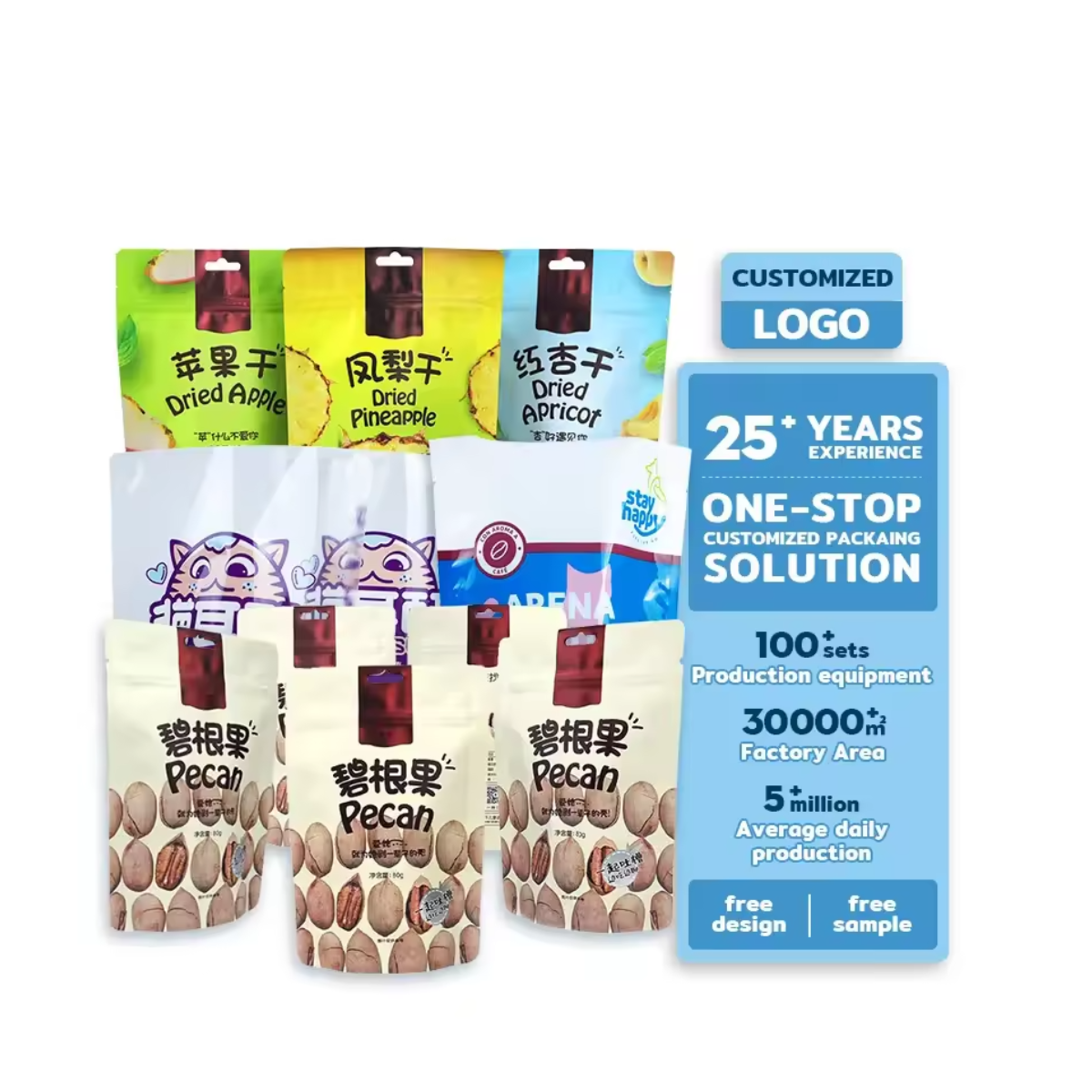
Modern pet food packaging convenience directly impacts consumer purchasing decisions and brand loyalty in today's competitive market. Pet owners increasingly demand packaging solutions that simplify storage, preserve freshness, and enhance daily feeding routines while maintaining product quality and safety standards.
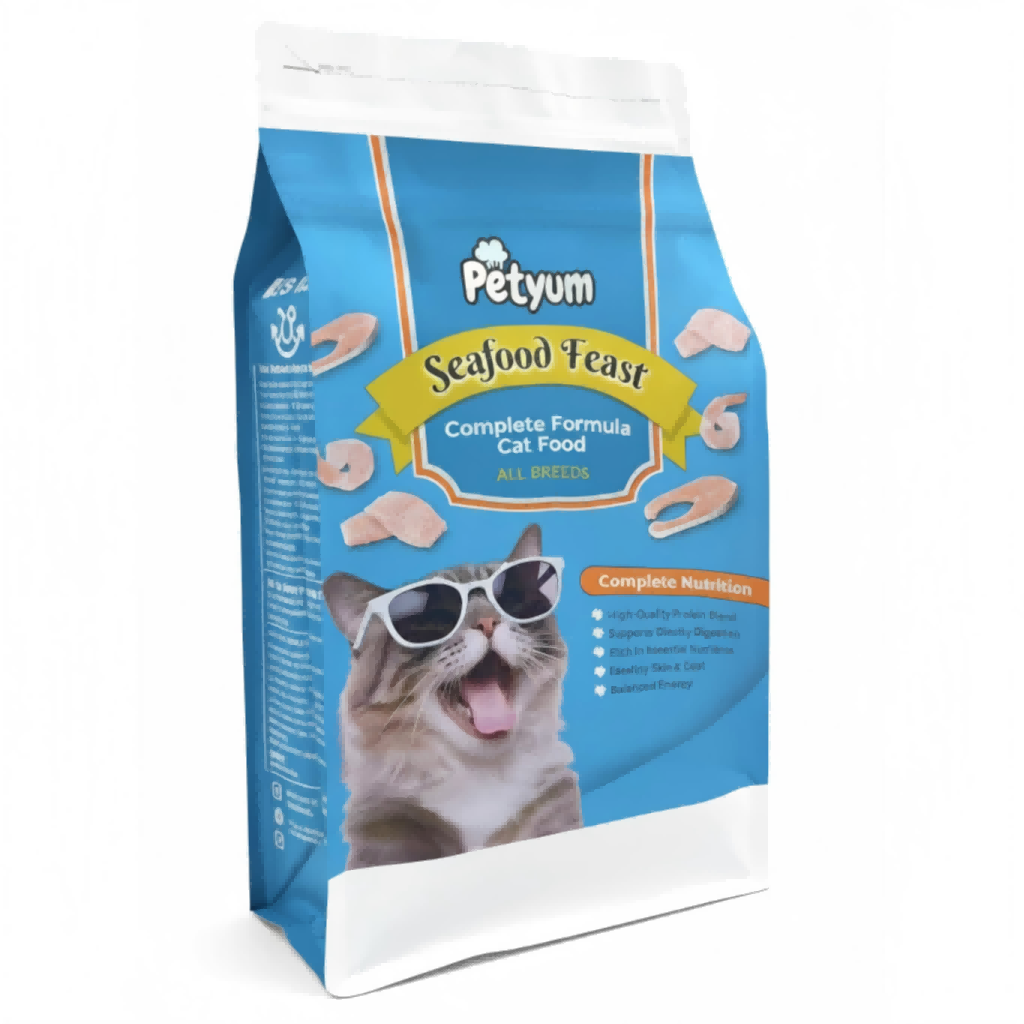
Understanding which specific features create genuine convenience for consumers helps manufacturers design pet food packaging that meets real-world usage demands. These convenience features extend beyond basic containment to address practical challenges pet owners face during purchase, storage, handling, and daily feeding activities.
Resealability Features That Enhance Daily Use
Zip-Lock Closure Systems
Zip-lock closures represent one of the most valuable convenience features in pet food packaging design. These closures allow consumers to securely seal packages after each use, preventing air exposure that leads to staleness and nutrient degradation. Quality zip-lock systems maintain their sealing integrity through multiple openings and closings throughout the product's consumption period.
The mechanical design of zip-lock closures significantly impacts user experience. Premium pet food packaging incorporates reinforced zipper tracks that resist tearing and maintain smooth operation even when consumers handle packages with wet or greasy hands. Double-track zipper systems provide enhanced security for premium pet foods requiring maximum freshness protection.
Consumer research indicates that zip-lock functionality directly influences repeat purchase decisions. Pet owners consistently prefer brands offering reliable resealability over those requiring additional storage containers or clip systems. This preference drives manufacturers to invest in high-quality closure mechanisms that perform consistently across varying storage conditions and handling patterns.
Fold-Over and Clip-Compatible Designs
Alternative resealability approaches include fold-over designs that accommodate external clips or twist ties. These pet food packaging solutions appeal to consumers who prefer traditional closure methods or require compatibility with existing storage systems. Fold-over designs typically feature reinforced fold lines that prevent cracking and maintain structural integrity through repeated use.
Clip-compatible packaging designs incorporate reinforcement zones where external clips apply pressure without damaging the package material. This approach allows manufacturers to reduce packaging costs while maintaining convenience functionality. Some designs include integrated clip attachment points that prevent clip loss and ensure consistent sealing pressure distribution.
The effectiveness of fold-over systems depends heavily on material selection and structural engineering. Pet food packaging materials must resist fatigue cracking while maintaining sufficient flexibility for comfortable handling. Advanced polymer formulations balance these requirements to deliver reliable performance throughout the product lifecycle.
Storage and Handling Convenience Factors
Package Size and Shape Optimization
Package dimensions significantly impact storage convenience for consumers with varying space constraints. Rectangular pet food packaging profiles maximize shelf efficiency in pantries and storage areas compared to cylindrical or irregular shapes. Manufacturers increasingly design packages with standardized dimensions that stack efficiently and utilize vertical storage space effectively.
Handle integration enhances portability for larger package sizes without compromising structural integrity. Reinforced handle cutouts or attached handles reduce carrying strain and improve grip security during transport from store to home. These features particularly benefit elderly consumers or those purchasing multiple packages simultaneously.
Weight distribution considerations influence package stability during storage and handling. Well-designed pet food packaging maintains center-of-gravity positioning that prevents tipping when placed on shelves or surfaces. Bottom panel reinforcement ensures packages maintain shape integrity when supporting their own weight during extended storage periods.
Tear-Resistant Construction
Material durability directly affects consumer convenience by preventing accidental package damage during normal handling. Multi-layer pet food packaging construction typically incorporates puncture-resistant films that withstand contact with sharp objects and rough handling during transport and storage. These materials maintain package integrity even when subjected to compression forces in crowded storage areas.
Seam strength engineering prevents separation failures that compromise product containment and create cleanup problems for consumers. Advanced heat-sealing technologies create molecular bonds between packaging layers that exceed the tensile strength of the base materials. This approach ensures seam failure occurs through material tearing rather than bond separation, providing better failure predictability.
Corner reinforcement addresses high-stress concentration points where packages commonly fail during handling. Strategic material thickness increases or fiber reinforcement additions at corner locations prevent tear initiation that could propagate through the entire package structure. These design elements extend package lifespan and reduce consumer frustration with premature failures.
Easy-Open Features and Accessibility
Tear Notch and Perforation Systems
Controlled opening features eliminate the need for scissors or knives while ensuring clean, straight tear lines that facilitate reclosure. Strategic tear notch placement provides optimal grip positioning and directional control during package opening. These features particularly benefit consumers with limited hand strength or mobility challenges that make traditional opening methods difficult.
Perforation patterns require precise engineering to balance easy opening with package integrity during distribution and storage. Micro-perforation technologies create controlled weakness lines that resist accidental tearing while responding predictably to intentional opening forces. The spacing and depth of perforations determine opening force requirements and tear propagation characteristics.
Pet food packaging designers must consider environmental conditions that affect perforation performance. Humidity and temperature variations can alter material flexibility and tear resistance, requiring robust design margins that ensure consistent opening performance across diverse storage conditions. Quality control systems verify perforation performance through standardized force testing protocols.
Window Features for Product Visibility
Transparent window sections allow consumers to assess product condition and quantity without opening packages. These windows serve both convenience and quality assurance functions by enabling visual inspection of kibble size, color consistency, and overall product appearance. Window placement strategies balance visibility requirements with structural integrity needs.
Material selection for window components requires optical clarity while maintaining barrier properties that protect pet food from environmental exposure. Advanced polymer films provide crystal-clear visibility while blocking moisture and oxygen transmission that could compromise product quality. Anti-fog treatments prevent condensation that obscures visibility under varying temperature conditions.
Window integration techniques must prevent delamination and maintain seal integrity throughout the package lifecycle. Heat-welding processes create permanent bonds between window materials and package substrates without compromising barrier performance. Quality window systems resist clouding, scratching, and environmental stress cracking that reduce visibility over time.
Freshness Preservation and Quality Indicators
Barrier Protection Systems
Multi-layer barrier construction protects pet food from oxygen, moisture, and light exposure that degrade nutritional value and palatability. These sophisticated pet food packaging systems incorporate specialized polymer films that create selective barriers against specific environmental threats while maintaining package flexibility and processability.
Oxygen barrier performance directly correlates with product shelf life and consumer satisfaction. Advanced metallized films and ceramic-coated substrates achieve oxygen transmission rates that extend freshness periods significantly beyond conventional packaging materials. These barriers prevent rancidity development and maintain vitamin potency throughout extended storage periods.
Moisture control features prevent humidity-related quality degradation while maintaining appropriate moisture levels for product stability. Selective permeability systems allow controlled moisture exchange that prevents condensation accumulation while blocking excessive moisture ingress. This balance maintains optimal texture and prevents mold growth in stored products.
Freshness Dating and Tracking Systems
Clear date coding systems enable consumers to make informed purchasing decisions and manage inventory rotation effectively. Prominent date placement and high-contrast printing ensure readability under typical retail lighting conditions. Advanced coding systems include production dates, best-by dates, and lot identification for complete traceability.
Color-change indicators provide visual freshness assessment tools that supplement traditional date coding. These systems respond to specific chemical changes associated with product degradation, offering real-time quality feedback to consumers. Integration of these technologies into pet food packaging requires careful consideration of activation triggers and environmental stability.
Digital integration possibilities include QR codes or NFC tags that provide extended product information and freshness tracking through mobile applications. These technologies enable manufacturers to communicate detailed storage recommendations, feeding guidelines, and quality assurance information directly to consumers. Smart packaging features represent emerging convenience trends in premium pet food markets.
FAQ
Which closure type provides the best convenience for daily pet food access?
Zip-lock closures offer superior daily convenience due to their quick operation, reliable sealing, and durability through multiple uses. These systems require minimal effort to operate and maintain freshness protection better than fold-over or clip systems, making them ideal for frequent access patterns typical in pet feeding routines.
How do package size and shape affect storage convenience for pet owners?
Rectangular pet food packaging profiles provide optimal storage efficiency by maximizing space utilization in pantries and cabinets. Standardized dimensions enable efficient stacking and organization, while integrated handles improve portability for larger sizes. These design elements significantly reduce storage challenges in space-constrained environments.
What window features enhance convenience without compromising product protection?
Clear polymer windows with anti-fog treatments provide excellent product visibility while maintaining barrier protection against moisture and oxygen. Strategic window placement allows quality assessment and quantity monitoring without package opening, reducing unnecessary exposure while enabling informed purchasing decisions.
How do freshness indicators improve consumer convenience in pet food packaging?
Visual freshness indicators provide immediate quality assessment without requiring consumers to interpret complex date codes or perform sensory evaluations. These systems offer real-time feedback about product condition, enabling confident feeding decisions and reducing waste from uncertainty about product freshness status.
Table of Contents
- Resealability Features That Enhance Daily Use
- Storage and Handling Convenience Factors
- Easy-Open Features and Accessibility
- Freshness Preservation and Quality Indicators
-
FAQ
- Which closure type provides the best convenience for daily pet food access?
- How do package size and shape affect storage convenience for pet owners?
- What window features enhance convenience without compromising product protection?
- How do freshness indicators improve consumer convenience in pet food packaging?