EN
EN

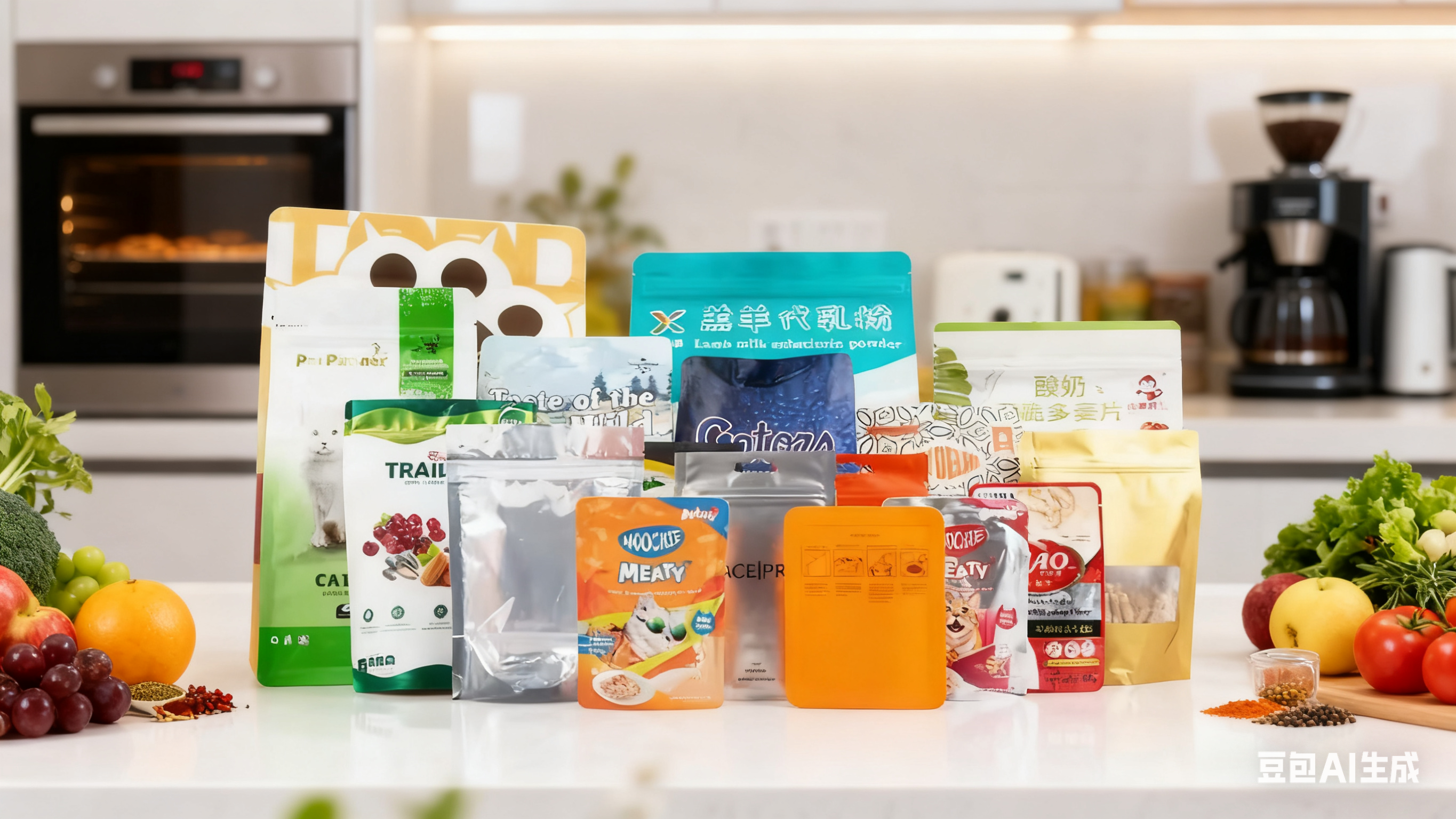
In large-scale food production and distribution, the decision surrounding food packaging bags is far more consequential than it might initially appear. A poorly chosen bag can compromise product freshness, increase spoilage rates, complicate logistics, and erode consumer trust — all outcomes that carry serious financial and reputational weight at industrial volumes. When you are handling hundreds of tonnes of product per week, every structural and material decision you make about your food packaging bags scales proportionally, meaning both the benefits of a smart choice and the costs of a poor one are magnified significantly.
This article addresses the full scope of what large-scale operators need to consider when selecting food packaging bags — from material composition and structural engineering to fill-weight compatibility, regulatory compliance, and supply chain efficiency. Whether you are packaging dry pet food, grains, flour, or processed snacks, the guidance here is designed to help procurement managers, operations directors, and packaging engineers make confident, data-supported decisions that hold up under real-world industrial conditions.
Understanding the Demands of Large-Scale Food Packaging
Volume, Weight, and Structural Stress Factors
Large-scale operations typically deal with fill weights ranging from 500 grams at the lower end to 10 kg, 15 kg, 20 kg, and even 25 kg per unit at the upper end. At these weights, the structural integrity of food packaging bags becomes a primary engineering concern rather than an afterthought. A bag that performs adequately at 1 kg may fail catastrophically at 20 kg if the gusset design, seam construction, or laminate thickness have not been specified for that load range.
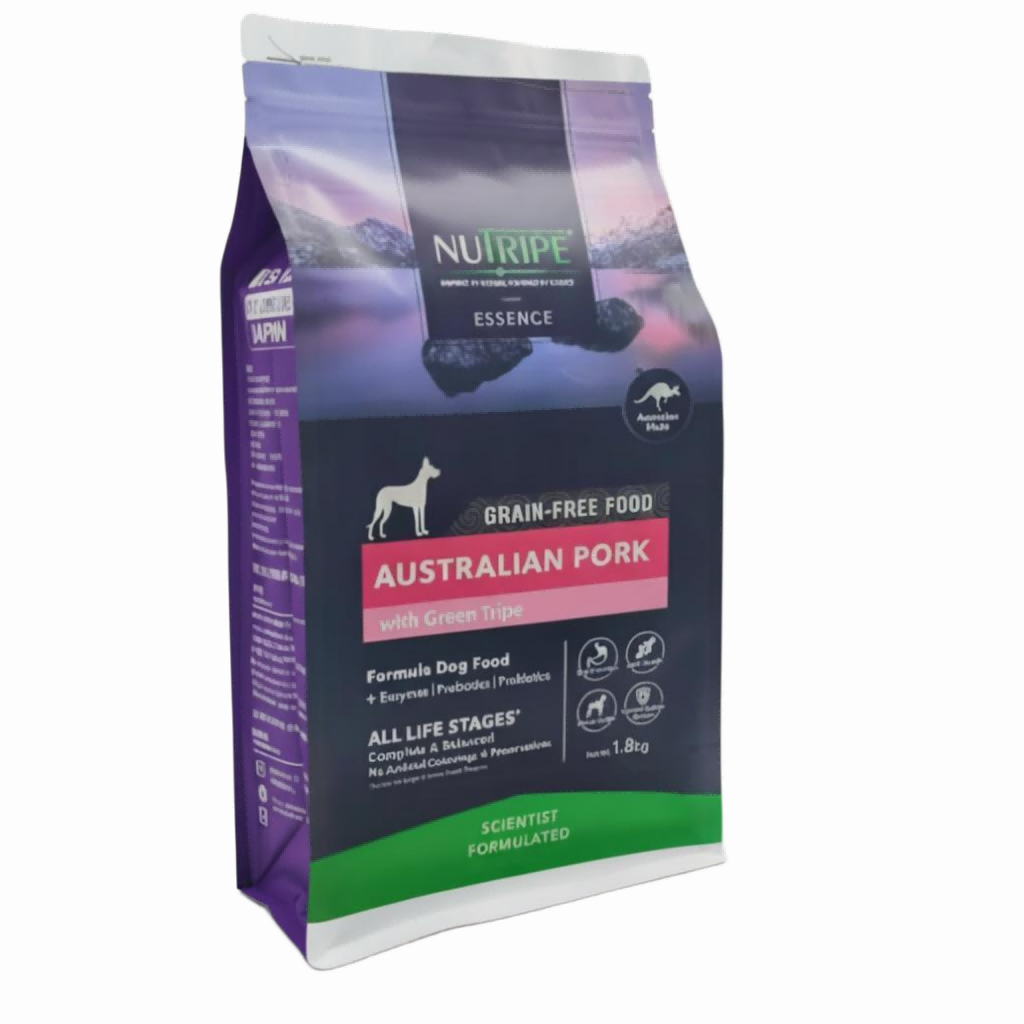
Square bottom bags, also referred to as block-bottom bags, have become increasingly favored in large-scale environments because their base design distributes weight more evenly across the footprint, reducing stress concentration at the bottom seams. This structural advantage is critical when bags are stacked multiple layers deep on pallets for warehouse storage or long-haul transport. The geometry of the base also facilitates upright standing on retail shelving, which becomes a merchandising concern for end-user facing products like pet food.
Procurement teams should always evaluate burst strength, drop resistance, and compression load ratings before committing to a format for high-weight applications. These specifications are not interchangeable between bag formats and must be matched precisely to the actual fill weight and handling conditions of your operation.
Throughput Compatibility with Filling Equipment
At industrial scales, the speed at which food packaging bags can be filled, sealed, and dispatched directly determines line efficiency and output targets. Bags that are incompatible with your filling machinery — whether due to mouth width, valve configuration, or material stiffness — will create bottlenecks, increase downtime, and drive up per-unit costs. This is a commonly underestimated factor in large-scale packaging procurement.
Plastic bags designed for automatic or semi-automatic filling lines must meet precise dimensional tolerances. Variations in bag width, length, or gusset depth can cause misfeeds, sealing failures, or product spillage, all of which interrupt production continuity. Operations running multi-shift schedules with minimal downtime budgets cannot afford packaging components that introduce mechanical inconsistency.
It is advisable to conduct pilot runs with any new food packaging bags specification before full-scale rollout. This testing phase should simulate actual line speeds, fill weights, and sealing temperatures to identify any compatibility issues before they affect live production volumes.
Material Selection for Food Safety and Product Preservation
Barrier Properties and Shelf Life Protection
The material composition of food packaging bags directly determines the barrier properties that protect the enclosed product from oxygen, moisture, UV light, and odor contamination. For dry food products like kibble, pet treats, grains, or milled flours, moisture vapor transmission rate (MVTR) and oxygen transmission rate (OTR) are the two most critical material specifications to evaluate.
Multi-layer laminate constructions — typically combining oriented polypropylene, polyethylene, and optionally aluminum foil — provide superior barrier performance compared to single-layer films. At large-scale volumes, even a modest extension in product shelf life translates into measurable reductions in waste, returns, and costly product recalls. Selecting food packaging bags with the appropriate laminate structure for your specific product category is therefore a direct investment in margin protection.
It is important to match barrier specification to the actual shelf life requirement rather than simply defaulting to the highest-performance material available. Over-specifying barrier properties increases material cost without delivering proportional benefit, while under-specifying creates real risk of premature product degradation. A structured material evaluation process, ideally conducted in collaboration with your packaging supplier, will identify the optimal balance point.
Food-Grade Compliance and Regulatory Alignment
All food packaging bags used in commercial food production must comply with applicable food contact material regulations in the target market. In the European Union, this means compliance with Regulation (EC) No 1935/2004 and associated migration testing requirements. In the United States, relevant FDA regulations under 21 CFR govern the use of plastic materials in food contact applications. Large-scale operators sourcing food packaging bags internationally must verify that their supplier's materials meet the regulatory requirements of every market in which the packaged product will be sold.
Compliance documentation — including certificates of conformity, migration test reports, and material declarations — should be obtained before purchase and retained as part of the quality management record. At large-scale production volumes, a single non-compliant material batch can result in extensive product recalls, regulatory penalties, and lasting brand damage. Proactive compliance verification is not optional; it is a core procurement discipline.
Operations in the pet food sector face a slightly different regulatory landscape than human food, but food-grade material standards still apply in most jurisdictions. Food packaging bags for pet food — particularly those handling products in the 500 g to 25 kg range — should be sourced from suppliers who can demonstrate category-specific regulatory knowledge and provide complete material traceability.
Format and Size Selection Across Weight Categories
Matching Bag Format to Product Weight Range
One of the most practical decisions in large-scale packaging procurement is aligning bag format to the fill weight categories your operation produces. For products sold in 500 g and 1 kg retail sizes, a flat-bottom or pillow-style bag with a resealable zipper may be most appropriate, offering shelf appeal alongside functional protection. As weights increase through the 5 kg, 10 kg, and 15 kg range, the structural requirements shift decisively toward reinforced square-bottom constructions with robust seam welding.
At 20 kg and 25 kg fill weights — common in bulk pet food, industrial flour, and agricultural feed applications — food packaging bags must be engineered to withstand not only the static load of the product but also the dynamic stresses of mechanical handling, including forklift movement and conveyor transport. Gusset depth, handle cut positioning, and reinforced bottom seals all become critical specifications at this weight tier.
Operators running multiple SKUs across a wide weight range should evaluate whether a modular bag family — using the same base material and laminate specification across multiple sizes — can simplify procurement, reduce supplier management complexity, and improve stock management. Standardizing material specification across your food packaging bags portfolio also simplifies food safety compliance audits.
Square Bottom Design Advantages in Industrial Environments
The square bottom bag format has emerged as a preferred solution across a wide range of large-scale food applications because it addresses both practical handling needs and consumer-facing presentation requirements simultaneously. The flat base allows the bag to stand upright without support, which reduces the floor space needed for staging areas in warehouses and improves display efficiency in retail environments.
From a structural standpoint, the square bottom configuration allows the load of heavy fill weights to be distributed across the entire base panel rather than concentrated at a narrow seam line. This geometry reduces the risk of seam failure during transport and makes the bags more stable when stacked, which is particularly valuable in cold chain logistics where manual restacking may be limited.
For large-scale operations managing both production efficiency and retail channel requirements, the food packaging bags in a square bottom plastic format represent a technically sound and commercially versatile choice that scales well from 500 g retail units through to 25 kg bulk formats.
Operational Efficiency and Supply Chain Considerations
Inventory Management and Lead Time Planning
For large-scale operators, the procurement of food packaging bags is not merely a quality decision — it is a supply chain management challenge. Production lines running at high volume consume packaging materials at a rate that demands disciplined inventory planning, reliable lead times, and contingency stock levels to absorb supply disruptions. A shortage of bags, even for a single shift, can have cascading impacts on production schedules and customer delivery commitments.
Establishing a supplier relationship that includes agreed lead time windows, minimum order quantities, and safety stock holding arrangements is essential at scale. Operations sourcing custom-printed food packaging bags with specific artwork or regulatory label panels face additional lead time risk due to print production and approval cycles. These timelines must be factored into procurement planning with appropriate safety margins.
Many large-scale food manufacturers operate with two qualified supplier sources for their primary food packaging bags formats to mitigate single-source dependency risk. This dual-source strategy requires maintaining parallel quality approval records but provides meaningful protection against supplier-side disruptions, particularly for operations where packaging is on the critical path of production scheduling.
Printing, Branding, and Label Compliance
At commercial scale, the visual and informational surface of food packaging bags carries significant branding and regulatory weight. Gravure and flexographic printing processes are both used in industrial plastic bag production, with gravure generally delivering superior color consistency and detail resolution for high-volume print runs. Selecting the right print process depends on run length, artwork complexity, and budget parameters.
Regulatory label requirements for food products vary by market and product category, but typically include ingredient declarations, nutritional information, allergen warnings, net weight statements, and manufacturer identification. All of this information must be incorporated into the bag design and remain legible throughout the product's shelf life. For operations exporting to multiple markets, managing multi-lingual label variants within a coherent bag design adds an additional layer of complexity to the specification process.
Operations should maintain a structured print approval process that requires signed-off proofs before any production run of food packaging bags commences. Color matching to brand standards, legal text accuracy, and barcode scannability should all be verified as part of this approval process. Errors discovered after a full print run has been completed are extremely costly to rectify at large-scale volumes.
Sustainability and Long-Term Procurement Strategy
Sustainable Material Options in Industrial Packaging
Sustainability considerations are increasingly integrated into procurement decisions for food packaging bags at large-scale operations, driven by both regulatory developments and end-consumer expectations. Recyclable monomaterial structures — where all laminate layers are made from the same polymer family, typically polyethylene — are gaining traction as technically viable alternatives to traditional multi-material laminates in certain food applications.
The challenge for large-scale operators is that sustainable material alternatives must not compromise the barrier performance, sealing reliability, and structural integrity that production lines and product safety requirements demand. Transitioning to a new material specification for food packaging bags requires the same rigorous validation process as any other packaging change, including compatibility testing with filling equipment and accelerated shelf life studies.
Operators considering sustainability transitions in their food packaging bags portfolio should engage early with their packaging suppliers and internal technical teams to map out a realistic transition roadmap. Phased implementation — starting with lower-risk SKUs before extending to high-volume or high-risk products — reduces the operational exposure of a full-scale material change.
Total Cost of Ownership vs. Unit Price
A common procurement error in large-scale operations is evaluating food packaging bags purely on unit price without accounting for the total cost of ownership across the full packaging lifecycle. A lower-priced bag that generates higher rates of filling line stoppages, seal failures, or product returns will almost always deliver a higher total cost than a slightly more expensive bag with superior performance characteristics.
Total cost of ownership for food packaging bags at scale should include material cost per unit, line efficiency impact, waste rate, return and rework costs, storage space requirements, and the compliance and quality management overhead associated with each supplier. When all of these factors are quantified, the optimal procurement decision frequently differs from what a simple unit price comparison would suggest.
Building a cross-functional evaluation team that includes operations, quality, logistics, and finance representation ensures that the full cost picture is captured when making major food packaging bags procurement decisions. This collaborative approach also improves internal alignment and reduces the risk of post-implementation performance disputes.
FAQ
What fill weight range should I consider when selecting food packaging bags for industrial use?
For industrial and large-scale operations, food packaging bags are commonly selected to cover fill weights from 500 g at the retail end through to 25 kg for bulk distribution applications. The structural specification of the bag — including seam strength, gusset depth, and base panel engineering — must be matched to the intended fill weight range. A single bag format is rarely optimal across the full weight spectrum, so operations with multiple SKUs should evaluate whether different formats are required at different weight tiers.
How do I verify that food packaging bags meet food safety regulations in my target markets?
Compliance verification for food packaging bags requires obtaining material declarations, certificates of conformity, and migration test reports from your packaging supplier before placing any production orders. The applicable regulations differ by market — EU Regulation 1935/2004 and FDA 21 CFR are the two most commonly referenced frameworks — and compliance documentation must reflect the specific materials used in your bags. Retaining these records as part of your quality management system is essential for both regulatory audits and internal quality assurance purposes.
What are the main advantages of square bottom food packaging bags for large-scale operations?
Square bottom food packaging bags offer several structural and operational advantages at large scale. The flat base distributes load weight evenly, reducing seam stress and improving stability during stacking and transport. The upright standing format also reduces staging floor space requirements in warehouses and improves retail shelf efficiency. For heavy fill weights in the 10 kg to 25 kg range, the square bottom design is generally considered structurally superior to pillow or flat-bottom alternatives.
How should I approach the transition to more sustainable food packaging bags without disrupting production?
Transitioning to sustainable alternatives for food packaging bags should be managed as a structured change project rather than a direct material swap. Begin with a technical evaluation of available monomaterial or recyclable laminate options against your current performance benchmarks, including barrier properties and sealing characteristics. Conduct pilot trials on lower-risk SKUs first, and only extend the transition to high-volume products after validation data confirms performance parity. Engage your packaging supplier early to ensure material availability and technical support throughout the transition process.
Table of Contents
- Understanding the Demands of Large-Scale Food Packaging
- Material Selection for Food Safety and Product Preservation
- Format and Size Selection Across Weight Categories
- Operational Efficiency and Supply Chain Considerations
- Sustainability and Long-Term Procurement Strategy
-
FAQ
- What fill weight range should I consider when selecting food packaging bags for industrial use?
- How do I verify that food packaging bags meet food safety regulations in my target markets?
- What are the main advantages of square bottom food packaging bags for large-scale operations?
- How should I approach the transition to more sustainable food packaging bags without disrupting production?