EN
EN

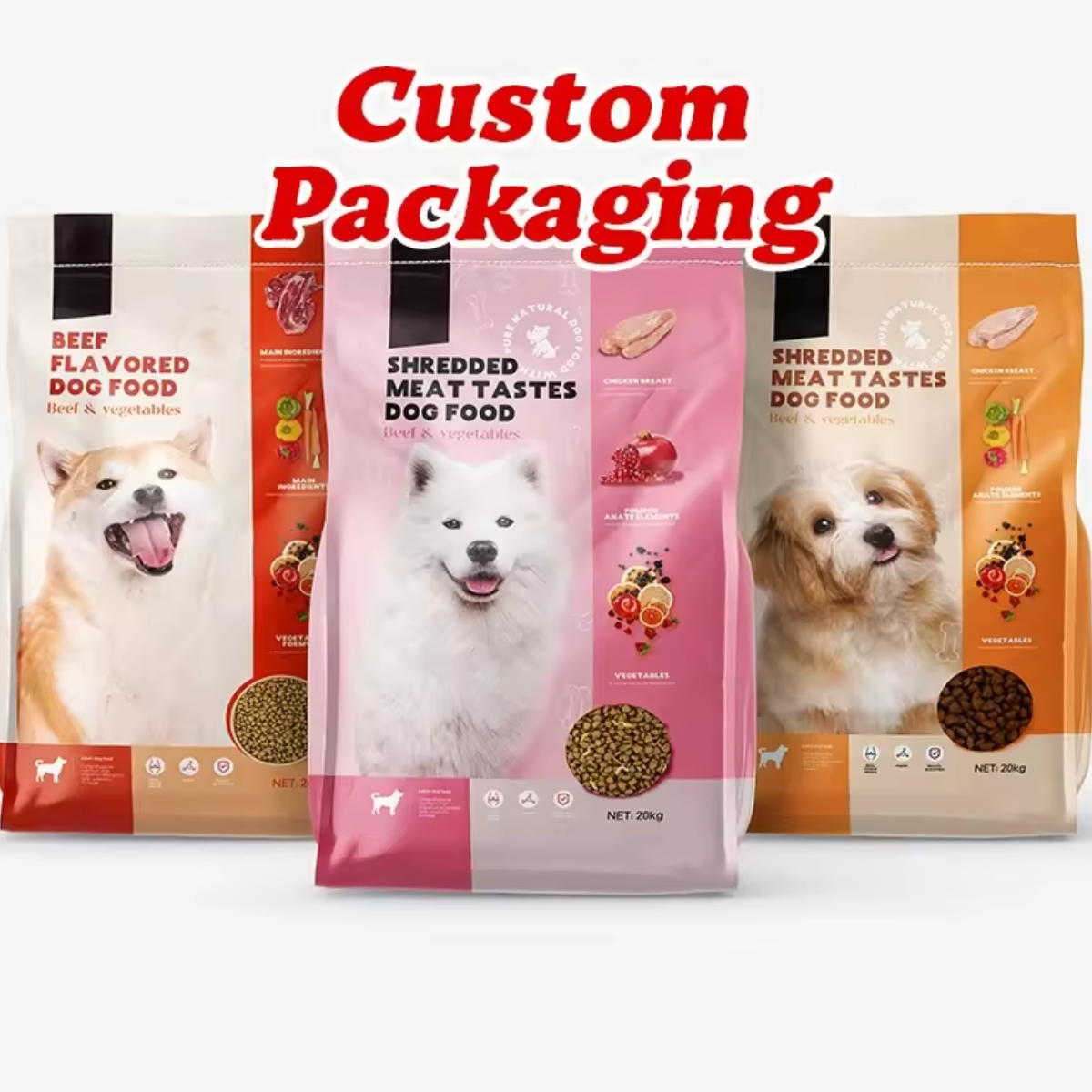
The retail landscape has witnessed a remarkable transformation in packaging solutions over the past decade, with zipper snack bags emerging as one of the most sought-after packaging options for retailers across various industries. These versatile containers have revolutionized how businesses package, display, and sell their products, offering unprecedented convenience for both retailers and consumers. The growing popularity of zipper snack bags stems from their unique combination of functionality, cost-effectiveness, and consumer appeal that addresses multiple retail challenges simultaneously.
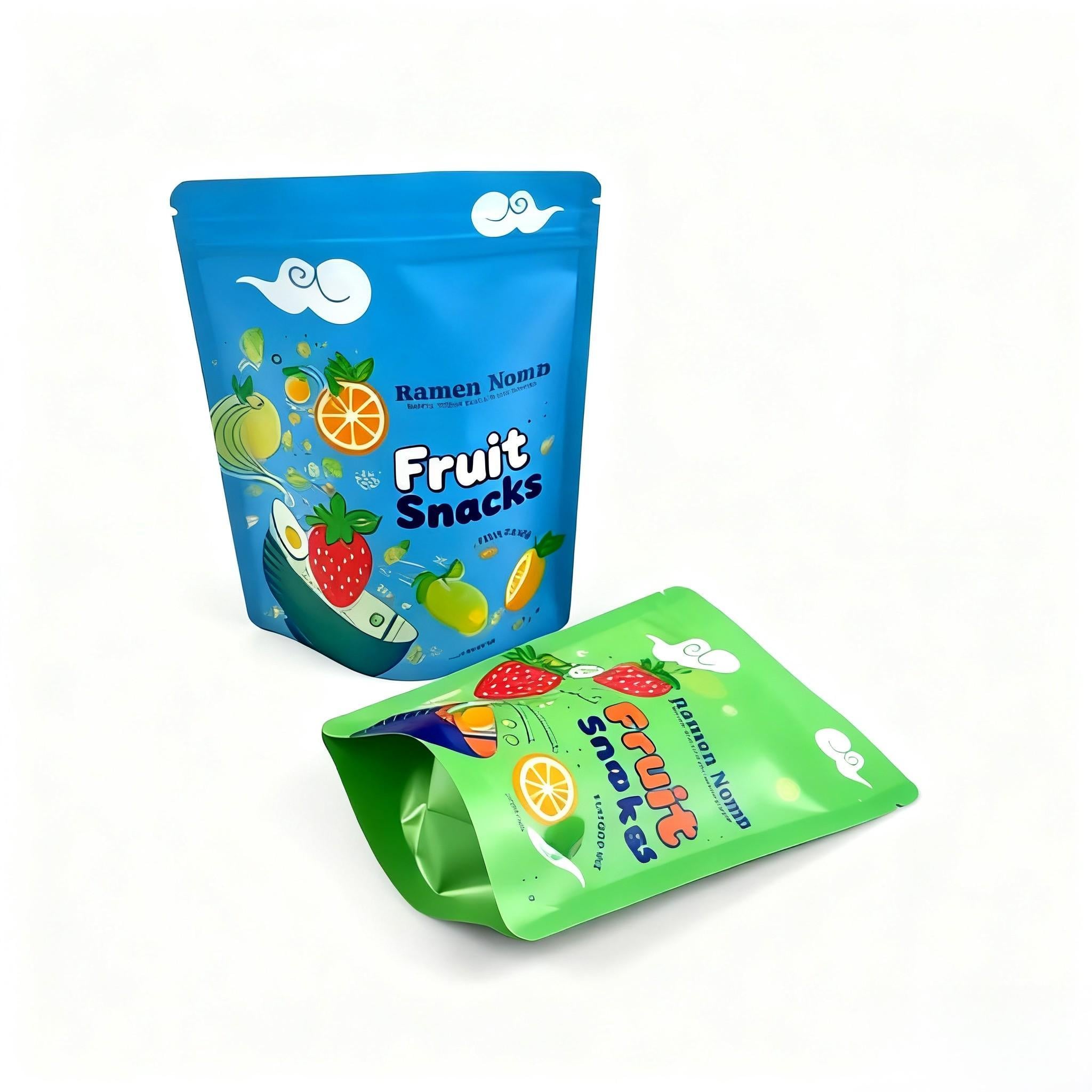
Market Advantages Driving Retail Adoption
Enhanced Product Freshness and Shelf Life
Retailers have discovered that zipper snack bags provide superior product protection compared to traditional packaging methods. The resealable closure system creates an airtight barrier that maintains product freshness for extended periods, reducing waste and increasing customer satisfaction. This feature is particularly valuable for perishable items such as nuts, dried fruits, granola, and various snack foods where maintaining crispness and flavor is essential for repeat purchases.
The moisture barrier properties of quality zipper snack bags help prevent staleness and contamination, which translates directly into reduced product returns and improved profit margins. Retailers report significant decreases in spoilage rates when switching from rigid containers or simple sealed bags to resealable zipper alternatives. This improvement in product longevity allows stores to maintain larger inventory levels without increased risk of waste.
Operational Efficiency and Cost Reduction
The lightweight nature of zipper snack bags contributes to substantial shipping cost savings for retailers who source products from suppliers or manufacturers. These bags require minimal storage space compared to bulky containers, allowing retailers to maximize their warehouse capacity and reduce overhead costs. The flexible packaging also enables more efficient product transportation, as more units can fit in shipping containers and delivery vehicles.
Staff efficiency improvements are another significant factor driving retailer adoption of zipper snack bags. Employees can stock shelves more quickly due to the bags' compact design and stackable nature. The clear visibility through transparent or translucent materials allows for faster inventory checks and reduces the time spent identifying products during restocking activities.
Consumer Appeal and Market Positioning
Convenience Factor for Modern Shoppers
Today's consumers prioritize convenience in their purchasing decisions, and zipper snack bags deliver exactly what busy shoppers demand. The resealable feature eliminates the need for additional storage containers at home, making these packages particularly attractive to apartment dwellers and individuals with limited storage space. Consumers appreciate the ability to maintain product freshness without transferring contents to separate containers.
The portable nature of zipper snack bags aligns perfectly with increasingly mobile lifestyles. Whether for office snacks, school lunches, or travel provisions, these packages provide mess-free consumption options that traditional rigid packaging cannot match. Retailers have observed increased sales in grab-and-go sections when products are packaged in zipper snack bags rather than alternative formats.
Brand Differentiation Opportunities
Zipper snack bags offer excellent surfaces for branding and marketing messages, providing retailers with opportunities to enhance their private label products or showcase supplier partnerships. The printable surfaces allow for vibrant graphics, nutritional information, and promotional messaging that can influence purchasing decisions at the point of sale. This marketing advantage helps retailers differentiate their offerings in competitive markets.
Customization options enable retailers to create unique packaging solutions that reflect their brand identity and target specific customer segments. From premium matte finishes to eco-friendly materials, zipper snack bags can be tailored to match retail positioning strategies and customer expectations for quality and sustainability.
Versatility Across Product Categories
Food and Beverage Applications
The food retail sector has embraced zipper snack bags for their versatility in packaging diverse product types. Beyond traditional snack foods, these bags effectively contain powdered supplements, coffee beans, tea leaves, and specialty ingredients. The barrier properties protect sensitive items from light, moisture, and air exposure, making them suitable for premium products that command higher profit margins.
Retailers specializing in health foods and organic products find zipper snack bags particularly valuable for portion-controlled packaging. These containers enable the sale of bulk items in convenient serving sizes, appealing to health-conscious consumers who prefer measured portions for diet management and nutritional planning.
Non-Food Retail Applications
The utility of zipper snack bags extends beyond food retail into numerous other product categories. Craft stores utilize these packages for small hardware items, beads, and art supplies where organization and visibility are important. Pet retailers package treats and supplements in zipper snack bags to maintain freshness and provide convenient portioning for pet owners.
Electronic accessory retailers have adopted zipper snack bags for cables, adapters, and small components, benefiting from the anti-static properties of specialized materials. The clear visibility allows customers to identify contents easily while protecting delicate items from environmental factors that could cause damage or degradation.
Supply Chain and Distribution Benefits
Streamlined Inventory Management
Retailers appreciate how zipper snack bags simplify inventory management processes through improved organization and product identification. The uniform shape and size options available enable standardized shelving systems that maximize space utilization and create visually appealing displays. Barcode placement on flat surfaces facilitates accurate scanning during receiving and sales transactions.
The durability of quality zipper snack bags reduces product damage during handling and transportation, leading to fewer insurance claims and customer complaints. This reliability factor has made these packages increasingly popular among retailers who prioritize consistent product quality and customer satisfaction ratings.
Supplier Partnership Advantages
Working with suppliers who provide products in zipper snack bags often results in better partnership terms due to reduced packaging costs and improved logistics efficiency. Suppliers can offer competitive pricing when utilizing these cost-effective packaging solutions, enabling retailers to maintain healthy profit margins while offering attractive consumer prices.
The standardization possible with zipper snack bags facilitates better communication and planning between retailers and suppliers. Order fulfillment becomes more predictable when packaging specifications are consistent, reducing errors and improving delivery reliability throughout the supply chain.
Environmental Considerations and Sustainability
Waste Reduction Benefits
Modern zipper snack bags contribute to environmental sustainability through reduced material usage compared to rigid packaging alternatives. The lightweight construction requires fewer raw materials while maintaining protective properties, appealing to environmentally conscious retailers and consumers. Many options now incorporate recycled content or biodegradable materials that align with corporate sustainability goals.
The extended product life enabled by effective zipper snack bags reduces food waste throughout the retail chain. By maintaining product quality for longer periods, these packages help retailers minimize spoilage-related losses while supporting broader waste reduction initiatives that resonate with modern consumer values.
Recycling and End-of-Life Management
Retailers increasingly prefer zipper snack bags manufactured from recyclable materials that support circular economy principles. The ability to process these packages through existing recycling infrastructure reduces disposal costs and environmental impact, making them attractive options for retailers with comprehensive sustainability programs.
Consumer education about proper disposal methods for zipper snack bags has improved, with many retailers providing information about recycling programs and collection points. This transparency builds customer loyalty among environmentally conscious shoppers who value retailers that demonstrate environmental responsibility.
Future Trends and Market Evolution
Technology Integration Opportunities
Emerging technologies are creating new possibilities for zipper snack bags in retail environments. Smart packaging solutions incorporating QR codes or NFC technology enable retailers to provide detailed product information, promotional offers, and traceability data directly through the package surface. These innovations enhance customer engagement while providing valuable data for inventory management and marketing analytics.
Advanced barrier technologies continue to improve the protective properties of zipper snack bags, extending shelf life and expanding the range of products suitable for this packaging format. Retailers benefit from these improvements through reduced waste and the ability to offer premium products with extended freshness guarantees.
Market Expansion and Growth Potential
The growing popularity of zipper snack bags shows no signs of slowing, with new applications emerging regularly across diverse retail categories. E-commerce growth has particularly benefited this packaging format, as the lightweight and protective properties align perfectly with online retail requirements for shipping efficiency and product protection.
International market expansion opportunities continue to drive innovation in zipper snack bags, with manufacturers developing products that meet varying regulatory requirements and cultural preferences. Retailers entering new markets find these packages provide familiar functionality while accommodating local packaging standards and consumer expectations.
FAQ
What makes zipper snack bags more cost-effective than traditional packaging
Zipper snack bags offer cost advantages through reduced material usage, lower shipping costs due to lightweight construction, and decreased product waste from improved freshness retention. Retailers also benefit from faster stocking procedures and reduced storage space requirements, contributing to overall operational cost savings.
How do zipper snack bags improve product freshness compared to other packaging types
The resealable zipper mechanism creates an airtight seal that prevents moisture, air, and contaminants from affecting product quality. Advanced barrier films used in quality zipper snack bags provide superior protection against light and oxygen exposure, significantly extending shelf life compared to single-use sealed bags or rigid containers with less effective closures.
Are zipper snack bags suitable for all types of retail products
While zipper snack bags work excellently for many product categories including food items, supplements, craft supplies, and small accessories, they may not be appropriate for very heavy items, liquids requiring spill-proof containers, or products that require rigid protection. Retailers should evaluate product characteristics and customer needs when selecting appropriate packaging formats.
What environmental benefits do zipper snack bags provide for retailers
These packages typically use less material than rigid alternatives, reduce product waste through better preservation, and often incorporate recyclable or biodegradable materials. The lightweight nature decreases transportation-related carbon emissions, while the extended product life supports waste reduction initiatives that appeal to environmentally conscious consumers and support corporate sustainability goals.