EN
EN

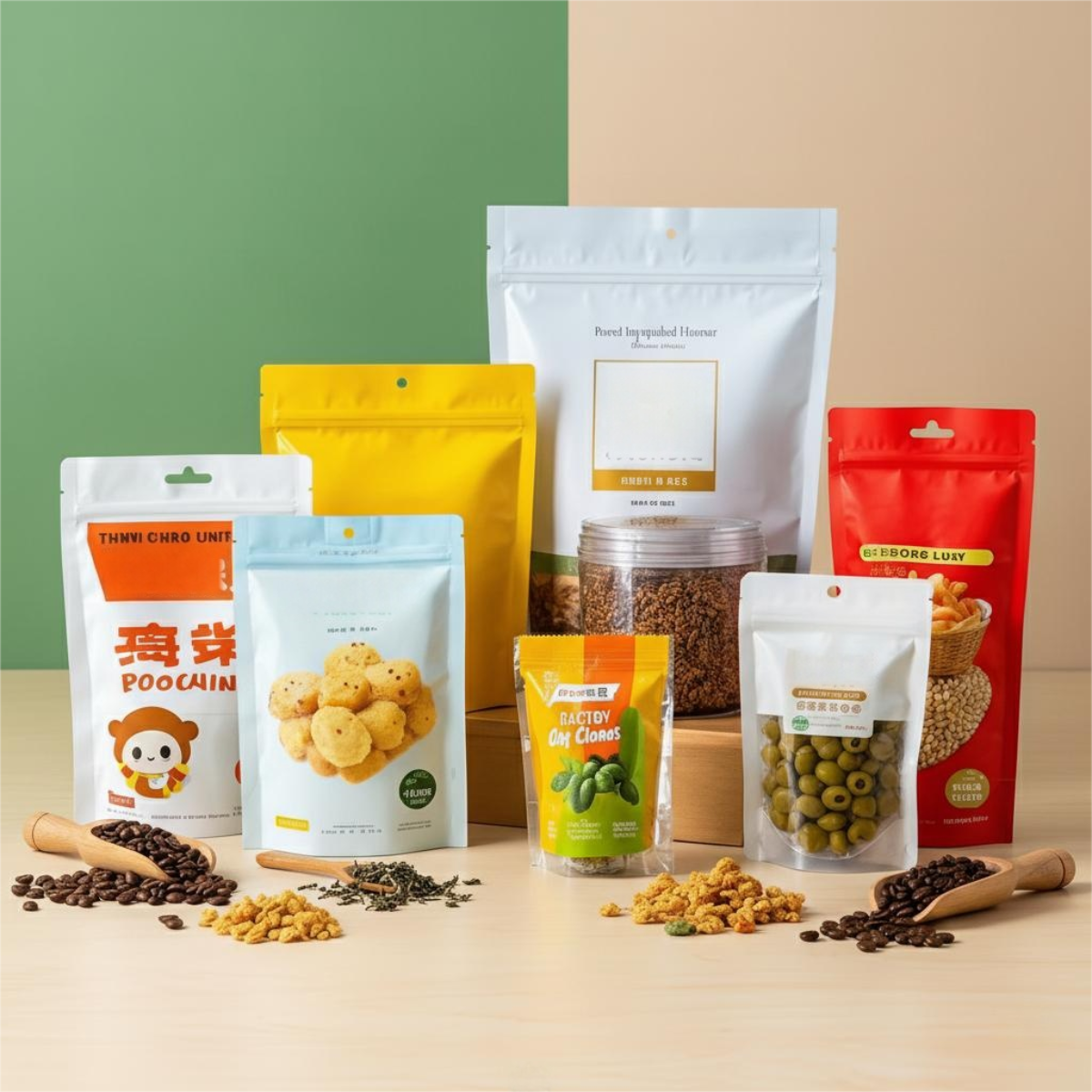
The food distribution industry has undergone significant transformations in recent years, with snack pack innovations leading the charge in revolutionizing how products reach consumers. Modern packaging solutions have become critical components in maintaining food quality, extending shelf life, and enhancing customer satisfaction throughout the supply chain. As consumer preferences shift toward convenience and sustainability, snack pack innovations continue to address complex distribution challenges while meeting evolving market demands. These advanced packaging technologies not only protect products during transportation but also serve as powerful marketing tools that influence purchasing decisions at the point of sale.
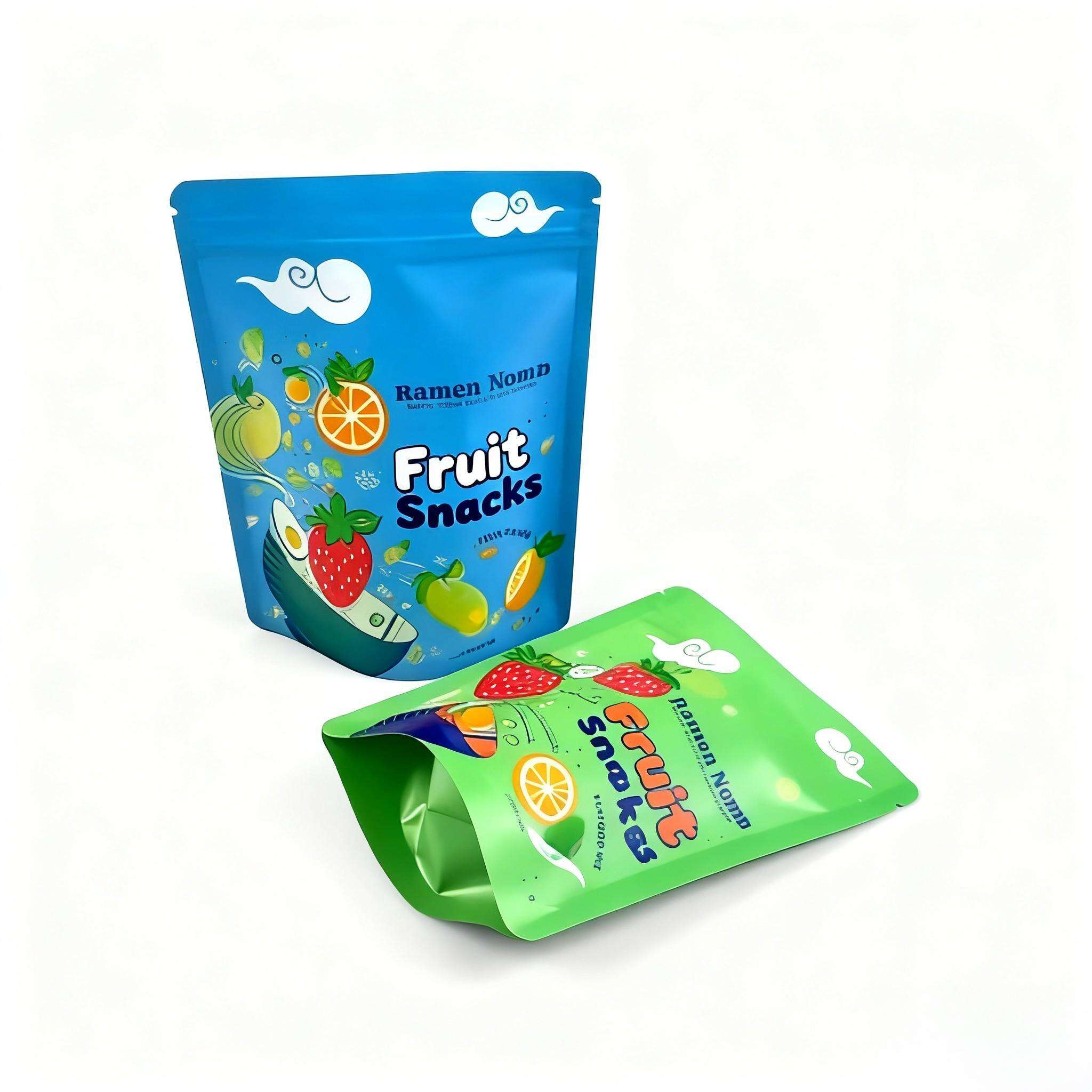
Revolutionary Packaging Technologies Transforming Distribution
Advanced Barrier Protection Systems
Contemporary snack pack innovations incorporate sophisticated barrier technologies that significantly extend product freshness and reduce waste during distribution. Multi-layer films with specialized coatings create impermeable barriers against moisture, oxygen, and light exposure, ensuring that snack products maintain their intended texture, flavor, and nutritional value throughout extended transportation periods. These protective systems utilize advanced polymer science to create packaging that adapts to various environmental conditions while maintaining structural integrity. The implementation of these technologies has reduced product spoilage rates by up to 40% in some distribution networks, translating to substantial cost savings and improved customer satisfaction.
Modern packaging materials also incorporate antimicrobial properties that actively inhibit bacterial growth and contamination during storage and transport. These innovations are particularly valuable for products with extended distribution chains, where packages may be exposed to varying temperatures and humidity levels. The integration of intelligent packaging elements, such as freshness indicators and time-temperature sensors, provides real-time information about product conditions, enabling distributors to make informed decisions about inventory management and quality control.
Smart Packaging Integration Features
The integration of smart technologies within snack packaging represents a significant advancement in distribution efficiency and consumer engagement. Near-field communication chips and QR codes embedded in packaging allow for seamless tracking throughout the supply chain, providing detailed information about production dates, transportation routes, and storage conditions. These digital features enable distributors to implement more precise inventory management systems, reducing overstocking and minimizing product waste due to expiration.
Smart packaging also enhances traceability capabilities, allowing companies to quickly identify and address quality issues or contamination concerns. When combined with blockchain technology, these systems create immutable records of product journey from manufacturing to consumer purchase, significantly improving food safety protocols and regulatory compliance. The data collected through smart packaging systems provides valuable insights into consumer behavior patterns and distribution optimization opportunities, enabling companies to refine their strategies for maximum efficiency.
Sustainable Solutions Driving Distribution Excellence
Eco-Friendly Material Innovations
Environmental sustainability has become a driving force behind contemporary snack pack innovations, with manufacturers developing biodegradable and compostable packaging solutions that maintain product protection while reducing environmental impact. These materials, derived from renewable sources such as plant-based polymers and recycled content, offer comparable barrier properties to traditional plastics while supporting circular economy principles. The adoption of sustainable packaging materials has become particularly important for companies seeking to meet corporate sustainability goals and respond to increasing consumer demand for environmentally responsible products.
Innovative recycling technologies have enabled the development of closed-loop packaging systems where used packages can be collected, processed, and transformed into new packaging materials. These systems reduce the overall environmental footprint of distribution operations while creating economic incentives for proper waste management. Companies implementing sustainable snack pack innovations often experience enhanced brand reputation and customer loyalty, as environmentally conscious consumers increasingly favor brands that demonstrate commitment to environmental stewardship.
Lightweight Design Optimization
Weight reduction in packaging design has emerged as a crucial factor in improving distribution efficiency and reducing transportation costs. Advanced engineering techniques enable the creation of ultra-lightweight packaging that maintains structural integrity and protective properties while minimizing material usage. These optimizations result in significant cost savings across distribution networks, as lighter packages reduce fuel consumption, shipping costs, and carbon emissions associated with transportation.
Snack pack innovations in lightweight design often incorporate advanced structural engineering principles, such as ribbed surfaces and optimized geometric shapes that provide maximum strength with minimal material usage. These designs enable distributors to increase payload capacity while maintaining safety standards, resulting in more efficient transportation and reduced per-unit distribution costs. The cumulative impact of lightweight packaging across large distribution networks can result in substantial environmental and economic benefits.
Enhanced Consumer Experience Through Innovation
Convenience-Focused Design Elements
Modern snack pack innovations prioritize user convenience through thoughtful design elements that enhance the consumer experience while supporting distribution efficiency. Resealable closures, easy-open features, and portion control mechanisms address consumer preferences for convenience and functionality while maintaining product freshness after opening. These features are particularly valuable for products that may be consumed over multiple occasions, as they extend product life and reduce waste at the consumer level.
Ergonomic packaging designs that facilitate comfortable handling and storage have become increasingly important as snack consumption patterns evolve toward on-the-go consumption. Packages designed with grip-friendly surfaces, compact dimensions, and stable base structures enhance user satisfaction while supporting efficient stacking and storage during distribution. These design considerations contribute to improved product presentation at retail locations and enhanced consumer appeal.
Visual Appeal and Brand Communication
Contemporary snack pack innovations incorporate advanced printing technologies and visual design elements that create compelling brand experiences while supporting product identification throughout distribution channels. High-quality graphics, tactile finishes, and innovative structural designs help products stand out in competitive retail environments while maintaining visual integrity during transportation and handling. These visual enhancements serve as powerful marketing tools that can influence purchasing decisions and build brand recognition.
The integration of variable data printing capabilities allows for customized packaging that can target specific market segments or geographic regions while maintaining distribution efficiency. This technology enables companies to implement targeted marketing campaigns and seasonal promotions without disrupting established distribution processes. Advanced color management systems ensure consistent visual quality across different production runs and distribution locations, maintaining brand consistency regardless of where products are manufactured or sold.
Distribution Efficiency Through Packaging Innovation
Space Optimization Strategies
Innovative packaging designs that maximize storage and transportation efficiency have become essential components of modern distribution strategies. Snack pack innovations focusing on geometric optimization enable better utilization of warehouse space and transportation capacity through improved stackability and nesting capabilities. These design considerations result in reduced storage costs and improved inventory turnover rates while maintaining product protection and visual appeal.
Modular packaging systems that accommodate various product sizes within standardized dimensions simplify distribution logistics and reduce complexity in warehouse operations. These systems enable distributors to implement more efficient picking and packing processes while maintaining flexibility to accommodate seasonal variations and new product introductions. The standardization of packaging dimensions also supports automated handling systems and reduces training requirements for distribution personnel.
Temperature Control and Product Stability
Advanced thermal management properties in snack packaging help maintain product quality during distribution in varying climate conditions. Specialized materials and design features that provide insulation and temperature stability ensure that products maintain their intended characteristics regardless of seasonal temperature fluctuations or extended transportation periods. These innovations are particularly valuable for products containing temperature-sensitive ingredients or coatings that may be affected by extreme temperatures.
Snack pack innovations incorporating phase-change materials and thermal barriers create micro-environments within packages that buffer against temperature variations. These technologies enable distributors to maintain product quality standards while reducing dependency on expensive climate-controlled transportation and storage facilities. The implementation of temperature-stable packaging solutions often results in expanded distribution territories and extended shelf life capabilities.
Technology Integration and Future Trends
Internet of Things Connectivity
The integration of Internet of Things technology within snack packaging creates unprecedented opportunities for real-time monitoring and optimization of distribution processes. Connected packages can transmit data about environmental conditions, location, and handling throughout the distribution chain, enabling proactive management of potential issues before they affect product quality. This connectivity supports predictive maintenance of distribution equipment and optimization of transportation routes based on real-time conditions.
IoT-enabled snack pack innovations provide valuable data analytics capabilities that help distributors identify patterns and optimize their operations for improved efficiency and cost reduction. The continuous flow of information from connected packages enables dynamic adjustment of distribution strategies based on actual performance data rather than historical estimates. This technology supports the development of more responsive and adaptive distribution networks that can quickly respond to changing market conditions and consumer demands.
Artificial Intelligence and Machine Learning Applications
The application of artificial intelligence and machine learning technologies to packaging design and distribution optimization represents a significant advancement in snack pack innovations. AI-powered systems can analyze vast amounts of distribution data to identify optimization opportunities and predict potential issues before they occur. These technologies enable the development of packaging solutions that are specifically tailored to the unique requirements of different distribution networks and market segments.
Machine learning algorithms can continuously refine packaging performance based on real-world data, leading to iterative improvements in design and functionality. These systems can optimize everything from material selection and structural design to printing specifications and supply chain logistics. The implementation of AI-driven optimization has the potential to significantly reduce distribution costs while improving product quality and customer satisfaction across all segments of the supply chain.
FAQ
What are the primary benefits of modern snack pack innovations for distributors
Modern snack pack innovations offer distributors numerous advantages including reduced product waste, improved inventory management, enhanced transportation efficiency, and better customer satisfaction. Advanced barrier technologies extend shelf life, while lightweight designs reduce shipping costs. Smart packaging features enable real-time tracking and quality monitoring, supporting more precise distribution planning and reduced operational costs.
How do sustainable packaging materials affect distribution costs and efficiency
Sustainable packaging materials often provide comparable or superior performance to traditional materials while supporting environmental goals and potentially reducing long-term costs. While initial material costs may be higher, the improved brand reputation, regulatory compliance benefits, and potential for closed-loop recycling systems can result in overall cost savings. Additionally, lightweight sustainable materials can reduce transportation costs and carbon footprint across distribution networks.
What role does smart packaging play in improving food safety during distribution
Smart packaging technologies significantly enhance food safety through real-time monitoring of temperature, humidity, and other environmental factors that affect product quality. Embedded sensors and indicators provide immediate alerts when products are exposed to conditions that could compromise safety or quality. This technology enables rapid response to potential issues and supports comprehensive traceability throughout the distribution chain, facilitating quick identification and resolution of safety concerns.
How can snack pack innovations help distributors adapt to changing consumer preferences
Snack pack innovations provide distributors with flexible solutions that can adapt to evolving consumer preferences for convenience, sustainability, and product variety. Modular packaging systems accommodate different product sizes and formats within existing distribution infrastructure. Advanced printing and customization capabilities enable targeted marketing and seasonal promotions without disrupting distribution processes. Smart packaging features also provide valuable consumer behavior data that can inform future product and distribution strategies.
Table of Contents
- Revolutionary Packaging Technologies Transforming Distribution
- Sustainable Solutions Driving Distribution Excellence
- Enhanced Consumer Experience Through Innovation
- Distribution Efficiency Through Packaging Innovation
- Technology Integration and Future Trends
-
FAQ
- What are the primary benefits of modern snack pack innovations for distributors
- How do sustainable packaging materials affect distribution costs and efficiency
- What role does smart packaging play in improving food safety during distribution
- How can snack pack innovations help distributors adapt to changing consumer preferences